


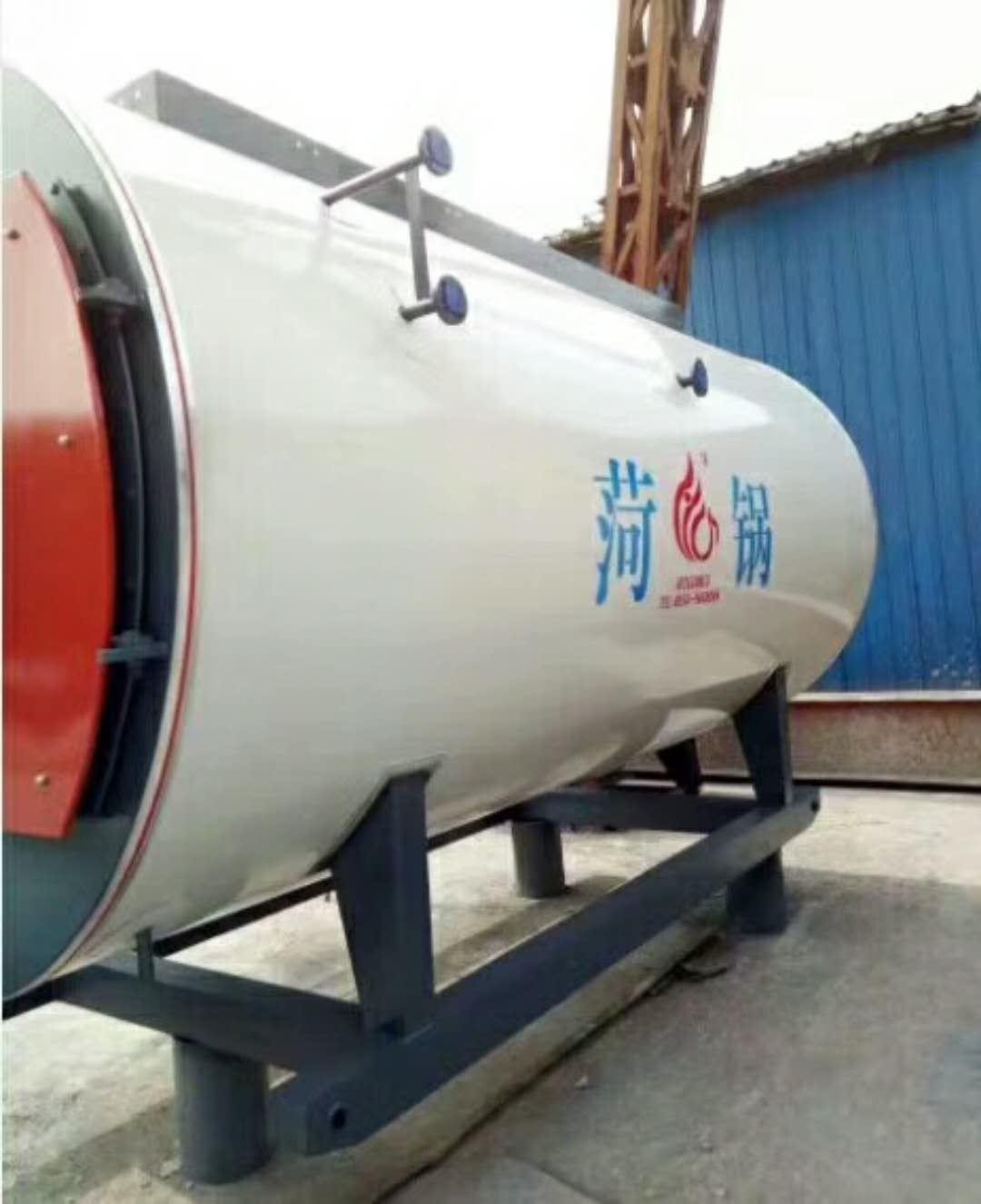

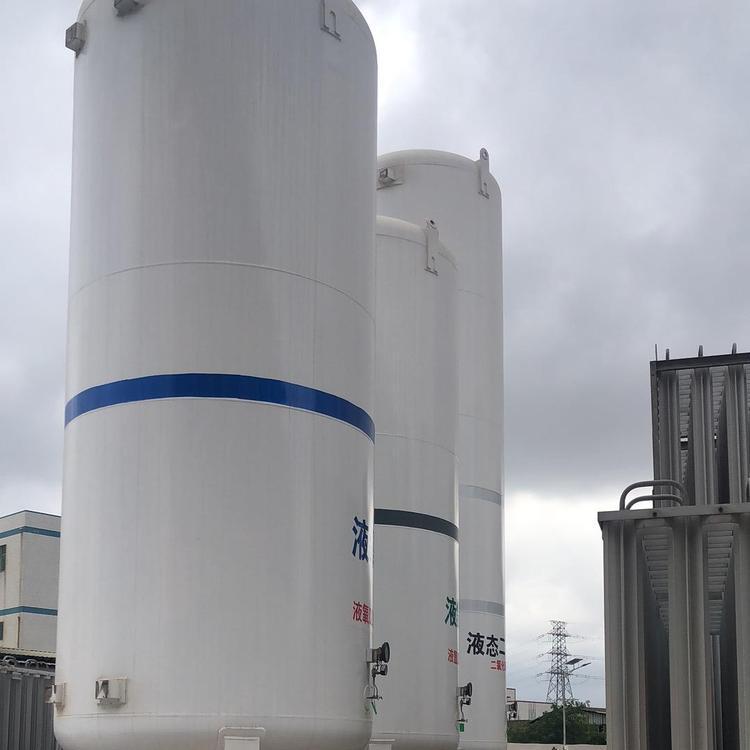
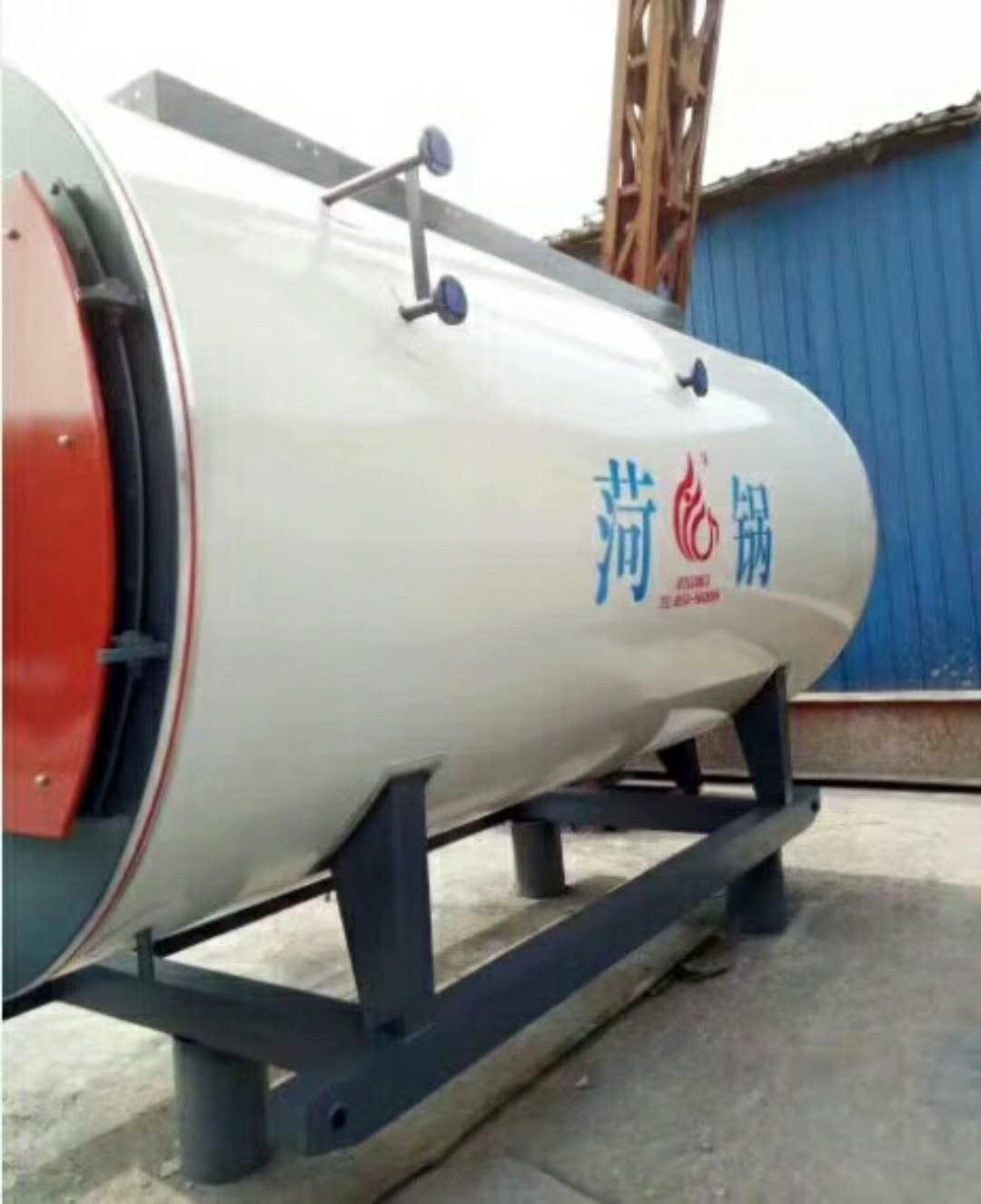


















Shandong Zhongjie Special Equipment (formerly Heze Boiler Factory Co., Ltd.) holds an A-grade boiler manufacturing license, A2-grade pressure vessel manufacturing license, A2-grade pressure vessel design license, B-grade boiler installation license, and GB2/Class and GC2/Class pressure pipeline installation license, as well as a qualification for electromechanical equipment installation contracting. It is a member of the China Boiler and Water Treatment Association, the China Chemical Equipment Association, and the Council Member of the Shandong Equipment Manufacturing Association. The company has also passed the ISO9001 Quality Management System certification, ISO14001 Environmental Management System certification, OHSAS18001 Occupational Health and Safety Management System certification, and the ASME/U2 certification from the United States.
Common Protection Techniques for Carbon Dioxide Tanks:
- Fire and Explosion Prevention Measures: A fire-resistant buffer zone should be established around the tank, keeping it away from fire sources and flammable materials. The tank itself should have fire and explosion prevention measures, such as fire-resistant coatings and explosion-proof devices, to prevent fires and explosions.
- Leak Detection and Alarm System: The tank should be equipped with a leak detection and alarm system for timely detection and reporting of any leaks. Regularly inspect and maintain the leak detection equipment to ensure proper functioning.
- Regular Inspections and Maintenance: Regularly inspect the tank's exterior, valves, connectors, etc., to ensure they are undamaged. Conduct regular leak inspections and pressure tests to ensure the tank's safety performance meets requirements.
- Emissions Treatment: Treat the emissions generated by the carbon dioxide tank to prevent environmental pollution. Implement appropriate emissions treatment measures, such as collecting and treating emissions.
- Static Electricity Protection: Adopt static electricity protection measures to prevent the accumulation and discharge of static electricity. Use antistatic equipment and tools to ensure safety during operations.
- Safety Training and Awareness: Conduct safety training for operators to enhance their awareness and ability to handle carbon dioxide tanks safely. Regularly hold safety training and drills to respond to emergencies.
- Management Records and Documentation: Establish comprehensive management records and documentation, including the tank's usage, inspection, and maintenance records. Regularly review and update management records to ensure safe management and maintenance of the tank.
Note that these are common protection techniques, and specific methods may vary depending on the tank type and application. When using carbon dioxide tanks, operate according to relevant regulations and standards and consult with experts to ensure safety and effectiveness.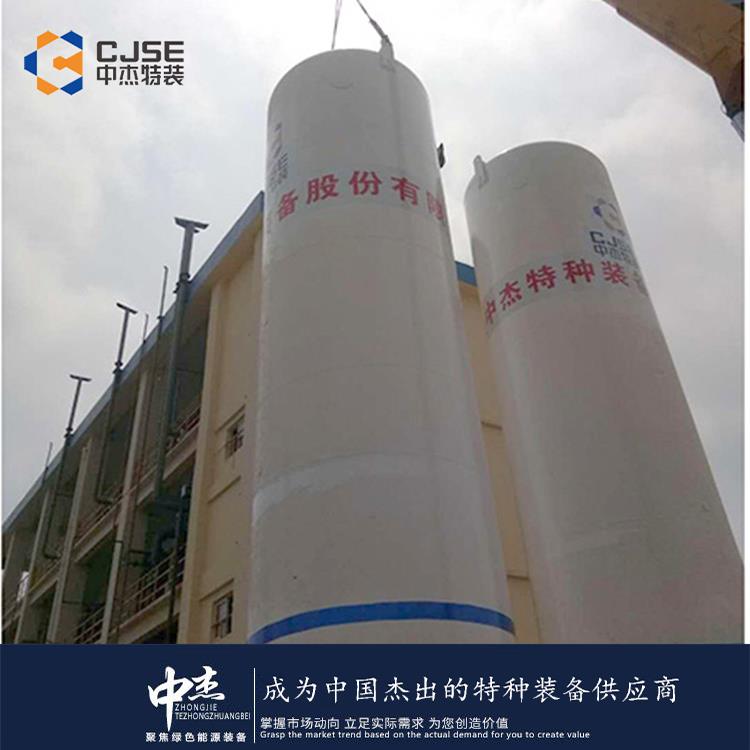
When using carbon dioxide storage tanks, pay attention to the following aspects:
- Safe Operation: Adhere to relevant safety operation procedures and standards, ensuring operators have the necessary safety knowledge and skills. When using the tank, be mindful of safety risks such as leaks, explosions, and fires.
- Tank Pressure Control: Monitor and control the tank's pressure to ensure it remains within a safe range. Avoid exceeding the tank's rated pressure to prevent rupture or leakage.
- Level Monitoring: Regularly monitor the liquid level within the tank to ensure an adequate supply of carbon dioxide. Avoid overfilling or underfilling to maintain an appropriate level.
- Static Control Measures: Implement static control measures to prevent static buildup and discharge. Use static control equipment and tools to ensure safety during operations.
- Tank Maintenance: Regularly inspect and maintain the tank, including the exterior, valves, and fittings. Ensure the tank is intact and prevent leaks and damage.
- Waste Gas Management: Handle the waste gases produced by the carbon dioxide storage tank to avoid environmental pollution. Take appropriate waste gas management measures, such as collecting and treating the waste gases.
- Storage Records: Document the tank's usage, including filling dates, quantities, and inspection records. Regularly conduct tank inspections and maintenance, and retain relevant records.
- Training and Awareness: Train operators to enhance their awareness and ability to safely operate carbon dioxide tanks. Conduct regular safety training and drills to respond to emergencies.
- Note: The above are common precautions, and specific considerations may vary depending on tank type and application. When using carbon dioxide storage tanks, operate according to relevant specifications and standards, and consult with experts to ensure safety and effectiveness.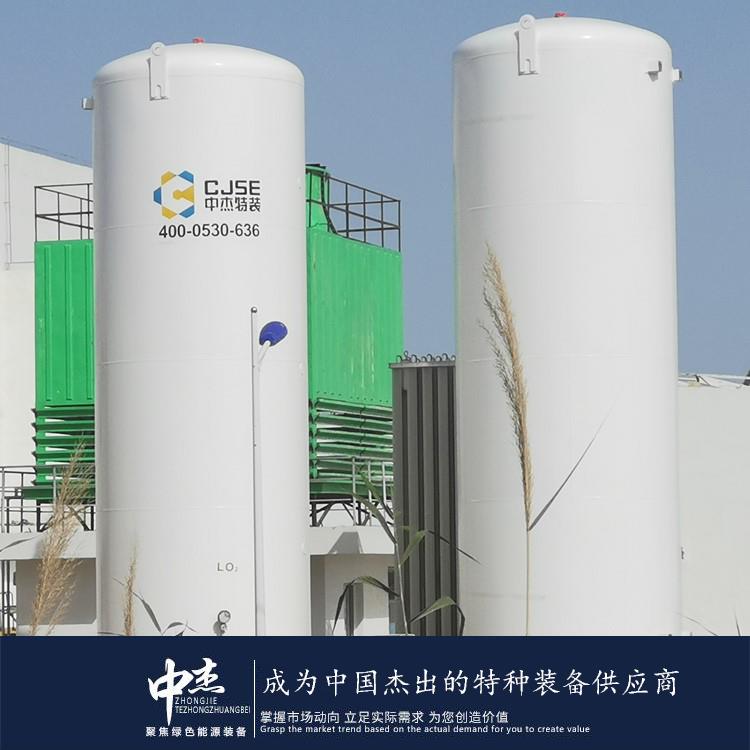
Carbon dioxide storage tanks are equipment used for storing and supplying carbon dioxide gas, with the following parameters, functions, and features:
Parameters:
- Capacity: The capacity of carbon dioxide storage tanks can be customized to meet requirements, typically expressed in volume of liquid carbon dioxide, such as kiloliters or cubic meters.
- Pressure: The internal pressure of the tank is usually controlled within a safe range to ensure the safety of storage and supply.
- Temperature: Carbon dioxide storage tanks usually need to be maintained at low temperatures to maintain the liquid state of carbon dioxide.
Functions:
- Storage: Carbon dioxide storage tanks can compress carbon dioxide gas into a liquid state, achieving high-density storage and saving space and costs.
- Supply: Carbon dioxide within the tank can be supplied to the required fields through pipelines or other means, such as the food and beverage industry, various sectors, and fire extinguishing.
Features:
- Environmental and Renewable: Carbon dioxide is an environmentally friendly gas. By storing and utilizing carbon dioxide, its emission into the atmosphere can be reduced, achieving environmental protection and sustainable development.
- Safe and Reliable: During the design and manufacturing process, carbon dioxide storage tanks are usually made of high-strength materials with good pressure resistance and safety. The tank is equipped with safety valves, pressure gauges, and other accessories to ensure safe operation.
- Multiple Applications: Carbon dioxide storage tanks are widely used in the food and beverage industry, various sectors, fire extinguishing, and other fields. Carbon dioxide can be used as a food preservative, beverage effervescent agent, gas, fire extinguisher, etc., with broad applications and market demand.
In summary, carbon dioxide storage tanks have the characteristics of high-density storage, safety and reliability, environmental and renewable, and multiple application fields, making them an important equipment for storing and supplying carbon dioxide gas.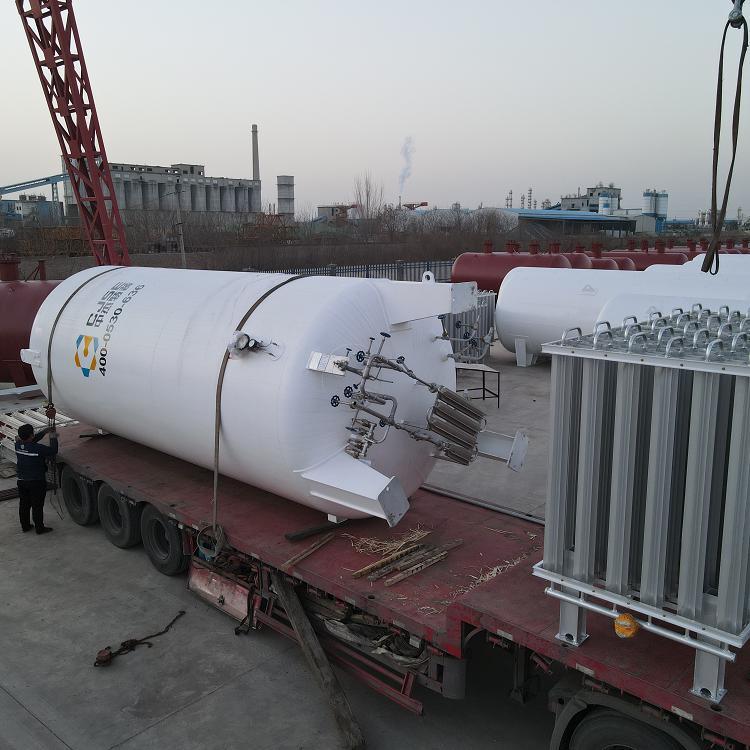
Carbon dioxide is widely used as a shielding gas in metal welding processes. Here are the main applications of carbon dioxide in welding:
Gas Metal Arc Welding (GMAW): Carbon dioxide is commonly used as a shielding gas in the GMAW welding process. In GMAW welding, the arc generates high temperatures in the welding area, which can also cause oxidation reactions with oxygen and water vapor, leading to a decrease in weld quality. By injecting carbon dioxide gas into the welding area, a protective atmosphere is formed, preventing oxygen and water vapor from entering, thereby improving the quality and strength of the weld.
Mixed Gas Shielding Welding (GMAW): Carbon dioxide is also often mixed with other gases (such as argon) to form mixed gas shielding welding. The use of mixed gases can adjust the arc stability, molten pool formation, and weld quality during the welding process, enhancing the welding results.
Gas Shielded Brazing: Carbon dioxide can also be used in gas shielded brazing processes. During brazing, the carbon dioxide gas provides a protective atmosphere, preventing oxidation and contamination in the brazing area, ensuring the quality of the brazed joints.
Gas Shielded Cutting: Carbon dioxide can also be used in gas shielded cutting processes. In gas shielded cutting, by injecting carbon dioxide gas into the cutting area, a protective atmosphere is formed, preventing oxidation and contamination, and improving the quality and speed of the cutting.
It is important to note that the application of carbon dioxide in welding needs to be adjusted and optimized according to specific welding materials, methods, and requirements. When using carbon dioxide for welding, it is necessary to follow relevant safety operation procedures and guidelines to ensure the safety and quality of the welding process.
Shandong Zhongjie Special Equipment, welcome customers to our factory for business discussions.
WeChat Official Account

Scan to follow Official Account



















