


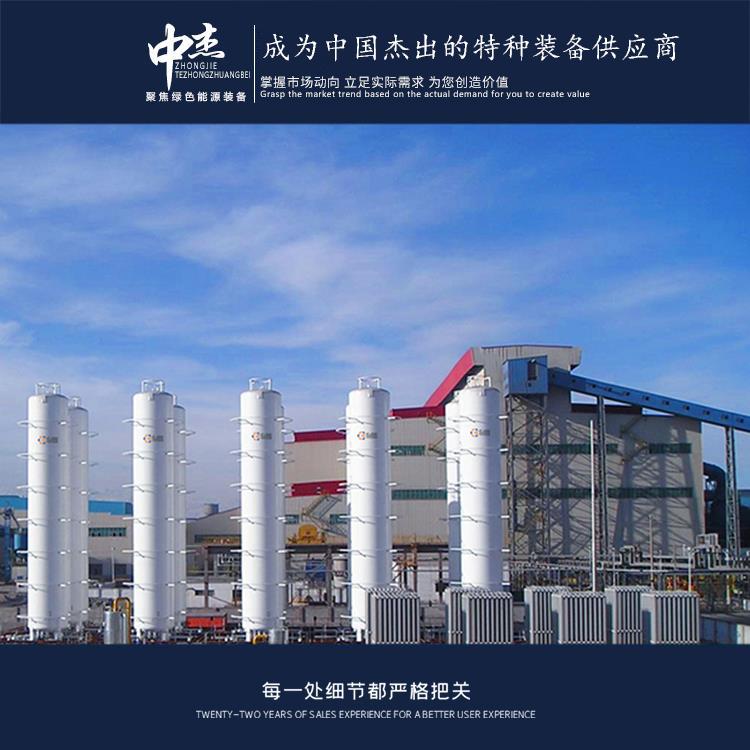

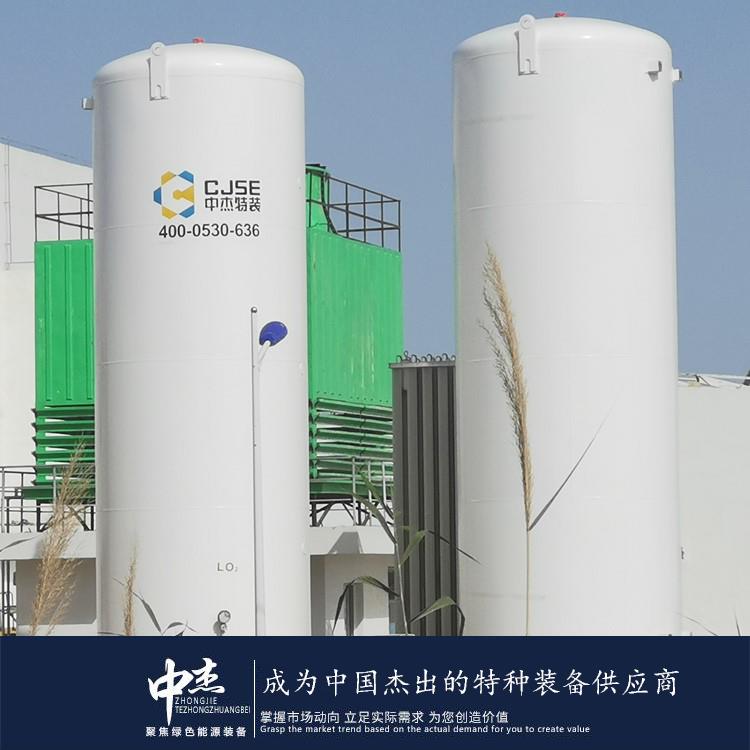
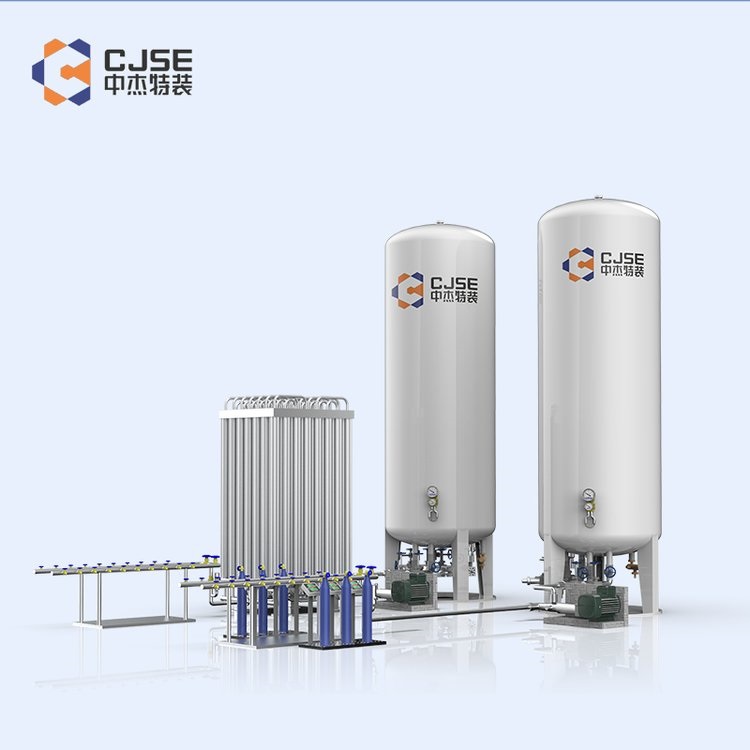


















Shandong Zhongjie Special Equipment (formerly Heze Boiler Factory Co., Ltd.) was established in 2001, located at No. 2218 Jinnan Road, Development Zone, Heze City, with a registered capital of 50 million yuan and total assets of 500 million yuan. The company has 7 business centers: boilers, deep-freeze containers, pressure vessels, central air conditioning, engineering installation, international trade, and Internet of Things. It has three factory sites on Jinnan Road, East Changjiang Road, and Bohai Road, covering a total of 200,000 square meters, with the main workshop spanning 83,000 square meters. It currently employs 710 people, including 247 engineers and technicians and 82 intermediate-level technicians. In December 2016, it was recognized as a "High-Tech Enterprise" by the Science and Technology Department. In June 2021, it was identified as a "Specialized and New Enterprise in Shandong Province" by the Ministry of Industry and Information Technology. In June 2022, it was recognized as a "Gazelle Enterprise in Shandong Province" and in August 2022, as a "Specialized and New Small Giant Enterprise" by the Ministry of Industry and Information Technology.
Consider the following aspects to distinguish the quality of liquid nitrogen tanks:
Material: Liquid nitrogen tanks are commonly made of high-strength, corrosion-resistant materials such as stainless steel or aluminum alloy. These materials offer excellent corrosion resistance and mechanical strength, ensuring long-term stable operation of the tank.
Sealing: The liquid nitrogen tank should have good sealing performance to effectively prevent leakage of liquid nitrogen. The valves, pipe connections, and other parts of the tank should be designed reasonably to ensure reliable sealing.
Insulation: Liquid nitrogen tanks should have excellent insulation properties to minimize evaporation loss. The insulation layer of the tank should use materials like polyethylene foam to reduce heat conduction and evaporation loss.
Safety: The liquid nitrogen storage tank should have excellent safety performance, including equipped with safety valves, pressure gauges, and other safety devices, as well as featuring fire and explosion prevention functions. The design and manufacturing of the tank should comply with relevant safety standards and regulations.
Service Life: Liquid nitrogen tanks generally have a long service life and can withstand prolonged use and transportation. The manufacturer and reputation are also significant factors in assessing the service life.
Price and After-Sales Service: The price of liquid nitrogen tanks should be reasonable, and excellent after-sales service is provided. Choosing manufacturers or suppliers with a good reputation and reliable after-sales service ensures access to high-quality products and technical support.
Considering these factors, one can differentiate between the strengths and weaknesses of liquid nitrogen tanks. When selecting a liquid nitrogen tank, it is recommended to choose one that meets the actual requirements and usage environment to ensure safe and reliable storage of liquid nitrogen.
The filling of a low-temperature liquid nitrogen tank refers to the process of transferring liquid nitrogen from an external supply source into the tank. Below is an explanation of the filling process for low-temperature liquid nitrogen tanks:
Preparation: Before filling the liquid nitrogen tank, thorough preparation is required. This includes inspecting the tank's condition and safety, ensuring the interior is clean, free of impurities, and contaminants. Additionally, check the quality of the liquid nitrogen supply source and the safety of the supply pipeline.
Connect supply source: Link the liquid nitrogen supply source to the liquid outlet of the tank. Ensure the connection is securely fastened to prevent leaks.
Control Liquid Level: During the bottling process, it is necessary to control the liquid nitrogen level to prevent overfilling or overflow. A liquid level gauge or a liquid level control system can be used to monitor and control the level.
Slow Injection: The injection of liquid nitrogen should be slow to prevent rapid vaporization and increased pressure. Appropriate valves and flow control devices can be used to regulate the injection rate.
Monitor Pressure: During the canning process, it is necessary to monitor the pressure of the storage tank to ensure it remains within a safe range. Pressure gauges or pressure sensors and other equipment can be used for monitoring.
Canning completed: Stop injecting liquid nitrogen when the liquid level reaches the predetermined filling amount or the tank's capacity limit. Disconnect from the supply source and ensure the sealing integrity of the filling port.
Safe Operation: Throughout the canning process, relevant safety regulations and operational guidelines must be adhered to. Liquid nitrogen is highly flammable and at low temperatures; operators should wear appropriate personal protective equipment and ensure the operation environment is free of ignition sources.
When bottling liquid nitrogen, be mindful of its low-temperature properties and safety. Ensure safe operation and control during the bottling process to guarantee the safe operation of the storage tank and effective storage of the liquid nitrogen.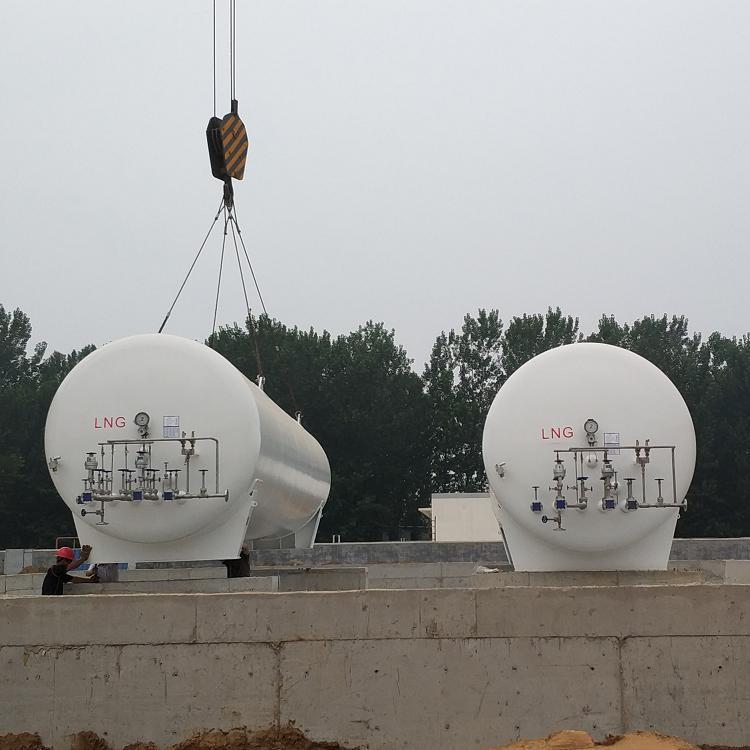
The safety distance for liquid oxygen storage tanks refers to the required distance around the tank to ensure the safety of personnel and equipment. Specific safety distance requirements may vary depending on the region and application, and the following are some common principles:
- Buildings and Equipment: Liquid oxygen tanks should maintain a certain safety distance from buildings, equipment, and other storage tanks to prevent the spread of fires, explosions, and leaks. The exact safety distance should be assessed and determined according to local regulations and standards.
- Ignition and Heat Sources: Liquid oxygen is highly oxidizing and can easily cause fires and explosions. Therefore, liquid oxygen tanks should be kept at a sufficient distance from ignition sources, heat sources, and flammable materials to prevent fires and explosions.
- Ventilation and Exhaust: Good ventilation and exhaust should be maintained around liquid oxygen storage tanks to prevent the accumulation of evaporated oxygen and the formation of explosive mixtures. The design and operation of the ventilation and exhaust systems should comply with relevant safety standards and regulations.
- Personnel and Traffic: Personnel and traffic around liquid oxygen storage tanks should be restricted and controlled to ensure personnel safety and the normal operation of the tank. Warning signs, safety fences, and restricted areas should be established to prevent unauthorized access to the tank area.
It should be noted that the safety distance for liquid oxygen storage tanks should be assessed and determined based on the specific application and safety requirements. When designing, installing, and operating liquid oxygen storage tanks, relevant regulations, standards, and safety guidelines should be followed to ensure the safety and reliability of the tank.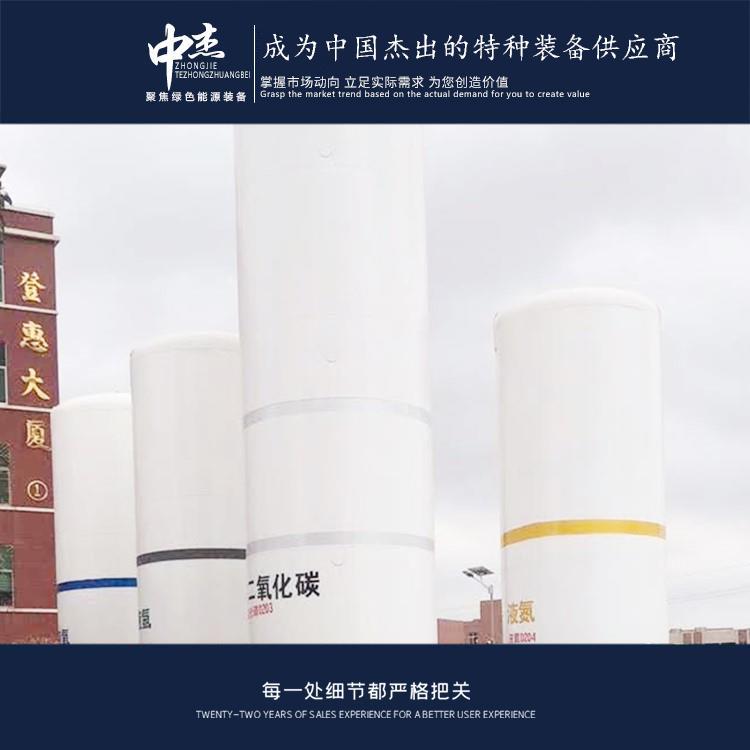
The safe operation of low-temperature liquid storage tanks is primarily crucial in the following aspects:
Tank design and material selection: The tank design must comply with relevant safety standards and regulations, capable of withstanding the pressure and temperature of low-temperature liquids. Select suitable materials, such as stainless steel, aluminum alloy, etc., to ensure the tank's corrosion resistance and low-temperature performance.
Insulation and Protection Measures: Low-temperature liquid storage tanks should be equipped with effective insulation to minimize heat transfer and evaporation of the liquid. The selection and installation of the insulation should comply with relevant standards and requirements. Additionally, protective measures such as anti-freezing and explosion-proof measures should be implemented to ensure the safe operation of the tank.
Pressure Control and Safety Valves: Low-temperature liquid storage tanks should be equipped with a reliable pressure control system and safety valve to ensure the pressure inside the tank remains within a safe range. The pressure control system should be capable of promptly detecting and adjusting the pressure inside the tank to prevent risks associated with either excessive or insufficient pressure.
Leak and Fire Protection: Low-temperature liquids are highly flammable, so measures should be taken to prevent leaks and fires. Storage tanks and related pipelines must have good sealing properties and should be regularly inspected and maintained to prevent leaks. Additionally, appropriate fire protection equipment and fire extinguishing materials should be provided to address fire risks.
Safety Operation and Training: Operators must undergo relevant safety training, familiarize themselves with the safe operation procedures and emergency response measures for low-temperature liquid storage tanks. Adhere to the correct operational steps to ensure safe operation.
Regular inspections and
Our company places great importance on technological innovation and R&D design, boasting 1 city-level enterprise technology center in Heze City. We have established testing facilities for non-destructive testing, physical and chemical testing, welding testing, hydrostatic testing, and more. We are equipped with over 600 types of equipment, including CNC machine tools, X-ray flaw detectors, digital ultrasonic flaw detectors, mechanical property testing machines, chemical analyzers, spectrometers, tensile testing machines, plasma welding machines, and others. The key products and technologies we have developed, such as welding for temperature-pressure vessels, emission reduction for biomass boilers, and waste heat recovery, have successively been selected for multiple Shandong Provincial Department of Industry and Information Technology science and technology innovation projects, Shandong Provincial key projects, and Heze City innovative and excellent projects. We have accumulated 27 authorized utility model patents, 16 authorized invention patents, participated in drafting 2 standards, 2 industry standards, and registered 15 trademarks. Our technical team, in collaboration with Professor Yijiang Li from Shandong University, has developed deep cryogenic container processing technology using the international plasma arc + wire-filled tungsten inert gas arc (PAW-GTAW) technique, which has been appraised at the provincial level for its scientific and technological achievements, reaching an international level in the field of deep cryogenic container manufacturing. Choose Zhongjie Special Equipment, and let's create brilliance together!
WeChat Official Account

Scan to follow Official Account



















