


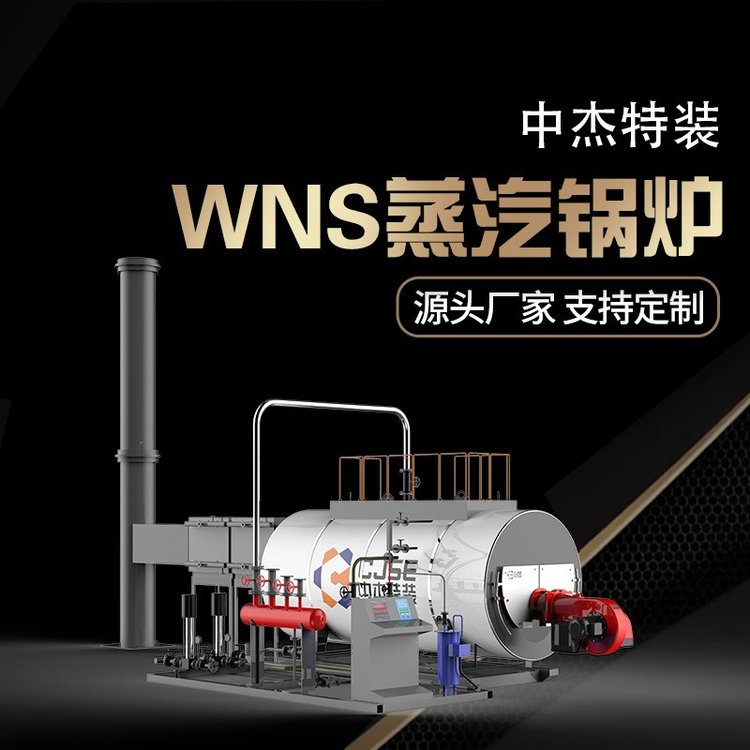

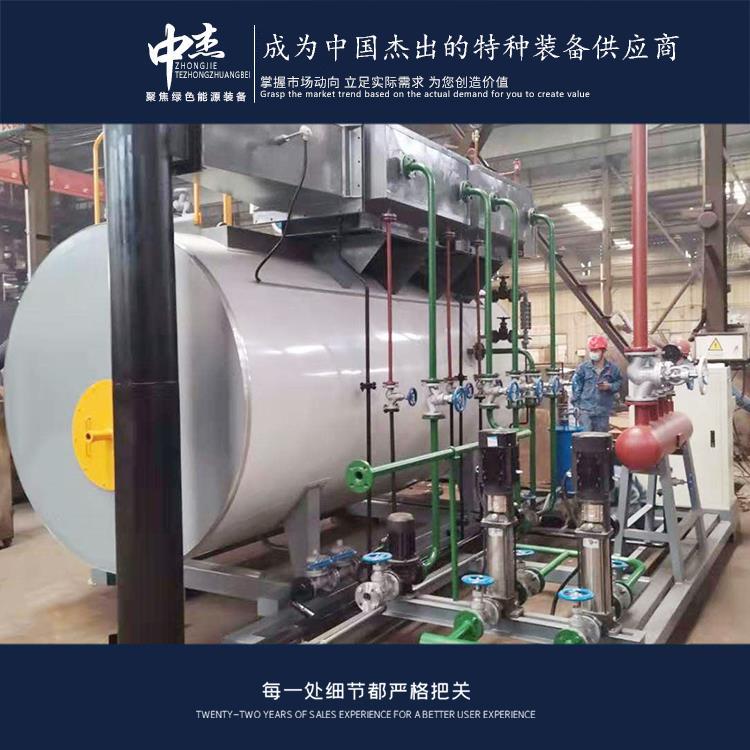
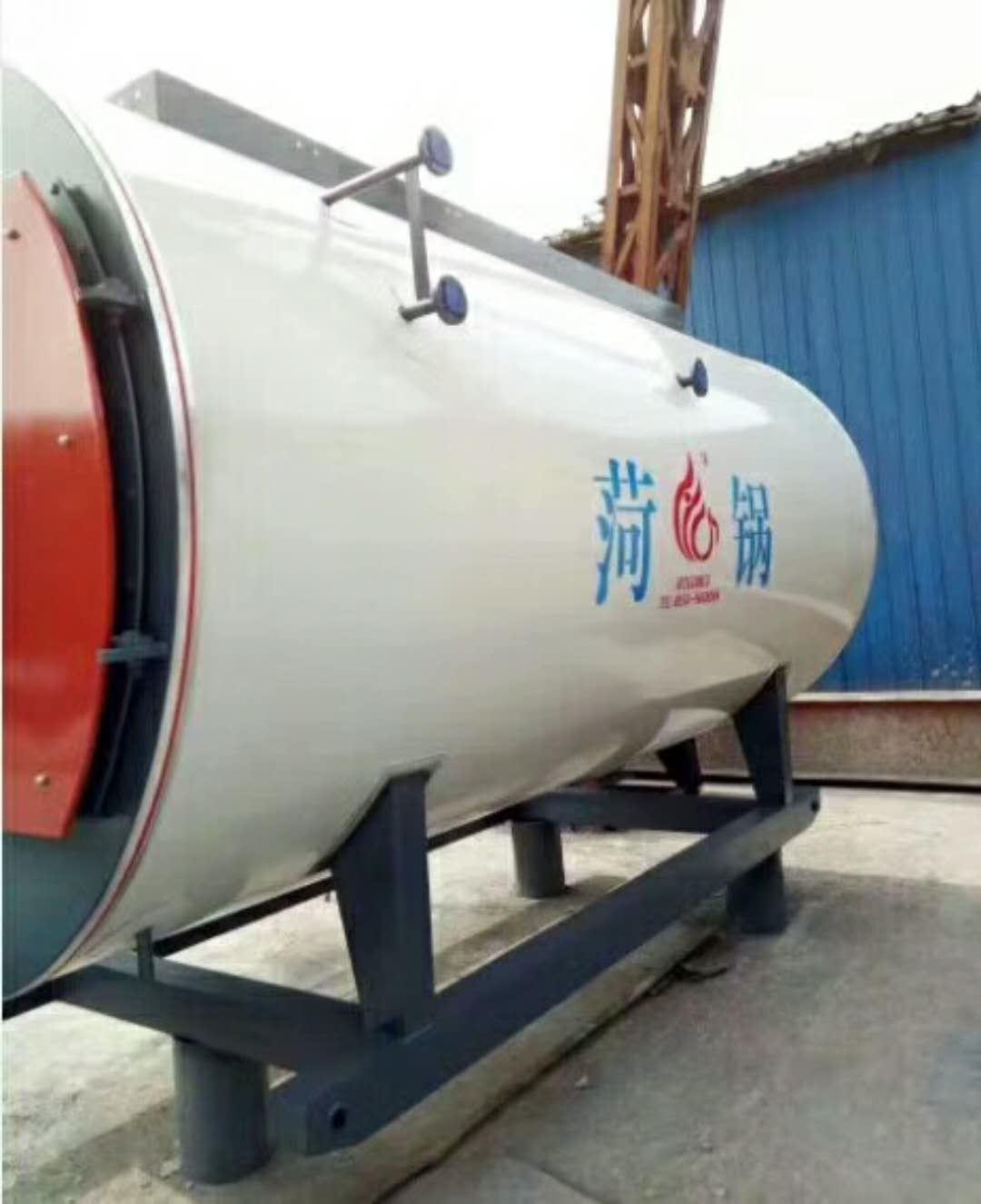


















Shandong Zhongjie Special Equipment Co., Ltd. (formerly Heze Boiler Factory Co., Ltd.) holds an A-grade boiler manufacturing license, A2-grade pressure vessel manufacturing license, A2-grade pressure vessel design license, B-grade boiler installation, and GB2/Class, GC2/Class pressure pipeline installation licenses, as well as mechanical and electrical equipment installation contracting qualifications. It is a member of the China Boiler and Water Treatment Association, the China Chemical Equipment Association, and a council member of the Shandong Equipment Manufacturing Association. The company has also passed the ISO9001 Quality Management System, ISO14001 Environmental Management System, OHSAS18001 Occupational Health and Safety Management System certifications, and the U.S. ASME/U2 certification.
Gas boiler temperature control methods usually include the following:
Manual Adjustment: The temperature of a gas boiler can be controlled manually by operating valves or regulators. Adjust the valve opening or regulator settings as needed to achieve the desired temperature.
Automatic Adjustment: Gas boilers can be equipped with an automatic control system that utilizes sensors and controllers for automatic temperature regulation. Sensors detect the boiler's temperature and send signals to the controller, which then automatically adjusts the gas supply and burner status to maintain the set temperature within the specified range.
Proportional Control: The temperature regulation of a gas boiler can also be done through proportional control. By adjusting the valve or regulator opening, proportional adjustments are made based on temperature changes, maintaining a certain proportion between the gas supply and burner status and the temperature.
PID Control: PID control is a commonly used temperature regulation method. The PID controller adjusts the gas supply and burner status based on temperature deviations, rates of change, and integral values to achieve temperature control.
Note that different gas boilers may use different temperature control methods, and the specific methods and operation procedures should be determined according to the boiler model and control system. When adjusting the temperature, follow safety operating procedures to ensure the boiler operates normally and safely.
1-ton gas-fired steam boiler's gas consumption over a year is dependent on various factors, including the boiler's efficiency, load conditions, and operating hours. Generally, it can be estimated using the following formula: Gas Consumption (m) = Boiler Efficiency × Rated Thermal Power × Operating Hours. Here, boiler efficiency refers to the boiler's thermal energy utilization efficiency, typically expressed as a percentage; rated thermal power is the boiler's rated thermal output, usually in kilowatts (kW); and operating hours are the boiler's running time, typically measured in hours. It's important to note that the boiler's efficiency and rated thermal power can be determined based on the specific model and parameters of the boiler, while operating hours need to be estimated based on actual usage. Therefore, to accurately calculate the 1-ton gas-fired steam boiler's annual gas consumption, it is recommended to refer to the technical specifications and operating records of the boiler, or consult the boiler manufacturer or engineer.
Converting a standard boiler to a gas boiler can significantly enhance energy utilization efficiency and energy-saving effects. Here's some insight into the energy-saving efficiency of switching to a gas boiler: High combustion efficiency: Gas boilers use gas as fuel and generally have higher combustion efficiency. Compared to traditional coal or oil-fired boilers, gas boilers can achieve a higher combustion efficiency, reducing energy waste. Low emissions: Gas boilers emit less exhaust during combustion, causing less environmental pollution. The combustion technology and emission control devices used in gas boilers typically effectively reduce emissions of harmful substances like nitrogen oxides. Fast startup and shutdown: Gas boilers can start and stop quickly, allowing for flexible adjustments based on actual needs. Compared to coal-fired boilers, gas boilers have shorter startup and shutdown times, avoiding prolonged preheating and cooling processes and reducing energy waste. High thermal efficiency: Gas boilers usually have high thermal efficiency, achieving a high conversion rate of thermal energy. The heat exchange technology and energy-saving design of gas boilers maximize the use of the heat energy from gas, improving heating effectiveness. Intelligent control and management: Gas boilers often come with intelligent control systems that can automatically adjust operating states based on actual needs. Through controlled and regulated adjustments, gas boilers can ensure stable heating and avoid unnecessary energy waste. It's important to note that switching to a gas boiler requires considering the reliability and safety of the gas supply, as well as the suitability and installation requirements of the boiler. Before making any modifications, it is recommended to consult engineers or relevant agencies to ensure
Properly utilizing fuel-gas boilers can enhance energy efficiency and reduce consumption. Here are some suggestions:
1. Select the right boiler model: Choose a suitable fuel-gas boiler model based on actual needs, considering factors like heat load, fuel type, and combustion efficiency.
2. Regular inspection and maintenance: Conduct regular checks and maintenance to ensure the boiler operates smoothly. This includes cleaning burners, inspecting the combustion system, adjusting parameters, and promptly repairing or replacing damaged parts.
3. Control the combustion process: Manage the combustion process effectively to ensure complete, stable, and efficient burning. Adjust parameters like air flow and fuel supply to improve efficiency and minimize waste.
4. Heat recovery: Utilize heat recovery systems to capture and reuse excess heat from flue gases, for heating water or other thermal processes, to boost energy efficiency.
5. Control operating parameters: Manage the boiler's operating parameters, such as water level, pressure, and temperature, based on actual needs and conditions. Avoid extreme parameters to enhance efficiency and safety.
6. Regularly clean heat exchangers: Clean the boiler's heat exchangers regularly to remove dirt and sediment, maintaining their thermal conductivity and reducing energy loss.
7. Energy management: Establish an energy management system, monitor and analyze consumption, and develop reasonable usage plans and energy-saving measures to improve efficiency and reduce consumption.
These are common methods and suggestions, but specific application should be determined based on actual conditions and boiler characteristics. Also, adhere to relevant laws, regulations, and safety procedures to ensure safe operation of fuel-gas boilers.
Shandong Zhongjie Special Equipment, welcome customers to our factory for business talks.
WeChat Official Account

Scan to follow Official Account



















