


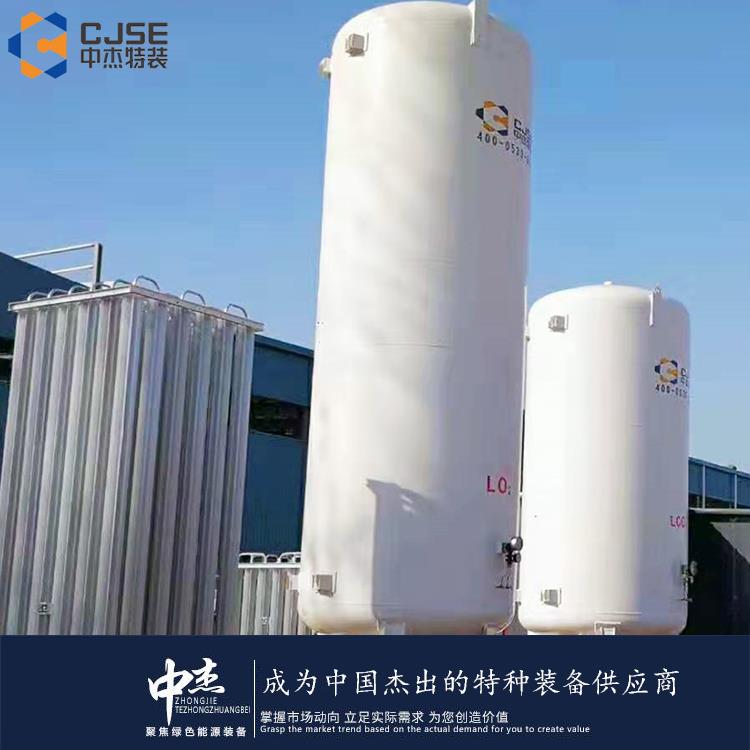

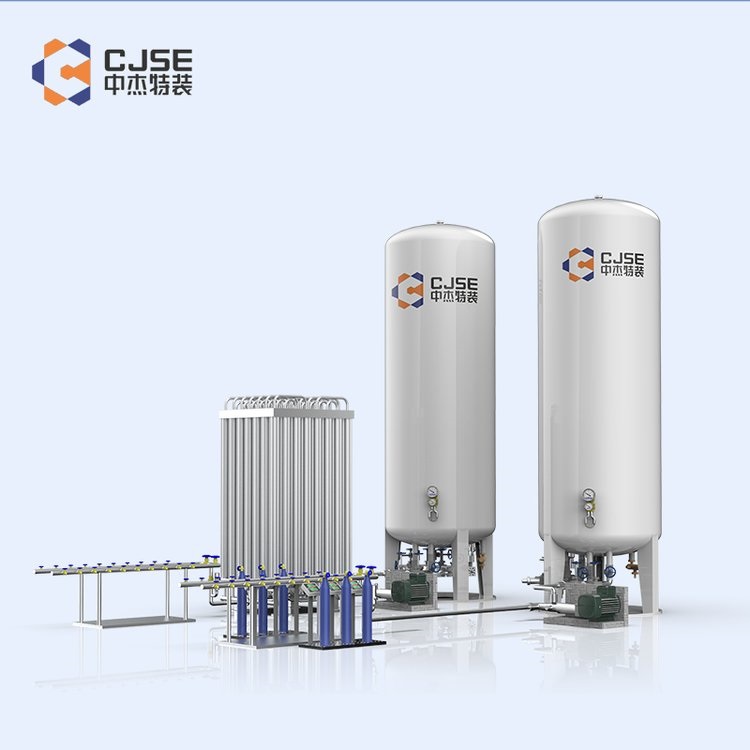
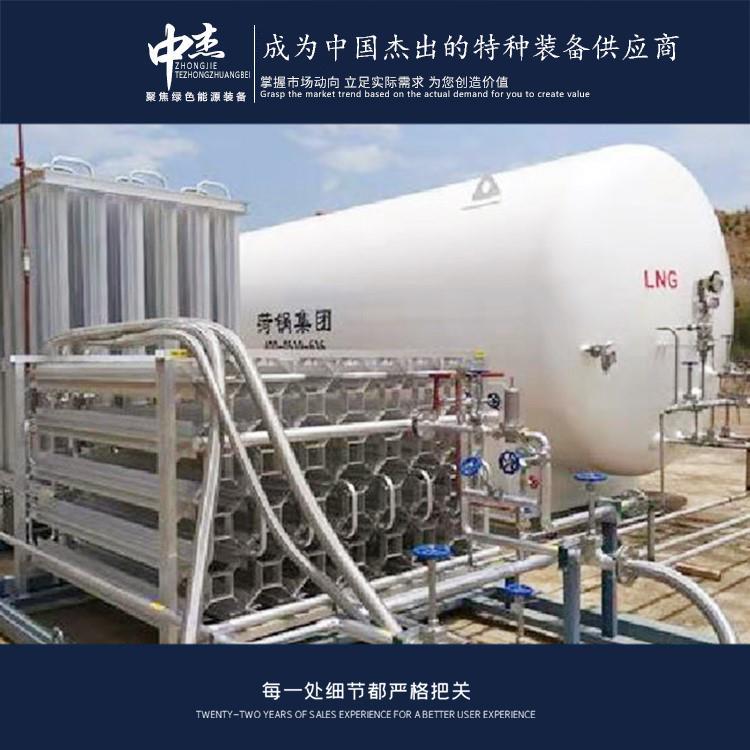


















Shandong Zhongjie Special Equipment (formerly Heze Boiler Factory Co., Ltd.) holds an A-grade boiler manufacturing license, an A2-grade pressure vessel manufacturing license, an A2-grade pressure vessel design license, a B-grade boiler installation license, and GB2/Class, GC2/Class pressure pipeline installation licenses, as well as a mechanical and electrical equipment installation contracting qualification. It is a member of the China Boiler and Water Treatment Association, the China Chemical Equipment Association, and the council member of the Shandong Equipment Manufacturing Association. The company has also passed the ISO9001 Quality Management System, ISO14001 Environmental Management System, OHSAS18001 Occupational Health and Safety Management System certifications, and the American ASME/U2 certification.
Nitrogen charging of liquid nitrogen tanks refers to the process of injecting nitrogen gas into the tank to increase the nitrogen concentration and pressure inside, in order to meet certain safety requirements and operational objectives. Here are some precautions to consider when nitrogen charging liquid nitrogen tanks:
Safety Operation: Prior to conducting nitrogen charging operations on liquid nitrogen tanks, it is mandatory to ensure that the operators possess relevant safety knowledge and skills. Operators should wear appropriate personal protective equipment, such as safety goggles, gloves, and protective clothing.
Nitrogen Quality: Utilize high-purity nitrogen for inerting operations to ensure the quality and purity of the nitrogen. Low-purity nitrogen may contain impurities or oxygen, which could adversely affect the liquid nitrogen within the storage tank.
Nitrogen flushing speed control: During the nitrogen flushing process, the speed of flushing should be controlled to avoid being too fast or too slow. Too fast a flushing speed may lead to excessive internal pressure in the tank, while too slow a flushing speed may result in extended flushing time.
Pressure Monitoring: During the nitrogen charging process, the internal pressure of the tank should be monitored regularly. Ensure that the internal pressure of the tank remains within the safe range and adjust as necessary.
Temperature Control: During the nitrogen charging process, attention should be given to controlling the temperature of the storage tank. The low temperature of liquid nitrogen can lead to condensation and dew on the storage tank and pipelines. Appropriate measures, such as heating or insulation, should be taken to prevent condensation and dew from occurring.
Post-nitrogen flushing treatment: After the nitrogen flushing operation is completed, the flushing unit should be promptly shut off, and the tank should be inspected and cleaned. Ensure there is no residual nitrogen or impurities inside the tank.
Note: Nitrogen charging operations for liquid nitrogen tanks must be strictly adhered to the relevant safety standards.
Proper management regulations for the use of low-temperature liquid storage tanks encompass the following aspects:
Tank Selection and Installation: Choose an appropriate low-temperature liquid storage tank and ensure it complies with relevant standards and regulations. The installation of the tank should be carried out by personnel and operated according to the manufacturer's instructions and requirements to ensure stability and safety.
Safety Operating Procedures: Establish and implement safety operating procedures for liquid storage tanks, including startup, shutdown, filling, and venting procedures. Operators must receive training to understand the characteristics of liquid storage tanks, safety precautions, and emergency response measures.
Safety Equipment and Protective Measures: Tanks should be equipped with necessary safety devices, such as pressure sensors, safety valves, and leak detectors, to monitor and control the tank's pressure and temperature. Operators should also wear appropriate personal protective equipment, like insulated gloves and protective suits, to ensure their safety.
Regular Inspections and Maintenance: Conduct regular checks and maintenance on low-temperature liquid storage tanks, including examining the tank's appearance, sealing, and corrosion prevention measures. In case of any issues, address or replace the tank promptly to ensure proper operation and safety.
Waste Management: Abandoned low-temperature liquid storage tanks should be disposed of in accordance with relevant environmental protection regulations. The residual liquids in the abandoned tanks should be handled properly to prevent environmental pollution.
Tank Records and Tracking: Establish tank usage records, including filling dates, quantities, and usage status. Additionally, it is recommended to set up a tank tracking system for monitoring and managing tank usage and maintenance.
The above outlines some common regulations for managing low-temperature liquid storage tanks. Specific regulations may vary depending on the industry and region. When using low-temperature liquid storage tanks, adhere to relevant laws and standards and establish appropriate management measures based on the actual situation.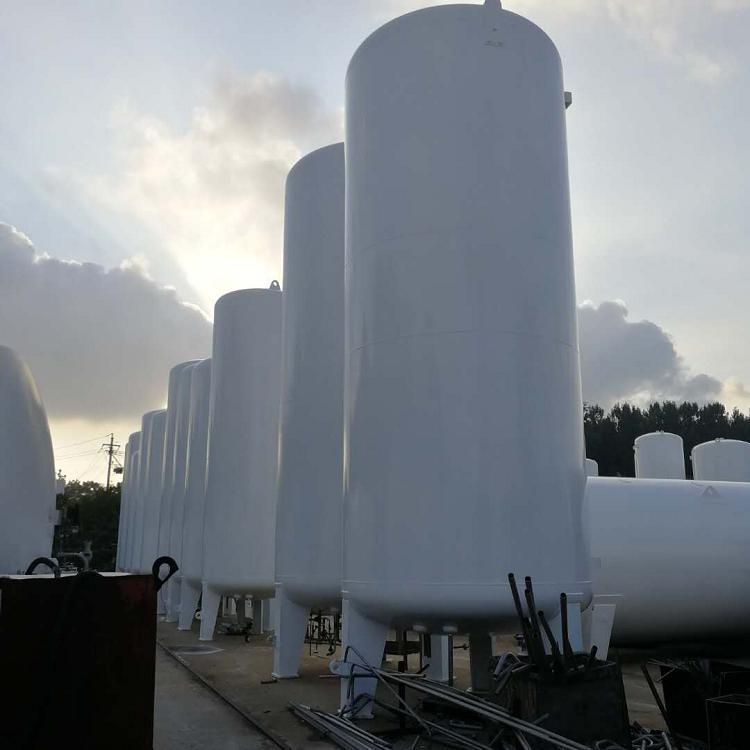
The testing and maintenance operations for liquid oxygen storage tanks encompass the following aspects:
Visual Inspection: Conduct regular visual inspections of the liquid oxygen storage tank, checking for issues such as corrosion, wear, and leakage on the tank surface to ensure its exterior integrity.
Pressure Testing: Regularly conduct pressure tests on liquid oxygen tanks to assess their pressure resistance. Tests should be conducted in accordance with relevant standards and regulations to ensure the tank can withstand the designed working pressure.
Leak Detection: Regularly conduct leak detection on liquid oxygen tanks, including using leak detection equipment to inspect the tanks, to ensure their sealing performance is good and there are no leak issues.
Cleaning and Coating Protection: Regularly clean and coat liquid oxygen tanks to prevent corrosion and oxidation. Use appropriate cleaning agents during cleaning and avoid substances that react with liquid oxygen. Corrosion-resistant coatings or protective coatings can be applied for coating protection.
Regular Maintenance: Perform regular maintenance on liquid oxygen tanks, including inspections and replacement of seals, valves, safety devices, etc., to ensure proper operation and safety.
Safety Training and Operating Procedures: Conduct safety training for personnel using liquid oxygen storage tanks to ensure they are familiar with the safety operating procedures and precautions, to prevent operational errors and accidents.
Record and Document Management: Establish testing and maintenance records for liquid oxygen storage tanks, including test results, maintenance logs, and repair records, for traceability and management purposes.
It's important that testing and maintenance of liquid oxygen tanks be conducted by trained personnel, adhering to relevant safety operating procedures and standards. Additionally, a specific testing and maintenance plan should be developed based on the tank's condition and usage requirements, and executed according to the plan.
Liquid nitrogen tanks are widely used in meat freezing. Here are several main applications of liquid nitrogen tanks in meat freezing:
Rapid Freezing: Liquid nitrogen tanks can provide low temperatures to quickly freeze meat to the required temperature. Due to the low-temperature characteristics of liquid nitrogen, meat temperatures can be rapidly reduced in a short period, effectively preserving the quality and texture of the meat.
Chilled Storage: Liquid nitrogen tanks are suitable for long-term frozen storage of meat products. Placing meat in a liquid nitrogen tank maintains it at low temperatures, preventing the growth of bacteria and microorganisms, thereby extending the shelf life of the meat.
Chilled Transport: Liquid nitrogen tanks are suitable for the frozen transportation of meat products. Placing the meat in a liquid nitrogen tank maintains its低温 condition, ensuring the quality and freshness of the meat throughout transportation.
Chilled Processing: Liquid nitrogen tanks are suitable for meat chilling. By exposing meat to liquid nitrogen, the surface of the meat can be rapidly frozen, forming a frozen layer, thereby preserving the meat's moisture and nutritional content.
Chilled Processing: Liquid nitrogen tanks are suitable for meat chilling processing. Placing meat in liquid nitrogen makes it harder and crisper, facilitating cutting, slicing, and processing.
Be mindful that when using liquid nitrogen tanks for meat freezing, it's crucial to adhere to the relevant safety operation procedures and guidelines. Ensure that operators possess the necessary safety awareness and operational skills to prevent accidental incidents. Additionally, consult the food safety regulations and standards.
ZJ Special Equipment adheres to the great vision of "realizing employees' dreams, creating customer value, and striving for the prosperity and strength of our motherland," and is dedicated to the development of the green energy equipment industry. We offer products and services with high cost-performance to contribute to society!
WeChat Official Account

Scan to follow Official Account



















