


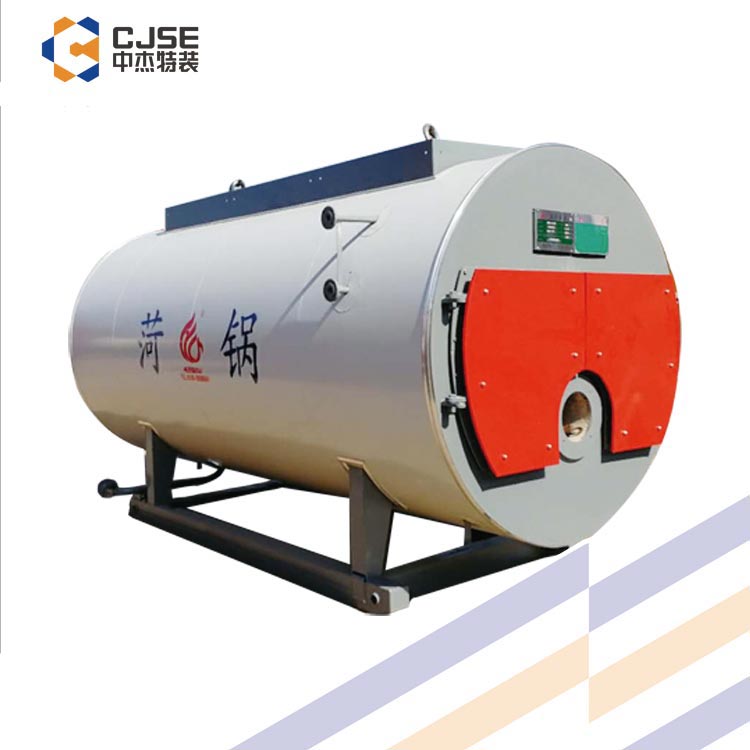

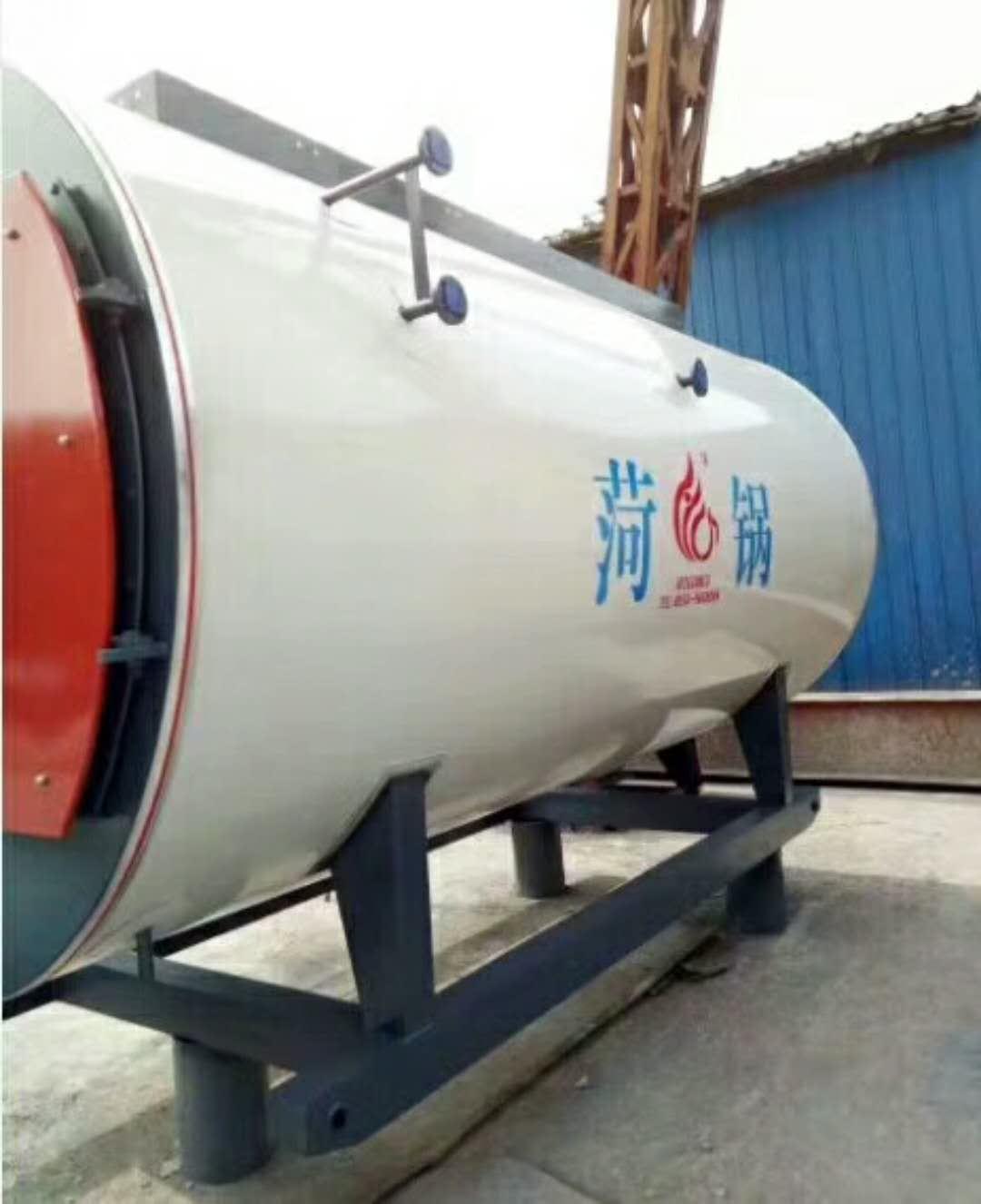
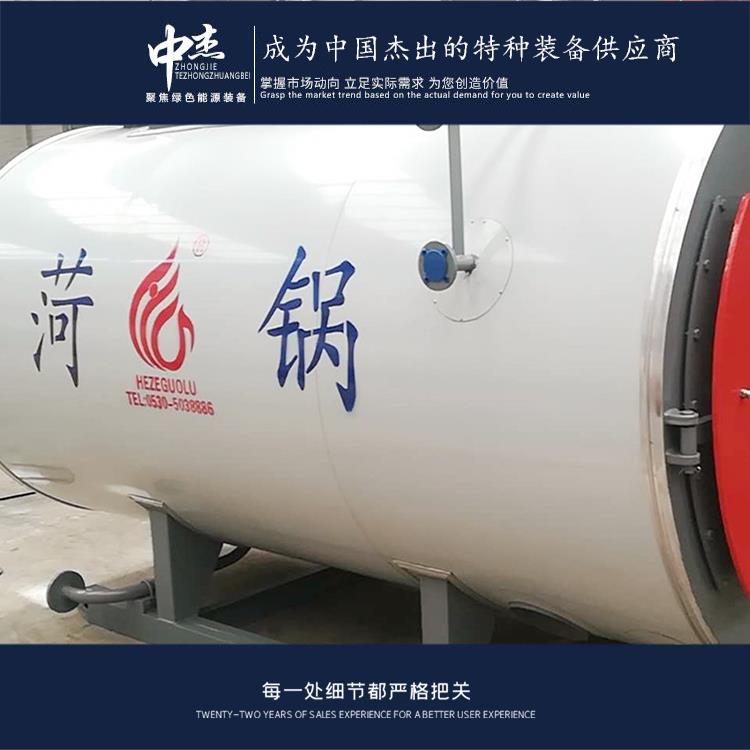


















Shandong Zhongjie Special Equipment (formerly Heze Boiler Factory Co., Ltd.) was established in 2001, located at No. 2218 Jinnan Road, Development Zone, Heze City. With a registered capital of 50 million yuan and total assets of 500 million yuan, the company has 7 business centers: boilers, deep-freezing vessels, pressure vessels, central air conditioning, engineering installation, international trade, and the Internet of Things. It has three factory sites on Jinnan Road, East Changjiang Road, and Bohai Road, covering a total of 200,000 square meters. The main workshop spans 83,000 square meters. It currently employs 710 staff, including 247 engineers and technicians and 82 intermediate-level technicians. In December 2016, it was recognized as a "High-Tech Enterprise" by the Science and Technology Department. In June 2021, it was identified as a "Specialized and New Enterprise in Shandong Province" by the Ministry of Industry and Information Technology. In June 2022, it was recognized as a "Gazelle Enterprise in Shandong Province" and in August 2022, as a "Specialized and New Small Giant Enterprise" by the Ministry of Industry and Information Technology.
The main benefits of installing expansion tanks in a heat transfer oil furnace are as follows:
- Alleviate thermal expansion and contraction: During operation, the heat transfer oil furnace experiences thermal expansion and contraction due to temperature changes. The expansion tank provides space for the oil to expand, mitigating the impact of thermal expansion and contraction on equipment and pipelines, and preventing stress concentration and equipment deformation caused by it.
- Protect equipment and pipelines: The expansion tank absorbs the expansion and contraction of the heat transfer oil, reducing impact and vibration on equipment and pipelines. This helps extend the lifespan of equipment and pipelines, reducing the frequency of maintenance and replacements.
- Reduce leakage risk: The expansion tank provides a sealed space, minimizing the risk of heat transfer oil leakage. When the oil expands, excess oil can be accommodated through the expansion tank, preventing leaks and environmental pollution.
- Facilitate maintenance and repairs: The presence of an expansion tank makes maintenance and repairs of the heat transfer oil furnace system easier. When equipment or pipelines need to be repaired or replaced, the flow and shutdown of the heat transfer oil can be controlled through the expansion tank, reducing downtime and the difficulty of maintenance.
- In summary, the expansion tank plays a role in alleviating thermal expansion and contraction, protecting equipment and pipelines, reducing leakage risk, and facilitating maintenance and repairs in the heat transfer oil furnace system. It is an important design element that contributes to the safety and reliability of the heat transfer oil furnace system.
When designing a fuel-gas boiler room, the following points should be considered:
Safety Considerations: Ensure the design of the boiler room complies with relevant safety standards and regulations. Account for fire risks and install appropriate firewalls, fire doors, and fire isolation facilities. Ensure good ventilation in the boiler room with suitable ventilation equipment and flue systems to expel harmful gases produced by combustion.
Space and Layout: Plan the space and layout of the boiler room according to the number and size of the boilers. Ensure there is sufficient space for operation, maintenance, and cleaning. Arrange the placement of boilers, fuel storage equipment, flue systems, and piping for ease of operation and maintenance.
Fuel Supply and Storage: Consider the needs for fuel supply and storage. Ensure the safety and reliability of fuel supply pipelines and equipment to avoid leaks and contamination. Plan the capacity and location of fuel storage equipment reasonably to ensure adequate fuel supply and compliance with safety requirements.
Emission and Exhaust Gas Treatment: Consider the exhaust gas emissions and treatment resulting from combustion. Install appropriate flue systems and exhaust gas treatment equipment to minimize the impact of emissions on the environment. Ensure the design and layout of the flue system are reasonable and can effectively expel smoke and exhaust gases.
Control and Monitoring Systems: Design suitable control and monitoring systems to ensure the safety and operation of the boiler. This includes monitoring and control equipment for parameters such as temperature, pressure, and flow, as well as alarm and automatic shutdown devices. Ensure operators can promptly understand the boiler's operating status and take appropriate actions.
To extend the service life of steam boilers, the following measures can be taken:
Regular maintenance: Conduct regular maintenance of the boiler, including cleaning the burners, flues, and heat exchangers, inspecting and replacing worn parts, to ensure normal operation and efficiency.
Water quality control: Maintain good boiler water quality to prevent scale and corrosion damage. Regularly test water quality and take appropriate treatment measures based on test results, such as descaling and replenishing missing chemicals.
Control of combustion process: Reasonably control the combustion process to ensure normal operation and combustion efficiency of the burners. Regularly check the working condition of the burners, adjust combustion parameters, and avoid overheating or underheating issues.
Regular cleaning of flues and heat exchangers: Regularly clean the flues and heat exchangers to remove accumulated soot and dirt, maintain heat exchange efficiency, and avoid overheating and energy loss.
Regular inspection of safety devices: Regularly inspect the boiler's safety devices, including safety valves, pressure switches, and water level controllers, to ensure normal operation and safe operation of the boiler.
Record-keeping and monitoring: Record the boiler's operating parameters, maintenance records, and failure situations, regularly monitor and analyze them, and address issues promptly.
Train operators: Ensure that operators have sufficient knowledge of boiler operation and maintenance, operate and maintain the boiler correctly, and avoid damage caused by operational errors and improper maintenance.
Regular repairs: Based on the boiler's usage and the manufacturer's recommendations, perform regular major repairs and maintenance, replace worn-out parts, and extend the boiler's service life.
These measures can help extend the service life of steam boilers. However, please note that for safety and effectiveness, maintenance and repairs should be carried out by trained personnel.
Proper selection of a thermal oil heater requires considering the following aspects:
1. Thermal Load Requirement: First, determine the thermal load required by the thermal oil heater, i.e., the heat energy needed to be supplied. Establish the rated power and thermal load range of the heater based on actual needs to ensure it can meet the required heat energy supply.
2. Operating Temperature and Pressure: The operating temperature and pressure range of the thermal oil heater must match the actual application scenario. Select the appropriate temperature and pressure range based on process requirements and working environment to ensure stable operation of the heater.
3. Thermal Oil Type: Choose the appropriate type of thermal oil based on process requirements and working environment. Common types include silicone thermal oil, organic thermal oil, and mineral oil thermal oil, each with different operating temperature ranges and performance characteristics. Select according to actual needs.
4. Equipment Quality and Reputation: Select a thermal oil heater supplier with a good reputation and quality. Ensure the manufacturing process and material quality of the heater are reliable, providing stable and reliable operation performance and after-sales service.
5. Safety and Environmental Protection: The safety and environmental protection of the thermal oil heater are important considerations. Choose a heater with safety protection devices and environmental certifications to ensure safety for personnel and equipment during operation.
6. Economy and Energy Efficiency: Consider the economy and energy efficiency of the thermal oil heater. Select a heater with high energy efficiency and energy-saving features to reduce energy consumption and operating costs.
By considering these factors and selecting an appropriate thermal oil heater based on actual needs, you can ensure the stable operation of the equipment.
Shandong Zhongjie Special Equipment, welcome customers to visit our factory for business talks.
WeChat Official Account

Scan to follow Official Account



















