


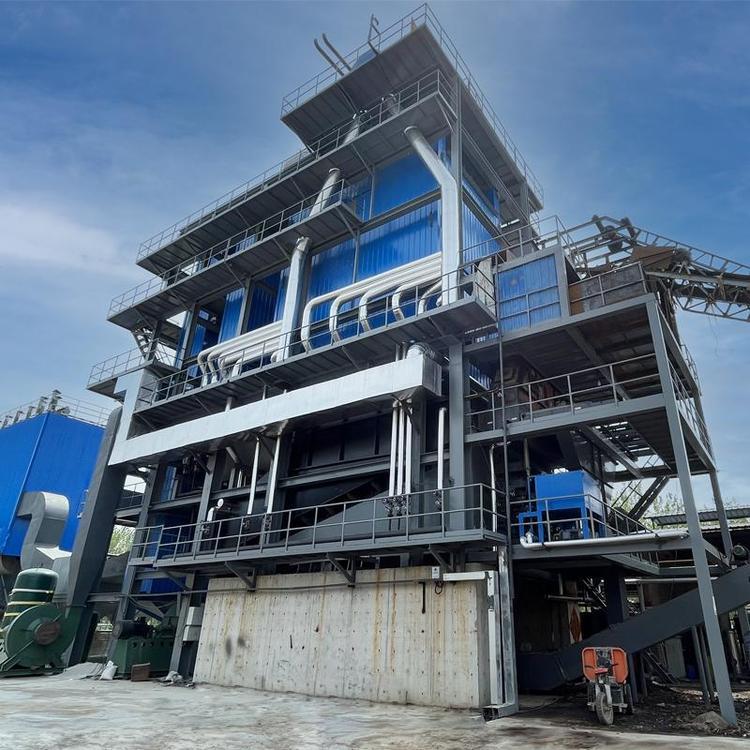


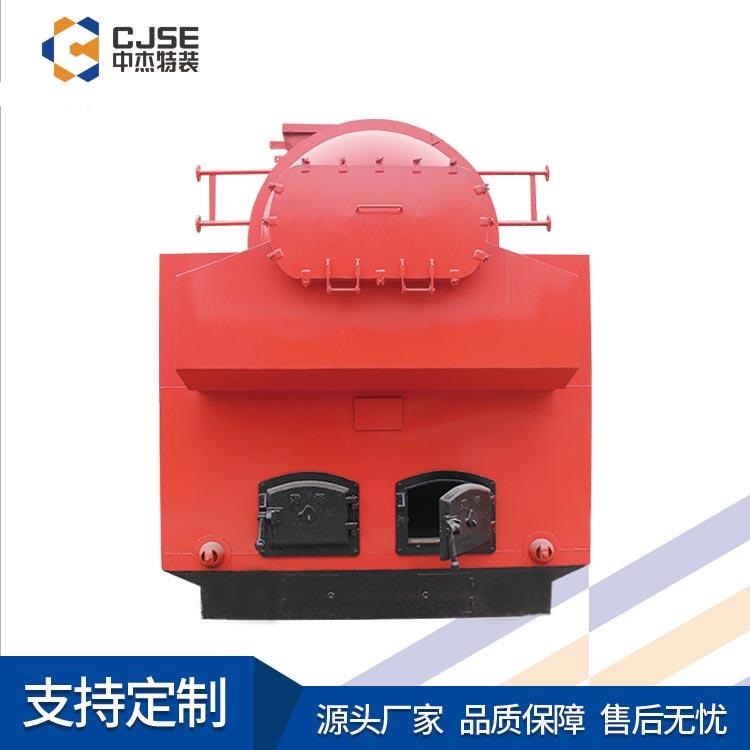


















Shandong Zhongjie Special Equipment Co., Ltd. specializes in: fuel (gas) boilers, organic heat carrier boilers, biomass boilers, waste heat recovery boilers, and other boiler products; vacuum insulation cryogenic pressure vessels such as LNG storage tanks, oxygen/nitrogen/argon storage tanks, and CO2 storage tanks; pressure vessel products including denitrification engineering equipment, heat storage and energy storage equipment, and complete chemical equipment; central air conditioning and ventilation equipment such as ground (water) source heat pumps, air source units, water-cooled screw units, and air-cooled modular units. Planned products include large-scale energy centers, LNG transport vehicles, LNG tank containers, and other green energy equipment.
Adjusting the combustion of biomass boilers can be carried out through the following steps:
Establish combustion parameters: Determine appropriate combustion parameters based on the design of the biomass boiler and the characteristics of the fuel, including combustion temperature, oxygen supply, and fuel supply rate.
Adjust combustion temperature: Adjust the combustion temperature based on the fuel characteristics and combustion requirements. Excessive combustion temperature may lead to overburning of fuel and energy waste, while insufficient combustion temperature may result in incomplete combustion and increased emissions.
Control Oxygen Supply: Adjust the oxygen supply based on the oxygen content during the combustion process. Excessive oxygen supply can lead to incomplete fuel combustion and energy waste, while insufficient oxygen supply can result in incomplete combustion and increased emissions.
Adjust fuel supply rate: Adjust the fuel supply rate based on heat load and fuel characteristics. Excessive fuel supply rate may lead to overburning and energy waste, while an insufficient fuel supply rate may result in incomplete combustion and inadequate heating.
Monitor and Adjust: By monitoring critical parameters during the combustion process, such as combustion temperature, oxygen content, flue gas composition, etc., timely adjust the combustion parameters to ensure the stability and efficiency of the combustion process.
Be mindful that adjusting the combustion of biomass boilers should be based on the specific pot's characteristics.
slagging in biomass boilers refers to the solid residue formed from ash and other impurities in the fuel during the combustion process at high temperatures. Slagging is a common issue in the operation of biomass boilers that may affect the boiler's heat transfer and combustion efficiency. Here's a brief discussion on biomass boiler slagging:
Coking Causes: The biomass fuel has a high ash content, and the ash may contain some sticky substances. These substances tend to melt and adhere to the boiler's heat exchange surface at high temperatures, resulting in coking. Additionally, certain elements in the biomass fuel, such as calcium, can also promote the formation of coking.
Scaling Impact: Scaling impedes heat transfer in boilers, reduces combustion efficiency, and increases energy consumption. Scaling can also raise the temperature of the boiler, accelerate the corrosion of metallic materials, and shorten the lifespan of the boiler.
Preventive and corrective measures: To prevent and address slagging issues in biomass boilers, the following measures can be taken:
Fuel Pretreatment: Pre-treat biomass fuel through processes such as drying, screening, and decontamination to reduce ash and salt content in the fuel, thereby lowering the risk of slagging.
Control combustion conditions: Reasonably control parameters such as the temperature, oxygen content, and combustion rate of biomass combustion to avoid excessive temperatures and oxygen levels, reducing slag formation.
Cleaning and Maintenance: Regularly clean the boiler's interior of accumulated dust and dirt to maintain its cleanliness. During the cleaning process, use appropriate cleaning agents and tools to remove internal dirt and prevent slag formation.
Biomass refers to renewable energy sources derived from organic matter such as plants, animals, and microorganisms. It includes wood, straw, waste crops, food scraps, and urban solid waste, among others. Biomass has a wide range of sources and types and is a renewable energy that can substitute for fossil fuels.
A biomass boiler is a specialized equipment designed for burning biomass fuel. It combusts biomass fuel to produce high-temperature, high-pressure thermal energy, which is used for heating, power generation, or other industrial processes. Biomass boilers typically use granular, pelletized, or shredded biomass fuel, releasing thermal energy through the combustion process.
The advantages of biomass boilers include:
Renewable Energy: Biomass is a renewable energy source with lower carbon emissions and environmental impact compared to fossil fuels.
Diversity: A wide variety of biomass fuels are available, utilizing waste and by-products from plants and animals to enhance resource utilization efficiency.
Environmental friendliness: The carbon dioxide produced during biomass combustion can be absorbed by plants, forming a cycle and reducing air pollution.
Economic Efficiency: Biomass fuel is relatively cost-effective, can
When using biomass boilers, here are some common operating methods and precautions:
Operation Manual: First, carefully read and understand the biomass boiler's operation manual. The manual will provide detailed instructions and guidance on safe operation, ignition, fuel supply, and combustion adjustment.
Fuel Selection: Choose suitable biomass fuel such as wood chips, straw, wheat straw, fruit shells, etc. Ensure the fuel quality is good, dry, and free of impurities to guarantee optimal combustion and the normal operation of the boiler.
Ignition Operation: Proceed with ignition as per the manual's instructions. Typically, you'll need to activate the igniter or ignition device, ensure a sufficient fuel supply, and adhere to safety operating procedures.
Combustion Adjustment: Adjust combustion parameters such as fuel supply, oxygen supply, and combustion temperature based on the boiler's operating status and requirements. Adjustments can be made according to the instructions in the operation manual, using the control panel or an automated control system.
Cleaning and Maintenance: Regularly clean and maintain biomass boilers, including cleaning the combustion chamber, flue, and heat exchanger components. Ensure the boiler's combustion efficiency and safety.
Safety Precautions: When using biomass boilers, please note the following safety measures: Ensure good ventilation around the boiler to prevent smoke accumulation from combustion; Regularly inspect and replace critical components such as burners and valves; Follow the safety operating procedures outlined in the manual to avoid accidents caused by incorrect operation.
Please note that the above information is for general usage methods and precautions only. Specific usage methods and operational details may vary depending on different biomass boiler models and manufacturers. Therefore, it is recommended to carefully read and follow the operation manual and guidelines provided by the manufacturer before using a biomass boiler.
ZJ Special Equipment upholds the grand vision of "realizing employees' dreams, creating value for customers, and striving for the prosperity and strength of our motherland," focusing solely on the development of green energy equipment. We dedicate products and services with high cost-performance to society!
WeChat Official Account

Scan to follow Official Account



















