


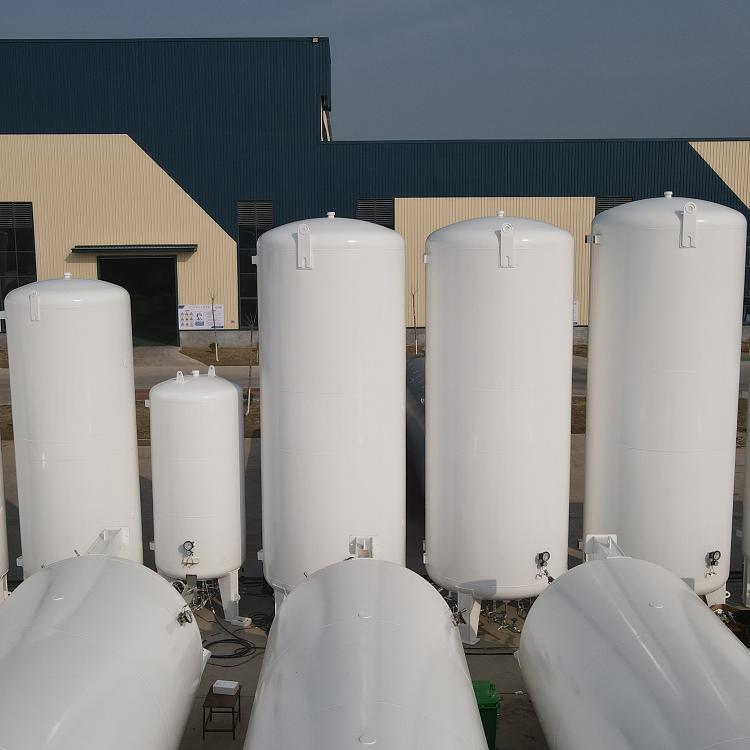

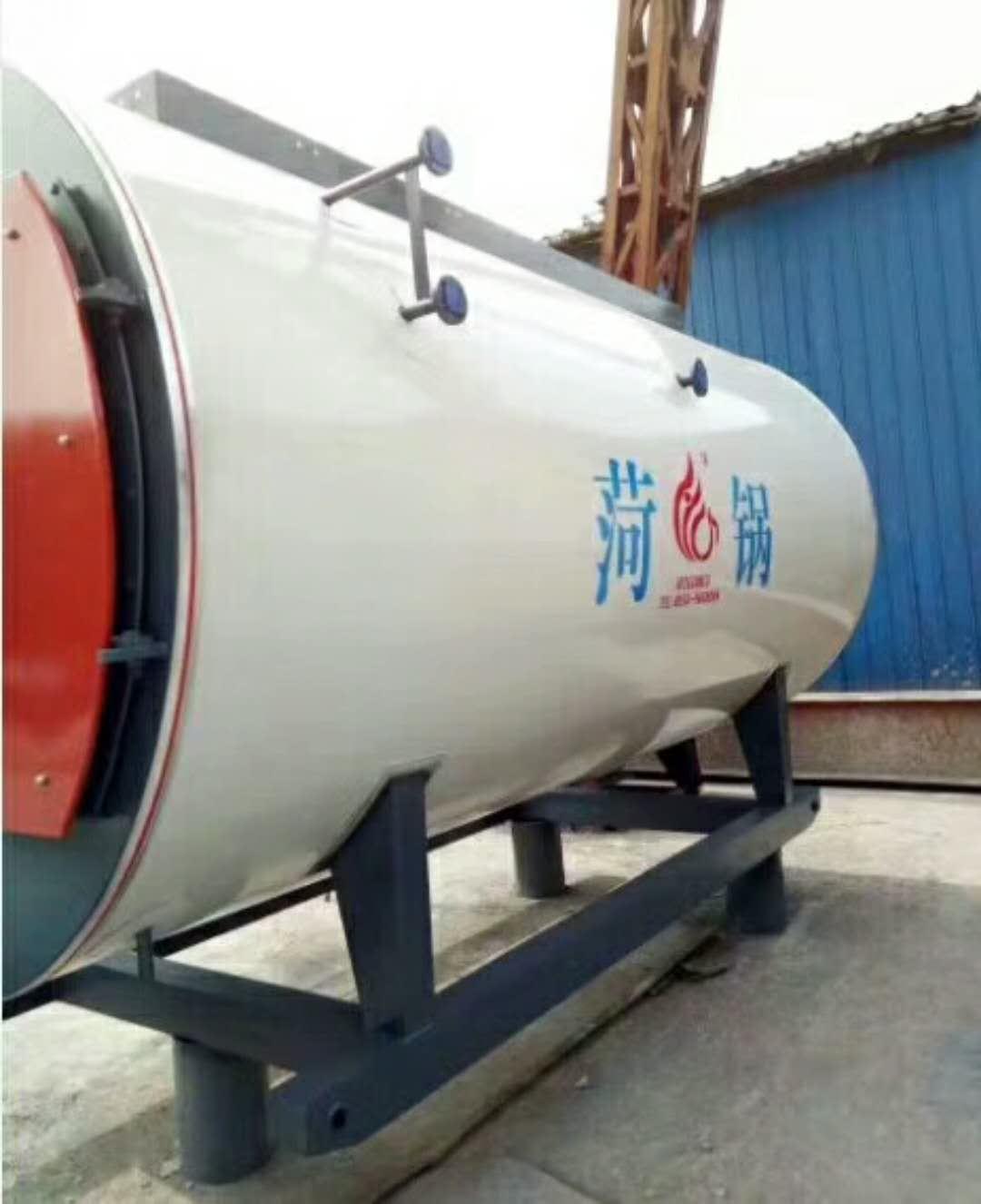
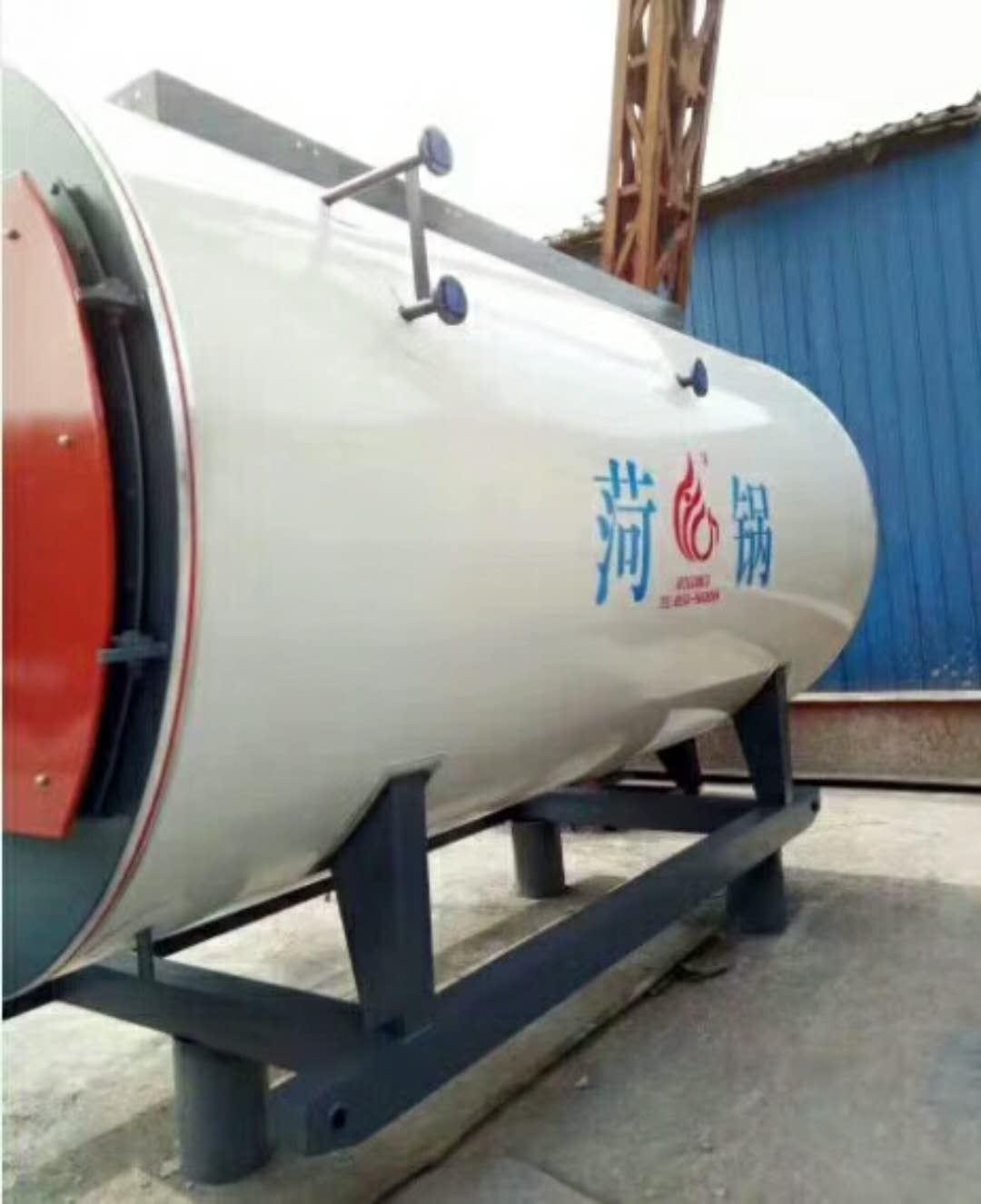


















Shandong Zhongjie Special Equipment Co., Ltd. specializes in the following products: fuel (gas) boilers, organic heat carrier boilers, biomass boilers, waste heat recovery boilers, and other boiler products; vacuum insulation cryogenic pressure vessels such as LNG tanks, oxygen/nitrogen/argon tanks, CO2 tanks, etc.; pressure vessel products including denitrification engineering equipment, heat storage and energy storage equipment, and complete chemical equipment; central air conditioning and HVAC equipment such as ground (water) source heat pumps, air source units, water-cooled screw chillers, and air-cooled modular units. Planned products include large-scale energy centers, LNG transport vehicles, LNG tank containers, and other green energy equipment.
Carbon dioxide storage tanks are equipment used for storing and transporting carbon dioxide (CO2). They are typically sealed containers with special design and structure to ensure safe storage and use of CO2. Here are some common details about carbon dioxide storage tanks: Storage Form: CO2 is gaseous at room temperature but can be compressed into a liquid under high pressure for easier storage and transportation. Storage tanks for CO2 usually hold liquid CO2. Storage Pressure: These tanks commonly store high-pressure CO2 at around 20-25 bar. This high-pressure state helps maintain CO2 in a liquid state. Storage Capacity: The capacity of CO2 storage tanks can vary from small ones with a few thousand liters to large ones with tens of thousands of liters, depending on specific application needs. Safety: CO2 is colorless, odorless, and non-toxic, but it can be dangerous at high concentrations, causing asphyxiation. Therefore, appropriate safety measures like ventilation and protective gear must be taken when using CO2 storage tanks to ensure operator safety. Applications: Carbon dioxide storage tanks are widely used in various fields, including the food and beverage industry, construction, fire suppression, and gas supply. They store and supply CO2 to meet different industry needs. It is important to note that the design, manufacturing, and use of CO2 storage tanks must comply with relevant regulations, standards, and safety requirements. When operating CO2 storage tanks, follow the operation manual and safety guidelines, and cooperate with local regulatory authorities to ensure the tank's safety and reliability.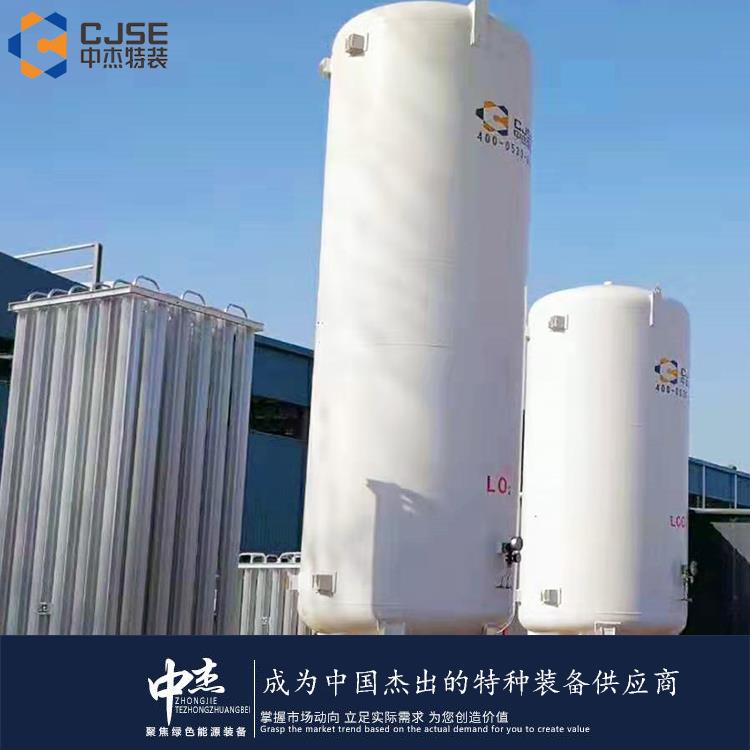
For the maintenance and care of low-temperature liquid storage tanks, here are some tips and precautions: Regular Inspections: Regularly check the tank's exterior, internal lining, valves, and pipe connections. Be mindful of corrosion, cracks, oil leaks, and other issues. Cleaning and Draining: Regularly clean the tank interior to remove accumulated impurities and sediment. Also, drain the tank regularly to remove liquid and gas impurities. Corrosion Prevention: The outer shell and inner lining of low-temperature liquid storage tanks should be corrosion-resistant. Regularly inspect and maintain the corrosion prevention layer or coating to ensure integrity and effectiveness. Temperature and Pressure Control: Maintain the tank's temperature and pressure within the design limits. Avoid extreme temperatures and pressures that could damage the tank. Safety Equipment Check: Inspect the tank's safety equipment, such as relief valves, pressure and temperature sensors, to ensure they are functioning properly. Verify that their set parameters meet requirements. Maintenance of Level Measurement Systems: Regularly inspect and calibrate the level measurement system for accuracy and reliability. Clean or replace level sensors as needed. Fire Prevention Measures: Fire prevention measures are crucial for low-temperature liquid storage tanks. Ensure that fire protection equipment around the tank is in good condition and conduct fire drills regularly. Regular Assessments and Monitoring: Regularly assess and monitor the tank for structural integrity, corrosion, and safety. Take appropriate maintenance and repair actions based on assessment results. Operator Training: Operators should receive training to understand the characteristics, operational requirements, and safety measures of low-temperature liquid storage tanks. Training should include safe tank operation, leak management, and emergency response procedures.
When filling liquid carbon dioxide tanks, attention should be given to the following aspects:
Safety Operation: During the filling process, it is mandatory to adhere to relevant safety operation procedures and standards. Operators should receive training to understand the operation requirements and safety measures of the filling equipment and operate strictly according to the procedures.
Tank Inspection: Before filling, the tank must be inspected to ensure its integrity and safety. Check the tank's appearance, sealing, valves, and pipeline connections, and promptly repair or replace them if any abnormalities or damages are found.
Filling Equipment: Select appropriate filling equipment, ensuring it meets relevant standards and requirements. The filling equipment should have a safe and reliable design and operational function to ensure the safety and efficiency of the filling process.
Filling Rate Control: Controlling the filling rate is crucial. Excessive filling speed can lead to overpressure in the tank, increasing safety risks. The filling rate should be controlled according to the tank's capacity and design requirements to ensure safe filling.
Pressure Control: The pressure in the tank must be strictly controlled during the filling process. The filling equipment should be equipped with pressure sensors and safety valves to ensure the internal pressure of the tank stays within a safe range.
Leak Prevention: The sealing integrity of valves and pipelines must be ensured during the filling process to prevent carbon dioxide leaks. Regularly check and replace seals, and promptly address any leakage issues.
Monitoring and Recording: Real-time monitoring and recording of key parameters such as pressure, temperature, and liquid level should be conducted during the filling process. This helps to promptly identify abnormalities and make corresponding adjustments and treatments.
It should be noted that only operators trained and authorized to handle liquid carbon dioxide tanks should perform the operation, adhering to relevant safety operation procedures and standards. Seek advice and guidance from knowledgeable consultants.
Leakage issues in CO2 storage tanks may be caused by the following factors: Material Corrosion: CO2 has a certain degree of corrosiveness, and long-term contact can lead to corrosion of the tank material. Corrosion can damage the tank's surface protective layer, causing it to lose its seal and lead to leakage. Welding Defects: Welding joints in the tank may have defects, such as weld cracks and pores, which can reduce the strength of the焊接部位, resulting in leakage. Design Defects: Inadequate design or defects in the tank can also cause leakage. For example, poorly designed interface connections and unreasonable structural designs can lead to leakage problems in the tank. Overpressure: If the internal pressure of the tank exceeds its capacity, it may deform or rupture the tank, causing leakage. Temperature Fluctuations: During temperature changes, due to thermal expansion and contraction, CO2 storage tanks may deform or develop stress concentrations, leading to leakage. Improper Operation: Incorrect operation and maintenance can also cause tank leakage. For instance, over-tightening valves and improper maintenance measures can reduce the tank's sealing performance. External Damage: External forces such as impacts, scratches, or corrosion on the tank can cause surface damage or corrosion, leading to leakage. To avoid leakage issues in CO2 storage tanks, it is essential to choose appropriate materials, reasonable design, and manufacturing processes, and to conduct regular inspections and maintenance. Additionally, operators should receive training and adhere to operational procedures to ensure the safe operation of the tanks.
Our company highly values technological innovation and R&D, boasting a city-level enterprise technology center in Heze City. We have established testing facilities for non-destructive testing, physical and chemical testing, welding testing, hydrostatic testing, and more, equipped with over 600 instruments and equipment including CNC machines, X-ray flaw detectors, digital ultrasonic flaw detectors, mechanical property testing machines, chemical analyzers, spectrometers, tensile testing machines, plasma welding machines, and others. Our key products, such as the welding of temperature and pressure vessels, biomass boiler emission reduction, and waste heat utilization, have successively been shortlisted for multiple Shandong Province Industrial and Information Technology Department science and technology innovation projects, Shandong Province key projects, and Heze City innovation and excellence projects. We have accumulated 27 authorized utility model patents, 16 authorized invention patents, participated in drafting 2 standards, 2 industrial standards, and registered 15 trademarks. The company's technical team, in collaboration with Professor Li Yajiang of Shandong University, has jointly developed deep cryogenic vessel processing technology, utilizing the international plasma arc + filler wire argon arc welding (PAW-GTAW) technology, which has been appraised as reaching an international level in the deep cryogenic vessel manufacturing field by the provincial science and technology achievement assessment. Choose ZJ Special Equipment, let's create brilliance together!
WeChat Official Account

Scan to follow Official Account



















