


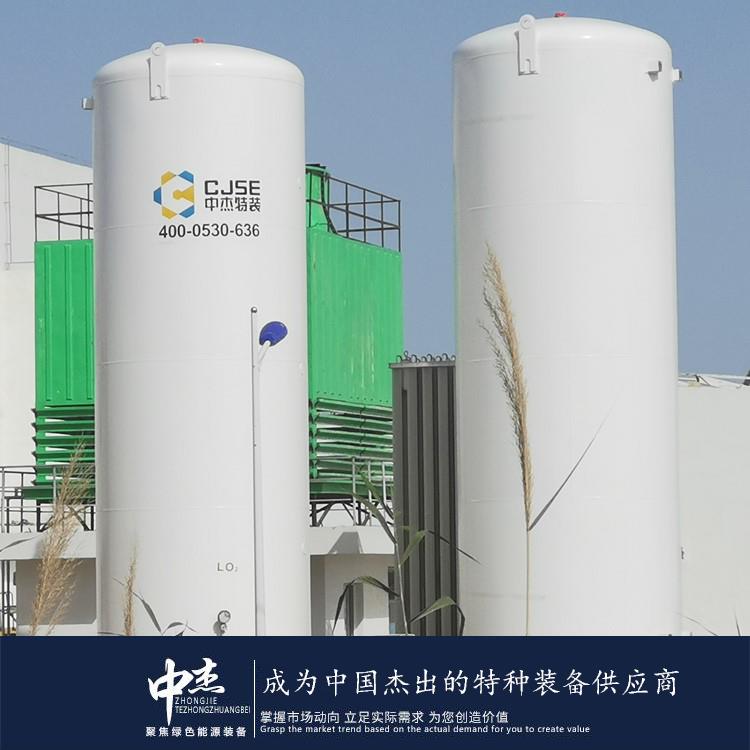

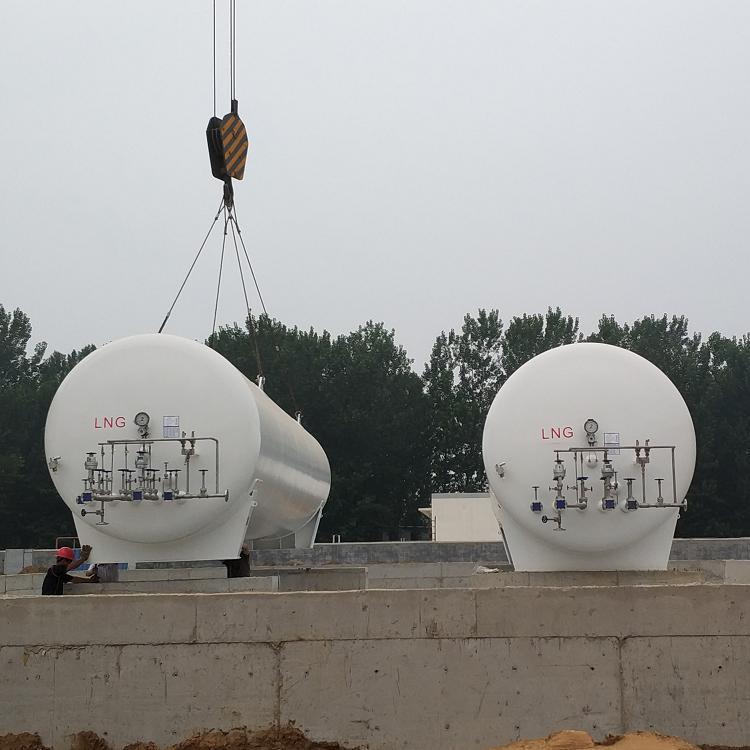
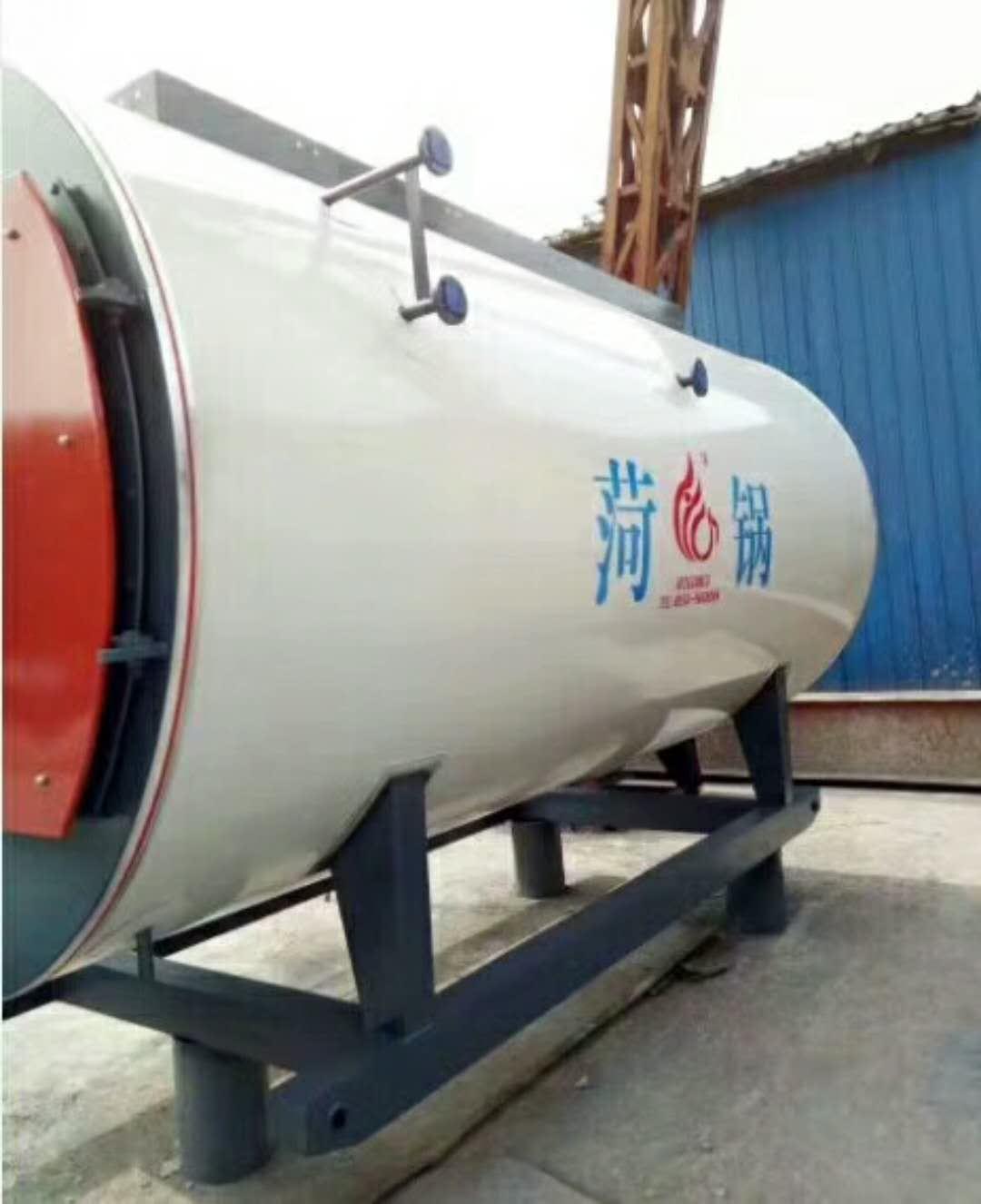


















Shandong Zhongjie Special Equipment (formerly Heze Boiler Factory Co., Ltd.) holds an A-grade boiler manufacturing license, an A2-grade pressure vessel manufacturing license, an A2-grade pressure vessel design license, a B-grade boiler installation license, and GB2/Class and GC2/Class pressure pipeline installation licenses, as well as a mechanical and electrical equipment installation contracting qualification. It is a member of the China Boiler and Water Treatment Association, the China Chemical Equipment Association, and the council member of the Shandong Equipment Manufacturing Association. The company has also passed the ISO9001 Quality Management System, ISO14001 Environmental Management System, OHSAS18001 Occupational Health and Safety Management System certifications, and the American ASME/U2 certification.
清洁低温液体储罐的过程需要谨慎操作,以确保安全性和有效性。以下是一般的清洁步骤: 安全准备:在清洁液体储罐之前,确保储罐内的液体已经完全排空,并且储罐的压力已经释放。确保所有相关的安全设备和阀门处于关闭状态。 防护措施:低温液体储罐通常存储着冷的液体,如液氮或液氧。在进行清洁操作时,必须佩戴适当的个人防护装备,如绝缘手套、、防护服等,以防止冷或其他伤害。 清洁剂选择:选择适合清洁低温液体储罐的清洁剂。清洁剂应具备良好的腐蚀性能和低温适应性。可以咨询清洁剂供应商或储罐制造商以获取建议。 清洁过程:将清洁剂注入储罐中,使用适当的工具(如喷洒器、刷子等)进行清洁。根据储罐的尺寸和污染程度,可以选择手动清洁或使用清洗设备。 冲洗和排放:清洁完成后,使用清水或其他适当的冲洗剂进行冲洗,以确保清洁剂和污物。冲洗完成后,将废水和废液排放到合适的处理系统中,遵循环境保护的相关规定。 检查和验证:清洁完成后,进行储罐的检查和验证,确保储罐内部干净、无残留物,并符合相关的安全和卫生要求。 需要注意的是,清洁低温液体储罐的具体步骤和要求可能会因不同的储罐设计和使用场景而有所差异。在进行清洁操作时,应遵循相关的安全操作规程和标准,确保操作的安全性和有效性。好咨询工程师或储罐制造商以获取具体的清洁指导。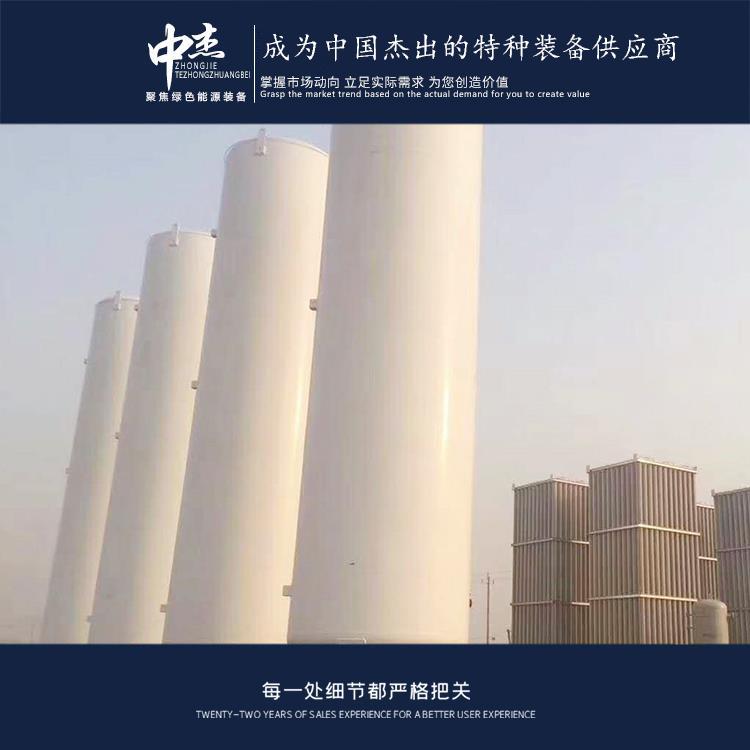
Carbon dioxide storage tanks are equipment used for storing and transporting carbon dioxide gas, operating on the principles of pressure vessels and the physical properties of carbon dioxide. Pressure Vessel Principle: A carbon dioxide storage tank is a pressure vessel capable of withstanding the pressure of the internal gas. It is typically made of high-strength materials like steel. The tank's design and structure can withstand high pressure, ensuring safe storage and transportation of the gas. Compressed Gas Storage: Carbon dioxide is a gas at room temperature but can be compressed into a liquid under high pressure. Storage tanks use high pressure to compress the gas into a liquid, achieving higher storage density. Liquid carbon dioxide occupies less volume, allowing for more gas storage. Level Control: The tank is equipped with a level control system to monitor and control the level of liquid carbon dioxide. This system usually includes level sensors and control valves, ensuring the tank's level stays within a safe range. Pressure Control: The tank also features a pressure control system to monitor and control the internal gas pressure. This system typically includes pressure sensors and safety valves, ensuring the pressure remains within a safe range to prevent damage or safety risks due to excessive or low pressure. Through these principles, carbon dioxide storage tanks can safely store and transport carbon dioxide gas to meet the needs of various fields, such as food processing, beverage manufacturing, and fire extinguishing. When using carbon dioxide storage tanks, it is essential to follow relevant safety operating procedures and guidelines to ensure safe operation and use.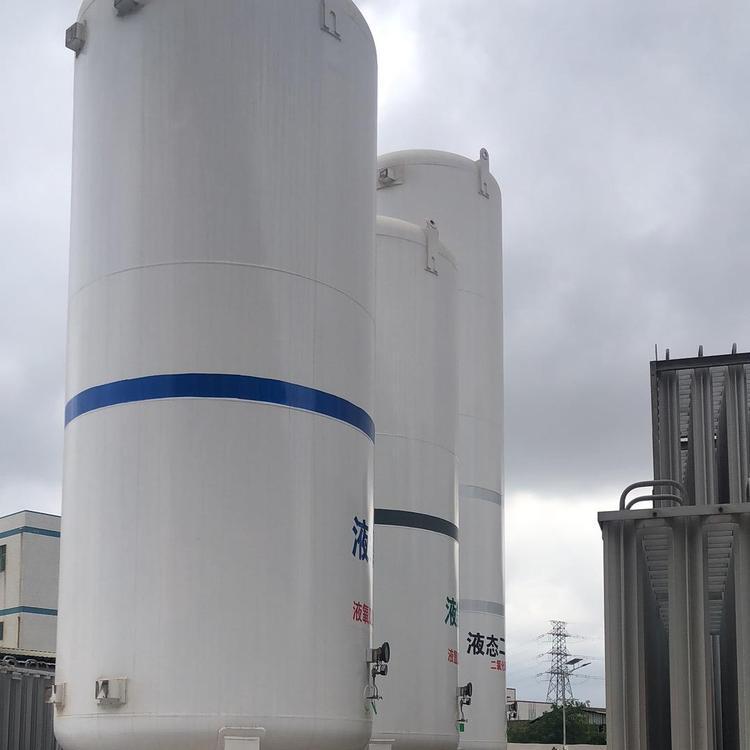
Carbon dioxide storage tanks possess the following characteristics:
- High-pressure Vessel: Carbon dioxide storage tanks are typically designed as high-pressure vessels, capable of withstanding high pressures. This is because carbon dioxide requires a high pressure at room temperature to maintain a liquid state.
- High Oxidizing: Carbon dioxide is highly oxidizing and can support combustion. Therefore, when handling and storing carbon dioxide, precautions must be taken to prevent contact to avoid the risk of fire and explosion.
- Low-Temperature Storage: Carbon dioxide is in a gaseous state at room temperature but can be compressed into a liquid at lower temperatures. As such, carbon dioxide storage tanks usually need to have good insulation properties to maintain the low-temperature state of the stored liquid carbon dioxide.
- High Density: Liquid carbon dioxide has a high density, allowing for the storage of large amounts of carbon dioxide in a relatively small volume. This makes carbon dioxide storage tanks useful in scenarios requiring substantial carbon dioxide supply.
- Safety Valves and Pressure Control: To ensure the internal pressure of the tank remains within a safe range, carbon dioxide storage tanks are commonly equipped with safety valves and pressure control devices. These devices monitor and control the internal pressure of the tank to prevent excessive pressure from causing the tank to burst.
- Corrosiveness: Carbon dioxide has some degree of corrosiveness, especially in high humidity environments. Therefore, the materials and corrosion prevention measures for the tank need to consider the corrosiveness of carbon dioxide to ensure the tank's durability and safety.
These characteristics make carbon dioxide storage tanks widely applicable in many industries, such as the food and beverage industry, fire suppression, and the gas industry. When using carbon dioxide storage tanks, it is necessary to follow relevant safety operation procedures and standards to ensure the safety of operations.
When using CO2 storage tanks, the following safety protocols must be adhered to ensure safety:
- Tank Operator Training: All operators must receive training on the characteristics, operational requirements, and safety measures of CO2 storage tanks. Training should include safe tank operation, leak handling, and emergency response procedures.
- Safe Operating Procedures: Establish and adhere to relevant safe operating procedures, including tank start-up, shutdown, inspection, and maintenance. Operators should operate according to the procedures to ensure safe tank operation.
- Leak Handling: Implement a leak handling program, including leak detection, emergency shutdown, and isolation of the leak source. Operators should be familiar with the leak handling procedures and be able to respond quickly and correctly to leak incidents.
- Fire Prevention Measures: CO2 is flammable; fire prevention measures must be taken when in use. Smoking, open flames, or flammable materials are prohibited near the tank. Ensure that fire protection equipment is in good condition around the tank and conduct fire drills regularly.
- Waste Gas Emission: Properly discharge waste gases produced during CO2 storage tank use to avoid CO2 accumulation in enclosed spaces, leading to asphyxiation and safety risks. Ensure the smooth and normal operation of the waste gas emission system.
- Regular Inspections and Maintenance: Regularly inspect the tank's appearance, sealing, valves, and pipeline connections. Repair or replace any abnormalities or damage promptly. Also, regularly check and maintain safety valves, pressure sensors, and other accessories.
- Emergency Response Plan: Develop and implement an emergency response plan, including procedures for handling leaks, evacuation, and first aid measures. Operators should be familiar with the emergency response plan and conduct drills regularly.
- Monitoring and Alarm Systems: Install and maintain monitoring and alarm systems for the storage tanks.
Shandong Zhongjie Special Equipment, welcome customers to visit our factory for cooperation discussions.
WeChat Official Account

Scan to follow Official Account



















