





















Shandong Zhongjie Special Equipment (formerly Heze Boiler Factory Co., Ltd.) holds an A-grade boiler manufacturing license, A2-grade pressure vessel manufacturing license, A2-grade pressure vessel design license, B-grade boiler installation, and GB2/Class, GC2/Class pressure pipeline installation licenses, as well as equipment and machinery installation contracting qualifications. It is a member of the China Boiler and Water Treatment Association, the China Chemical Equipment Association, and a director unit of the Shandong Equipment Manufacturing Association. The company has also passed certifications for the ISO9001 Quality Management System, ISO14001 Environmental Management System, OHSAS18001 Occupational Health and Safety Management System, and the American ASME/U2 certification.
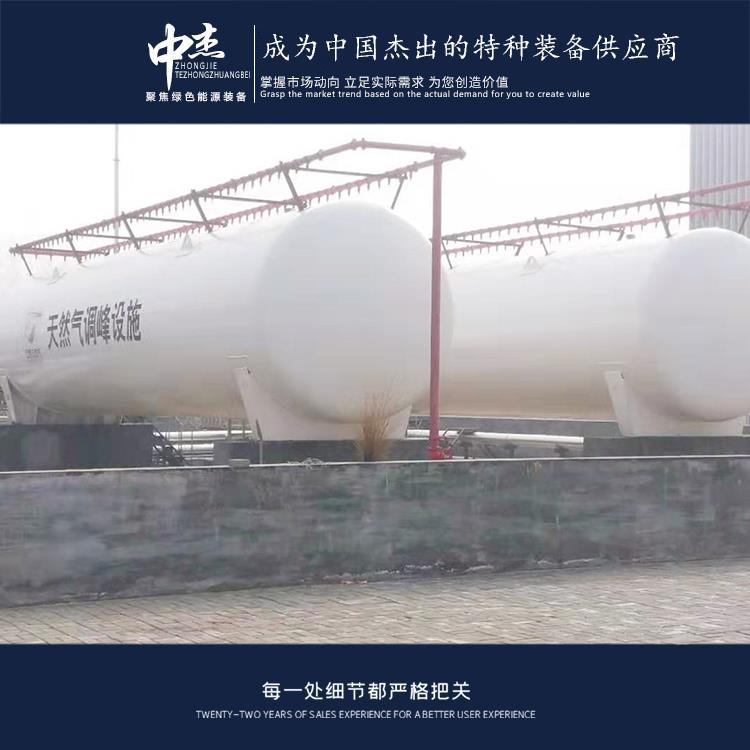
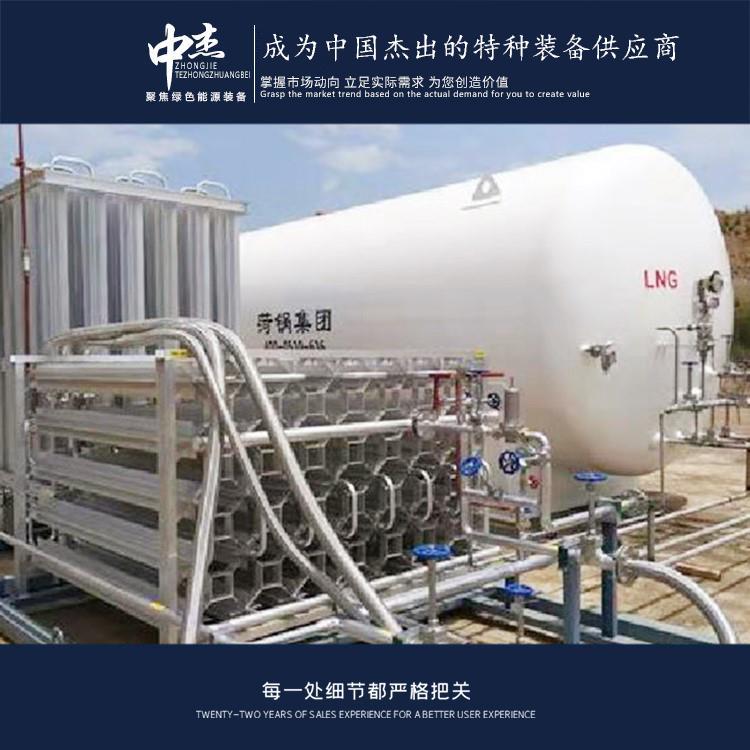
Tanks are specialized storage equipment, and to ensure their safe operation, regular inspections and maintenance are necessary. Here are common inspection methods for tanks:
Visual Inspection: Regularly inspect the exterior of the storage tank, checking for leaks, corrosion, deformation, cracks, and other issues. Pay special attention to the integrity of the tank's joints, welds, and valves.
Pressure Test: Conduct pressure tests to evaluate the tank's sealing performance and pressure resistance. Use a pressure gauge or pressure sensor to perform the pressure test on the tank, ensuring it can withstand the designed pressure.
Ultrasonic Inspection: Ultrasonic inspection is used to detect corrosion and cracks in tank walls. By scanning the tank with ultrasonic detection equipment, potential defects and issues are identified.
Magnetic Particle Inspection: Magnetic particle inspection is used to detect cracks and weld quality in storage tank walls. By applying magnetic particles to the tank surface and then using a magnetic particle inspection device to observe for particle aggregation, it can be determined if there are any cracks or weld issues.
Environmental Monitoring: Regularly conduct environmental monitoring around the storage tanks, including checking gas concentrations and temperatures, to ensure the safety of the surrounding environment.
Note that tank inspections should be conducted by authorized inspection agencies or certified inspectors. The frequency and methods of inspection should be determined based on the tank's usage, scale, and relevant regulations. Regular inspections and maintenance can help identify potential issues early on, ensuring the safe operation of the tank.
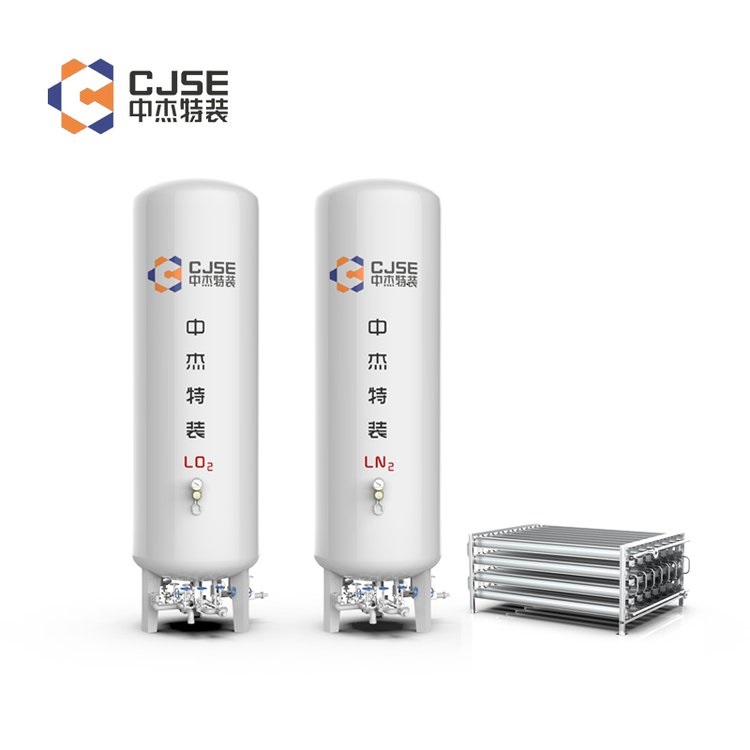
The use and operation of the liquid oxygen storage tank system require attention to the following points:
Safe Operation: When operating the liquid oxygen storage system, it is mandatory to adhere to relevant safety operation procedures and standards to ensure the safety of the operators.
Tank Selection: Choose liquid oxygen tanks that comply with specifications and standards, ensuring their quality and safety performance.
Tank Installation: Tanks should be installed on a solid foundation to ensure stability. Additionally, good ventilation around the tank is required, and it should be kept away from flammable materials and heat sources.
Seal Integrity Inspection: Regularly check the sealing performance of the storage tank system to ensure there are no leaks at valve and pipeline connections.
Pressure Control: Storage systems should be equipped with pressure gauges and safety valves, with regular inspections and maintenance to ensure pressure remains within safe limits.
Fire Prevention Measures: Liquid oxygen contains a high concentration of oxygen, which is highly flammable. Install fire walls around the storage tank system, prohibit smoking and open flames, and ensure safety.
Static Protection: During the operation of the liquid oxygen system, static electricity may cause sparks, increasing the risk of fire. Measures such as using static-conductive materials and anti-static equipment are taken to reduce the accumulation and release of static electricity.
Regular Inspections and Maintenance: Conduct regular checks on the tank system and associated equipment, including valves, pipes, pressure gauges, etc. Ensure that equipment is in perfect condition, and promptly repair or replace any damaged parts.
Waste Gas Treatment: The use of the liquid oxygen system generates waste gas, which necessitates appropriate waste gas treatment measures to minimize environmental impact.
Above are the matters to be noted when using the liquid oxygen storage tank system, ensuring operational safety and the normal operation of the system. During operation, it should be strictly adhered to the relevant operational procedures and safety operation requirements to avoid accidents.
When selecting the insulation material for a low-temperature liquid storage tank, consider the following factors:
Thermal Conductivity: The lower the thermal conductivity of an insulating material, the better its insulating performance. Therefore, it is advisable to choose materials with lower thermal conductivity, such as polyethylene foam (EPS), polyester foam (PUR), and silicate fibers.
Density: The density of insulating materials also affects their insulating performance. Generally, the higher the density, the better the insulating performance. However, excessively high density may increase the weight and cost of the storage tank. Therefore, a balance must be struck between the insulating performance and the structural requirements of the tank.
Corrosion Resistance: Due to the special working environment of low-temperature liquid storage tanks, the insulation material must have excellent corrosion resistance to withstand the侵蚀 of low-temperature liquids. For example, glass fiber and silicate fiber possess good corrosion resistance.
Reliability and durability: Insulating materials must have excellent reliability and durability, maintaining their insulating properties over the long term. Choose verified and tested materials to ensure their quality and performance.
Construction Convenience: The ease of installation and maintenance for insulating materials is also a factor to consider. Choosing materials that are easy to install and maintain can enhance construction efficiency and reduce costs.
Environmental Friendliness: Consider selecting environmentally friendly insulation materials, such as recyclable options, to minimize impact on the environment.
Considering these factors, select an appropriate insulating material to provide excellent thermal insulation and durability, ensuring the safety and efficient operation of low-temperature liquid storage tanks. When choosing insulating materials, it is recommended to consult engineers or consulting agencies for more accurate advice and guidance.
The spacing regulations between liquid oxygen storage tanks are typically governed by relevant safety standards and specifications to ensure safe distances and fire separations between tanks. The following is a reference for general spacing rules for liquid oxygen storage tanks:
Horizontal spacing between tanks: The horizontal spacing between liquid oxygen tanks is typically required to maintain a certain distance to prevent heat transfer and mutual influence between tanks. The specific spacing distance should be determined based on factors such as tank capacity, pressure, and arrangement, with a general recommendation to maintain a safe distance to ensure safe operation and maintenance between tanks.
Tank and building or facility spacing: The spacing between liquid oxygen tanks and buildings, or other facilities must comply with relevant safety requirements. This is to prevent the tanks from causing danger to surrounding buildings or facilities in the event of a leak or accident. Specific spacing requirements will also be determined based on factors such as the tank's capacity, pressure, and surrounding environment, with a general recommendation to maintain a certain safety distance.
Fire protection spacing: It is crucial to maintain adequate fire protection spacing between liquid oxygen tanks and between tanks and buildings. Liquid oxygen has a high oxygen content and is highly flammable, which could lead to fires in the event of a leak or accident. Therefore, liquid oxygen tanks must be kept at a certain distance from other facilities to prevent fire spread or danger to the surrounding environment.
It's important to note that specific liquid oxygen tank spacing regulations may vary by region or industry. When designing, arranging, and operating liquid oxygen tanks, adhere to local safety standards and consult with experts for accurate guidance.
Shandong Zhongjie Special Equipment, welcome customers to our factory for business discussions.
WeChat Official Account

Scan to follow Official Account



















