


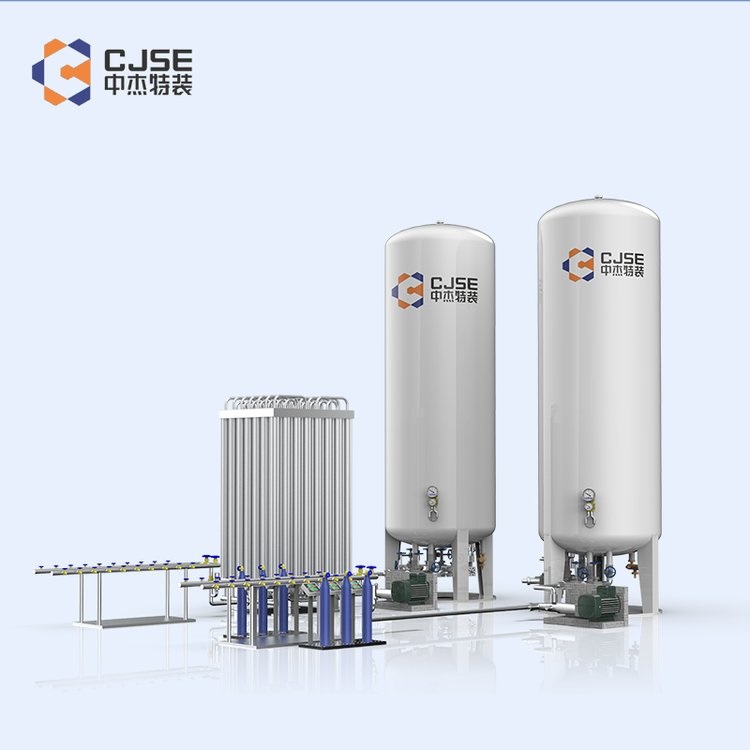

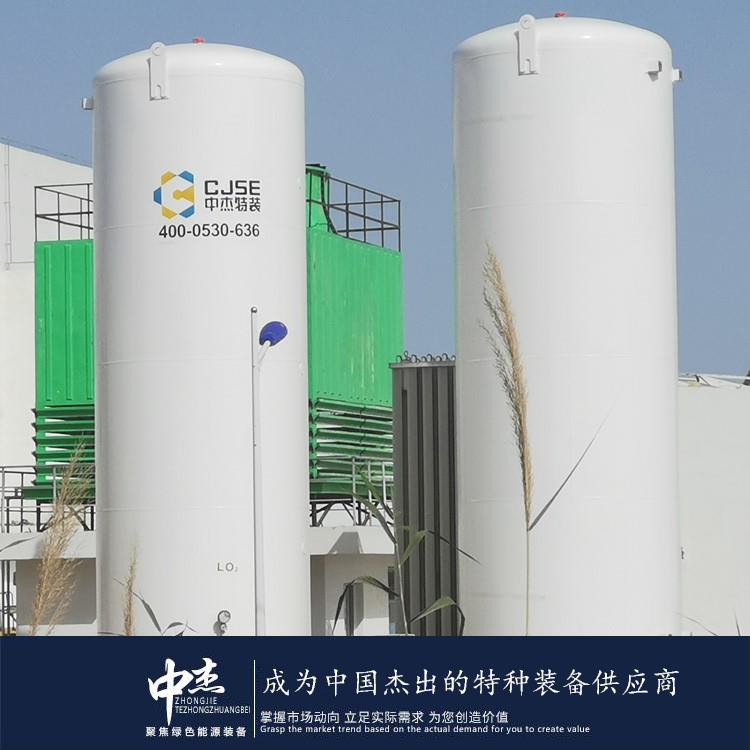
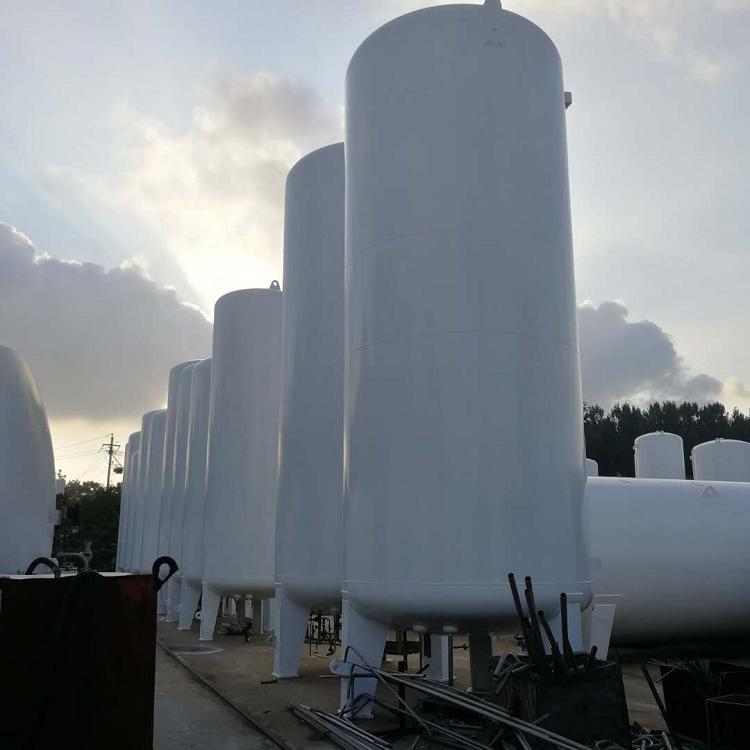


















Shandong Zhongjie Special Equipment (formerly Heze Boiler Factory Co., Ltd.) holds an A-grade boiler manufacturing license, an A2-grade pressure vessel manufacturing license, an A2-grade pressure vessel design license, a B-grade boiler installation license, and GB2/Class and GC2/Class pressure pipeline installation licenses, as well as an electromechanical equipment installation contracting qualification. It is a member of the China Boiler and Water Treatment Association, the China Chemical Equipment Association, and the理事 unit of the Shandong Equipment Manufacturing Association. The company has also passed the ISO9001 Quality Management System, ISO14001 Environmental Management System, OHSAS18001 Occupational Health and Safety Management System certifications, and the American ASME/U2 certification.
To extend the service life of liquid argon storage tanks, the following measures can be taken:
Regular inspections and maintenance: Conduct periodic visual inspections of the liquid argon storage tank, check valves and connections, and perform leak detection and pressure tests, etc. Detect and repair potential issues promptly to ensure the normal operation of the tank.
Maintain Insulation Layer: The insulation layer is crucial for the thermal preservation of liquid argon tanks. Regularly inspect the integrity and insulation performance of the insulation layer, repair or replace damaged insulation materials to ensure the tank's insulation effectiveness.
Regulate Liquid Argon Temperature: Maintain the temperature of liquid argon within an appropriate range to prevent damage to the storage tank from extreme temperatures. Implement suitable cooling or heating measures to ensure stable temperature of the liquid argon.
Corrosion Protection: The shell and internal structure of the liquid argon tank should be protected against corrosion and oxidation. Regularly inspect and maintain the protective coating to ensure it remains intact.
Avoid excessive pressure and overfilling: Prevent excessive internal pressure or underpressure in the tank, as well as overfilling with liquid argon. Excessive pressure and overfilling can lead to structural rupture or damage to the tank.
Regular cleaning and waste removal: Regularly clean the interior of the tank to remove accumulated impurities and dirt. Regularly remove waste to prevent contaminants and sediments in liquid argon from damaging the tank.
Safety Operation and Training: Ensure operators are knowledgeable and skilled in the safe operation of liquid argon tanks. Enhance safety training to improve operators' safety awareness and emergency response capabilities.
Manage records and documents: Establish comprehensive management records and documents, including tank usage, inspection, and maintenance records. Regularly review and update the management records to ensure safe management and maintenance of the tanks.
These measures can help extend the service life of liquid argon storage tanks, but specific operations and management should be tailored to the type and application of the tank. When performing maintenance and operation, adhere to relevant regulations and standards, and consult with experts to ensure safety and effectiveness.
To prevent the dangers associated with liquid oxygen tanks, the following precautionary measures can be taken:
Safety Operation and Management: Establish and implement strict safety operation and management systems, including the proper use of storage tanks, operational procedures, safety training, etc. Ensure that operators have the necessary safety awareness and skills, adhere to operational procedures, and reduce the likelihood of operational errors and accidents.
Regular Inspections and Maintenance: Conduct regular inspections and maintenance on liquid oxygen tanks, including visual inspections, pressure tests, and leak detection. Promptly identify and address any issues with the tanks to ensure their safety and reliability.
Safety devices and protective equipment: Tanks should be equipped with necessary safety devices, such as pressure relief valves, level alarms, etc., as well as protective equipment, such as fire barriers, explosion-proof devices, etc. These devices and equipment can take timely measures in abnormal situations to ensure the safety of the tank.
Fire Prevention Measures: Liquid oxygen contains a high concentration of oxygen, which is prone to causing fires. Therefore, fire prevention measures such as firewalls and fire extinguishers should be set up around the storage tanks to prevent the spread and expansion of fires.
Leakage Control and Emergency Response Plan: Establish a plan for liquid oxygen storage tank leakage control and emergency response, including control measures, emergency response procedures, and evacuation plans. In the event of a leakage incident, the ability to quickly take measures to control the leak and ensure personnel safety.
Training and Awareness Enhancement: Conduct regular safety training for operators of liquid oxygen storage tanks, enhancing their safety awareness and emergency response capabilities. Strengthen safety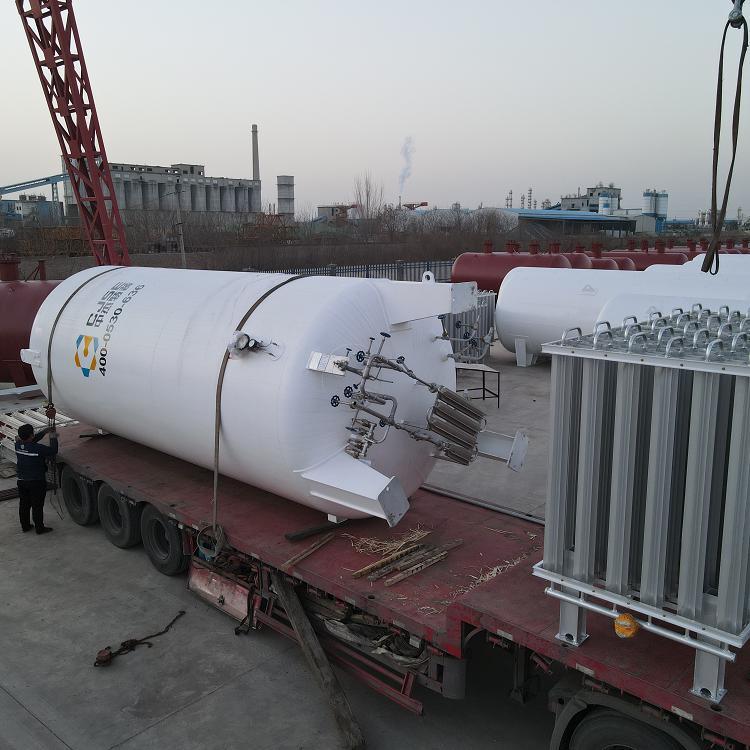
The safe operation of low-temperature liquid storage tanks primarily involves the following key aspects:
Tank Design and Material Selection: The tank design must comply with relevant safety standards and regulations, capable of withstanding the pressure and temperature of low-temperature liquids. Select suitable materials, such as stainless steel, aluminum alloys, etc., to ensure the tank's corrosion resistance and low-temperature performance.
Insulation and Protection Measures: Low-temperature liquid storage tanks should be equipped with effective insulation to minimize heat transfer and evaporation of the liquid. The selection and installation of the insulation should comply with relevant standards and requirements. Additionally, protective measures such as anti-freezing and explosion-proof measures should be implemented to ensure the safe operation of the tank.
Pressure Control and Safety Valves: Low-temperature liquid storage tanks should be equipped with reliable pressure control systems and safety valves to ensure that the pressure within the tank remains within a safe range. The pressure control system should be capable of timely detecting and adjusting the pressure inside the tank to prevent risks posed by either excessive or insufficient pressure.
Leak and Fire Protection: Low-temperature liquids are highly flammable, so measures should be taken to prevent leaks and fires. Tanks and related pipelines should have good sealing properties and be regularly inspected and maintained to prevent leaks. Additionally, appropriate fire protection equipment and fire extinguishing materials should be provided to address fire risks.
Safe Operation and Training: Operators must undergo relevant safety training, familiarize themselves with the safety operating procedures and emergency response measures for low-temperature liquid storage tanks. Adhere to correct operational steps to ensure safe operation.
Regular inspections and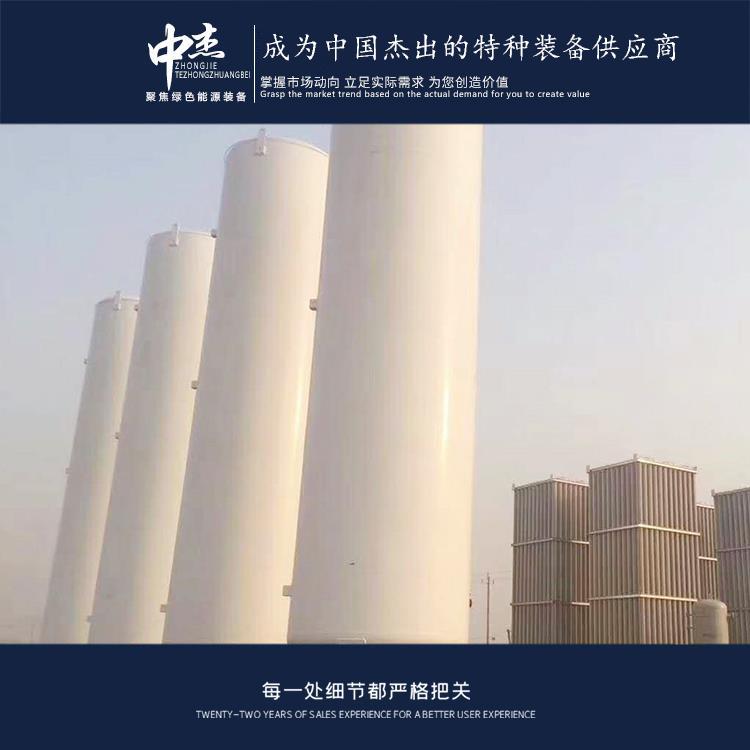
Liquid Argon Storage Tanks are specialized equipment designed for storing liquid argon, featuring the following parameters, functions, and characteristics:
Parameters:
Tank Capacity: The capacity of liquid argon tanks can be customized to meet requirements, with various sizes available, such as 500L, 1000L, 2000L, etc.
Working Pressure: The working pressure of liquid argon tanks is typically atmospheric or slightly above atmospheric pressure.
Storage Temperature: The storage temperature for liquid argon tanks is typically -196 degrees Celsius, which is the boiling point of argon, maintaining its liquid state.
Feature:
Store Liquid Argon: Liquid argon tanks are primarily used for storing liquid argon, maintaining its liquid state at low temperatures for supply and use.
Insulation: The liquid argon storage tank utilizes advanced insulation materials and structural design to minimize heat transfer and maintain the low-temperature state of liquid argon.
Safety Control: The liquid argon tank is equipped with safety devices such as pressure relief valves and level alarms to ensure safe operation and usage.
Features:
High Purity Supply: Liquid argon storage tanks offer high purity liquid argon for applications such as cryogenic storage, gas shielded welding, and semiconductor manufacturing.
Long-Term Storage: Liquid Argon Tanks are designed for long-term storage of liquid argon, extending their service life. By controlling the tank's internal temperature and the performance of the insulation layer, the evaporation and oxidation of the liquid argon are slowed down.
Multi-domain Applications: Liquid Argon Storage Tanks are widely used in industries such as refrigeration, semiconductor manufacturing, and more.
Environmental Protection and Energy Saving: Liquid argon storage tanks enable efficient storage and utilization of liquid argon, reducing energy waste and environmental pollution.
In summary, liquid argon storage tanks are designed for storing liquid argon, thermal insulation, and safety.
Shandong Zhongjie Special Equipment, welcome customers to visit our factory for business discussions.
WeChat Official Account

Scan to follow Official Account



















