


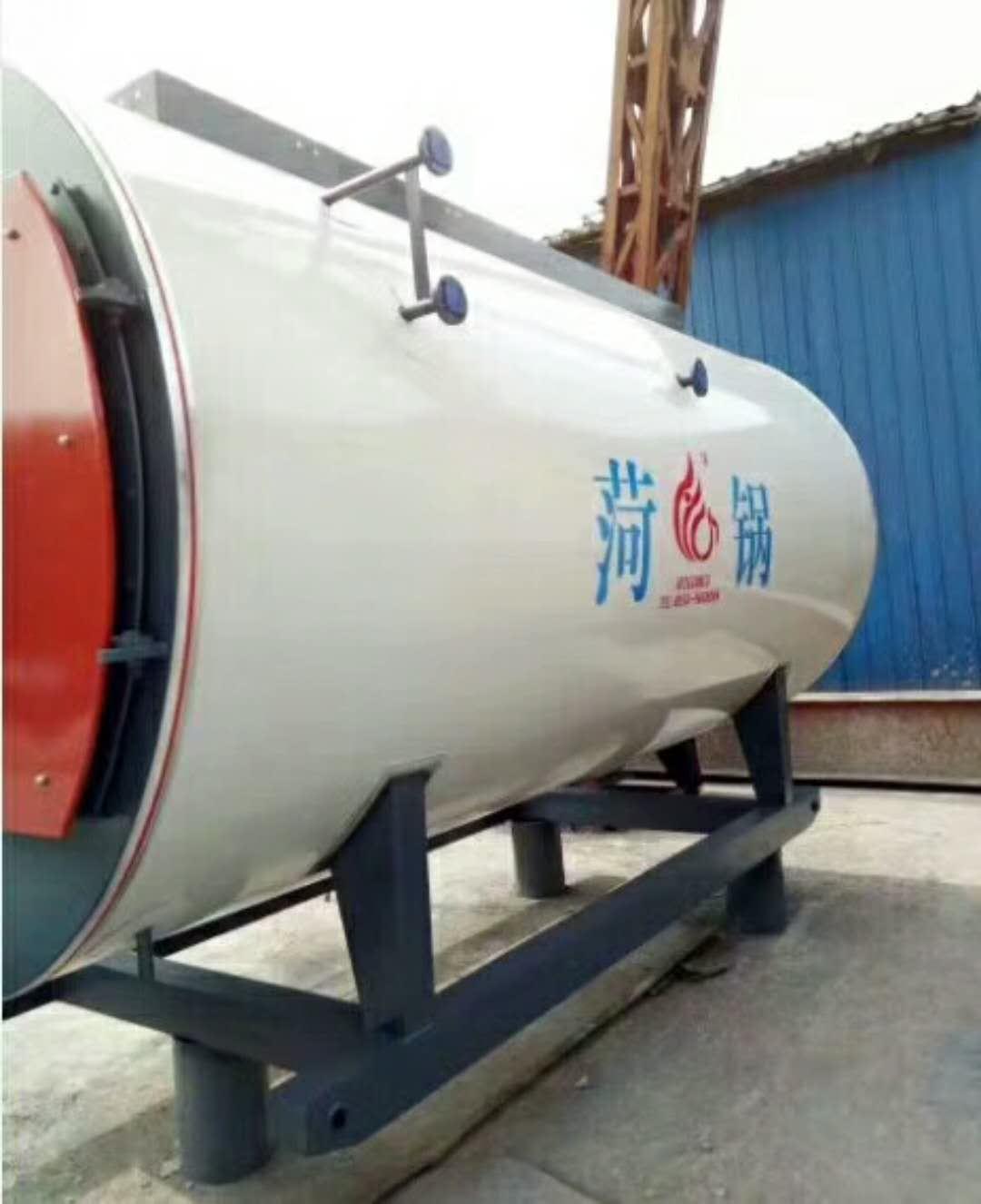

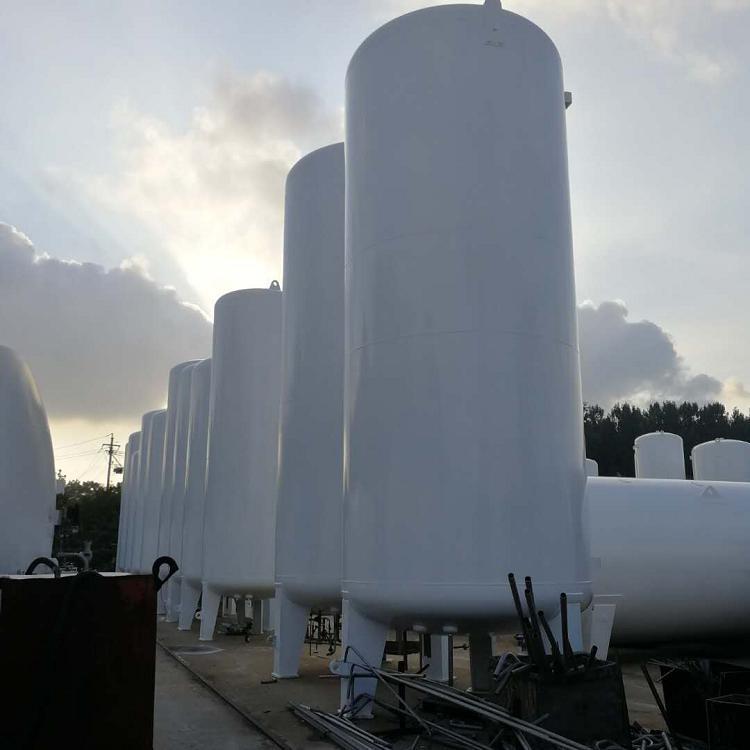
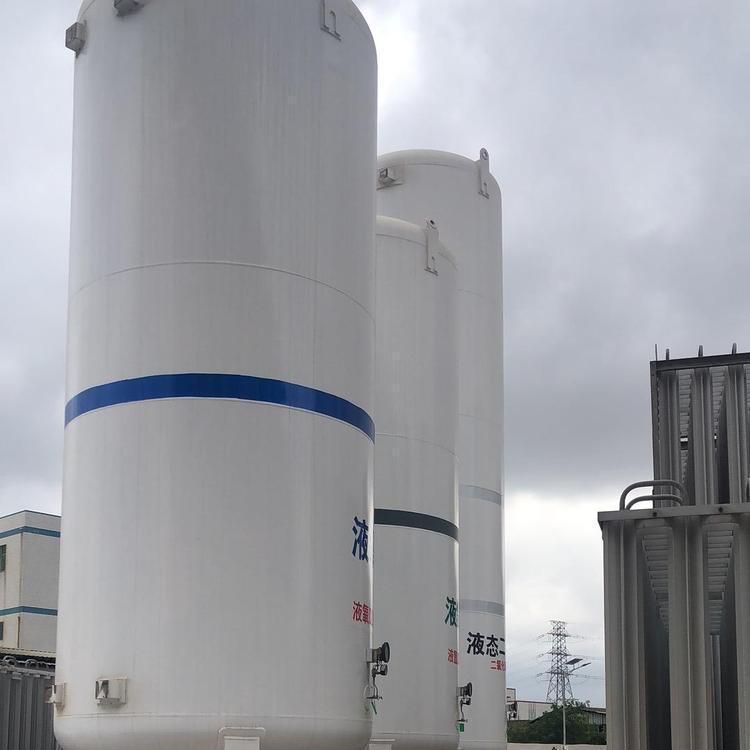


















Shandong Zhongjie Special Equipment (formerly Heze Boiler Factory Co., Ltd.) holds an A-grade boiler manufacturing license, an A2-grade pressure vessel manufacturing license, an A2-grade pressure vessel design license, a B-grade boiler installation license, and GB2/Class, GC2/Class pressure pipeline installation licenses, as well as a mechanical and electrical equipment installation contracting qualification. It is a member of the China Boiler and Water Treatment Association, the China Chemical Equipment Association, and the director unit of the Shandong Equipment Manufacturing Association. The company has also passed certifications for the ISO9001 Quality Management System, ISO14001 Environmental Management System, OHSAS18001 Occupational Health and Safety Management System, and the American ASME/U2 certification.
Daily inspection contents for liquid nitrogen tanks mainly include the following aspects:
Appearance Inspection: Check for any obvious damage, deformation, or corrosion on the storage tank's exterior, including the tank walls, valves, pipes, and joints.
Sealability Inspection: Check the sealing performance of the storage tank, including inspecting for leaks at valve and pipe connections, and verifying that the tank's exhaust valve and safety valve are functioning properly.
Pressure Check: Verify that the tank's pressure gauge is functioning properly and that the pressure is within the normal range to ensure the tank operates normally.
Level Check: Monitor the liquid nitrogen tank's level to ensure it stays within the normal range, preventing issues caused by levels that are too high or too low.
Insulation Layer Inspection: Check for any damage or detachment in the tank's insulation layer to ensure proper insulation and minimize evaporation loss of liquid nitrogen.
Leakage Inspection: Check for signs of liquid nitrogen leakage around the storage tank, including frost, ice, or liquid nitrogen stains on the ground.
Safety Equipment Inspection: Check that the storage tank's safety equipment, such as leak detectors, alarm systems, and safety valves, are functioning properly to ensure the tank's safety.
Cleaning Inspection: Regularly clean the interior of the tank to remove accumulated impurities and dirt, maintaining the tank's cleanliness and hygiene.
Above are the key contents for the daily inspection of liquid nitrogen tanks. The specific inspection items should be adjusted and supplemented according to the tank's model, usage, and relevant regulations. During the inspection process, strict adherence to the operational procedures and safety operation requirements is essential to ensure the safe operation of the tank.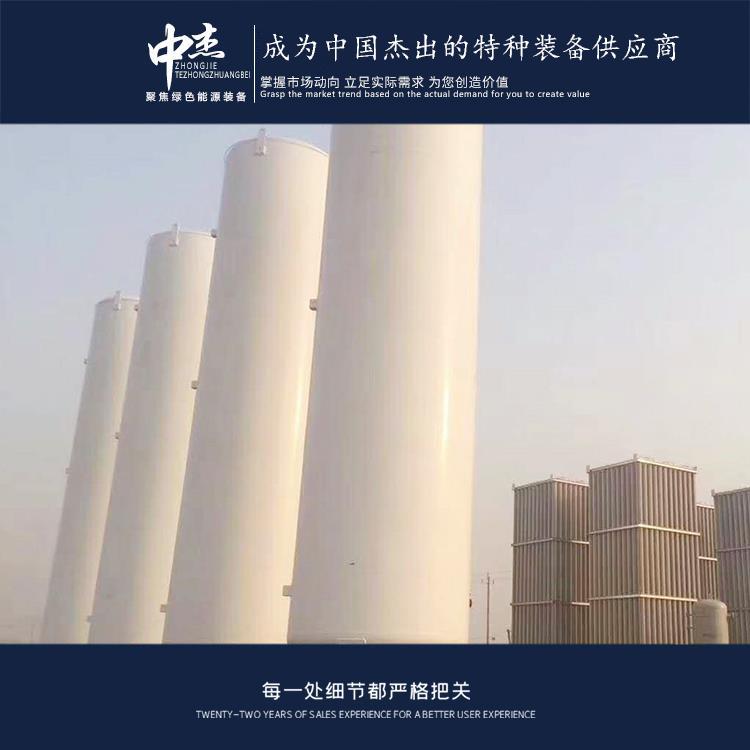
The reason for occasional venting of liquid oxygen tanks is primarily to maintain the safe pressure range within the tank and prevent excessive pressure buildup. Here are several situations where liquid oxygen tanks may occasionally vent:
Pressure Control: During operation, the pressure inside the liquid oxygen storage tank fluctuates due to evaporation of the liquid oxygen and temperature changes. To maintain a safe pressure range within the tank, regular venting is required to control the tank pressure within the safe limits.
Prevent Excessive Pressure Build-up: During oxygen filling or usage, external factors or operational errors may cause the pressure inside the liquid oxygen tank to exceed the safe limit. To prevent excessive pressure build-up, timely venting is required to reduce the pressure within the tank.
Prevent Gas Accumulation: Liquid oxygen tanks may contain some gas impurities, such as air and water vapor. These gases can condense into liquids or solids at the low temperatures of liquid oxygen, blocking pipes or affecting the normal operation of the tank. Regularly releasing gas can expel these impurities, maintaining cleanliness and unobstructed flow within the tank.
Note that the venting operation of liquid oxygen should be conducted by trained personnel and strictly adhere to the relevant operational procedures and safety measures. During the venting process, care should be taken to prevent leaks and contact with liquid oxygen to ensure the safety and reliability of the operation.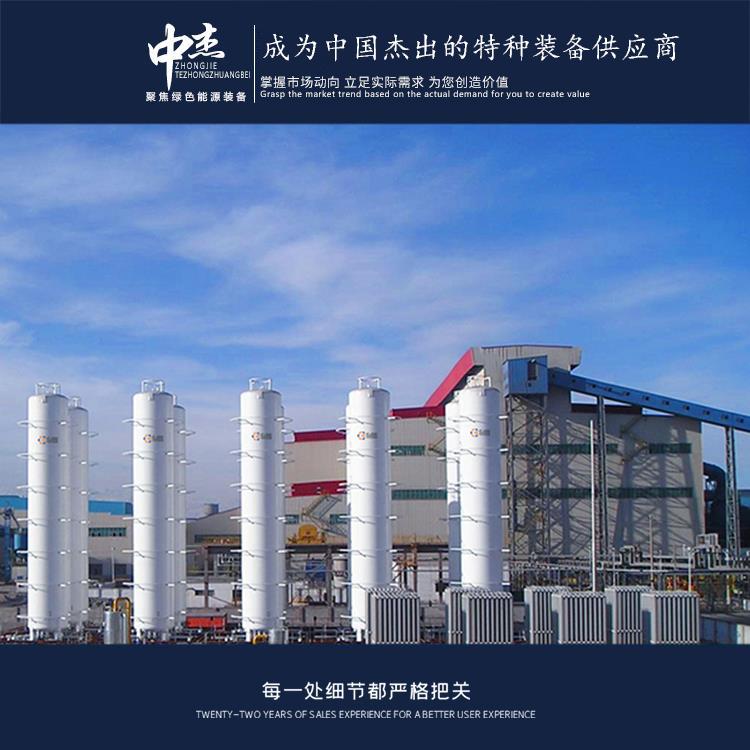
In pressure vessel design, several common "thickness" parameters must be considered:
Wall Thickness: The wall thickness refers to the actual thickness of the pressure vessel wall. The selection of wall thickness should consider factors such as the design pressure of the vessel, the strength of the material, and its corrosion resistance, to ensure the strength and safety of the container.
Bend Allowance: The bend allowance refers to the additional thickness added to the wall thickness during the manufacturing process to ensure the strength and shape of the container's bending section. The calculation and selection of the bend allowance should consider factors such as the container's bending radius and the material's bendability.
Corrosion Allowance: The corrosion allowance refers to the additional thickness added to the wall to combat corrosion effects on either the inside or outside of the container. The selection of the corrosion allowance must consider the working environment of the container and the corrosive properties of the medium it encounters, to ensure the container can withstand corrosion throughout its service life.
These "thickness" parameters play a crucial role in pressure vessel design, affecting the container's strength, corrosion resistance, and safety. During the design process, it is necessary to reasonably select and calculate these thickness parameters in accordance with relevant standards and specifications, considering the container's usage conditions and requirements, to ensure the design and manufacturing meet the requirements.
Liquid Oxygen Storage Tanks Offer the Following Advantages:
High Storage Density: Liquid oxygen tanks can store oxygen in liquid form, which has a higher storage density compared to gas storage. This means more oxygen can be stored in a limited space, providing a longer supply duration.
High Purity Oxygen Supply: Liquid oxygen tanks can provide high purity oxygen supply. After refrigeration and purification processing, liquid oxygen can achieve high purity to meet the requirements of various applications, such as industrial and scientific research fields.
Convenient and User-Friendly: The liquid oxygen tank features ease of use. Equipped with devices such as level gauges and pressure gauges inside, it allows for convenient monitoring of the liquid level and pressure. Additionally, the liquid oxygen tank is fitted with safety devices like pressure relief valves and level alarms to ensure safe operation and usage.
Long-Term Storage: Liquid oxygen tanks are suitable for long-term storage of oxygen. The low-temperature properties of liquid oxygen can slow down the evaporation and oxidation of oxygen, extending its storage life. This is beneficial for applications requiring long-term oxygen storage, such as institutions, laboratories, and industrial production.
Overall, liquid oxygen tanks offer advantages such as high storage density, pure oxygen supply, ease of use, and long-term storage. This makes them a reliable choice for oxygen supply and are widely used in industrial and scientific research fields.
Shandong Zhongjie Special Equipment, welcome clients to our factory for business discussions.
WeChat Official Account

Scan to follow Official Account



















