


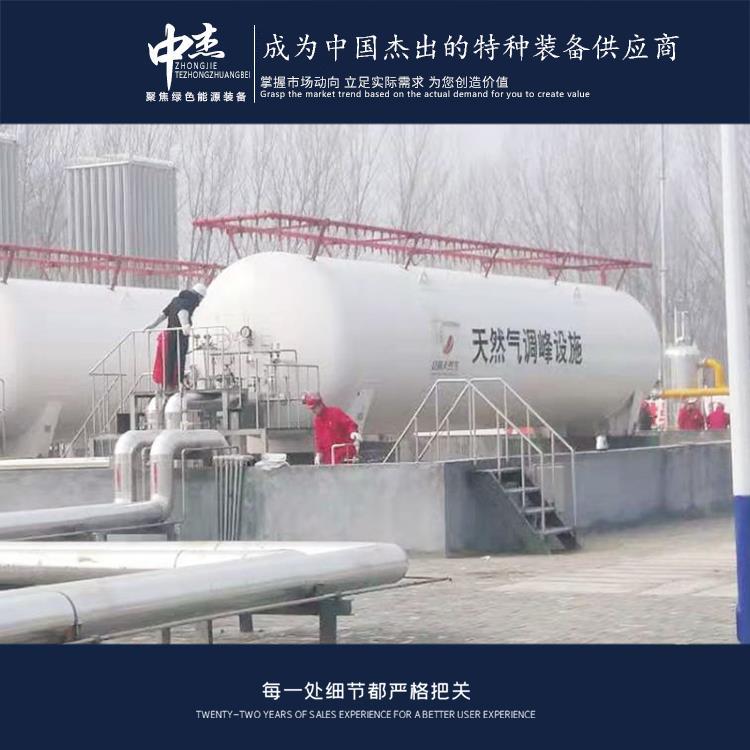


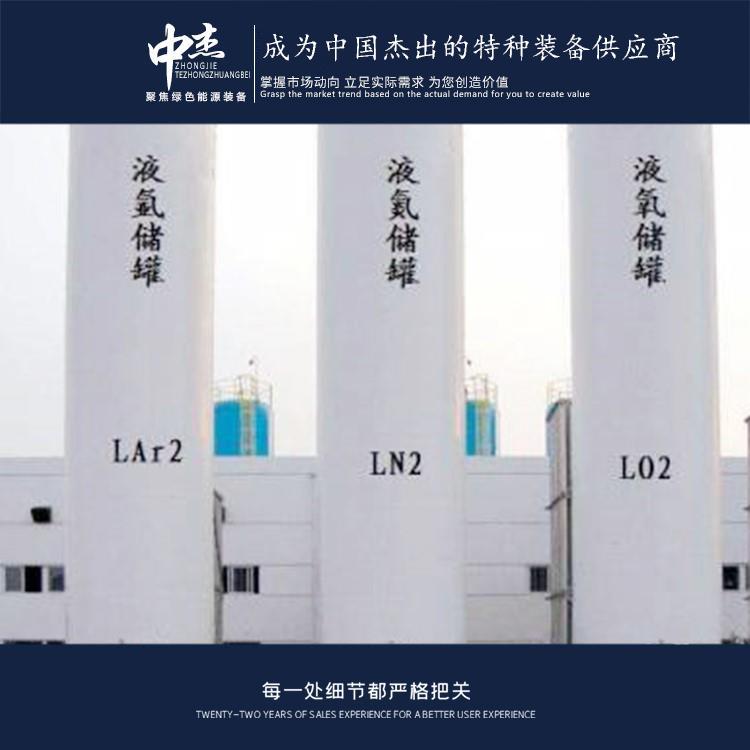


















Shandong Zhongjie Special Equipment (formerly Heze Boiler Factory Co., Ltd.) holds an A-grade boiler manufacturing license, an A2-grade pressure vessel manufacturing license, an A2-grade pressure vessel design license, B-grade boiler installation and GB2/Class, GC2/Class pressure pipeline installation licenses, as well as a qualification for electromechanical equipment installation contracting. It is a member of the China Boiler and Water Treatment Association, the China Chemical Equipment Association, and a council member of the Shandong Equipment Manufacturing Association. The company has also passed certifications for the ISO9001 Quality Management System, ISO14001 Environmental Management System, OHSAS18001 Occupational Health and Safety Management System, and the U.S. ASME/U2 certification.
When using CO2 storage tanks, pay attention to the following aspects:
- Safe Operation: Adhere to relevant safety operation procedures and standards, ensuring operators possess the necessary safety knowledge and skills. When using the tank, be mindful of safety risks such as leaks, explosions, and fires.
- Tank Pressure Control: Monitor and control the tank's pressure to ensure it remains within a safe range. Avoid exceeding the tank's rated pressure to prevent rupture or leakage.
- Level Monitoring: Regularly monitor the liquid level within the tank to ensure an adequate supply of CO2. Avoid overfilling or underfilling to maintain an appropriate level.
- Static Electricity Measures: Implement static electricity control measures to prevent accumulation and discharge. Use anti-static equipment and tools to ensure static safety during operations.
- Tank Maintenance: Regularly inspect and maintain the tank, including its appearance, valves, and connections. Ensure the tank is intact to prevent leaks and damage.
- Waste Gas Treatment: Handle waste gases produced by CO2 storage tanks to avoid environmental pollution. Take appropriate waste gas treatment measures, such as collecting and processing the waste gases.
- Storage Records: Document the tank's usage, including filling dates, quantities, and inspection records. Regularly conduct tank inspections and maintenance, and retain relevant records.
- Training and Awareness: Train operators to enhance their awareness and ability to safely operate CO2 storage tanks. Conduct regular safety training and drills to prepare for emergencies.
- Note: The above are common precautions, and specific considerations may vary depending on tank types and applications. When using CO2 storage tanks, operate according to relevant specifications and standards, and consult experts to ensure safety and effectiveness.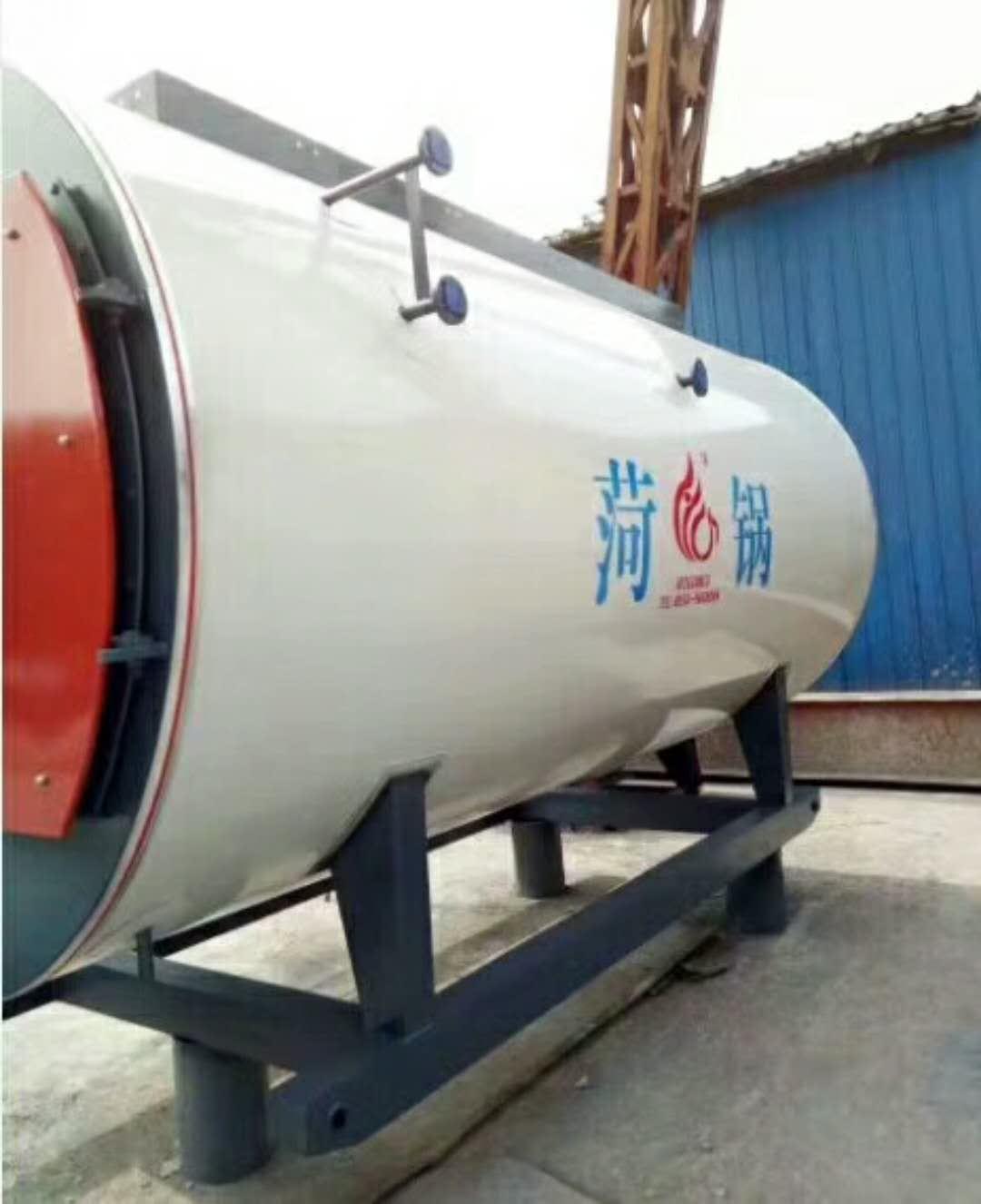
When filling liquid carbon dioxide into storage tanks, attention should be given to the following aspects:
Safety Operation: During the filling process, it is mandatory to adhere to relevant safety operation procedures and standards. Operators must receive training to understand the operational requirements and safety measures of the filling equipment and operate strictly according to the procedures.
Tank Inspection: Before filling, the tank must be inspected to ensure its integrity and safety. Check the tank's appearance, sealing, valves, and pipe connections, and repair or replace any abnormalities or damages promptly.
Filling Equipment: Select appropriate filling equipment, ensuring it complies with relevant standards and requirements. The filling equipment should have a safe and reliable design and operational functionality to ensure the safety and efficiency of the filling process.
Filling Speed Control: Controlling the filling speed is crucial. Excessive filling speed can lead to high tank pressure, increasing safety risks. Fill at a speed appropriate for the tank's capacity and design requirements to ensure safe filling.
Pressure Control: During the filling process, the tank's pressure must be strictly controlled. The filling equipment should be equipped with pressure sensors and safety valves to ensure the internal pressure of the tank remains within a safe range.
Leak Prevention: Ensure the sealing integrity of valves and pipes during the filling process to prevent carbon dioxide leakage. Regularly inspect and replace seals, and promptly address any leaks.
Monitoring and Recording: Conduct real-time monitoring and record key parameters such as pressure, temperature, and level during the filling process. This helps in detecting abnormalities early and making appropriate adjustments and treatments.
It is important to note that only trained operators should handle the filling of carbon dioxide storage tanks and follow relevant safety operation procedures and standards. Seek advice and guidance from experts.
Liquid Carbon Dioxide Filling Process: The process of filling liquid carbon dioxide into a storage tank. Here are some precautions to consider during the filling of a carbon dioxide storage tank:
- Safe Operation: Adhere to the relevant safety operating procedures when filling carbon dioxide storage tanks. Operators should be trained and understand the characteristics and safety considerations of the tank to ensure safe operations.
- Tank Capacity Control: Ensure that the filling does not exceed the tank's rated capacity. Exceeding the capacity can lead to excessive pressure within the tank, increasing safety risks.
- Filling Rate Control: Maintain a moderate filling rate to avoid both too fast and too slow filling. A rapid filling rate can cause excessive internal pressure, while a slow rate can result in extended filling times.
- Temperature Control: Monitor and control the temperature of the liquid carbon dioxide during filling. High temperatures can cause rapid evaporation, and low temperatures can lead to solidification.
- Pressure Control: Manage the internal pressure of the tank during filling. Excessive pressure can cause tank rupture or leakage, while low pressure can result in inadequate filling.
- Level Monitoring: Regularly monitor the liquid level during filling to ensure accurate measurements and avoid overfilling or underfilling.
- Pressure Relief Devices: The tank should be equipped with pressure relief devices, such as safety valves, to control internal pressure. The set pressure of these devices should meet relevant requirements and be inspected and maintained regularly.
- Environmental Protection: Be mindful of environmental protection during the filling process, avoiding leaks and pollution of liquid carbon dioxide. Use appropriate protective measures, such as sealed connections and protective devices.
- The above are some precautions to consider when filling carbon dioxide storage tanks. Follow relevant safety regulations and standards during filling operations and consult with experts to ensure safety and effectiveness.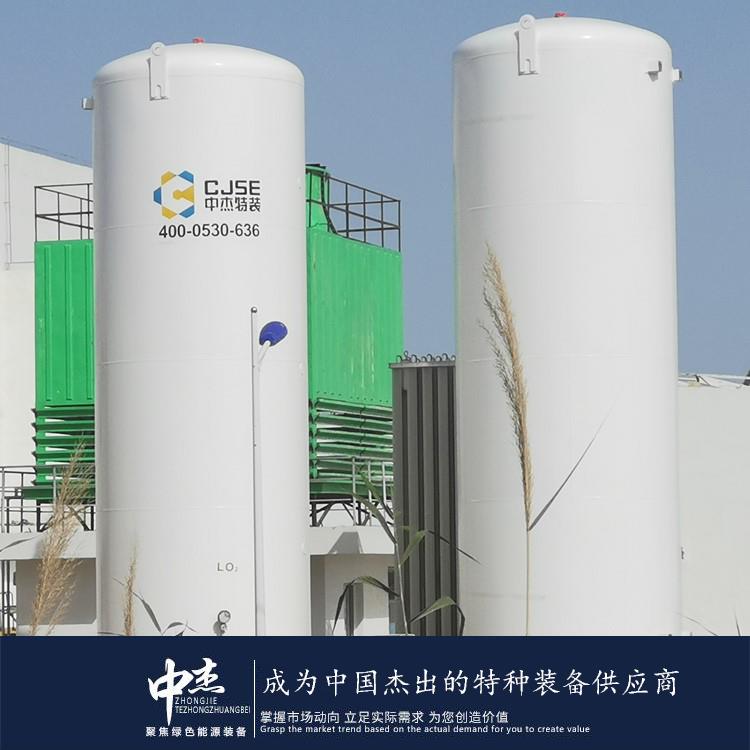
Daily inspections and maintenance of CO2 storage tanks can be conducted following these steps:
- Visual Inspection: Check for any visible damage, corrosion, or oil leakage on the tank's exterior. Pay attention to any abnormalities in the tank shell, valves, and pipe connections.
- Internal Inspection: If access is permitted, conduct an internal inspection. Check for corrosion, scale buildup, or blockages in the inner lining, valves, and pipes.
- Valve and Pipe Inspection: Verify that the tank's inlets and outlets, as well as pipe connections, are functioning normally and for any leaks or loose fittings. Ensure valves operate smoothly and reliably.
- Pressure Relief Device Inspection: Check that the tank's pressure relief devices (such as safety valves) are operating correctly. Confirm that the set pressure of the relief devices meets requirements.
- Measurement and Control System Inspection: Ensure the tank's level, pressure, and temperature measurement and control systems are functioning properly. Calibrate and test the accuracy of measurement equipment.
- Cleaning and Draining: Regularly clean the interior of the tank, removing accumulated impurities and sediments. Also, periodically drain the tank to remove liquid and gas impurities.
- Maintenance and Repair: Perform necessary maintenance and repair work based on inspection results. Repair damaged components, replace worn seals, etc., to ensure normal operation of the tank.
- Documentation and Reporting: Record the inspection and maintenance process, including dates, contents of the inspection, identified issues, and actions taken. Submit inspection reports to relevant departments or management as needed.
These are general steps for daily inspections and maintenance of CO2 storage tanks. Specific procedures should be adapted to the tank's characteristics and requirements. When conducting inspections and maintenance, follow relevant safety operating procedures and have personnel operate them.
Shandong Zhongjie Special Equipment, welcome customers to visit our factory for business talks.
WeChat Official Account

Scan to follow Official Account



















