



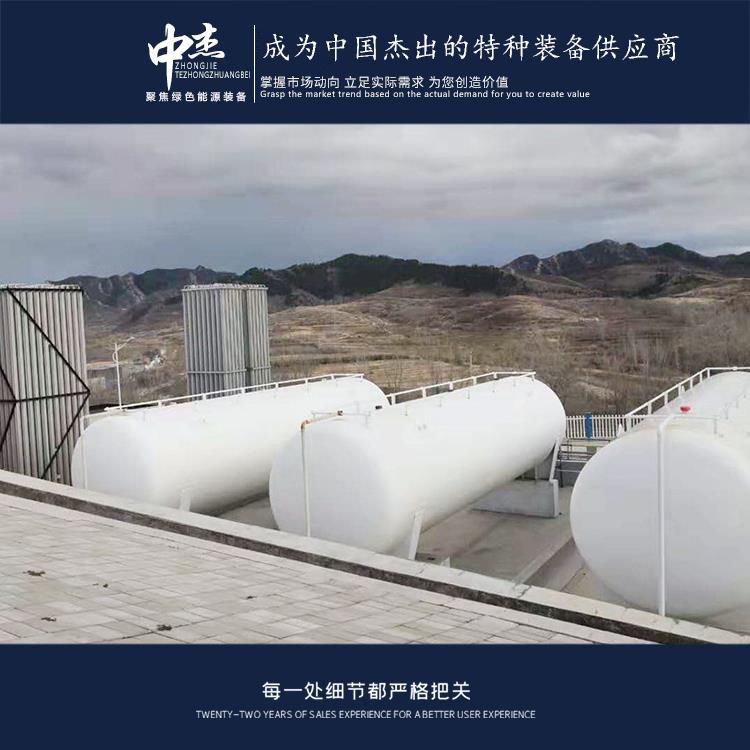
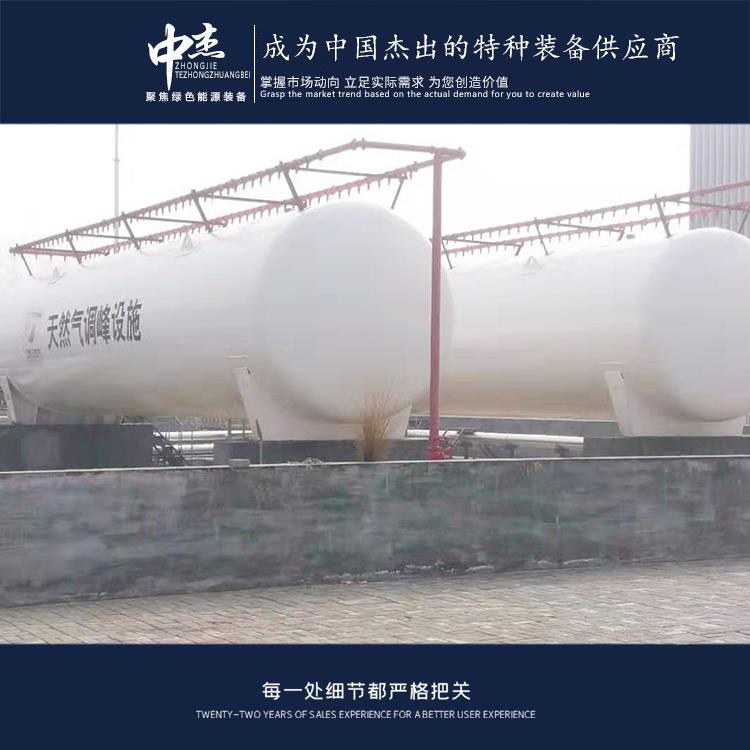


















Shandong Zhongjie Special Equipment (formerly Heze Boiler Factory Co., Ltd.) was established in 2001, located at No. 2218 Jinnan Road, Development Zone, Heze City, with a registered capital of 50 million yuan and total assets of 500 million yuan. The company has 7 business centers: boilers, deep-freezing containers, pressure vessels, central air conditioning, engineering installation, international trade, and Internet of Things. It has three factory sites on Jinnan Road, East Changjiang Road, and Bohai Road, covering a total area of 200,000 square meters, with the main workshop spanning 83,000 square meters. It currently employs 710 people, including 247 engineers and technicians and 82 intermediate-level technical personnel. In December 2016, it was recognized as a "High-tech Enterprise" by the Science and Technology Department. In June 2021, it was identified as a "Specialized and New Enterprise in Shandong Province" by the Ministry of Industry and Information Technology. In June 2022, it was recognized as a "Gazelle Enterprise in Shandong Province" and in August 2022, it was identified as a "Specialized and New Small Giant Enterprise" by the Ministry of Industry and Information Technology.
Carbon dioxide tank hydrostatic testing is a common quality inspection method used to verify the tank's sealing and pressure resistance performance. Below are the general steps for conducting a hydrostatic test on a carbon dioxide tank:
Preparation: Ensure the tank interior is clean and the tank is emptied. Check the tank's valves, pipes, and connections to ensure good sealing.
Filling with Water: Fill the tank with water, using tap water or another clean water source. Ensure even water filling to avoid bubbles or dead ends.
Applying Pressure: Use a pressure pump or other pressure equipment to gradually increase the water pressure until it reaches the predetermined test pressure. The test pressure is usually determined based on the tank's design requirements and relevant standards.
Pressure Holding: Maintain the test pressure for a period, typically 15-30 minutes. During this time, observe for any leakage and check the valves and connections for leaks.
Pressure Relief: Release the water pressure in the tank, ensuring a gradual and even release to avoid sudden pressure drops causing shocks.
Inspection and Evaluation: After pressure relief, inspect the tank's exterior and interior for any leakage. Evaluate the test results to ensure the tank's sealing and pressure resistance meet requirements.
Note that when conducting hydrostatic testing, safety operating procedures and standards should be followed to ensure safety and reliability during the process. Additionally, based on the tank's design and usage requirements, other types of tests can be conducted, such as pneumatic testing and ultrasonic testing, to comprehensively evaluate the tank's quality and performance. Seek advice and guidance from a consulting expert.
If a leak in the CO2 storage tank is detected, the following procedures should be taken immediately:
1. Identify the leak location: First, determine the exact position of the leak. This can be done through auditory detection, observation, or using gas detection equipment.
2. Emergency response: Upon discovering a leak, immediate emergency measures must be taken to ensure personnel safety. Evacuate people to a safe area and notify relevant personnel and emergency services.
3. Cut off the gas supply: As quickly as possible, shut off the CO2 supply source by closing valves or cutting power to stop the flow of CO2.
4. Locate the leak: In a safe environment, use gas detection equipment or visual inspection to find the leak. Apply soapy water or other leak detection agents to potential leak areas and observe for bubble formation.
5. Seal the leak: Once the leak location is confirmed, take temporary sealing measures using tape, sealant, or other reliable sealing materials for temporary repair. Ensure the sealing is secure and effective in preventing gas leakage.
6. Maintenance and repair: In a safe environment, further maintenance and repair can be conducted. Depending on the leak's specifics, it may be necessary to replace seals, repair or replace valves, etc. These tasks should be performed by trained personnel.
7. Inspection and testing: After repairs, conduct leak detection and testing to ensure the leak has been fully repaired and the tank's safety performance is restored.
Note: Handling leaks in CO2 storage tanks requires careful operation and adherence to relevant safety regulations and procedures. If you lack the necessary knowledge and skills, contact a professional for assistance.
When cooling carbon dioxide storage tanks, be mindful of the following points and familiarize yourself with the basic steps of the cooling process:
Precautions:
- Safety: Pay attention to safety during the cooling process to ensure the safety of operators and the surrounding environment. Adhere to relevant safety operation procedures and standards, and use appropriate personal protective equipment.
Equipment Selection: Choose the appropriate cooling equipment and tools, such as cooling media (e.g., liquid nitrogen), coolers, and cooling systems. Select the appropriate cooling equipment based on the tank's size and requirements.
Temperature Control: Control the temperature during the cooling process to avoid overcooling or insufficient temperature. Determine the appropriate cooling temperature range based on the tank's design requirements and operating conditions.
Cooling Process Analysis:
- Preparation: Ensure there are no residual gases or impurities inside the tank to avoid affecting the cooling effect. Check the tank's sealing and the operation of the safety valve.
Cooling Media Injection: Inject the cooling media (e.g., liquid nitrogen) into the tank to lower the tank's temperature. Control the injection speed and amount during the process to avoid over-injection leading to excessive pressure.
Cooling Time: Determine the cooling time based on the tank's size and requirements. The cooling time typically needs to be long enough to ensure that the carbon dioxide inside the tank is fully cooled and liquefied.
Temperature Monitoring: Regularly monitor the tank's temperature during the cooling process to ensure it remains within the appropriate range. Use temperature sensors or infrared thermometers for monitoring.
Cooling Completion: The cooling process is complete when the tank's temperature reaches the predetermined cooling requirements. At this point, the carbon dioxide inside the tank should be in a liquid state.
Note that specific cooling processes and steps may vary due to different tank designs and usage scenarios. When performing cooling operations, follow relevant safety operation procedures and standards to ensure safety and effectiveness.
When using carbon dioxide tanks, the following precautions should be taken:
Safety Operation: Prior to operating a carbon dioxide tank, it is mandatory to familiarize yourself with and adhere to the relevant safety operation procedures and guidelines. Ensure that operators have received necessary training and understand the tank's working principles, operating procedures, and emergency measures.
Tank Inspection: Regularly inspect the external and internal condition of the carbon dioxide tank, including checking for corrosion, leaks, and welds on the tank walls. If any abnormalities or damage are found, take prompt repair or replacement measures.
Tank Pressure Control: Maintain the internal pressure of the tank within a safe range. Monitor and control the tank's pressure to avoid damage or safety risks from excessive or low pressure.
Fire Prevention Measures: Carbon dioxide is a flammable gas, and fire prevention measures must be observed during use. Avoid open flame work near the tank and ensure the surrounding environment is flame-free.
Leakage Handling: In the event of a carbon dioxide leak, immediate appropriate emergency measures should be taken. Promptly notify relevant personnel, ensure safe evacuation, and take steps to prevent the spread of the leak.
Tank Maintenance: Regularly perform maintenance and upkeep on the tank, including cleaning, lubrication, and corrosion prevention. Follow the manufacturer's recommendations and guidelines to ensure the tank operates normally and extends its lifespan.
Compliance: Adhere to local regulations, standards, and specifications to ensure the tank's design, manufacture, installation, and use meet the corresponding requirements.
It is crucial to strictly adhere to safety operation procedures when using carbon dioxide tanks and to collaborate with relevant personnel to ensure the tank's safety and reliability.
ZJ Special Equipment upholds the grand vision of "realizing employees' dreams, creating customer value, and striving for the prosperity and strength of our motherland," focusing on the development of green energy equipment. We dedicate high-quality products and services with competitive pricing to society!
WeChat Official Account

Scan to follow Official Account



















