


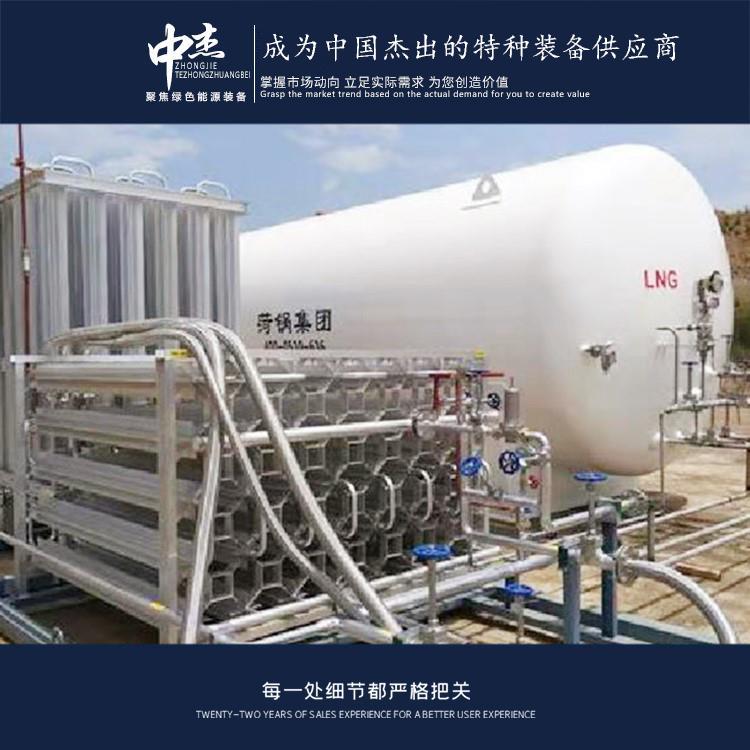

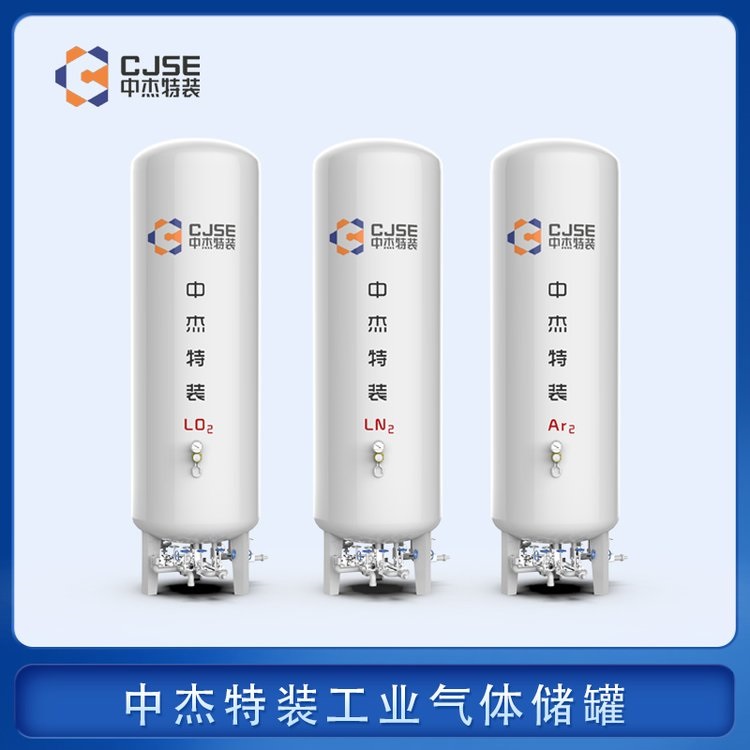
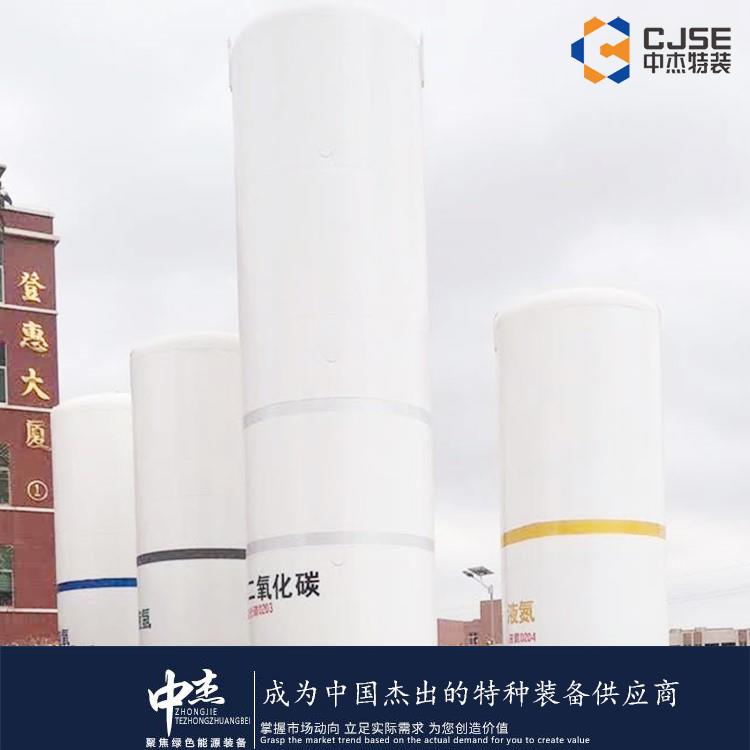


















Shandong Zhongjie Special Equipment specializes in products such as fuel (gas) boilers, organic heat carrier boilers, biomass boilers, waste heat recovery boilers, and other boiler products; vacuum insulation cryogenic pressure vessels like LNG, oxygen/nitrogen/argon storage tanks, and CO2 storage tanks; pressure vessel products including denitrification engineering equipment, heat storage and energy storage equipment, and complete chemical equipment sets; central air conditioning and HVAC equipment such as ground (water) source heat pumps, air source units, water-cooled screw units, and air-cooled modular units. Planned products include large-scale energy centers, LNG transport vehicles, LNG tank containers, and other green energy equipment.
Urea synthesis from carbon dioxide is a significant chemical reaction with several applications: Urea Production: Urea is a crucial nitrogen fertilizer and chemical, widely used in both agricultural and industrial sectors. Carbon dioxide synthesis is one of the commonly used methods for urea production. In this process, carbon dioxide reacts under high temperature and pressure to form urea. This method utilizes carbon dioxide resources, reducing dependence on fossil fuels used in traditional urea production. Urea Fuel: Urea can also serve as a urea fuel for internal combustion engines and combustion equipment. By heating and decomposing urea, it releases energy that reacts with oxygen in the air to produce combustion heat. This combustion process only produces water vapor and nitrogen as by-products, minimizing environmental pollution. Chemical Synthesis: Urea is an essential raw material for the synthesis of many chemicals. Carbon dioxide synthesis of urea provides a sustainable supply for the chemical industry, used in the production of other chemicals like plastics, resins, paints, etc. Energy Storage: Urea can also act as a medium for energy storage. By synthesizing urea from carbon dioxide, energy can be stored in the form of chemical bonds. When energy is needed, it can be released by decomposing urea, which then reacts with oxygen in the air to produce combustion heat, releasing stored energy. The development of carbon dioxide synthesis urea technology aims to reduce dependence on fossil fuels used in traditional urea production methods, lower greenhouse gas emissions, and promote the development of sustainable agriculture and the chemical industry. However, this technology is still in continuous development and research, requiring further technological breakthroughs and practical verification for large-scale application.
When using CO2 storage tanks, pay attention to the following aspects:
- Safe Operation: Adhere to relevant safety operation procedures and standards, ensuring operators possess the necessary safety knowledge and skills. When using the tank, be mindful of safety risks such as leaks, explosions, and fires.
- Tank Pressure Control: Monitor and control the tank's pressure to ensure it stays within a safe range. Avoid exceeding the tank's rated pressure to prevent rupture or leakage.
- Level Monitoring: Regularly monitor the liquid level within the tank to ensure an adequate supply of CO2. Avoid overfilling or underfilling to maintain an appropriate level.
- Anti-static Measures: Implement anti-static measures to prevent static buildup and discharge. Use anti-static equipment and tools to ensure static safety during operations.
- Tank Maintenance: Regularly inspect and maintain the tank, including its exterior, valves, and connections. Ensure the tank remains intact to prevent leaks and damage.
- Waste Gas Treatment: Handle waste gases produced by CO2 storage tanks to avoid environmental pollution. Take appropriate waste gas treatment measures, such as collecting and processing the waste gas.
- Storage Records: Document the tank's usage, including filling dates, quantities, and inspection records. Regularly conduct tank inspections and maintenance, and retain relevant records.
- Training and Awareness: Train operators to enhance their awareness and ability to safely operate CO2 storage tanks. Conduct regular safety training and drills to prepare for emergencies.
- Note: The above are common precautions; specific considerations may vary depending on tank type and application. When using CO2 storage tanks, operate according to relevant specifications and standards, and consult experts to ensure safety and effectiveness.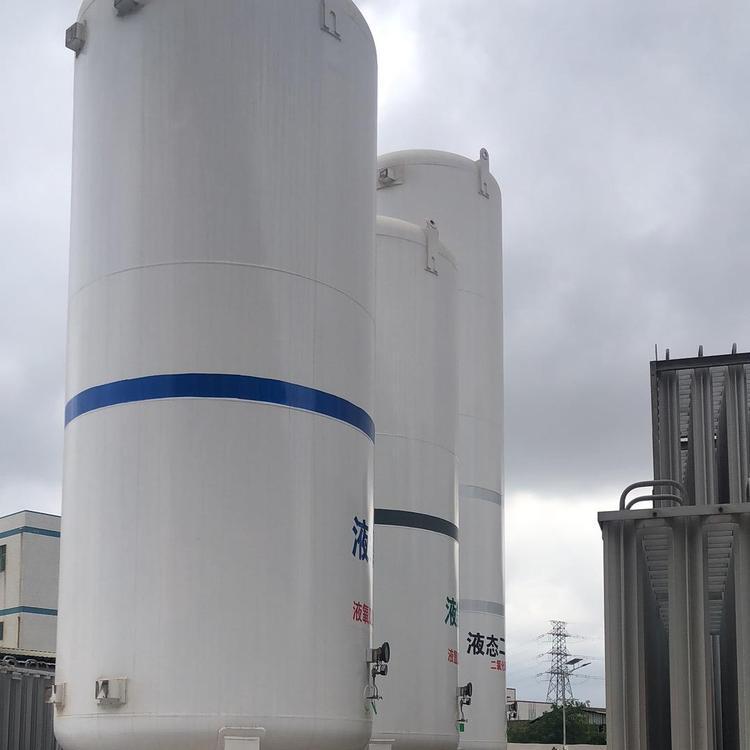
Carbon dioxide storage tanks feature the following safety technical characteristics:
- High-strength materials: These tanks are typically made of high-strength steel or alloy materials to withstand stress and loads under high pressure and low-temperature conditions.
- Safety valves and pressure relief devices: Equipped with safety valves and pressure relief devices to control internal tank pressure and prevent overpressure and explosions. The safety valve will automatically open to release pressure when the internal pressure exceeds the set value.
- Insulation layer: An insulation layer is installed inside the tank to reduce heat transfer and liquid evaporation. The insulation layer usually consists of multi-layer structures, including thermal insulation materials and an external protective layer, to maintain stable internal tank temperatures.
- Level monitoring and control: The tank is fitted with level monitoring devices to monitor the liquid level inside. Timely monitoring and control of the level ensure the liquid storage is within a safe range.
- Fire and explosion prevention measures: Fire-resistant coatings, fire isolation areas, and explosion-proof devices are implemented to prevent fires and explosions.
- Leak detection and alarm system: The tank is equipped with a leak detection and alarm system to promptly detect and alert of any leakage. Quick response and handling can minimize the safety risks caused by leaks.
- Regular inspections and maintenance: Regular checks and maintenance are required, including visual inspections, valve maintenance, and pressure tests, to ensure the tank's safety performance and reliability.
- It should be noted that the specific safety technical characteristics of carbon dioxide storage tanks may vary depending on the type of tank and its application. When using carbon dioxide storage tanks, relevant regulations and standards should be followed.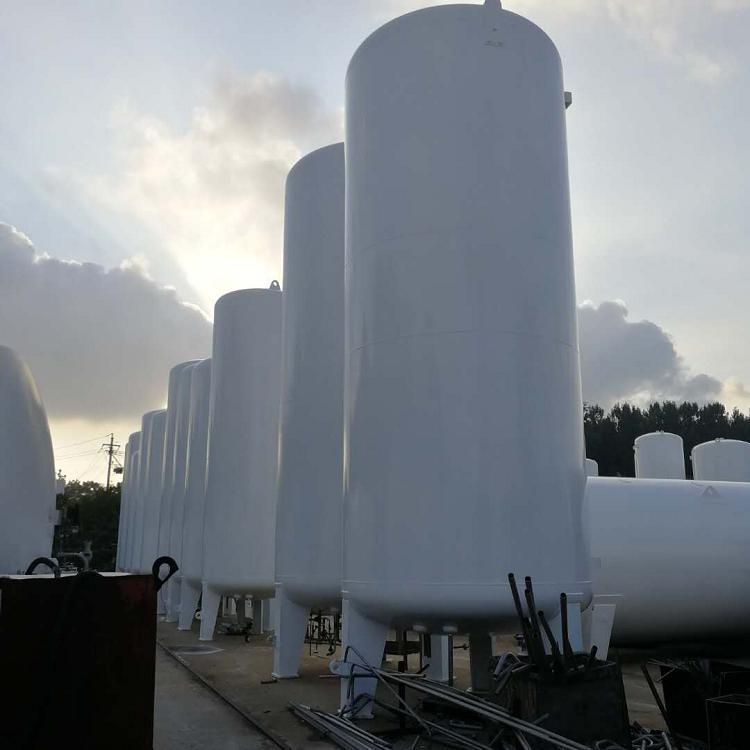
Carbon Dioxide Tank Commissioning typically involves the following steps and contents: Tank Installation Inspection: Verify that the tank's installation location, foundation, and support structure meet design requirements to ensure stability and safety. Pipe Connection Inspection: Check the tank's connections to inlets and outlets for firmness, and that valves and pipes open and close properly, ensuring the integrity and operation of the piping system. Tank Cleaning and Draining: Before commissioning, clean and drain the tank to ensure no impurities or residues are present inside, and that no other gases or liquids are inside. Tank Pressure Testing: Conduct pressure tests on the tank, including static pressure and leak tests. Static pressure testing involves increasing pressure to check the tank's sealing and pressure resistance. Leak testing checks for any leaks in the tank and piping system. Control System Commissioning: Calibrate and adjust the tank's control system, including pressure, temperature, and level sensors, to ensure accuracy and reliability. Safety System Testing: Test the tank's safety system, including safety valves, pressure gauges, and level gauges, to ensure proper operation and response. Operating Parameters Adjustment: Adjust the tank's operating parameters like pressure, temperature, and level according to actual needs and process requirements to meet process demands and ensure safe operation. Documentation and Reporting: Record and organize data, test results, and operational records during the commissioning process to generate a commissioning report for future reference and management. The above are general steps and contents for carbon dioxide tank commissioning, and specific commissioning activities may vary depending on tank design and application scenarios. When conducting commissioning work, strictly adhere to relevant safety operating procedures and standards to ensure the safety and effectiveness of the commissioning process.
Shandong Zhongjie Special Equipment, welcome clients to our factory for business talks.
WeChat Official Account

Scan to follow Official Account



















