


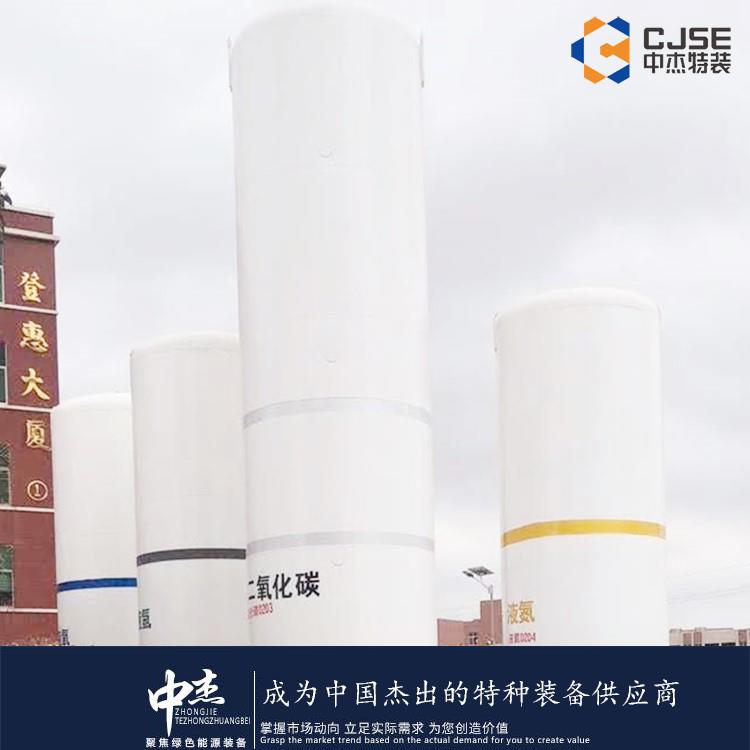

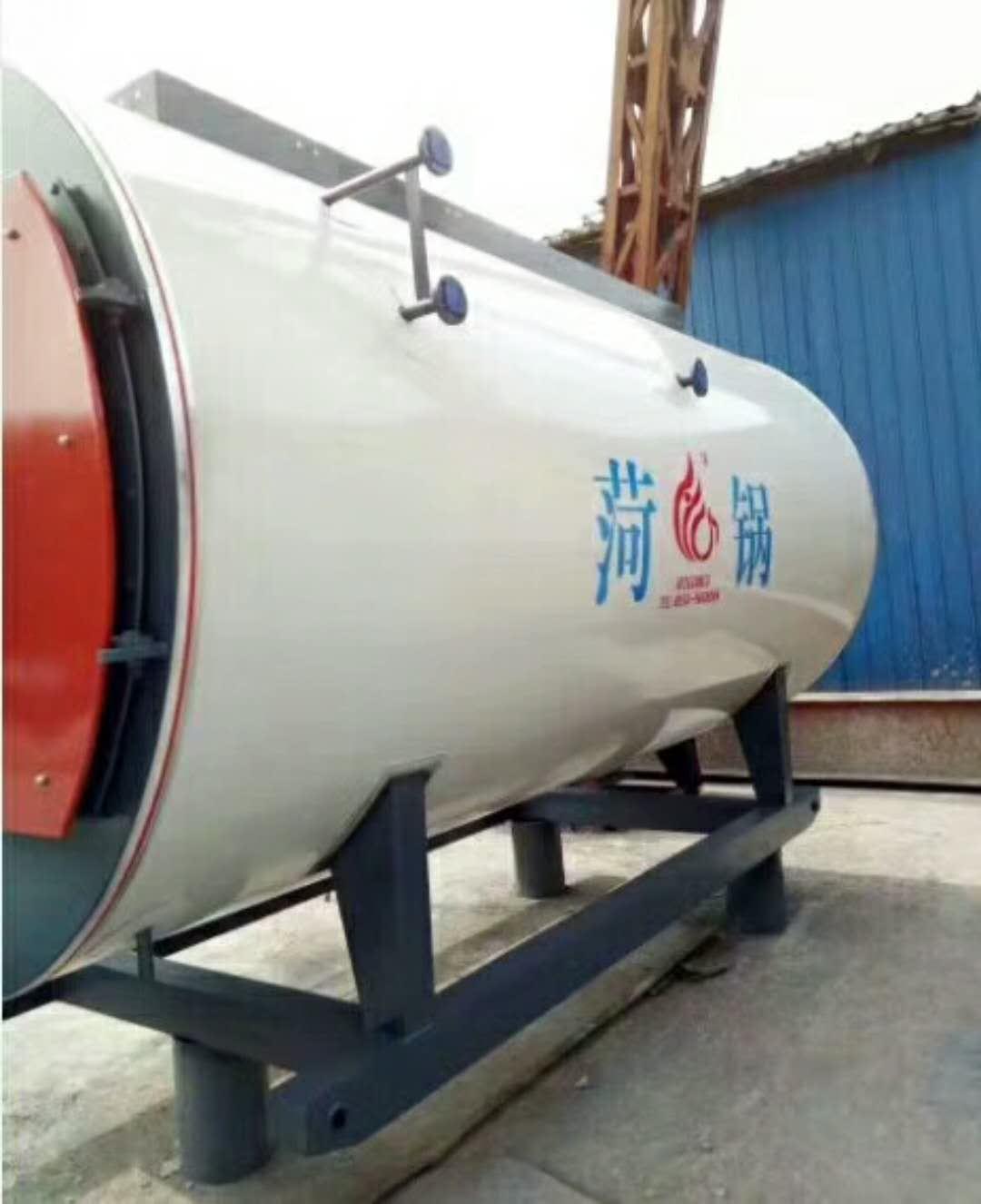


















Shandong Zhongjie Special Equipment Co., Ltd. specializes in the following products: fuel (gas) boilers, organic heat carrier boilers, biomass boilers, waste heat recovery boilers, and other boiler products; vacuum insulation cryogenic pressure vessels such as LNG tanks, oxygen/nitrogen/argon tanks, CO2 tanks; pressure vessel products including denitrification engineering equipment, heat storage and energy storage equipment, complete chemical equipment; central air conditioning and ventilation equipment such as ground (water) source heat pumps, air source units, water-cooled screw units, and air-cooled modular units. Planned products include large-scale energy centers, LNG transport vehicles, LNG tank containers, and other green energy equipment.
The reasons for regular inspections of low-temperature liquid carbon dioxide storage tanks are to ensure their safety performance and normal operation. Due to the storage tanks' exposure to low temperatures and high pressures, certain safety risks are present, such as leaks and structural fractures. Regular inspections help to identify potential issues early, allowing for timely repairs or maintenance to ensure safe operation. The specific inspection frequency should be determined according to relevant regulations and standards, and it is generally recommended to conduct routine inspections and maintenance. Typically, the time interval for regular inspections of low-temperature liquid carbon dioxide storage tanks is between 1 to 3 years, with the exact interval potentially varying based on factors such as usage, age, and design standards. The content of regular inspections usually includes visual inspections of the tank, checks of valves and connections, leak detection, and pressure tests. Additionally, regular inspections and maintenance of the tank's insulation should also be performed to ensure its insulating performance. It is important to note that the specific inspection frequency and content should be determined based on local laws, standards, and the manufacturer's recommendations. Inspections should be carried out by qualified personnel, and results and maintenance records should be documented for tracking and managing the tank's safety performance.
二氧化碳储罐在使用过程中可能会遇到一些常见问题,需要进行维修和处理。以下是一些常见的问题和相应的维修方法: 泄漏问题:储罐可能出现泄漏,导致二氧化碳的损失和安全隐患。维修方法包括检查和更换密封件、修复或更换泄漏的管道和阀门等。 腐蚀问题:储罐的外壁和内壁可能会受到腐蚀,影响储罐的结构和安全性。维修方法包括清洗和修复腐蚀部位,涂覆防腐涂层,或者更换受损的部件。 压力问题:储罐的压力可能出现异常,过高或过低,影响储罐的正常运行。维修方法包括检查和调整压力控制系统,修复或更换压力传感器、安全阀等。 温度问题:储罐的温度可能出现异常,过高或过低,影响二氧化碳的储存和使用。维修方法包括检查和调整温度控制系统,修复或更换温度传感器、冷却设备等。 控制系统问题:储罐的控制系统可能出现故障,导致无常控制和监测储罐的运行状态。维修方法包括检查和修复控制系统的电气元件、传感器、仪表等。 需要注意的是,对于二氧化碳储罐的维修和处理,应由的技术人员进行操作,并遵循相关的安全操作规程和标准。在维修过程中,应确保储罐的安全性和稳定性,以及维修过程的安全性。好咨询工程师或储罐制造商的建议和指导。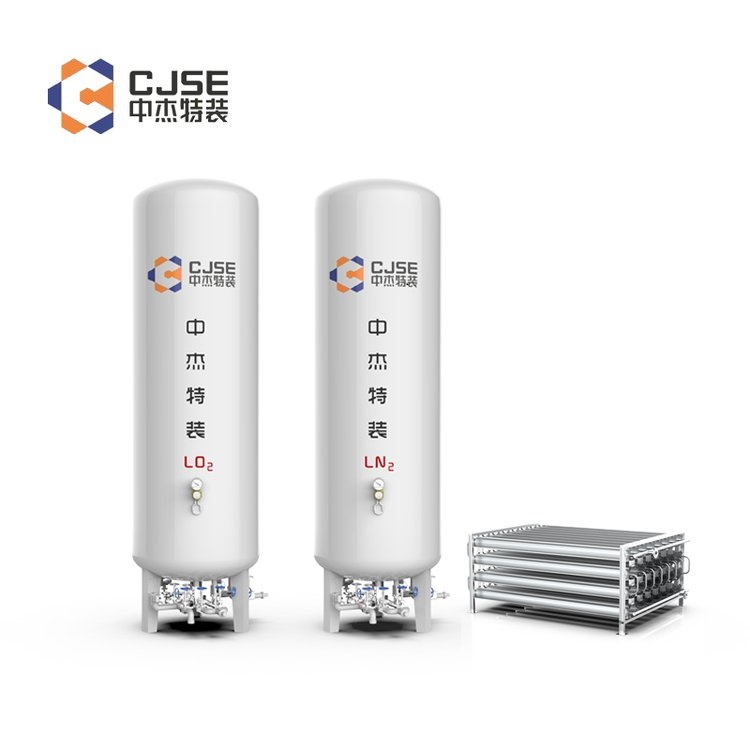
The working principle of carbon dioxide storage tanks involves the compression and liquefaction of carbon dioxide. Here is a brief description of the working principle of carbon dioxide storage tanks: Compression: Carbon dioxide gas is first compressed to a higher pressure by a compressor. This process compresses the gas into a high-pressure state, enabling it to be converted into a liquid. Cooling: The compressed carbon dioxide gas enters a cooler, where it is rapidly cooled through a cooling agent or system within the cooler. This process cools the gas below its boiling point, converting it into a liquid. Storage: The cooled carbon dioxide liquid is stored in sealed tanks, which typically have insulation to reduce the evaporation of liquid carbon dioxide and maintain a low temperature. The pressure inside the tank is maintained within a certain range to ensure stable storage of the liquid carbon dioxide. Supply: When carbon dioxide is needed, it can be extracted from the tank through valves and piping systems. By controlling the opening and flow of the valves, liquid carbon dioxide can be supplied to the required equipment or system. It should be noted that the working principle of carbon dioxide storage tanks may vary depending on specific design and manufacturing. When using carbon dioxide storage tanks, follow the operation manual and safety guidelines, and cooperate with local regulatory agencies and personnel to ensure the safety and reliability of the tank.
In recent years, the peak development of low-temperature liquid storage tanks can be attributed to the following factors:
1. Increasing energy demand: As the economy grows and the population expands, the demand for energy continues to rise. Low-temperature liquid storage tanks are primarily used for storing liquefied natural gas (LNG), liquid oxygen (LOX), liquid nitrogen (LIN), and other low-temperature liquid energy sources to meet the growing energy needs.
2. Greenhouse gas emission reduction: These tanks can store and transport liquid carbon dioxide (CO2) for carbon capture and storage (CCS) technologies, helping to reduce greenhouse gas emissions. With growing concerns for environmental protection and climate change, the demand for low-temperature liquid storage tanks in the CCS field has also increased.
3. Industrial development needs: The application of low-temperature liquid storage tanks in the industrial sector is also on the rise. For instance, in chemical, pharmaceutical, food and beverage industries, there is a need to store and transport low-temperature liquid raw materials or products, such as liquid nitrogen, liquid oxygen, and liquid ethylene. As these industries develop, the demand for low-temperature liquid storage tanks also increases accordingly.
4. Technological advancement and innovation: In recent years, there have been continuous advancements and innovations in the design, manufacturing, and transportation of low-temperature liquid storage tanks. The application of new materials, optimization of tank structures, and improvements in safety control systems have made these tanks safer and more reliable, further propelling their peak development.
In summary, factors such as increasing energy demand, greenhouse gas emission reduction, industrial development needs, and technological advancement and innovation have collectively driven the peak development of low-temperature liquid storage tanks in recent years. As related industries develop and technology advances,
Our company places a high priority on technological innovation and research and development, boasting 1 municipal-level enterprise technology center in Heze City. We have established testing facilities for non-destructive testing, physical and chemical testing, welding testing, hydrostatic testing, etc. Equipped with over 600 pieces of various equipment such as CNC machine tools, X-ray flaw detectors, digital ultrasonic flaw detectors, mechanical property testing machines, chemical analyzers, spectrometers, tensile testing machines, plasma welding machines, and more, our R&D of key products like temperature-pressure vessels for welding, biomass boiler emission reduction, and waste heat recovery has been selected for multiple Shandong Provincial Department of Industry and Information Technology Science and Technology Innovation Projects, key provincial projects, and Heze City innovative excellence projects. We have累计 obtained 27 authorized utility models, 16 authorized inventions, participated in drafting 2 standards, 2 industry standards, and registered 15 trademarks. Our technical team, in collaboration with Professor Li Yajiang of Shandong University, has developed deep-chill container processing technology using the international plasma arc + filler wire argon arc welding (PAW-GTAW) technology. The provincial-level scientific and technological achievement assessment confirms that our technology level in deep-chill container manufacturing has reached an international standard. Choose Zhongjie Special Equipment, let's join hands to create brilliance together!
WeChat Official Account

Scan to follow Official Account



















