


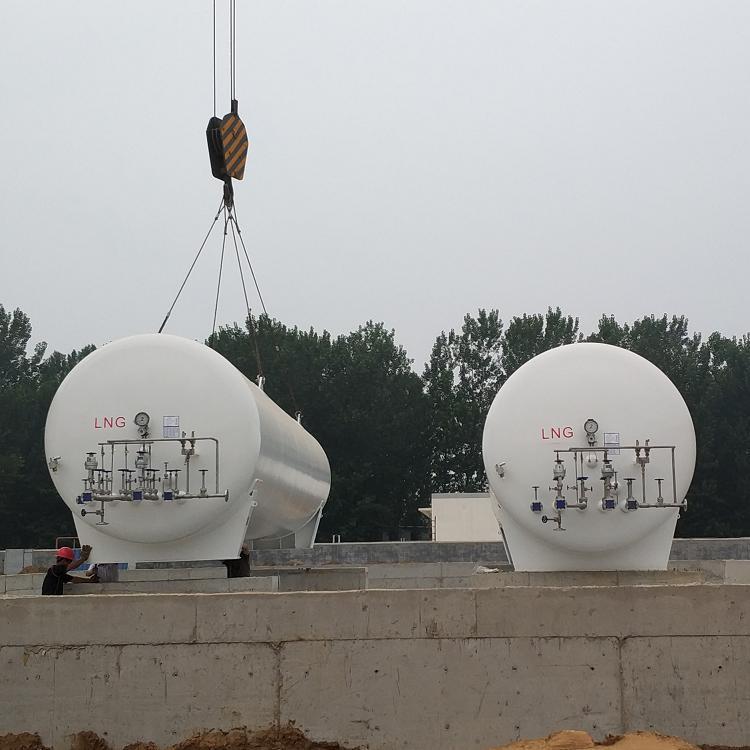

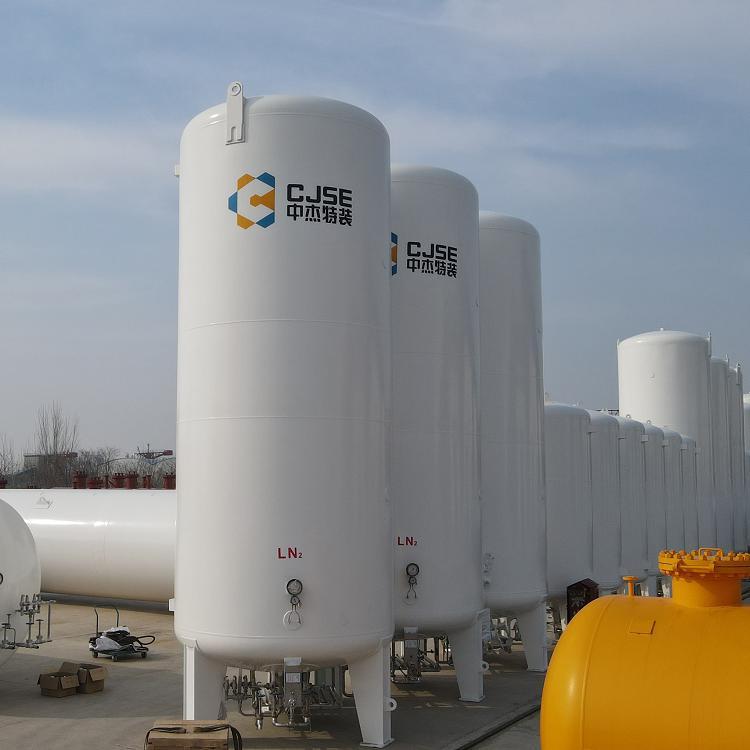
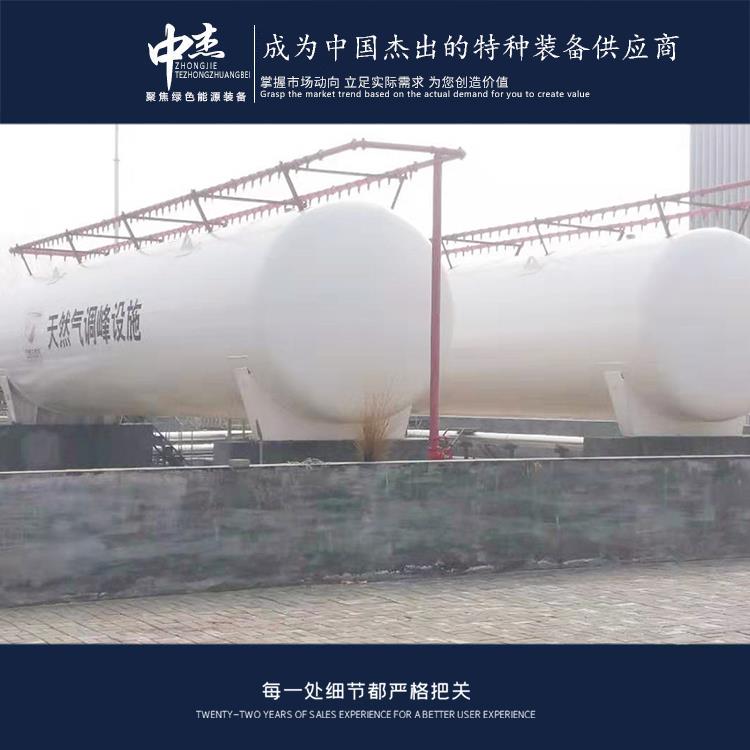


















Shandong Zhongjie Special Equipment (formerly Heze Boiler Factory Co., Ltd.) was established in 2001, located at No. 2218 Jinnan Road, Economic Development Zone, Heze City. With a registered capital of 50 million yuan and total assets of 500 million yuan, the company has 7 business centers: boilers, deep-freezing containers, pressure vessels, central air conditioning, engineering installation, international trade, and Internet of Things. It has three manufacturing sites on Jinnan Road, East Changjiang Road, and Bohai Road, covering a total area of 200,000 square meters, with the main workshop spanning 83,000 square meters. The company currently employs 710 people, including 247 engineers and technicians and 82 intermediate-level technicians. In December 2016, it was recognized as a "High-tech Enterprise" by the Science and Technology Department. In June 2021, it was identified as a "Specialized and New Enterprise in Shandong Province" by the Ministry of Industry and Information Technology. In June 2022, it was recognized as a "Gazelle Enterprise in Shandong Province" and in August 2022, it was identified as a "Specialized and New Small Giant Enterprise" by the Ministry of Industry and Information Technology.
Carbon dioxide cylinder hydrostatic testing is a common quality inspection method used to verify the cylinder's sealing and pressure resistance. Below are the general steps for conducting a hydrostatic test on a carbon dioxide cylinder:
Preparation: Ensure the cylinder interior is clean and the cylinder is empty. Check the cylinder's valves, pipes, and connections to ensure they are sealed properly.
Filling with Water: Fill the cylinder interior with water, using tap water or other clean sources. Ensure even water filling to avoid bubbles or dead spots.
Applying Pressure: Use a pressure pump or other pressure device to gradually increase water pressure until reaching the predetermined test pressure. The test pressure is typically determined based on the cylinder's design requirements and relevant standards.
Maintaining Pressure: After reaching the test pressure, hold it for a period, usually 15-30 minutes. During this time, observe for any leakage and check if the valves and connections are leaking.
Releasing Pressure: Release the cylinder's water pressure, ensuring a slow and even release to avoid sudden pressure release causing shock.
Inspection and Evaluation: After pressure release, inspect the cylinder's exterior and interior for any leakage. Evaluate the test results to ensure the cylinder's sealing and pressure resistance meet requirements.
It is important to note that when conducting hydrostatic tests, follow relevant safety operation procedures and standards to ensure safety and reliability during the process. Additionally, based on the cylinder's design and usage requirements, other types of tests can be conducted, such as gas pressure tests, ultrasonic inspections, etc., to comprehensively assess the cylinder's quality and performance. Seek advice and guidance from a consultant.
In accordance with China's "Regulations for the Safety Supervision of Pressure Vessel Technology," carbon dioxide storage tanks are classified as Category II pressure vessels. The regulations categorize pressure vessels into the following types:
- Category I pressure vessels: Those with working pressures of 10 MPa (MegaPascals) or higher, such as steam boilers and pressure vessels.
- Category II pressure vessels: Those with working pressures between 0.1 MPa and 10 MPa, such as air compressors and liquefied gas storage tanks.
- Category III pressure vessels: Those with working pressures between 0.05 MPa and 0.1 MPa, such as storage tanks.
- Category IV pressure vessels: Those with working pressures below 0.05 MPa, such as gas cylinders.
Based on this classification, carbon dioxide storage tanks typically have working pressures above 0.1 MPa, thus falling under Category II pressure vessels. It is important to note that specific classification criteria may vary depending on different regions' regulations and standards. When using and managing carbon dioxide storage tanks, it is necessary to comply with the corresponding legal and standard requirements.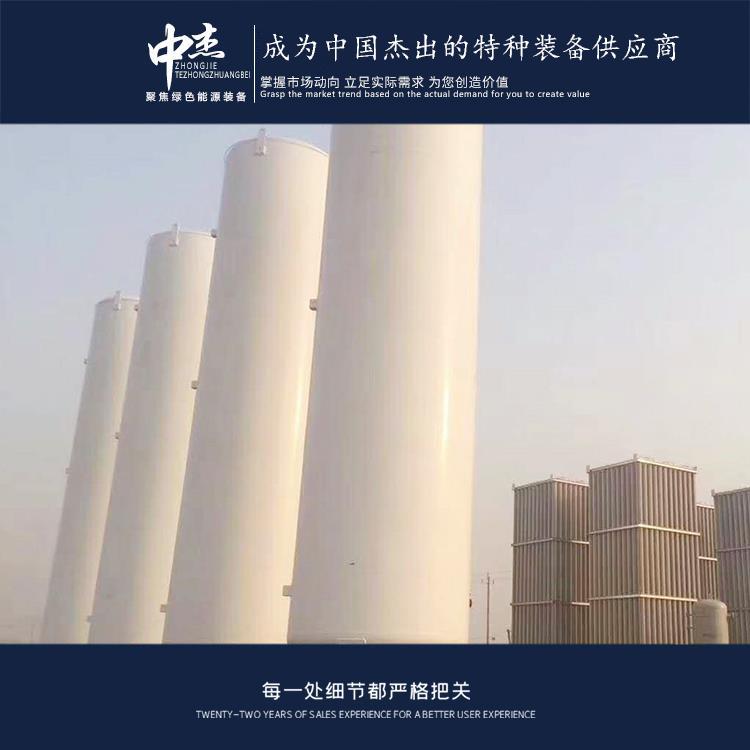
Carbon dioxide storage tanks are equipment used for storing and supplying carbon dioxide gas, with the following parameters, functions, and features:
Parameters:
- Capacity: The capacity of carbon dioxide storage tanks can be customized to meet requirements, typically expressed in the volume of liquid carbon dioxide, such as kiloliters or cubic meters.
- Pressure: The internal pressure of the tank is usually controlled within a safe range to ensure the safety of storage and supply.
- Temperature: Carbon dioxide storage tanks generally need to be maintained at low temperatures to maintain the liquid state of carbon dioxide.
Functions:
- Storage: Carbon dioxide storage tanks can compress carbon dioxide gas into a liquid state, achieving high-density storage, saving space and costs.
- Supply: Carbon dioxide within the tank can be supplied to the required fields through pipelines or other means, such as the food and beverage industry, various industries, fire extinguishing, etc.
Features:
- Environmental and Renewable: Carbon dioxide is an environmentally friendly gas. By storing and utilizing carbon dioxide, its emissions into the atmosphere can be reduced, achieving environmental protection and sustainable development.
- Safe and Reliable: During the design and manufacturing process, carbon dioxide storage tanks are usually made of high-strength materials with good pressure resistance and safety. The tank is equipped with safety valves, pressure gauges, and other accessories to ensure safe operation.
- Multiple Application Fields: Carbon dioxide storage tanks are widely used in the food and beverage industry, various industries, fire extinguishing, and other fields. Carbon dioxide can be used as a food preservative, beverage effervescent agent, gas, fire extinguishing agent, etc., with extensive applications and market demand.
In summary, carbon dioxide storage tanks have characteristics such as high-density storage, safety and reliability, environmental and renewable, and multiple application fields, making them an important equipment for storing and supplying carbon dioxide gas.
Carbon dioxide serves several key applications in carbonated beverages:
1. Creating bubbles and mouthfeel: Carbon dioxide is the key ingredient responsible for the formation of bubbles and effervescence in carbonated drinks. When dissolved in the beverage, it forms bicarbonate ions, resulting in the fizzy and bubbly texture that characterizes carbonated drinks. This bubble and mouthfeel contribute to the unique taste and flavor of carbonated beverages.
2. Adjusting pH levels: Carbon dioxide reacts with water to form carbonic acid, thereby regulating the pH levels of carbonated drinks. By controlling the amount of carbon dioxide dissolved, the acidity of the carbonated beverage can be adjusted to achieve a desirable taste and mouthfeel.
3. Providing a refreshing sensation: The carbon dioxide bubbles in carbonated drinks can create a refreshing feeling. As you drink the beverage, the carbon dioxide bubbles stimulate the taste buds on your tongue, producing a cooling and tingling sensation, enhancing the beverage's taste and mouthfeel.
4. Extending shelf life: Carbon dioxide plays a certain preservative role in carbonated drinks. Due to its acidity and properties, it can inhibit the growth of microorganisms, thereby extending the shelf life of carbonated beverages.
It's important to note that excessive consumption of carbonated drinks may have negative health effects, such as tooth erosion and osteoporosis. Therefore, moderate consumption is crucial.
Shandong Zhongjie Special Equipment, welcome customers to visit our factory for business discussions.
WeChat Official Account

Scan to follow Official Account



















