


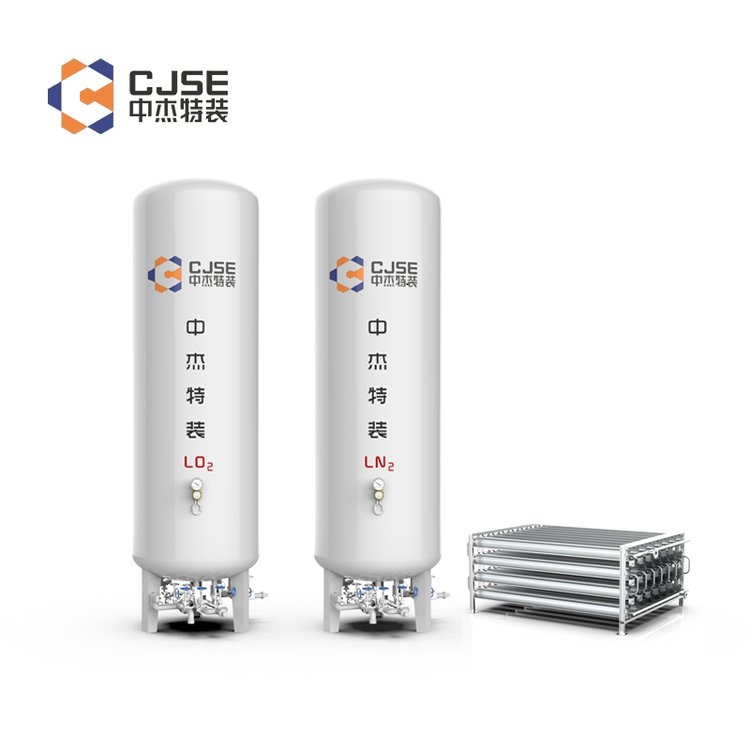

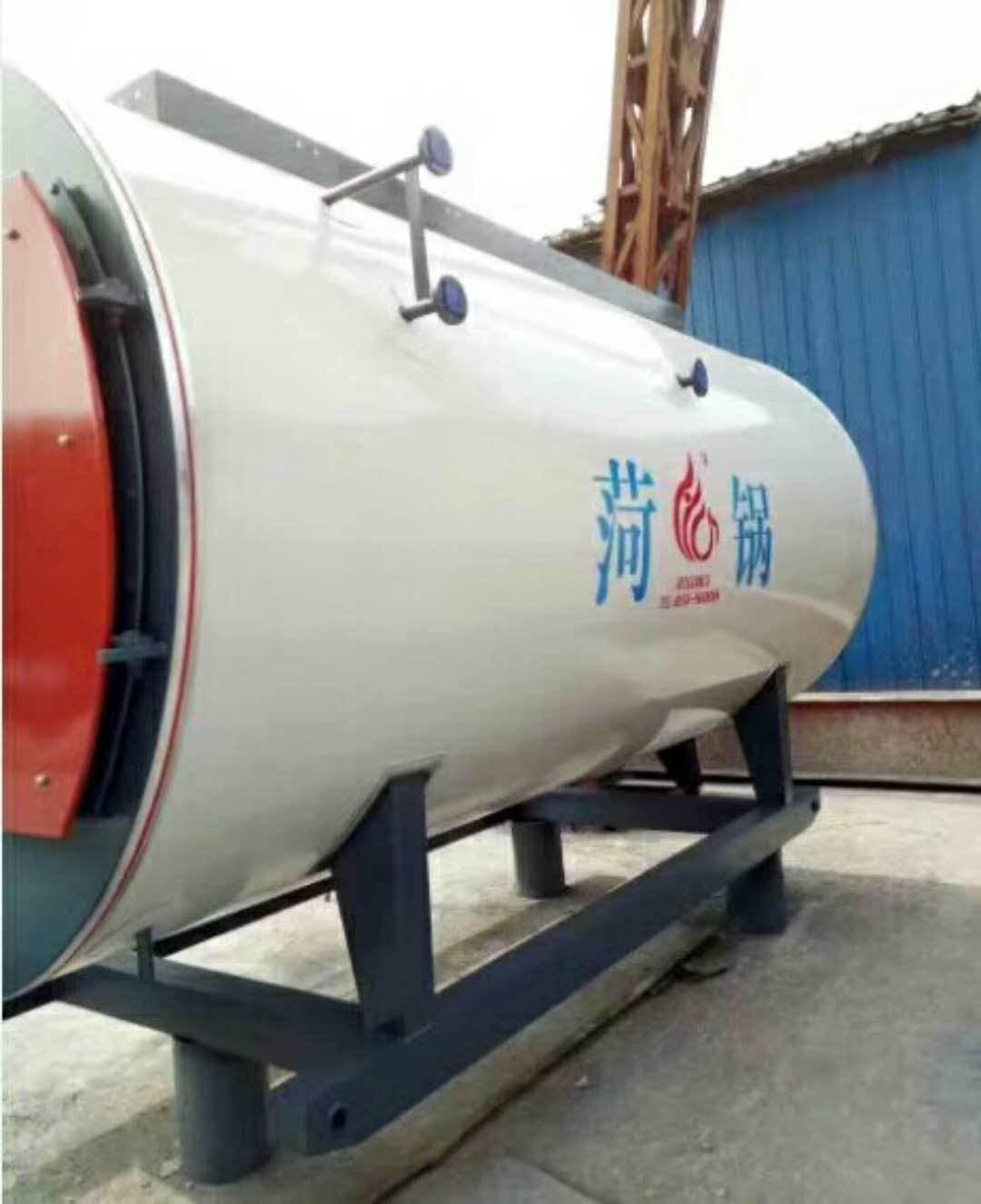


















Shandong Zhongjie Special Equipment specializes in: fuel (gas) boilers, organic heat carrier boilers, biomass boilers, waste heat boilers, and other boiler products; vacuum insulation cryogenic pressure vessels such as LNG tanks, oxygen/nitrogen/argon tanks, CO2 tanks; pressure vessel products including denitrification engineering equipment, heat storage equipment, complete chemical equipment sets; central air conditioning and ventilation equipment such as ground (water) source heat pumps, air source units, water-cooled screw units, and air-cooled modules. Planned products include large-scale energy centers, LNG transport vehicles, LNG tank containers, and other green energy equipment.
Material control for low-temperature liquid storage tanks is a critical aspect in ensuring safety and reliability. The following are some common material control measures:
Material Selection: Choose materials suitable for low-temperature environments, such as low-temperature alloy steel and stainless steel. These materials possess excellent low-temperature resistance and crack resistance, maintaining strength and toughness under low-temperature conditions.
Material Quality Control: Ensure the selected materials meet relevant standards and specifications. Conduct chemical composition analysis, mechanical property tests, and impact tests on materials to ensure their performance meets design requirements.
Welding Material Selection: Choose welding materials suitable for low-temperature environments, such as low-temperature welding rods or welding wires. The welding materials should match the storage tank material, offering good welding properties and crack resistance.
Welding Process Control: Monitor welding process parameters such as welding current, voltage, and welding speed to ensure the quality and reliability of weld joints. Techniques with low heat input, like pulse welding and laser welding, can minimize the temperature gradient and residual stress in the heat-affected zone.
Corrosion Protection Measures: Apply corrosion-resistant treatments to the internal and external metal surfaces of storage tanks to extend their service life. Options include corrosion-resistant coatings and paints to shield the metal structure of the tank from corrosion damage.
Material Performance Monitoring: Regularly conduct performance monitoring of the storage tank materials, such as mechanical property tests,
To prevent the dangers associated with liquid oxygen storage tanks, the following precautions can be taken:
Safety Operations and Management: Establish and implement stringent safety operations and management systems, including proper use of storage tanks, operational procedures, and safety training. Ensure that operators possess the necessary safety awareness and skills, adhere to operational procedures, and minimize the likelihood of operational errors and accidents.
Regular Inspections and Maintenance: Conduct regular inspections and maintenance on liquid oxygen tanks, including visual inspections, pressure tests, and leak detection. Promptly identify and address any issues with the tanks to ensure their safety and reliability.
Safety Devices and Protective Equipment: Tanks should be equipped with necessary safety devices such as pressure relief valves, level alarms, and protective equipment like firewalls and explosion-proof devices. These devices and equipment can take timely action in abnormal situations to ensure the safety of the tank.
Fire Prevention Measures: Liquid oxygen contains a high concentration of oxygen, which is prone to cause fires. Therefore, fire prevention measures such as firewalls and fire extinguishers should be set up around the storage tanks to prevent the spread and expansion of fires.
Leakage Control and Emergency Response Plan: Establish a liquid oxygen tank leakage control and emergency response plan, including leakage control measures, emergency response procedures, and evacuation plans. In the event of a leakage incident, the plan allows for swift action to control the leakage and ensure personnel safety.
Training and Awareness Enhancement: Conduct regular safety training for operators of liquid oxygen tanks to enhance their safety awareness and emergency response capabilities. Strengthen safety
Prior to cooling the liquid oxygen tank, the following prerequisites must be met:
Clean Tanks: Ensure the interior of the tank is clean, free of impurities and contaminants. The tank should be properly cleaned and flushed to maintain its internal cleanliness.
Drainage and Exhaust: Empty the gas from the storage tank and expel it through the exhaust system to reduce the gas content within the tank. This helps minimize the interference of gas on the cooling process.
Safety Precautions: Prior to cooling the liquid oxygen tank, necessary safety precautions must be taken. Liquid oxygen is highly flammable and has low-temperature characteristics. Operators should wear appropriate protective suits, gloves, and other personal protective equipment to ensure safe operation.
Temperature Control: During the cooling process of the liquid oxygen storage tank, it is necessary to control the tank's temperature. Typically, low-temperature mediums such as liquid nitrogen are used to cool the tank, ensuring the temperature gradually drops below the boiling point of liquid oxygen.
Insulation and Heat Retention: Liquid oxygen tanks are typically constructed with double or multi-layered structures, filled with insulating material in between to minimize heat transfer and evaporation of the liquid oxygen. Ensure the integrity and excellent insulation of the insulating layer to enhance the cooling effect of the tank.
Under the aforementioned conditions, the cooling operation of the liquid oxygen tank can be conducted. The cooling process must strictly adhere to the relevant safety regulations and operational guidelines to ensure the safe operation and usage of the tank.
Liquid Oxygen Tanks are used for storing and supplying liquid oxygen as fuel and oxidizer, playing a crucial role in launch propulsion systems and more. Industrial Production: Liquid oxygen is used as an oxidizer in industrial production for processes such as combustion, oxidation, and oxygen supply. Liquid oxygen tanks are used to store and supply liquid oxygen to meet the demands of industrial applications like metal cutting, welding, and chemical reactions. Equipment: Liquid oxygen tanks are utilized in equipment to supply oxygen for uses such as oxygen therapy, oxygen inhalation, and operating rooms. These tanks provide high-purity oxygen while maintaining low temperatures to meet the equipment's oxygen requirements. Laboratory Research: Liquid oxygen tanks are used in scientific research and laboratories to provide liquid oxygen as experimental materials and reagents. The low temperature and high purity of liquid oxygen make it widely applicable in laboratories for fields such as materials science, chemical reactions, and biomedical research. In summary, liquid oxygen tanks are important in various fields including industrial production, equipment, and laboratory research, providing storage and supply functions for liquid oxygen at the application sites.
Shandong Zhongjie Special Equipment, welcome customers to our factory for business discussions.
WeChat Official Account

Scan to follow Official Account



















