


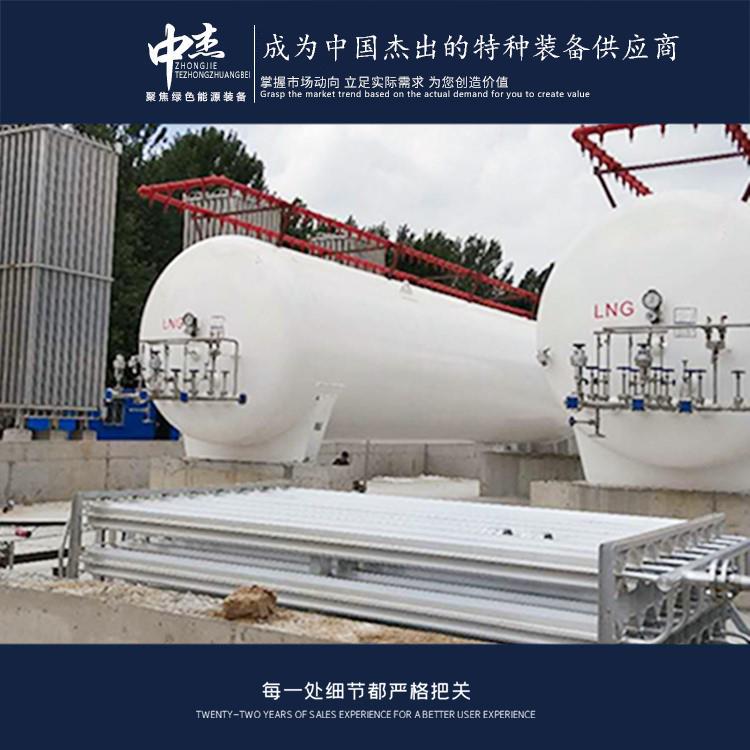

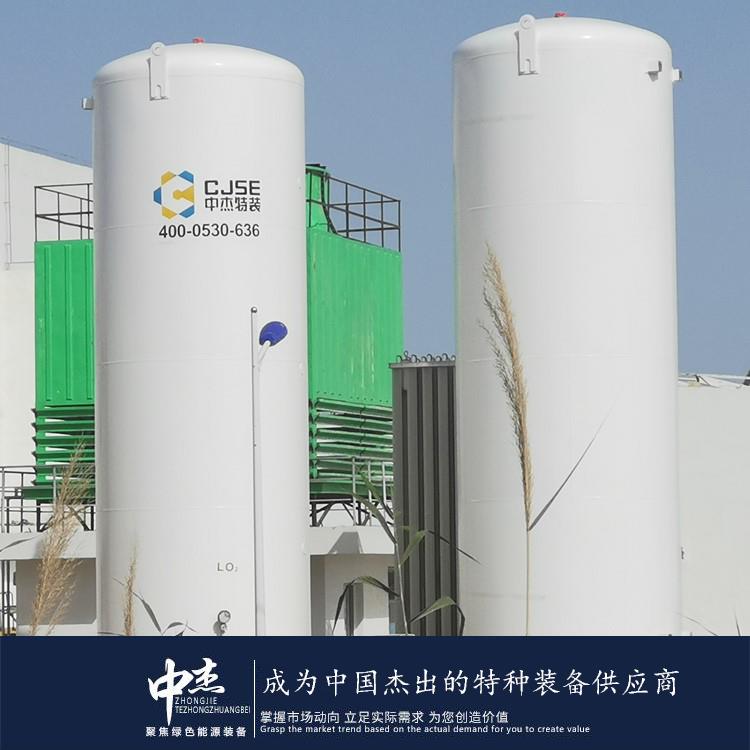
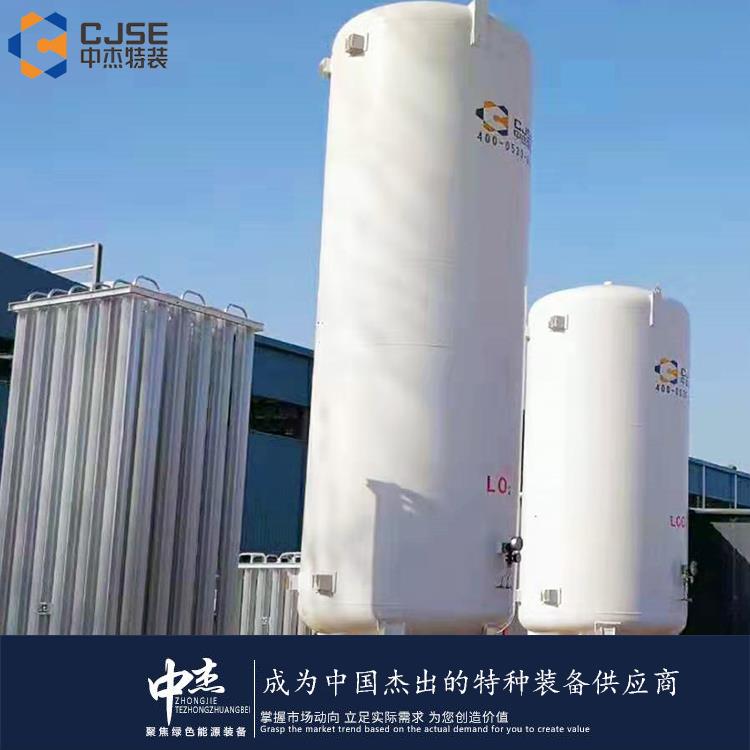


















Shandong Zhongjie Special Equipment Co., Ltd. (formerly Heze Boiler Factory Co., Ltd.) was established in 2001, located at No. 2218 Jinnan Road, Economic Development Zone, Heze City. With a registered capital of 50 million yuan and total assets of 500 million yuan, the company operates seven business centers: boilers, deep-freeze vessels, pressure vessels, central air conditioning, engineering installation, international trade, and Internet of Things. It has three factory sites on Jinnan Road, East Changjiang Road, and Bohai Road, covering a total area of 200,000 square meters, with the main workshop spanning 83,000 square meters. The company currently employs 710 people, including 247 engineering and technical personnel and 82 middle-level technical staff. In December 2016, it was recognized as a "High-tech Enterprise" by the Science and Technology Department. In June 2021, it was identified as a "Specialized and New Enterprise in Shandong Province" by the Ministry of Industry and Information Technology. In June 2022, it was recognized as a "Gazelle Enterprise in Shandong Province" and in August 2022, as a "Specialized and New Small Giant Enterprise" by the Ministry of Industry and Information Technology.
The reason for occasional venting of liquid oxygen tanks is primarily to maintain the safe pressure range within the tank and prevent excessive pressure buildup. The following are several scenarios where liquid oxygen tanks may be vented occasionally:
Pressure Control: During operation, the pressure inside the liquid oxygen tank may change due to evaporation of the liquid oxygen and temperature variations. To maintain a safe pressure range within the tank, regular venting is required to control the tank's pressure within the safe limits.
Prevent Excessive Pressure Build-up: During the oxygen filling or usage process, the liquid oxygen tank may experience pressure exceeding safe limits due to external factors or operational errors. To prevent excessive pressure build-up, timely venting is required to alleviate the pressure inside the tank.
Prevent Gas Accumulation: Liquid oxygen tanks may contain some gas impurities, such as air and water vapor. These gases can condense into liquids or solids at the low temperatures of liquid oxygen, blocking pipes or affecting the normal operation of the tank. Regular venting can expel these impurities, maintaining the tank's cleanliness and unobstructed flow.
Note that the release of liquid oxygen should be performed by a trained operator, adhering strictly to the relevant operational procedures and safety measures. During the release process, care must be taken to prevent leaks of liquid oxygen and any contact with it, ensuring the safety and reliability of the operation.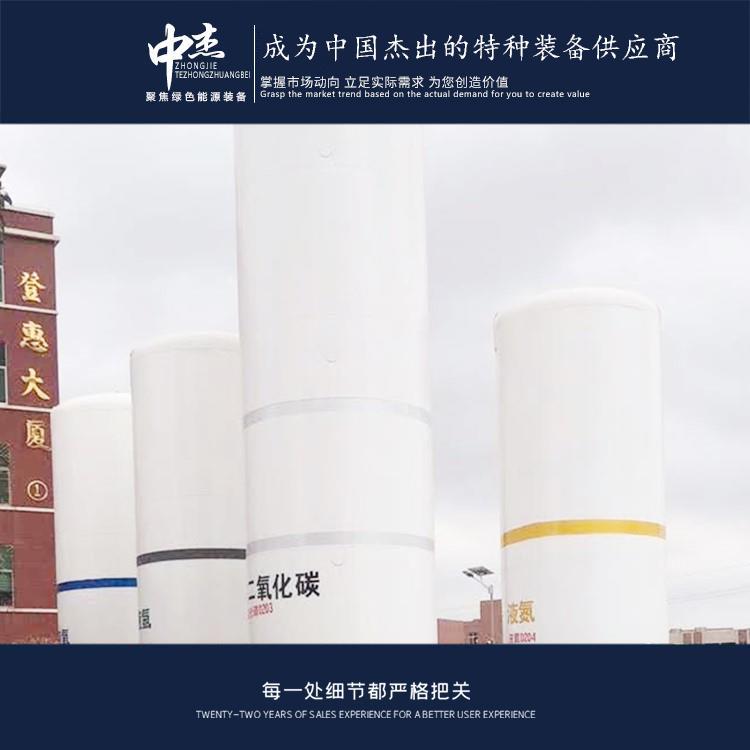
To extend the service life of liquid argon storage tanks, the following measures can be taken:
Regular inspections and maintenance: Conduct periodic visual inspections of the liquid argon tank, check valves and connections, and perform leak detection and pressure tests. Identify and repair potential issues promptly to ensure the tank operates normally.
Maintain the insulation layer: The insulation layer is crucial for the thermal insulation of liquid argon tanks. Regularly inspect the integrity and insulating performance of the insulation layer, repair or replace damaged insulation materials to ensure the tank's insulating effectiveness.
Control Liquid Argon Temperature: Maintain the temperature of liquid argon within an appropriate range to prevent damage to the storage tank from excessive or insufficient temperatures. Implement suitable cooling or heating measures to ensure stable liquid argon temperature.
Corrosion Protection: The outer shell and internal structure of the liquid argon tank should be protected against corrosion and oxidation. Regular inspections and maintenance of the protective coating are necessary to ensure its integrity.
Avoid excessive pressure and overfilling: Prevent the internal pressure of the tank from being too high or too low, as well as overfilling with liquid argon. Excessive pressure and overfilling can lead to structural破裂 or damage to the tank.
Regular cleaning and waste removal: Regularly clean the interior of the tank to remove accumulated impurities and dirt. Conduct regular waste removal to prevent contaminants and sediments in liquid argon from damaging the tank.
Safety Operation and Training: Ensure operators have the knowledge and skills for safe operation of liquid argon tanks. Enhance safety training to improve operators' safety awareness and emergency response capabilities.
Establish comprehensive management records and documents, including the usage of tanks, inspection logs, and maintenance records. Regularly review and update these records to ensure safe management and maintenance of the tanks.
These measures can help extend the service life of liquid argon storage tanks, but specific operations and management must be tailored to the type and application of the tank. When performing maintenance and operations, please adhere to relevant regulations and standards, and consult experts to ensure safety and effectiveness.
To prevent the explosion of liquid oxygen tanks, the following measures can be taken:
Regular Inspections and Maintenance: Conduct regular inspections and maintenance on liquid oxygen tanks, including checking the tank's exterior, welds, valves, and fittings, to ensure they are intact and undamaged. Regularly clean the tank to remove any impurities and dirt adhering to its surface.
Pressure Control: Tanks should be equipped with pressure control devices to ensure the internal pressure of the tank remains within a safe range. Regularly inspect and adjust the pressure control devices to ensure their proper functioning.
Temperature Control: Liquid oxygen tanks should be maintained within an appropriate temperature range to prevent excessive heat from causing pressure increase. Ensure the insulation layer of the tank is intact to minimize heat conduction and loss.
Fire Protection Measures: Liquid oxygen has a high oxygen content and flammability, thus strict fire protection measures are required. A fire protection isolation zone should be established around the storage tank, and smoking and open flames are prohibited. Ensure that the storage tank maintains a certain fire protection distance from other facilities.
Pressure relief devices and safety valves: Liquid oxygen storage tanks should be equipped with pressure relief devices and safety valves to prevent overpressure and sudden pressure increases. Regularly inspect and test the operational status of the pressure relief devices and safety valves to ensure their proper functioning.
Tank Operation Guidelines: Adhere strictly to the operational specifications and safety requirements for liquid oxygen tanks. Operators must be trained and familiar with the tank's characteristics and operation techniques. Avoid operational errors and violations.
Emergency Preparedness: Establish and conduct emergency response plans and drills to address potential accidents. Train operators in emergency response capabilities to ensure timely and effective responses.
Liquid oxygen storage tanks are high-pressure, highly oxidizing equipment that requires special attention to safety during use. Here are some safety precautions for liquid oxygen storage tanks:
- Operation: The operation of liquid oxygen storage tanks should be carried out by trained and experienced personnel. Operators should be familiar with the tank's structure, performance, and operating procedures, and operate strictly according to the operation manual and safety regulations.
- Fire Prevention Measures: Liquid oxygen is highly oxidizing and can easily cause fires and explosions. Open flames and sparks should be prohibited around liquid oxygen storage tanks, and precautions should be taken to prevent contact with the tank by hot objects. Fire protection equipment and fire extinguishers should be established and regularly inspected and maintained.
- Leak Control: In the event of a leak in a liquid oxygen storage tank, immediate measures should be taken to control the leak. Leaks can cause the evaporation of liquid oxygen and an increase in oxygen concentration, increasing the risk of fire and explosion. A leak detection system should be established, and leak control devices and personal protective equipment should be provided.
- Insulation Protection: Liquid oxygen storage tanks should have good insulation protection to reduce the evaporation of liquid oxygen and maintain a low temperature state. The insulation layer should be inspected and maintained regularly to ensure its integrity and insulating properties.
- Safety Distance: A certain safety distance should be maintained around liquid oxygen storage tanks to prevent the spread of fires, explosions, and leaks. The specific requirements for safety distances should be assessed and determined according to local regulations and standards.
- Regular Inspection and Maintenance: Liquid oxygen storage tanks should be inspected and maintained regularly, including checking the structural integrity of the tank, valves, and pipelines for tightness.
Shandong Zhongjie Special Equipment, welcome customers to visit our factory for business talks.
WeChat Official Account

Scan to follow Official Account



















