


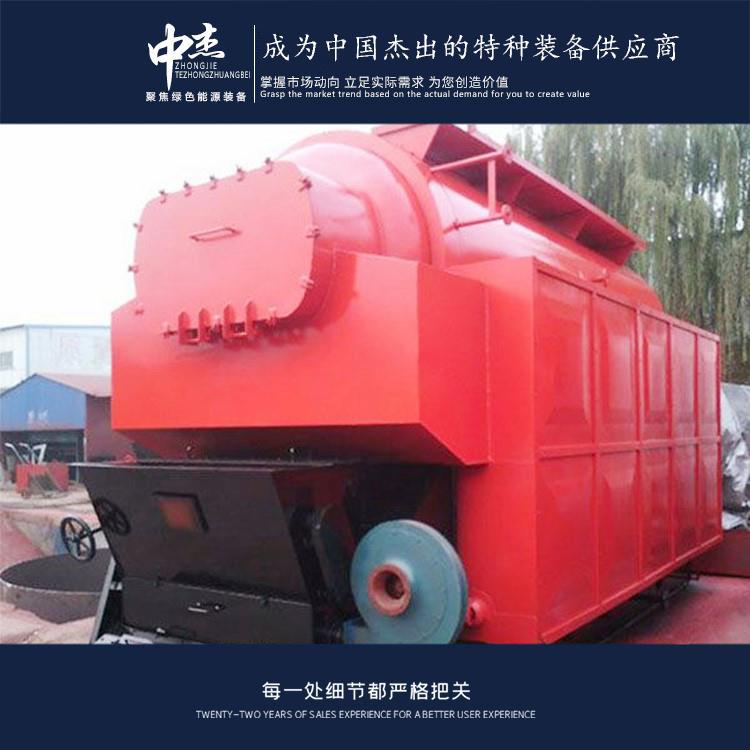

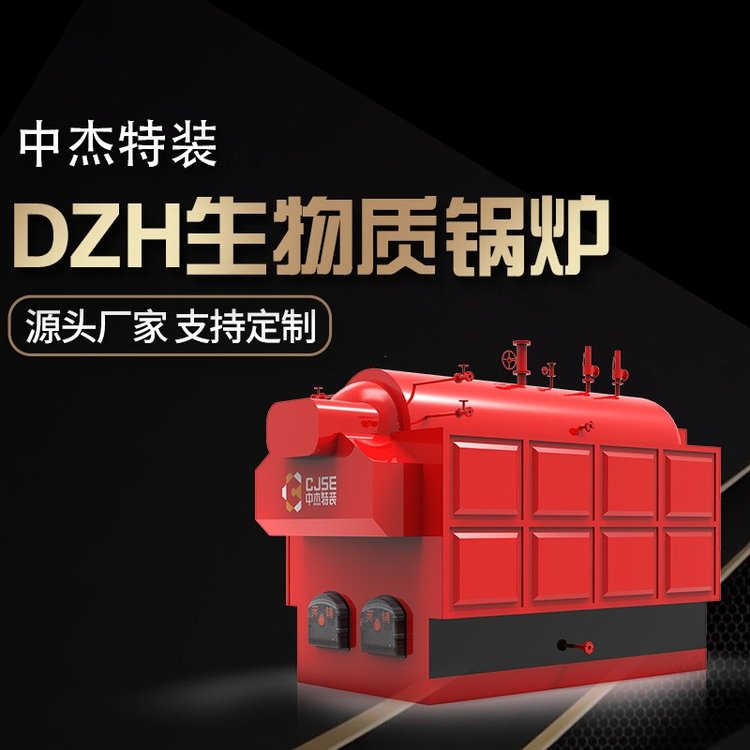
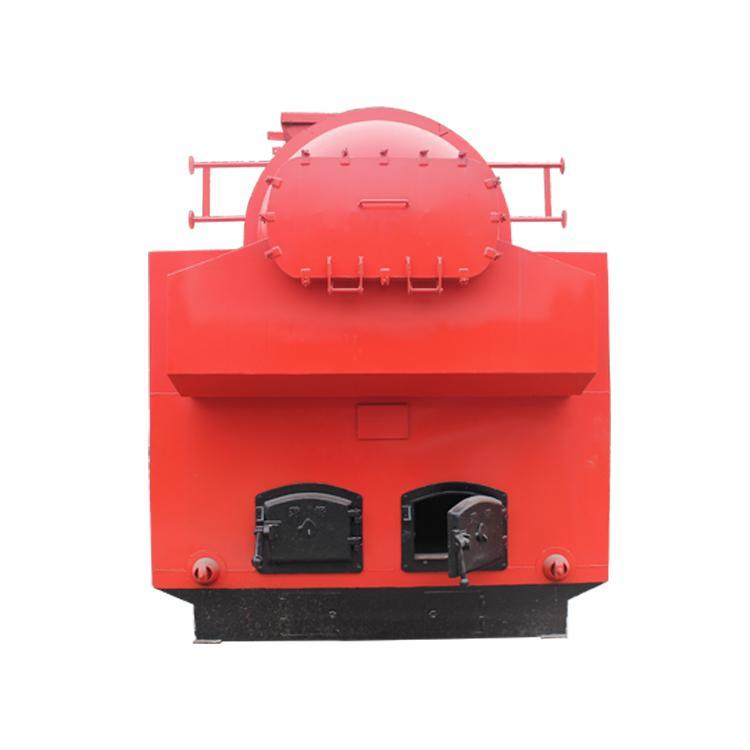


















Shandong Zhongjie Special Equipment (formerly Heze Boiler Factory Co., Ltd.) holds an A-grade boiler manufacturing license, an A2-grade pressure vessel manufacturing license, an A2-grade pressure vessel design license, a B-grade boiler installation license, and GB2/GB3-grade and GC2-grade pressure pipeline installation licenses, as well as a mechanical and electrical equipment installation contracting qualification. It is a member of the China Boiler and Water Treatment Association, the China Chemical Equipment Association, and the director unit of the Shandong Equipment Manufacturing Association. The company has also passed the ISO9001 Quality Management System, ISO14001 Environmental Management System, OHSAS18001 Occupational Health and Safety Management System certifications, and the American ASME/U2 certification.
The application methods for biomass boilers can be chosen and adjusted according to specific application needs and scenarios. Here are some common application methods:
Heating Systems: Biomass boilers can be used in heating systems to provide hot water or steam for buildings, industrial workshops, etc. Heat energy can be transmitted through pipelines to the areas requiring heating, meeting the needs for heating and hot water.
Industrial Production: Biomass boilers can be used for heat supply in industrial production processes, such as food processing, pulp and papermaking, and chemical industries. The thermal energy provided by biomass boilers meets the heating and steam requirements in industrial production.
Greenhouse Heating: Biomass boilers can be used in greenhouse heating systems to provide hot water or steam for greenhouses, maintaining suitable temperature and humidity within the greenhouse to promote plant growth.
Rural Heating: Biomass boilers can be used in rural heating systems to provide warmth and hot water for rural residents. Both centralized and decentralized heating methods can meet the heating needs of rural areas.
Hot Water Pump Drying: Biomass boilers can be used in hot water pump drying systems for drying wood, grains, and other materials. By providing hot water or steam, it accelerates the drying process and improves efficiency.
Biomass Power Generation: Biomass boilers can be integrated with power generation equipment for biomass power generation. By burning biomass fuel, steam is produced to drive the generator and generate electricity, achieving the utilization and conversion of energy.
Above are some common application methods for biomass boilers. Depending on specific needs and scenarios, suitable application methods can be chosen, and configurations and adjustments can be made in conjunction with relevant equipment and systems.
Biomass boilers can be categorized according to different classification criteria. The following are some common ways of classification:
By combustion method classification:
Direct Combustion Boilers: Directly burn biomass fuel to generate heat energy.
Gasification Boiler: Converts biomass fuel into combustible gas before combustion.
Pyrolysis Boiler: Pyrolyses biomass fuel to produce combustible gases and solid charcoal, which is then burned.
By fuel type:
Wood biomass boiler: Utilizes wood chips, wood shavings, cassava residue, and other wood-based fuels.
Crop biomass boiler: Utilizes crop residues such as straw, rice husk, and wheat straw as fuel.
Industrial Waste Biomass Boiler: Utilizes industrial waste such as sawdust and pulp sludge as fuel.
Categorized by boiler type:
Water tube biomass boiler: The combustion chamber is equipped with water pipes for heat transfer.
Fire-tube biomass boiler: The combustion chamber is equipped with fire tubes, which transfer heat energy through the tubes.
Hybrid biomass boiler: Combines the features of water-tube and fire-tube designs, incorporating both water tubes and fire tubes.
By power scale classification:
Small biomass boilers: Power typically ranges from 1-10 MW, suitable for small buildings and rural heating.
Medium-sized biomass boiler: Power typically ranges from 10 to 50 MW, suitable for medium-sized industrial plants and large buildings.
Large biomass boiler: Power over 50MW, suitable for large industrial plants and centralized heating.
These categorization methods merely provide a general overview of biomass boilers; in reality, there are more specific subcategories and combinations. Different types of biomass boilers may vary in application scenarios and technical characteristics.
Reducing emissions of nitrogen oxides (NOx) from biomass boilers can be achieved through the following measures:
Combustion Control Technology: Utilizes advanced combustion control technologies such as low nitrogen combustion technology. By optimizing the combustion process and controlling the combustion temperature and oxygen concentration, nitrogen oxide emissions are reduced. Methods such as staged combustion and optimized combustion chamber design can be employed to lower combustion temperatures and extend combustion times, thereby reducing nitrogen oxide generation.
SNCR Technology: Selective Non-Catalytic Reduction (SNCR) technology involves injecting reductants, such as urea solution, into the combustion process to react with nitrogen oxides, converting them into nitrogen and water. This technique reduces the formation and emission of nitrogen oxides during combustion.
SCR Technology: Selective Catalytic Reduction (SCR) technology is a nitrogen oxide control technique. It converts nitrogen oxides into nitrogen and water by injecting urea solution into flue gas and passing it through a catalyst. SCR technology allows for nitrogen oxide removal at lower temperatures and is suitable for large biomass boilers.
Flue Gas Recirculation (FGR): This technology recycles a portion of flue gas back into the boiler combustion chamber, reducing combustion temperature and oxygen concentration, thereby minimizing the formation of nitrogen oxides. Nitrogen oxide emissions can be controlled by adjusting the recirculation ratio.
Fuel Selection and Pretreatment: Choosing low nitrogen fuels, such as low nitrogen biomass fuel, can reduce the formation of nitrogen oxides. Additionally, for biomass fuels with high nitrogen content, pretreatment measures like drying and gasification can be taken to decrease the formation of nitrogen oxides during combustion.
Regular maintenance and cleaning: Regularly maintain and clean biomass boilers to ensure the cleanliness and proper operation of components such as burners and heat exchangers. Cleaning the combustion chamber and heat exchanger can reduce the accumulation of dirt, enhance thermal conductivity efficiency, and decrease nitrogen oxide emissions.
By integrating the aforementioned measures, it can effectively reduce the emissions of nitrogen oxides from biomass boilers, achieving the goals of environmental protection and energy conservation. The specific measures to be chosen should be based on the characteristics of the boiler, its operating conditions, and emission requirements.
Biomass boilers typically require auxiliary equipment to ensure their proper operation and utilization of biomass fuel. The following are some common auxiliary equipment:
Feeding System: Used to deliver biomass fuel to the combustion chamber of a boiler. The feeding system typically includes conveyors, screw conveyors, and vibratory feeders, among other equipment, which can be selected based on the fuel characteristics and boiler requirements.
Combustion System: Used for burning biomass fuel. The combustion system includes a combustion chamber, burners, fans, and other equipment, designed for achieving thorough mixing of fuel and air and controlling the combustion process.
Flue Gas Purification Equipment: Designed to treat flue gases produced by combustion, reducing emissions of particulate matter and gas pollutants. Common flue gas purification equipment includes dust collectors, desulfurization devices, denitrification units, etc., which can be selected based on emission standards and environmental protection requirements.
Heat Exchangers: Used to transfer the heat energy produced by combustion to water or other working substances, achieving heat recovery and utilization. Heat exchangers typically include water tube heat exchangers, flue gas waste heat boilers, etc., which can improve energy utilization efficiency.
Control System: Monitors and controls the operational parameters of biomass boilers, including temperature, pressure, and fuel supply. The control system can achieve automatic adjustment and protection functions, ensuring the safe operation and performance of the boiler.
Equipment: Includes water supply systems, waste discharge systems, pressure vessels, fuel storage equipment, etc. These devices are used to provide water for boilers, treat wastewater, store fuel, and ensure the normal operation of the boiler.
Above are some common auxiliary equipment for biomass boiler systems; the specific configuration and selection can be determined based on actual needs and project requirements.
Our company attaches great importance to technological innovation and research and development. We have one city-level enterprise technology center in Heze City, equipped with non-destructive testing, physical and chemical testing, welding testing, hydrostatic testing, and other testing facilities. We have over 600 pieces of various equipment, including CNC machine tools, X-ray flaw detectors, digital ultrasonic flaw detectors, mechanical property testing machines, chemical analyzers, spectrometers, tensile testing machines, plasma welding machines, and more. The key products we have developed, such as temperature and pressure vessel welding, biomass boiler emission reduction, and waste heat utilization, have successively been selected for multiple Shandong Provincial Department of Industry and Information Technology science and technology innovation projects, Shandong key projects, and Heze City innovation and excellence projects. We have cumulatively obtained 27 authorized utility models, 16 authorized inventions, participated in drafting 2 standards, 2 industry standards, and registered 15 trademarks. Our technical team, in collaboration with Professor Li Yajiang of Shandong University, has developed deep cryogenic container processing technology using the international plasma arc + wire filling argon arc welding (PAW-GTAW) technology. After provincial-level scientific and technological achievement evaluation, the technical level has reached international standards in the field of deep cryogenic container manufacturing. Choose Zhongjie Special Equipment, let's join hands to create brilliance!
WeChat Official Account

Scan to follow Official Account



















