



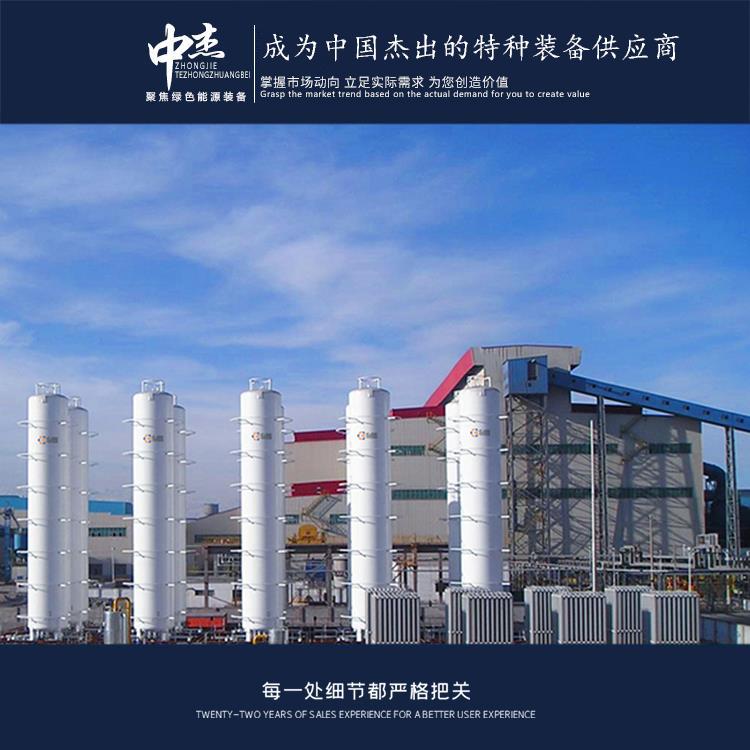
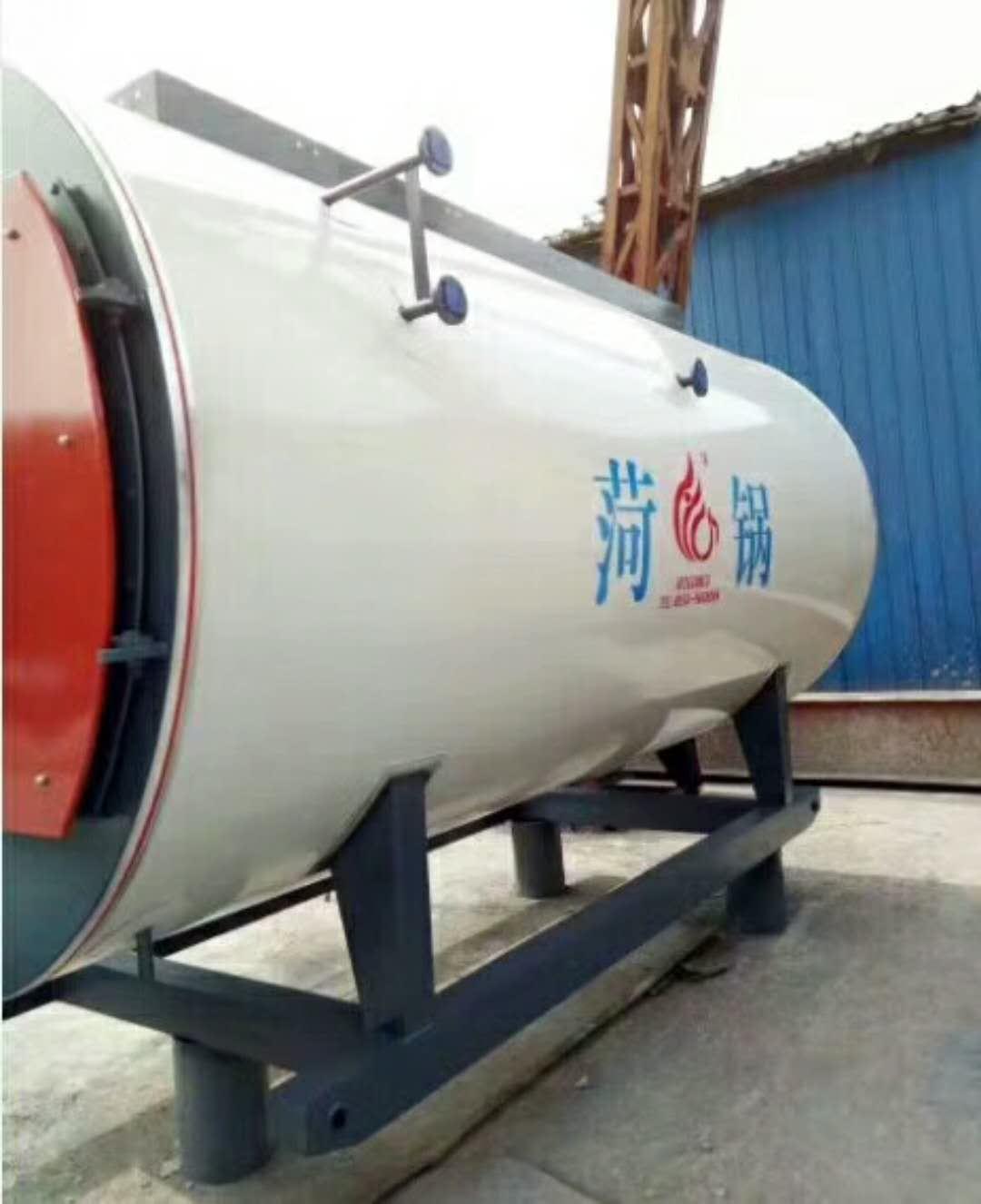


















Shandong Zhongjie Special Equipment Co., Ltd. specializes in the following products: fuel (gas) boilers, organic heat carrier boilers, biomass boilers, waste heat boilers, and other boiler products; vacuum insulated cryogenic pressure vessels such as LNG storage tanks, oxygen/nitrogen/argon storage tanks, and CO2 storage tanks; pressure vessel products including denitrification engineering equipment, heat storage and energy storage equipment, and complete chemical equipment; central air conditioning and ventilation equipment such as ground (water) source heat pumps, air source units, water-cooled screw units, and air-cooled modular units. Planned products include large-scale energy centers, LNG transport vehicles, LNG tank containers, and other green energy equipment.
Carbon dioxide tanks are equipment used for storing and transporting carbon dioxide (CO2). They are typically sealed containers with special design and structure to ensure safe storage and use of CO2. Below are some common details about carbon dioxide tanks: Storage Form: Carbon dioxide is a gas at room temperature but can be compressed into a liquid under high pressure for easier storage and transport. Carbon dioxide tanks are usually used for storing liquid CO2. Storage Pressure: Carbon dioxide tanks typically store high-pressure CO2 at around 20-25 bar. This high-pressure state helps maintain the CO2 in a liquid state. Storage Capacity: The capacity of carbon dioxide tanks can vary from small ones of a few thousand liters to large ones of tens of thousands of liters, depending on specific application needs. Safety: Carbon dioxide is a colorless, odorless gas, but it can be dangerous to humans at high concentrations, causing asphyxiation. Therefore, appropriate safety measures such as ventilation and protective gear must be taken when using carbon dioxide tanks to ensure the safety of operators. Applications: Carbon dioxide tanks are widely used in various fields, including the food and beverage industry, construction, fire suppression, and gas supply. They are used to store and provide CO2 to meet diverse industrial needs. It is important to note that the design, manufacturing, and use of carbon dioxide tanks must comply with relevant regulations, standards, and safety regulations. When using carbon dioxide tanks, follow the operating manual and safety guidelines, and cooperate with local regulatory agencies and personnel to ensure the tank's safety and reliability.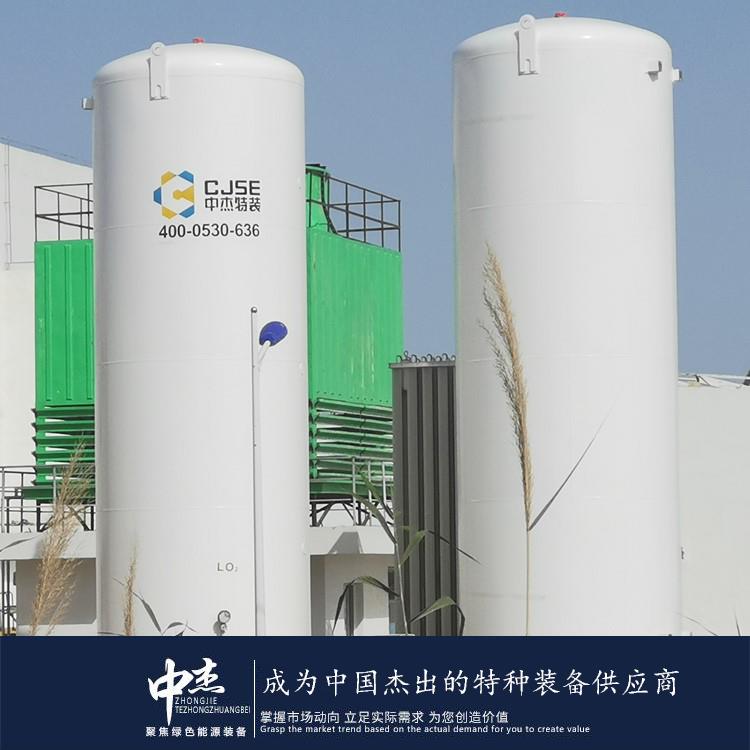
The safe operation of low-temperature CO2 storage tanks is primarily critical in the following aspects: Design and Manufacturing: The tank's design and construction must comply with relevant standards and specifications, ensuring they can withstand working conditions under low temperatures and high pressures. The tank should possess adequate strength and sealing performance to prevent leaks and ruptures. Safety Valves and Pressure Control: The tank should be equipped with safety valves and pressure control devices to ensure internal pressure remains within safe limits. Safety valves should be inspected and tested regularly to ensure proper functioning. Temperature Control: Effective temperature control is necessary for low-temperature CO2 storage tanks to prevent freezing or embrittlement due to excessively low temperatures. Appropriate insulation materials and equipment should be used to maintain the tank and pipeline temperatures within safe ranges. Leak Detection and Alarms: The tank should be fitted with leak detection devices and alarm systems, along with corresponding monitoring equipment. These devices can promptly detect leaks and trigger alarms, allowing for appropriate measures to be taken. Safe Operation and Training: Operators should receive relevant training to understand the safe operation procedures and standards for low-temperature CO2 storage tanks. Operators should be familiar with the tank's characteristics, working principles, and emergency response measures. Regular Inspections and Maintenance: Tanks should be regularly inspected and maintained, including visual inspections, anti-corrosion coating maintenance, and leak detection. Regular inspections can help identify potential issues early and take corrective measures. Emergency Preparedness: Establish an emergency response plan and equip with appropriate firefighting and first aid equipment. Operators should be familiar with emergency procedures and capable of rapid response to emergencies. Please note that the above key points are general recommendations. Specific safe operation should be based on the design and usage requirements of the low-temperature CO2 storage tank. It is recommended to refer to relevant safety operation manuals and guidelines before using the tank to ensure operational safety.
The filling process for carbon dioxide storage tanks typically includes the following steps:
Preparation: Ensure the tank and filling equipment are in good working condition. Inspect the tank's appearance and valves for any damage or leaks. Check the filling equipment's connecting pipes and valves for tightness and leaks.
Prepare liquid carbon dioxide: Extract liquid carbon dioxide from the supply source and transfer it to the tank of the filling equipment. Ensure the quality and purity of the liquid carbon dioxide meet the requirements.
Connect filling equipment: Attach the outlet pipe of the filling equipment to the tank's inlet valve. Ensure the connection is secure and there are no leaks.
Open valves: Activate the corresponding valves on the filling equipment and the tank to allow liquid carbon dioxide to flow into the tank. Adjust the valves as needed to control the filling speed and pressure.
Monitor liquid level: Use a liquid level sensor or other level measurement device to monitor the liquid carbon dioxide level in the tank in real-time. Ensure the level is within the safe range and avoid overfilling.
Filling complete: Once the liquid level in the tank reaches the predetermined filling amount, close the corresponding valves on the filling equipment and the tank, and stop filling liquid carbon dioxide.
Inspection and cleaning: Check the valves and pipe connections during the filling process for leaks. Clean up any remaining liquid carbon dioxide around the filling equipment and tank.
Documentation and reporting: Record relevant information about the filling process, including the filling date, amount, and level monitoring results. Submit filling reports to relevant departments or management as required.
The above is a general carbon dioxide storage tank filling process. Specific operations should be tailored to the tank's characteristics and requirements. When performing filling operations, follow relevant safety procedures and have trained professionals handle the task.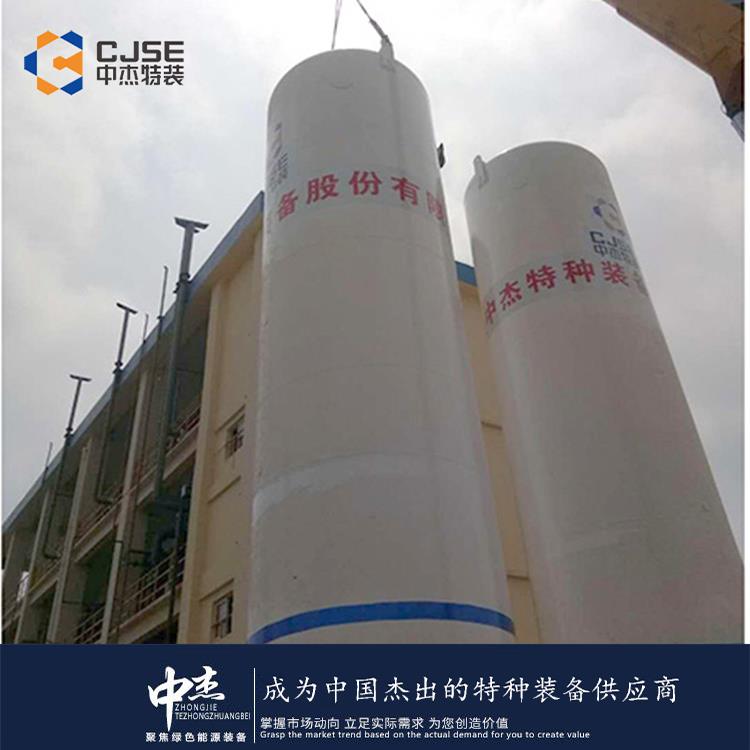
Leakage issues in CO2 storage tanks may be caused by the following reasons: Material Corrosion: CO2 has a certain degree of corrosiveness, and long-term contact may lead to corrosion of the tank material. Corrosion can damage the surface protective layer of the tank, causing it to lose its sealability and leading to leakage. Welding Defects: The welding joints of the tank may have defects, such as cracks in the welds or pores. These defects can reduce the strength of the welded areas, causing leakage. Design Defects: Inadequate design or defects in the tank may also result in leakage. For example, poorly designed interface connections or unreasonable structural designs can lead to leakage issues in the tank. Overpressure: If the internal pressure of the tank exceeds its capacity, it may cause deformation or破裂 of the tank, leading to leakage. Temperature Fluctuations: During temperature changes, the thermal expansion and contraction effect in CO2 storage tanks may cause deformation or stress concentration, leading to leakage. Incorrect Operation: Improper operation and maintenance may also cause tank leakage. For instance, over-tightening valves or inadequate maintenance measures can reduce the tank's sealing performance. External Damage: External forces, such as impacts, scratches, or corrosion, on the tank may cause surface damage or corrosion, leading to leakage. To avoid leakage issues in CO2 storage tanks, select appropriate materials, reasonable design, and manufacturing processes, and conduct regular inspections and maintenance. Additionally, operators should receive training and adhere to operational procedures to ensure the safe operation of the tanks.
Shandong Zhongjie Special Equipment, welcome customers to our factory for business discussions.
WeChat Official Account

Scan to follow Official Account



















