


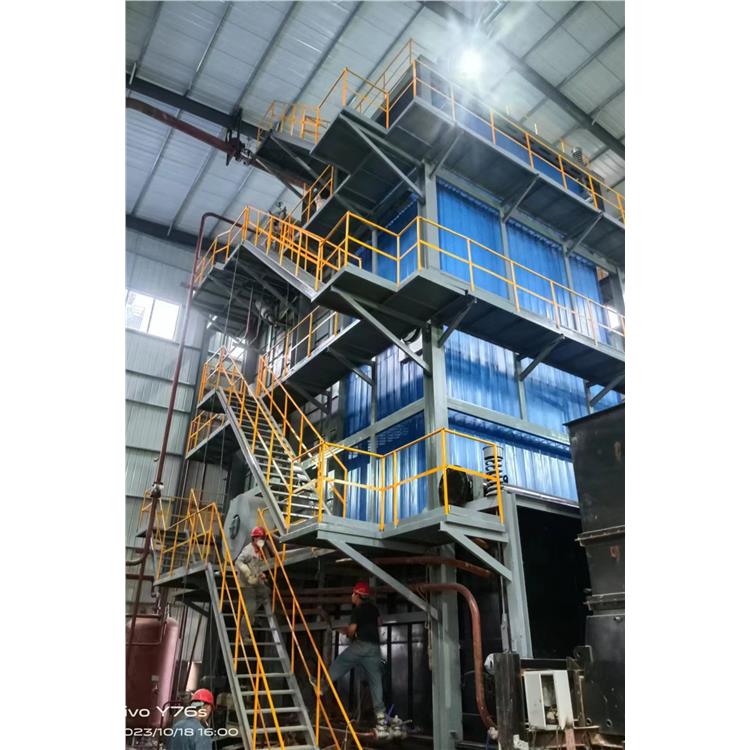

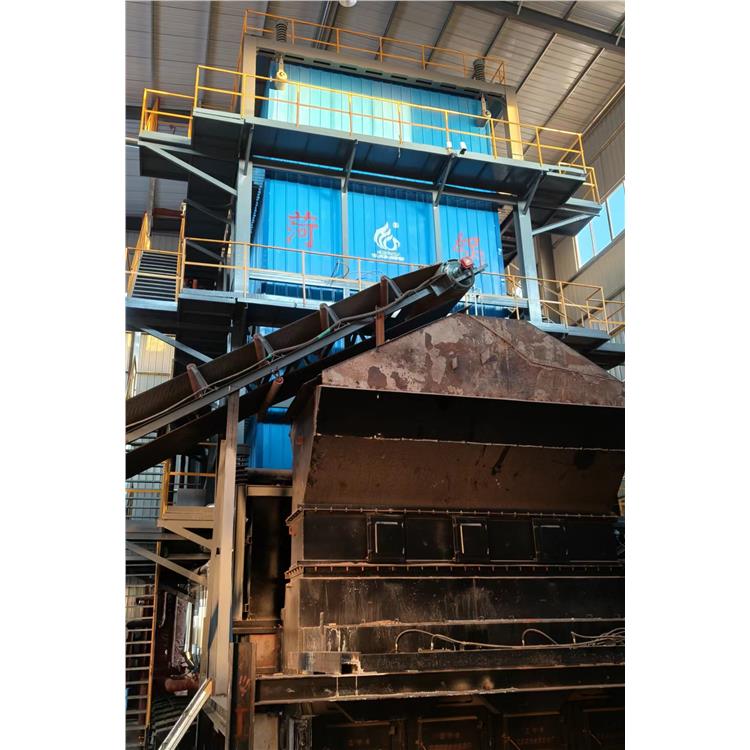
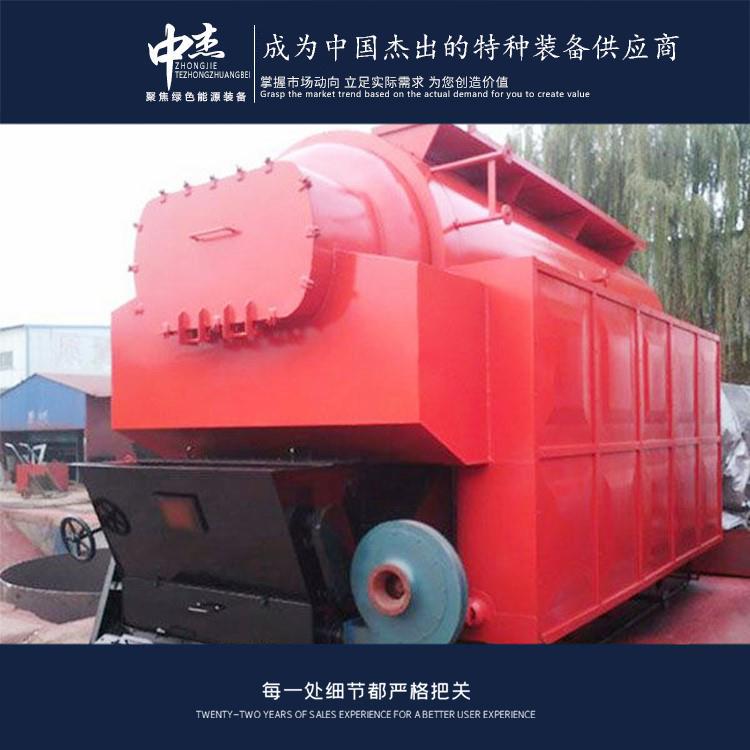


















Shandong Zhongjie Special Equipment's main products include: fuel (gas) boilers, organic heat carrier boilers, biomass boilers, waste heat recovery boilers, and other boiler products; vacuum insulation cryogenic pressure vessels such as LNG storage tanks, oxygen/nitrogen/argon storage tanks, and CO2 storage tanks; pressure vessel products like denitrification engineering equipment, heat storage and energy storage equipment, and complete chemical equipment sets; central air conditioning and HVAC equipment such as ground (water) source heat pumps, air source units, water-cooled screw units, and air-cooled modular units. Planned products include large-scale energy centers, LNG transport vehicles, LNG tank containers, and other green energy equipment.
The utilization of waste heat from biomass boilers is an important means to improve energy efficiency and reduce energy consumption and emissions. The following are some common applications and analyses of waste heat utilization technologies in biomass boilers:
Eco-friendly Air Preheater: Biomass boiler combustion generates flue gas rich in heat energy. The eco-friendly air preheater recovers and utilizes this excess heat to preheat the air entering the boiler, enhancing combustion efficiency. By recovering waste heat, fuel consumption can be reduced and flue gas emissions minimized.
Economizer: An economizer is a device used to recover waste heat from flue gases, by transferring the heat from the flue gases to the boiler feed water, thus increasing the feed water temperature and reducing fuel consumption. The application of an economizer can effectively lower the flue gas temperature of the boiler and improve its thermal efficiency.
Waste Heat Boiler from Biomass Boiler Flue Gas: This is a device that utilizes the waste heat from the flue gas of biomass boilers to generate steam or hot water. By converting the waste heat in the flue gas into usable thermal energy, it achieves the reuse of energy and improves the energy utilization efficiency.
Direct烟气Utilization: The excess heat from biomass boiler flue gas can be directly used for heating or drying processes, reducing the demand for other energy sources. For instance, the flue gas can be transported through chimneys or pipelines to the locations requiring heating, where its thermal energy is directly utilized.
Flue Gas Heat Recovery System: The flue gas heat recovery system captures and utilizes the waste heat from biomass boiler flue gases to supply other equipment or systems, such as air conditioning, heating, and hot water. This enables comprehensive energy utilization, enhancing overall energy efficiency.
To prevent high-temperature corrosion issues in biomass boilers, the following measures can be taken:
Select appropriate materials: Choose metal materials with good corrosion resistance, such as stainless steel and heat-resistant steel, for boiler components. These materials offer excellent corrosion resistance and can maintain stability in high-temperature and corrosive environments.
Control combustion conditions: Reasonably control the parameters such as temperature, oxygen content, and combustion rate of biomass combustion to avoid excessive temperature and excessive oxygen, thereby reducing corrosion.
Pre-treatment fuel before combustion: Pre-treat biomass fuel, such as drying, screening, and decontamination, to reduce ash and salt content in the fuel, and lower the risk of corrosion.
Regulate Acidic Substances in Flue Gas: By adding corrosion inhibitors or flue gas treatment devices, control the acidic substance content in flue gas, and reduce its corrosive effect on metal surfaces.
Regular cleaning and maintenance: Regularly clean the internal soot and dirt from the boiler to maintain its cleanliness. During the cleaning process, use appropriate cleaning agents and tools to remove the internal dirt from the boiler and prevent corrosion from occurring.
Regular inspections and maintenance: Regularly inspect and maintain biomass boilers to promptly identify and address corrosion issues. Delegate maintenance personnel for regular inspections and maintenance tasks.
To prevent fouling in biomass boilers, the following measures can be taken:
Choose the right fuel: Select biomass fuel with good quality and moderate humidity, avoiding fuel that is overly wet or contains excessive impurities, as this helps reduce the risk of coking.
Control fuel supply rate: Regulate the rate of fuel supply to avoid too fast or too slow delivery, ensuring complete combustion of fuel and reducing the likelihood of carbon buildup.
Maintain an appropriate combustion temperature: Keep the combustion temperature at an appropriate level to avoid both too low and too high temperatures. Too low temperatures can lead to carbon buildup, while too high temperatures may cause incomplete combustion.
Control Air Supply: Properly regulate the air supply to ensure complete combustion of fuel, avoiding excessive air entering the combustion chamber to minimize the risk of coking.
Regular cleaning and maintenance: Regularly clean the ash and carbon deposits within the combustion chamber to maintain the boiler's cleanliness and prevent coking issues.
Install Fouling Monitoring Device: Install a fouling monitoring device to continuously monitor the fouling inside the combustion chamber, and take timely measures to address it to prevent further progression of the fouling issue.
Above are some common measures to prevent biomass boiler slagging; specific preventive measures need to be adjusted and optimized based on the boiler's specific conditions and operational requirements.
Adjusting the combustion of biomass boilers can be done through the following steps:
Establish combustion parameters: Determine appropriate combustion parameters based on the design of the biomass boiler and the characteristics of the fuel, including combustion temperature, oxygen supply, and fuel supply rate.
Adjust combustion temperature: Adjust the combustion temperature based on the fuel characteristics and combustion requirements. Excessive combustion temperature may lead to overburning of fuel and energy waste, while too low combustion temperature may result in incomplete combustion and increased emissions.
Regulate Oxygen Supply: Adjust the oxygen supply based on the oxygen content during the combustion process. Excessive oxygen supply can lead to incomplete fuel combustion and energy waste, while insufficient oxygen supply may result in incomplete combustion and increased emissions.
Adjust fuel supply rate: Adjust the fuel supply rate based on heat load and fuel characteristics. Excessive fuel supply rate may lead to overburning and energy waste, while an insufficient fuel supply rate may result in incomplete combustion and inadequate heating.
Monitoring and Adjustment: By monitoring key parameters during the combustion process, such as combustion temperature, oxygen content, flue gas composition, etc., adjust the combustion parameters in a timely manner to ensure the stability of the combustion process.
Note: Adjusting the combustion of biomass boilers requires consideration of the specific kettle
Shandong Zhongjie Special Equipment, welcome customers to our factory for business discussions.
WeChat Official Account

Scan to follow Official Account



















