



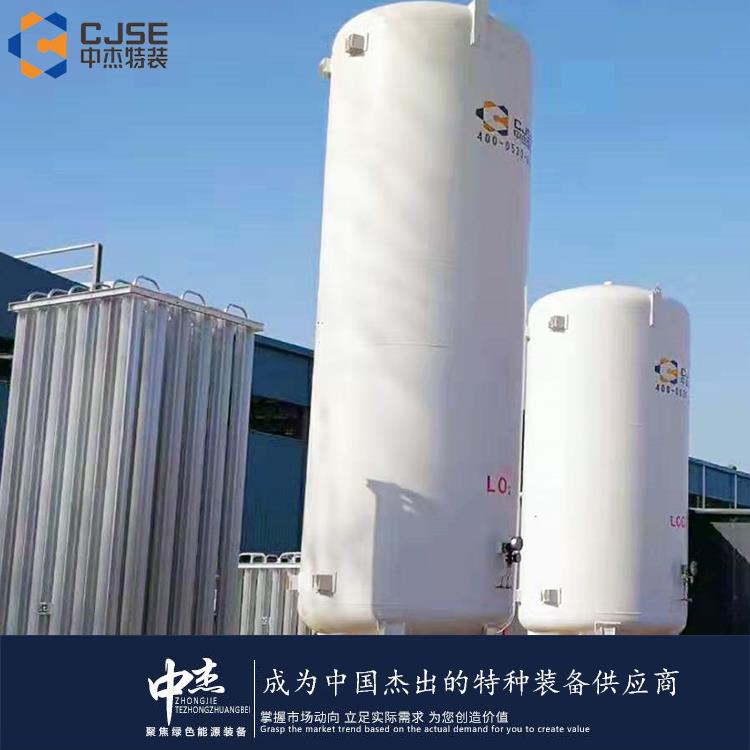
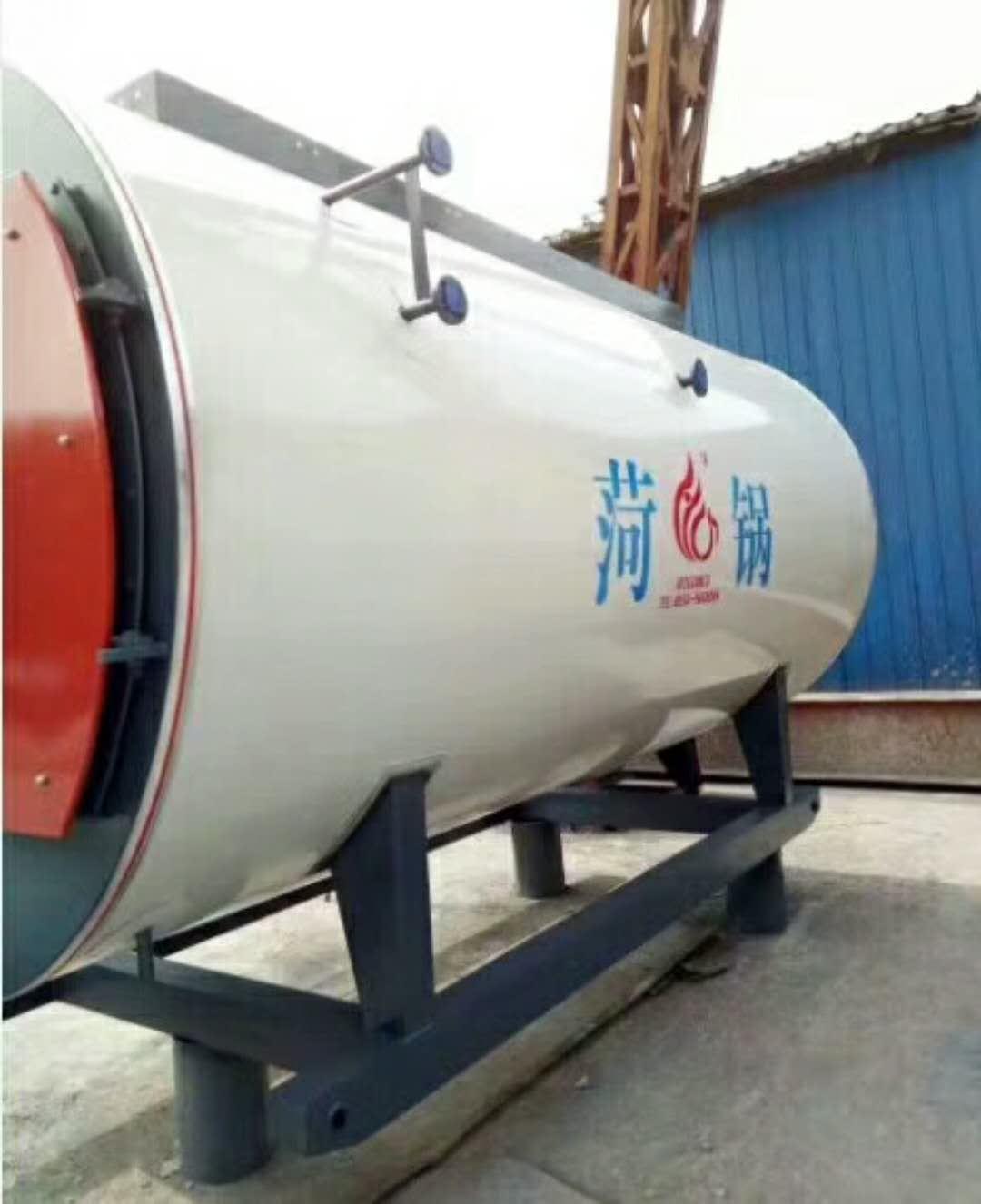


















Shandong Zhongjie Special Equipment Co., Ltd. specializes in: fuel (gas) boilers, organic heat carrier boilers, biomass boilers, waste heat recovery boilers, and other boiler products; vacuum insulated cryogenic pressure vessels such as LNG storage tanks, oxygen/nitrogen/argon storage tanks, CO2 storage tanks; pressure vessel products including denitrification engineering equipment, heat storage and energy storage equipment, complete chemical equipment sets; central air conditioning and HVAC equipment such as ground (water) source heat pumps, air source units, water-cooled screw chillers, and air-cooled modular units. Planned products include large-scale energy centers, LNG transport vehicles, LNG tank containers, and other green energy equipment.
Carbon dioxide storage tanks are equipment used for storing and transporting carbon dioxide gas, operating on the principles of pressure vessels and the physical properties of carbon dioxide. Pressure Vessel Principle: Carbon dioxide storage tanks are pressure vessels capable of withstanding the pressure of the internal gas. They are typically made of high-strength materials like steel. The design and structure of the tank can withstand high pressure, ensuring safe storage and transportation of the gas. Compressed Gas Storage: Carbon dioxide is a gas at room temperature but can be compressed into a liquid under high pressure. Storage tanks use high pressure to compress the gas into a liquid, achieving a higher storage density. Liquid carbon dioxide occupies less volume, allowing for more gas to be stored. Level Control: The tanks are equipped with level control systems to monitor and control the liquid level of carbon dioxide. These systems usually include level sensors and control valves, ensuring the liquid level remains within a safe range. Pressure Control: The tanks also have pressure control systems to monitor and control the gas pressure inside. These systems typically include pressure sensors and safety valves, ensuring the pressure remains within a safe range to prevent damage or safety risks due to excessive or low pressure. Through these principles, carbon dioxide storage tanks can safely store and transport carbon dioxide gas to meet the needs of various fields, such as food processing, beverage manufacturing, and firefighting. When using carbon dioxide storage tanks, it is necessary to follow relevant safety operation procedures and guidelines to ensure safe operation and use.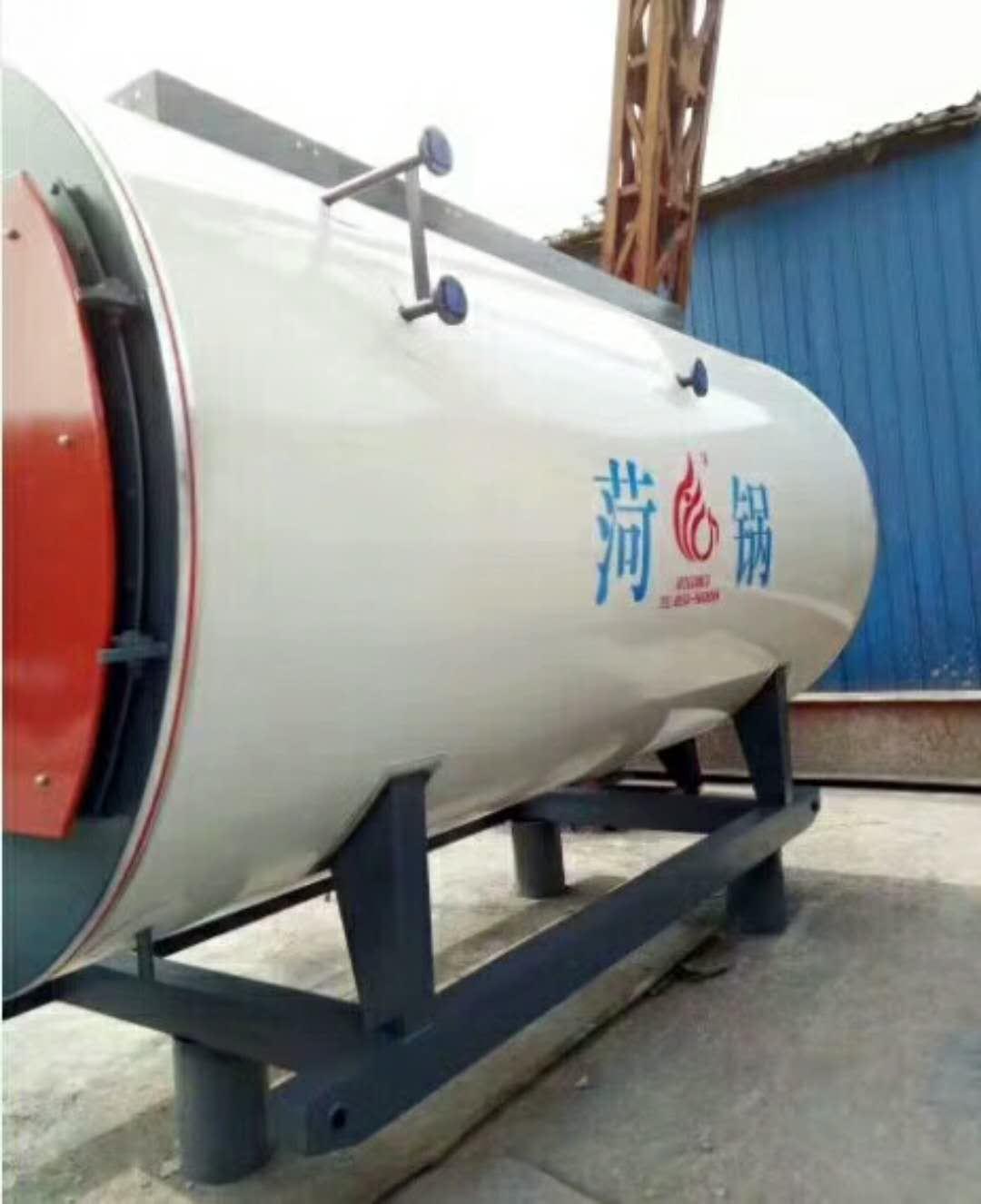
Carbon dioxide recovery is a technology designed to capture carbon dioxide from industrial emissions sources or the atmosphere, storing or utilizing it to reduce CO2 emissions. Here are some common carbon dioxide recovery techniques:
1. Coal-fired power plant CO2 recovery: In coal-fired power plants, the CO2 produced by burning coal can be captured and recovered. Common methods involve carbon capture technologies to separate CO2 from flue gases for storage or use.
2. Industrial emissions source CO2 recovery: CO2 produced by many industrial processes can be treated through capture and recovery techniques. For instance, CO2 generated during steel, cement, and chemical production can be recovered to reduce emissions.
3. Atmospheric CO2 capture: CO2 in the atmosphere can also be recovered using direct air capture technologies. This technique employs adsorbents or chemical reactions to capture and separate atmospheric CO2 for storage or use.
4. CO2 utilization: Captured CO2 can be used to produce valuable chemicals and fuels. For example, CO2 catalytic conversion technology can convert CO2 into fuels like ethanol or chemical raw materials.
The development of CO2 recovery technologies aims to reduce greenhouse gas emissions and mitigate climate change. However, these technologies are still in continuous development and research, requiring further technical breakthroughs and practical verification for large-scale application.
Detailed parameters of CO2 storage tanks can vary depending on specific design and usage requirements. Here are some common parameters of CO2 storage tanks:
- Capacity: The capacity of CO2 storage tanks can vary based on needs, with common ranges from a few thousand to tens of thousands of liters.
- Pressure: The design working pressure of CO2 storage tanks typically ranges from 15 to 25 MPa (Megapascals), with the specific pressure depending on the application and usage requirements.
- Material: CO2 storage tanks are usually made of high-strength materials such as carbon steel or stainless steel. The choice of material depends on the storage environment and requirements.
- Dimensions: The external dimensions of CO2 storage tanks also vary based on capacity and design. Common shapes include cylindrical, spherical, or cuboidal.
- Level Control: CO2 storage tanks usually come with level control systems to monitor and control the liquid level of CO2. Level control systems typically include level sensors and control valves.
- Pressure Control: Internal pressure control systems are often installed in CO2 storage tanks to monitor and control the gas pressure within. Pressure control systems usually include pressure sensors and safety valves.
Note that specific CO2 storage tank parameters can differ among manufacturers, application scenarios, and standards. When selecting and using CO2 storage tanks, it is important to follow relevant safety operation procedures and guidelines, and consult with experts to obtain accurate parameter information.
Carbon dioxide storage tanks feature the following safety technical characteristics:
- High-strength materials: These tanks are typically made of high-strength steel or alloy materials to withstand stress and loads under high pressure and low-temperature environments.
- Safety valves and pressure relief devices: Equipped with safety valves and pressure relief devices to control internal tank pressure, preventing overpressure and explosion. When the internal pressure exceeds the set value, the safety valve will automatically open to release pressure.
- Insulation layer: Internally lined with an insulation layer to reduce heat transfer and liquid evaporation. The insulation layer usually consists of multiple layers, including thermal insulation materials and an external protective layer, to maintain stable internal temperatures.
- Level monitoring and control: Equipped with level monitoring devices to monitor the liquid level within the tank. Timely monitoring and control of the level ensure the liquid storage is within a safe range.
- Fire and explosion prevention measures: Employing fire and explosion prevention measures such as fire-resistant coatings, fire isolation areas, and explosion-proof devices to prevent fires and explosions.
- Leak detection and alarm system: Equipped with leak detection and alarm systems to promptly detect and alert of any tank leaks. Rapid response and handling can minimize the safety risks caused by leaks.
- Regular inspections and maintenance: Tanks require regular inspections and maintenance, including visual inspections, valve maintenance, and pressure tests. Regular maintenance ensures the safety and reliability of the tank.
It should be noted that the specific safety technical characteristics of carbon dioxide storage tanks may vary depending on the type and application of the tank. When using carbon dioxide storage tanks, it is essential to follow relevant regulations and standards.
Our company attaches great importance to technological innovation and research and development design, boasting 1 city-level enterprise technology center in Heze City. We have established testing facilities for non-destructive testing, physical and chemical testing, welding testing, hydrostatic testing, etc. We are equipped with over 600 pieces of various instruments and equipment, including CNC machine tools, X-ray flaw detectors, digital ultrasonic flaw detectors, mechanical property testing machines, chemical analyzers, spectrometers, tensile testing machines, plasma welding machines, and more. The key products we have developed, such as thermal pressure vessel welding, biomass boiler emission reduction, and waste heat utilization, have successively been selected for multiple Shandong Provincial Department of Industry and Information Technology Science and Technology Innovation projects, key projects of Shandong Province, and innovative and excellent projects of Heze City. We have accumulated 27 authorized utility models, 16 authorized inventions, participated in drafting 2 standards, 2 industry standards, and registered 15 trademarks. The technical team of our company, in collaboration with Professor Li Yajiang of Shandong University, has developed deep cryogenic container processing technology using the international plasma arc + filler wire tungsten inert gas arc welding (PAW-GTAW) technology. The provincial technological achievement identification has determined that the technology level in the field of deep cryogenic container manufacturing has reached international standards. Choose ZJ Special Equipment, and let's create brilliance together!
WeChat Official Account

Scan to follow Official Account



















