



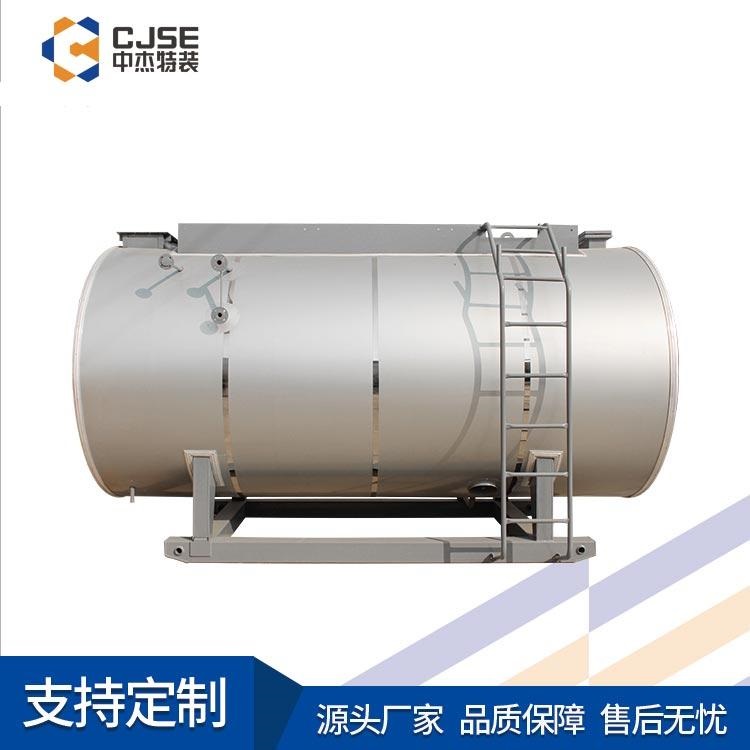
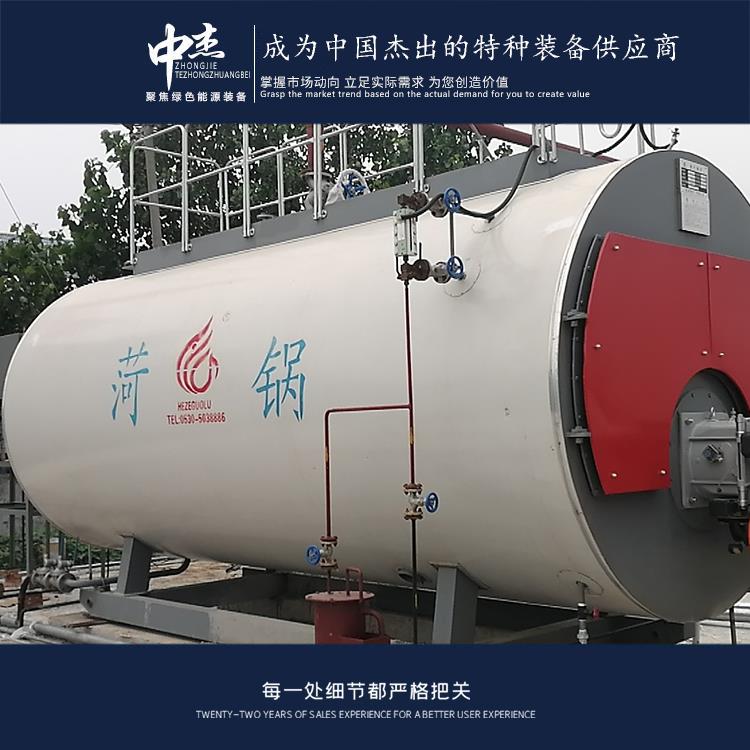


















Shandong Zhongjie Special Equipment's main products include: fuel (gas) boilers, organic heat carrier boilers, biomass boilers, waste heat boilers, and other boiler products; vacuum insulation cryogenic pressure vessels such as LNG tanks, oxygen/nitrogen/argon tanks, and CO2 tanks; pressure vessel products such as denitrification engineering equipment, heat storage and energy storage equipment, and complete chemical equipment; central air conditioning and HVAC equipment such as ground (water) source heat pumps, air source units, water-cooled screw units, and air-cooled modular units. Planned products include large-scale energy centers, LNG transport vehicles, LNG tank containers, and other green energy equipment.
Based on the provided information, I cannot accurately determine the heating area for a 40-ton gas-fired hot water boiler or the gas pressure for an atmospheric pressure gas boiler. The determination of these parameters requires consideration of multiple factors, including the boiler's design specifications, the type and quality of the gas, and the heating system requirements. The heating area is typically calculated based on the size of the building or industrial production facility to be heated, as well as the heat load. Common calculation methods include heat load calculations based on the building's floor area, the climate conditions of the region, and indoor temperature requirements. The gas pressure depends on the type of gas and the design of the gas supply system. Different types of gas (such as natural gas, etc.) have different pressure requirements for supply. The gas pressure also needs to consider factors such as the distance of the gas pipeline, pipeline diameter, and pipeline material. Therefore, to accurately determine the heating area for the 40-ton gas-fired hot water boiler and the gas pressure for the atmospheric pressure gas boiler, it is recommended to consult the boiler manufacturer or engineer, who can calculate and design based on the specific situation.
The inspection contents and requirements for gas boilers typically include the following aspects:
Safety valve and pressure gauge: Check the installation and fixation of the safety valve and pressure gauge to ensure proper operation and accurate pressure display.
Combustion system: Inspect the operational status of the burner, including ignition, combustion, and combustion stability. Check the connections of the gas supply pipeline and valves to ensure no leaks.
Chimney and heat exchanger: Inspect the cleanliness of the chimney and heat exchanger, looking for accumulated dust and debris, to ensure heat exchange efficiency and smoke emissions meet requirements.
Water level control system: Check the operational status of the water level controller and gauge to ensure accurate and reliable water level control, preventing excessive or low water levels.
Gas supply system: Inspect the installation and connections of the gas supply pipeline and valves to ensure normal gas supply and no leaks.
Electrical system: Check the wiring and connections of the electrical system, including power supply, controllers, and sensors, to ensure normal operation of electrical equipment and avoid electrical failures.
Safety devices: Inspect the operational status of safety devices, including safety valves, pressure switches, and temperature controllers, to ensure proper operation and ensure the safe operation of the boiler.
Records and documents: Review the boiler's operating records, maintenance records, and inspection reports, ensuring the completeness and accuracy of the operation and maintenance records.
The inspection of gas boilers should be conducted by institutions or individuals with the corresponding qualifications, following relevant laws, regulations, and standards. The frequency and specific requirements of the inspection can be determined based on the boiler's usage and local regulations. Timely inspections and maintenance can ensure the safe operation and performance of the gas boiler.
Potential causes of uneven heat distribution in steam boilers may include the following aspects: Uneven combustion: During the combustion process, uneven mixing of fuel and air, or improper design and adjustment of the burner, can lead to uneven combustion. This results in some areas producing more heat while others produce less. Pipe blockage: In the steam boiler's transmission pipes, the presence of blockages or scaling can cause uneven heat transfer. Blockages or scaling impede steam flow, limiting heat transfer in certain areas while allowing better heat transfer in others. Heat exchanger issues: If the heat exchanger in the steam boiler has scaling, corrosion, or blockages, it can lead to uneven heat transfer. These issues affect the heat conduction efficiency of the heat exchanger, impacting heat transfer in some areas. Water level problems: Inaccurate or unstable water level control in the steam boiler can lead to uneven steam generation. Both high and low water levels can affect steam production and distribution, resulting in uneven heat. Boiler load changes: Changes in the boiler load may also cause uneven heat distribution. Sudden increases or decreases in load may prevent the boiler from adjusting its heat production and distribution in time, leading to uneven heat. To address the issue of uneven heat distribution in steam boilers, regular inspection and maintenance of the boiler equipment are required to ensure normal operation of combustion and heat exchange processes. Additionally, adjusting burners and control systems reasonably, maintaining stable water levels, cleaning pipes and heat exchangers, and more.
For the maintenance of industrial gas-fired boilers, here are some common methods and precautions:
- Clean the burner: Regularly clean the interior and nozzle of the burner to ensure normal combustion of the gas, avoiding carbon buildup and blockages.
- Inspect the gas supply system: Regularly check the gas supply system, including gas pipes, valves, and pressure regulators, to ensure normal gas supply without leaks or blockages.
- Clean the flue and heat exchanger: Regularly clean the flue and heat exchanger to remove dust and dirt, maintaining heat exchange efficiency and avoiding overheating and energy loss.
- Check water level and pressure: Regularly inspect the boiler's water level and pressure to ensure safe operation within the specified range. Refill water and adjust pressure to avoid issues caused by low or high water levels.
- Inspect safety devices: Regularly check the boiler's safety devices, including safety valves, pressure switches, and water level controllers, to ensure they are functioning properly and guarantee safe boiler operation.
- Check the control system: Regularly inspect the boiler's control system, including automatic controllers, sensors, and instruments, to ensure accuracy and reliability, and to promptly detect and repair faults.
- Scheduled maintenance: Conduct regular maintenance, including lubricating parts, replacing worn components, and checking electrical connections, to extend the boiler's lifespan and stability.
- Keep records: Document the boiler's operating parameters, maintenance records, and fault situations to help promptly identify issues and analyze operating conditions.
- Train operators: Ensure operators have sufficient
Shandong Zhongjie Special Equipment, welcome customers to visit our factory for business discussions.
WeChat Official Account

Scan to follow Official Account



















