



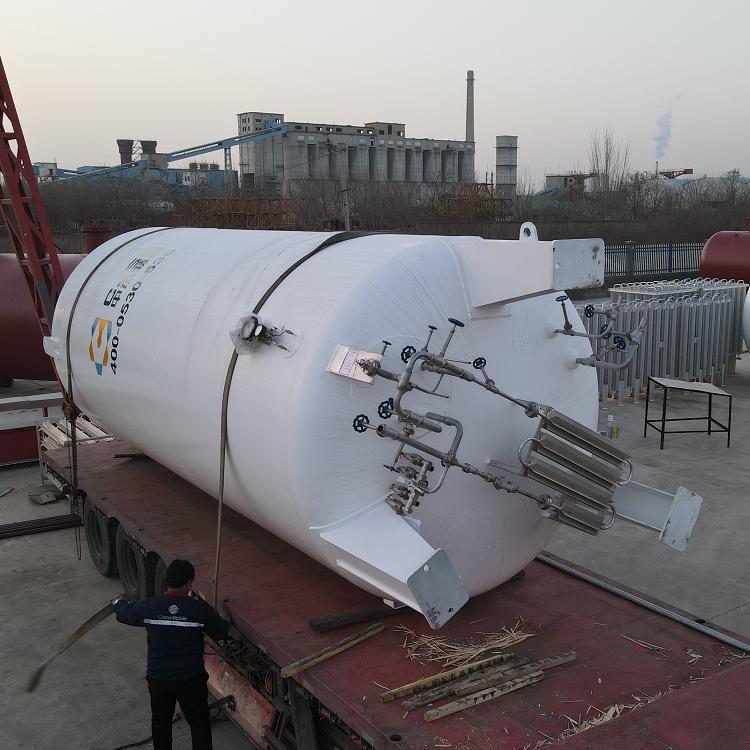
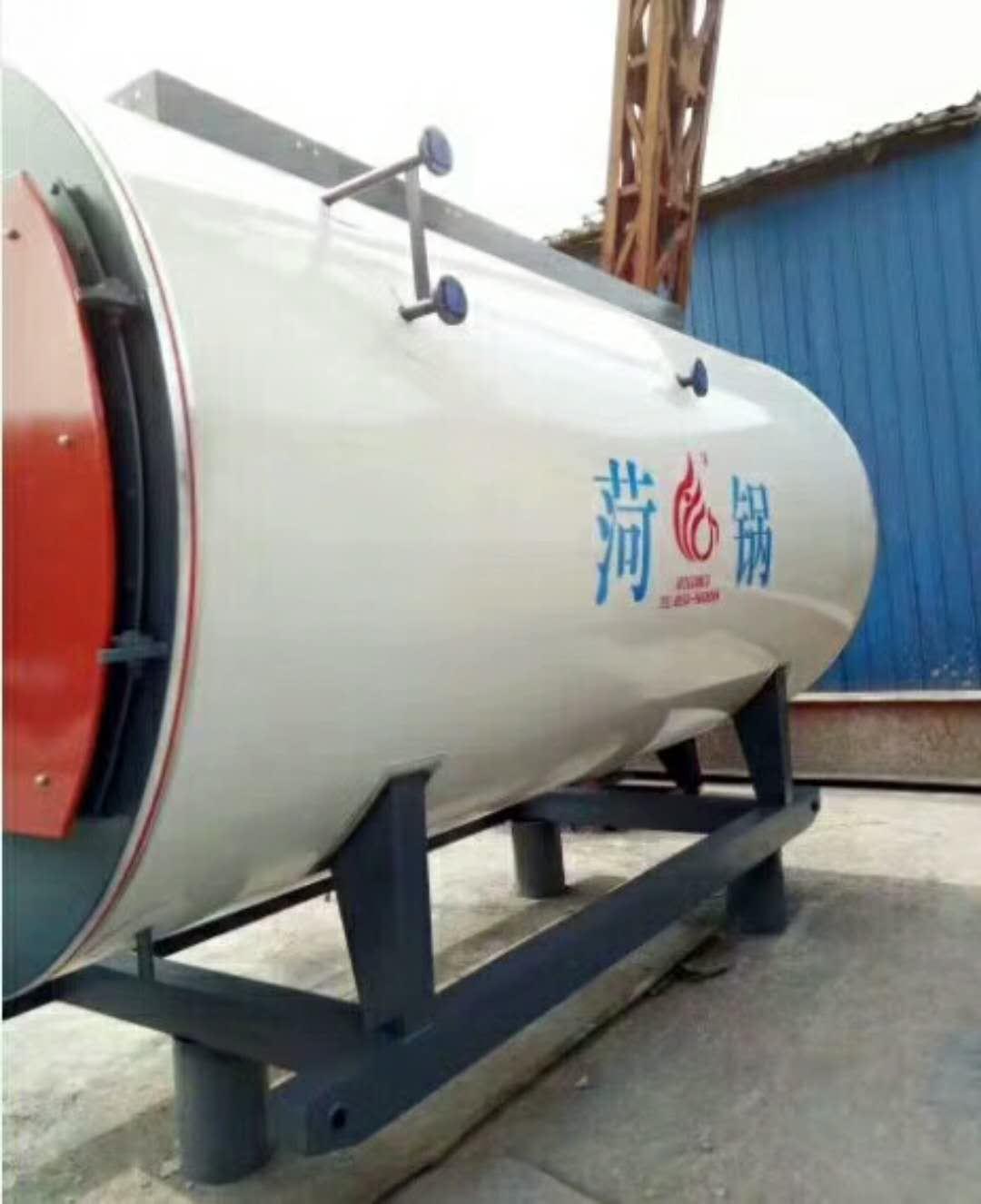


















Shandong Zhongjie Special Equipment Co., Ltd. (formerly Heze Boiler Factory Co., Ltd.) holds an A-grade boiler manufacturing license, A2-grade pressure vessel manufacturing license, A2-grade pressure vessel design license, B-grade boiler installation license, and GB2/ GC2 pressure pipeline installation license, as well as an equipment and machinery installation contracting license. It is a member of the China Boilers and Water Treatment Association, the China Chemical Equipment Association, and the Standing Committee of the Shandong Equipment Manufacturing Association, and has obtained ISO9001 Quality Management System, ISO14001 Environmental Management System, OHSAS18001 Occupational Health and Safety Management System, and American ASME/U2 certification.
Before using the carbon dioxide storage tank, the following preparations must be made:
- Inspect the tank: Check the tank's appearance for any damage, corrosion, or oil leakage. Ensure the structural integrity and safety of the tank.
- Check valves and pipes: Verify that the tank's inlet and outlet valves and pipe connections are functioning properly, with no leaks or loose fittings. Ensure valve operation is smooth and reliable.
- Inspect safety accessories: Check the proper functioning of safety accessories such as safety valves, pressure sensors, and temperature sensors. Confirm that their set parameters meet requirements.
- Check the level measurement system: Verify the accuracy and reliability of the level measurement system. Calibrate the level sensors to ensure accurate level readings.
- Inspect pressure relief devices: Check that the tank's pressure relief devices (e.g., safety valves) are working correctly. Confirm that the set pressure of the relief devices meets specifications.
- Check gas quality: Ensure the carbon dioxide gas in the tank meets quality requirements, with no impurities or contaminants.
- Inspect fire protection equipment: Ensure that fire protection equipment around the tank is in good condition and check that extinguishers, sprinkler systems, etc., are functioning properly.
- Train operators: Operators should receive training on the characteristics, operational requirements, and safety measures of the carbon dioxide storage tank. Training should include safe operation, leak handling, and emergency procedures.
- These preparations ensure the tank is in good condition before use and guarantees operational safety and reliability. Follow relevant safety operating procedures during preparations, and have trained personnel perform the operations.
When cooling carbon dioxide storage tanks, be mindful of the following points and familiarize yourself with the basic steps of the cooling process:
**Points to Note:**
**Safety:** Pay attention to safety during the cooling process to ensure the safety of operators and the surrounding environment. Adhere to relevant safety operation procedures and standards, and use appropriate personal protective equipment.
**Equipment Selection:** Choose the appropriate cooling equipment and tools, such as cooling media (e.g., liquid nitrogen), coolers, and cooling systems. Select the suitable cooling equipment based on the tank's size and requirements.
**Temperature Control:** Control the temperature during the cooling process to avoid overcooling or insufficient temperature. Determine the appropriate cooling temperature range based on the tank's design requirements and operating conditions.
**Cooling Process Analysis:**
**Preparation:** Ensure there are no residual gases or impurities inside the tank to avoid affecting the cooling effect. Check the tank's sealing and the operation of the safety valve.
**Cooling Media Injection:** Inject the cooling media (e.g., liquid nitrogen) into the tank to lower the tank's temperature. Control the injection speed and quantity during the process to avoid over-injection leading to excessive pressure.
**Cooling Time:** Determine the cooling time based on the tank's size and requirements. The cooling time typically needs to be long enough to ensure that the carbon dioxide inside the tank is fully cooled and liquefied.
**Temperature Monitoring:** Regularly monitor the tank's temperature during the cooling process to ensure it remains within the appropriate range. Use temperature sensors or infrared thermometers for monitoring.
**Cooling Completion:** The cooling process is complete when the tank's temperature reaches the predetermined cooling requirements. At this point, the carbon dioxide inside the tank should be in a liquid state.
**Note:** The specific cooling process and steps may vary depending on different tank designs and usage scenarios. When performing cooling operations, follow relevant safety operation procedures and standards to ensure safety and effectiveness.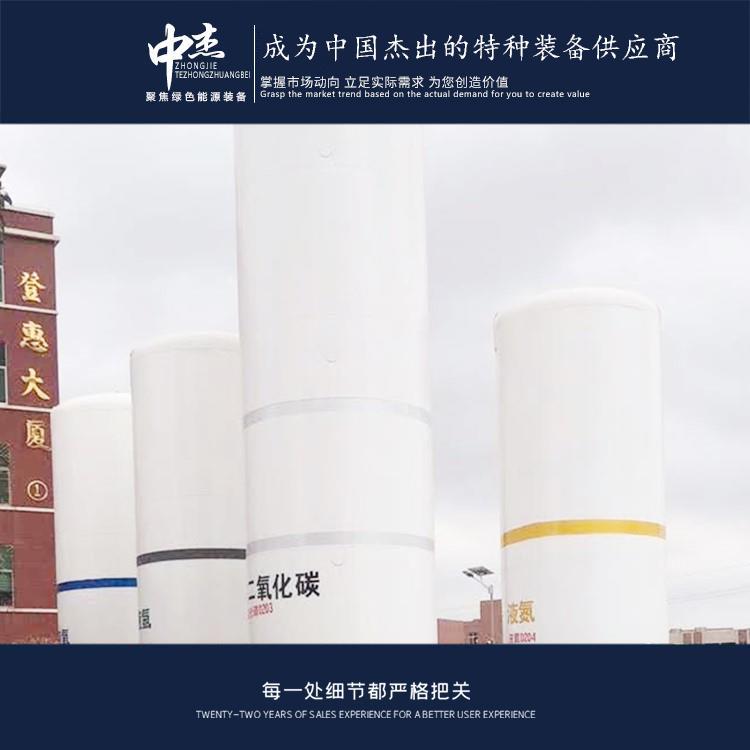
Water pressure testing of carbon dioxide storage tanks is a common quality inspection method used to verify the tank's sealing and pressure resistance. Below are the general steps for conducting a water pressure test on a carbon dioxide storage tank:
Preparation: Ensure the tank interior is clean and the tank is emptied. Check the tank's valves, pipes, and connections to ensure they are sealed properly.
Filling with Water: Fill the tank with water, using tap water or another clean source. Ensure the water is evenly filled to avoid bubbles or dead spots.
Applying Pressure: Use a pressure pump or other pressure device to gradually increase the water pressure until it reaches the predetermined test pressure. The test pressure is typically determined based on the tank's design requirements and relevant standards.
Maintaining Pressure: After reaching the test pressure, hold it for a period, usually 15-30 minutes. During this time, observe for any leakage in the tank and check for leaks at the valves and connections.
Pressure Release: Release the water pressure inside the tank, ensuring it is done slowly and evenly to avoid sudden pressure release causing shock.
Inspection and Evaluation: After pressure release, inspect the tank's exterior and interior for any leakage. Evaluate the test results to ensure the tank's sealing and pressure resistance meet the requirements.
It is important to note that when conducting water pressure tests, safety operating procedures and standards should be followed to ensure safety and reliability during the process. Additionally, based on the tank's design and usage requirements, other types of tests can be conducted, such as gas pressure tests, ultrasonic inspections, etc., to comprehensively assess the tank's quality and performance. Seek advice and guidance from experts.
Carbon dioxide plays several key roles in carbonated beverages:
1. Creating bubbles and mouthfeel: Carbon dioxide is the key component responsible for the bubbles and effervescence in carbonated drinks. When dissolved in the beverage, it forms bicarbonate ions, resulting in a fizzy and bubbly texture. This characteristic bubbles and mouthfeel contribute to the distinct taste and flavor of carbonated drinks.
2. Adjusting pH levels: Carbon dioxide reacts with water to form carbonic acid, thereby regulating the pH levels in carbonated beverages. By controlling the amount of carbon dioxide dissolved, the acidity of the drink can be adjusted to achieve a desirable taste and mouthfeel.
3. Providing a refreshing sensation: The carbon dioxide bubbles in carbonated drinks can give a refreshing feeling. As you drink, these bubbles stimulate the taste buds on your tongue, creating a cool and tingling sensation, enhancing the drink's taste and mouthfeel.
4. Extending shelf life: Carbon dioxide in carbonated beverages serves as a preservative. Due to its acidity and properties, it inhibits the growth of microorganisms, extending the shelf life of carbonated drinks.
It is important to note that excessive consumption of carbonated drinks may have adverse health effects, such as tooth erosion and osteoporosis. Therefore, it is crucial to drink carbonated beverages in moderation.
Shandong Zhongjie Special Equipment, welcome customers to our factory for business discussions.
WeChat Official Account

Scan to follow Official Account



















