



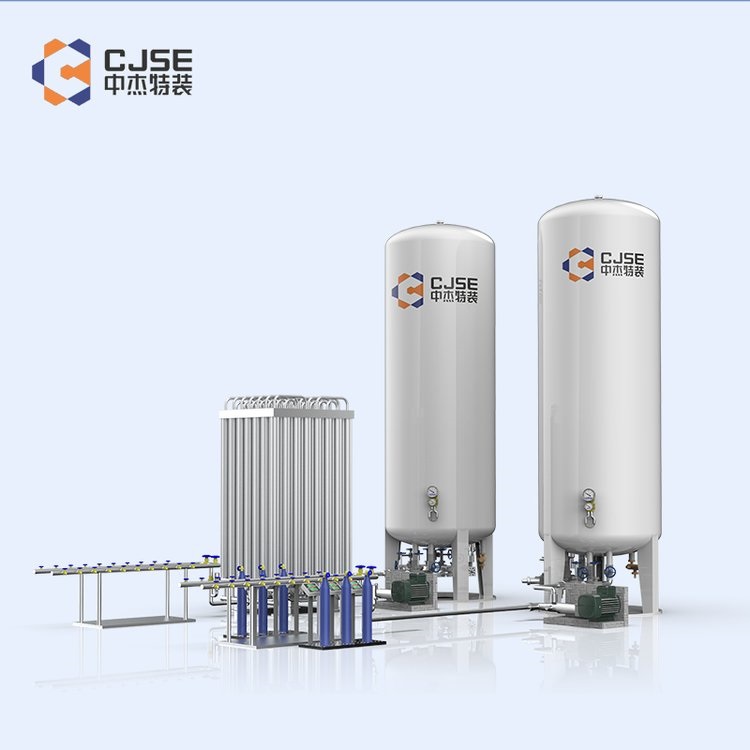
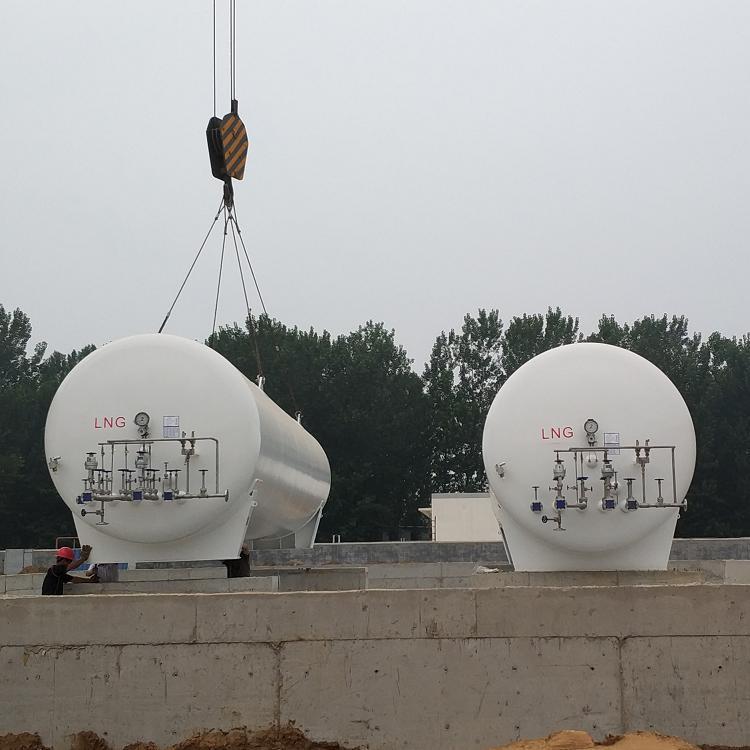


















Shandong Zhongjie Special Equipment (formerly Heze Boiler Factory Co., Ltd.) was established in 2001, located at No. 2218 Jinnan Road, Economic and Technological Development Zone, Heze City. With a registered capital of 50 million yuan and total assets of 500 million yuan, the company operates seven business centers: boilers, deep-freezing vessels, pressure vessels, central air conditioning, engineering installation, international trade, and the Internet of Things. It has three manufacturing sites on Jinnan Road, East Changjiang Road, and Bohai Road, covering a total of 200,000 square meters, with the main workshop spanning 83,000 square meters. The company currently employs 710 people, including 247 engineers and technicians, and 82 intermediate-level technical personnel. In December 2016, it was recognized as a "High-tech Enterprise" by the Science and Technology Department. In June 2021, it was named a "Specialized and New Enterprise in Shandong Province" by the Ministry of Industry and Information Technology. In June 2022, it was identified as a "Gazelle Enterprise in Shandong Province" and in August 2022, it was recognized as a "Specialized and New Small Giant Enterprise" by the Ministry of Industry and Information Technology.
Proper management regulations for the use of low-temperature liquid storage tanks encompass the following aspects:
Tank Selection and Installation: Choose a suitable low-temperature liquid storage tank and ensure it complies with relevant standards and regulations. Installation of the tank should be carried out by personnel and operated in accordance with the manufacturer's instructions and requirements to ensure stability and safety.
Safety Operating Procedures: Establish and implement safety operating procedures for liquid storage tanks, including start-up, shutdown, filling, and venting processes. Operators must undergo training to understand the characteristics of liquid storage tanks, safety precautions, and emergency response measures.
Safety Equipment and Protective Measures: Tanks should be equipped with necessary safety devices such as pressure sensors, safety valves, leak detectors, etc., to monitor and control the pressure and temperature of the tank. Additionally, operators should wear appropriate personal protective equipment like insulated gloves and protective suits to ensure their safety.
Regular Inspections and Maintenance: Conduct regular checks and maintenance on low-temperature liquid storage tanks, including examining the tank's appearance, sealing, and corrosion prevention measures. In case of any issues, promptly repair or replace the tank to ensure its proper operation and safety.
Waste Management: Abandoned low-temperature liquid storage tanks should be disposed of in accordance with relevant environmental protection regulations. The residual liquids in the abandoned tanks should be handled properly to prevent environmental pollution.
Tank Records and Tracking: Establish tank usage records, including filling dates, filling quantities, usage status, etc. Additionally, it is recommended to set up a tank tracking system for monitoring and managing tank usage and maintenance.
Here are some common management regulations for low-temperature liquid storage tanks. Specific regulations may vary depending on the industry and region. When using low-temperature liquid storage tanks, comply with relevant laws and standards and establish appropriate management measures based on the actual situation.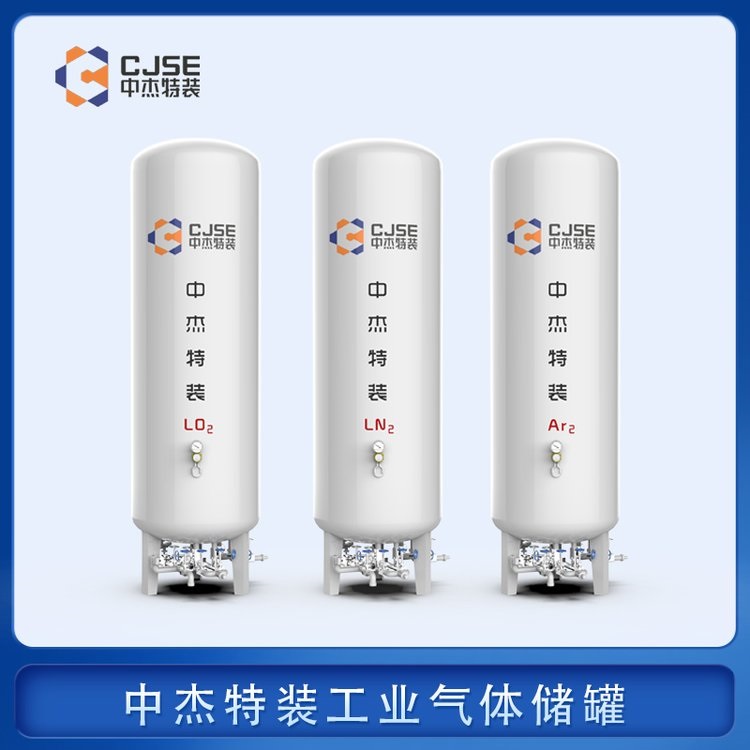
The standard specifications for liquid oxygen tanks may vary by region. Below are examples of common standard specifications:
US Standards: The American National Standards Institute (ANSI) and the American Petroleum Institute (API) have issued a series of standards for liquid oxygen tanks, such as ANSI/API Standard 2510 "Specifications for Design and Construction of Liquid Oxygen Tanks" and ANSI/API Standard 2510A "Supplement to Specifications for Design and Construction of Liquid Oxygen Tanks."
European Standards: The European Committee for Standardization (CEN) has issued a series of standards for liquid oxygen tanks, including EN 13458 "Liquid Oxygen Tanks. Design and Construction" and EN 14015 "Vertical Welded Steel Fixed Tanks. Design and Construction."
Chinese Standards: The Standardization Administration of the People's Republic of China (SAC) has issued a series of standards for liquid oxygen tanks, such as GB/T 18442 "Design Code for Liquid Oxygen Tanks" and GB/T 18443 "Construction and Acceptance Code for Liquid Oxygen Tanks."
These standards typically cover requirements for the design, manufacturing, installation, operation, maintenance, and inspection of liquid oxygen tanks. They encompass provisions for the tank's structure, materials, safety valves, insulation, leak control, fire prevention measures, and safety distances to ensure the safety and reliability of liquid oxygen tanks.
When designing, manufacturing, and using liquid oxygen tanks, it is necessary to comply with applicable standards and regulations and cooperate with local regulatory authorities and personnel to ensure that the tanks meet relevant safety requirements.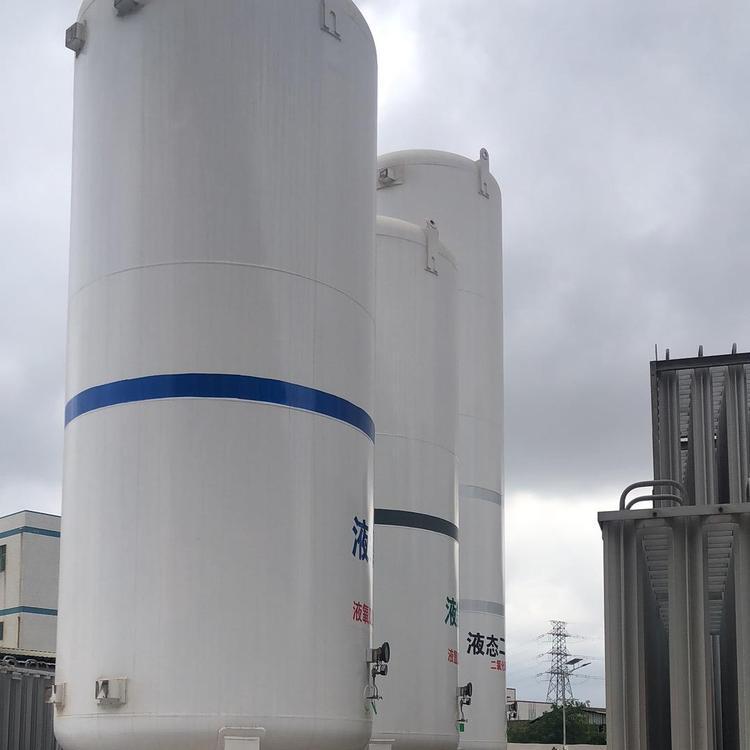
The medical oxygen steel cylinder filling area, in addition to the liquid oxygen storage tank, includes the following components:
Oxygen Compressor: Oxygen compressors are used to compress gaseous oxygen into high-pressure oxygen. These compressors are typically made with special materials and designs to ensure safe handling and compression of oxygen.
Oxygen Purification System: The oxygen purification system is designed to remove impurities and contaminants from oxygen, ensuring the purity and quality of the supplied oxygen. The system typically includes filters, absorbents, and molecular sieves.
Oxygen Storage System: In addition to liquid oxygen tanks, the oxygen filling area may also include a gaseous oxygen storage system for temporary storage and supply of gaseous oxygen. The gaseous oxygen storage system typically includes high-pressure oxygen cylinders or gas storage tanks.
Filling Equipment: Filling equipment is used to transfer oxygen from liquid oxygen storage tanks or gaseous oxygen storage systems into medical oxygen steel cylinders. The filling equipment typically includes filling machines, filling pipelines, and filling control systems.
Oxygen Quality Monitoring System: The Oxygen Quality Monitoring System is used for monitoring the quality and purity of oxygen being filled. Quality inspections and monitoring are conducted on the filled oxygen through an oxygen analyzer or other detection equipment.
Safety Facilities: The filling plant area should be equipped with corresponding safety facilities such as fire alarm systems, oxygen leak detection systems, and ventilation systems to ensure the safety and protective measures during the filling process.
It is essential that the design and equipment configuration of the medical oxygen cylinder refilling area comply with relevant regulations, standards, and specifications. During the refilling process, strict adherence to operational procedures and safety requirements must be maintained to ensure the safe supply of oxygen.
Nitrogen charging in liquid nitrogen tanks refers to the process of injecting nitrogen gas into the tank to increase the concentration and pressure of nitrogen inside, in order to meet certain safety requirements and operational objectives. Here are some precautions to consider when nitrogen charging liquid nitrogen tanks:
Safe Operation: Prior to nitrogen flushing operations on liquid nitrogen tanks, it is mandatory that operators possess relevant safety knowledge and skills. Operators must wear appropriate personal protective equipment, such as safety goggles, gloves, and protective clothing.
Nitrogen Quality: Utilize high-purity nitrogen for inerting operations to ensure the quality and purity of the nitrogen. Low-purity nitrogen may contain impurities or oxygen, which could have adverse effects on the liquid nitrogen within the storage tank.
Nitrogen Flush Rate Control: During the nitrogen flush process, the flush rate should be controlled to avoid being too fast or too slow. A too fast nitrogen flush rate may cause excessive internal pressure in the storage tank, while a too slow rate may lead to an extended flush time.
Pressure Monitoring: During the nitrogen flushing process, the internal pressure of the tank should be regularly monitored. Ensure the internal pressure of the tank is within the safe range and adjust as necessary.
Temperature Control: During the nitrogen flushing process, attention should be given to controlling the temperature of the storage tank. The low temperature of liquid nitrogen can lead to condensation and dew on the tank and pipes. Appropriate measures, such as heating or insulation, should be taken to prevent condensation and dew from occurring.
Post-nitrogen flushing treatment: After the nitrogen flushing operation is completed, the flushing unit should be promptly turned off, and the tank should be inspected and cleaned. Ensure that there is no residual nitrogen or impurities inside the tank.
Note: Nitrogen charging operations for liquid nitrogen tanks must strictly adhere to relevant safety standards.
Zhongjie Special Equipment upholds the grand vision of "realizing employees' dreams, creating customer value, and striving for the prosperity and strength of our motherland," focusing on the development of green energy equipment. We dedicate high-quality, cost-effective products and services to society!
WeChat Official Account

Scan to follow Official Account



















