



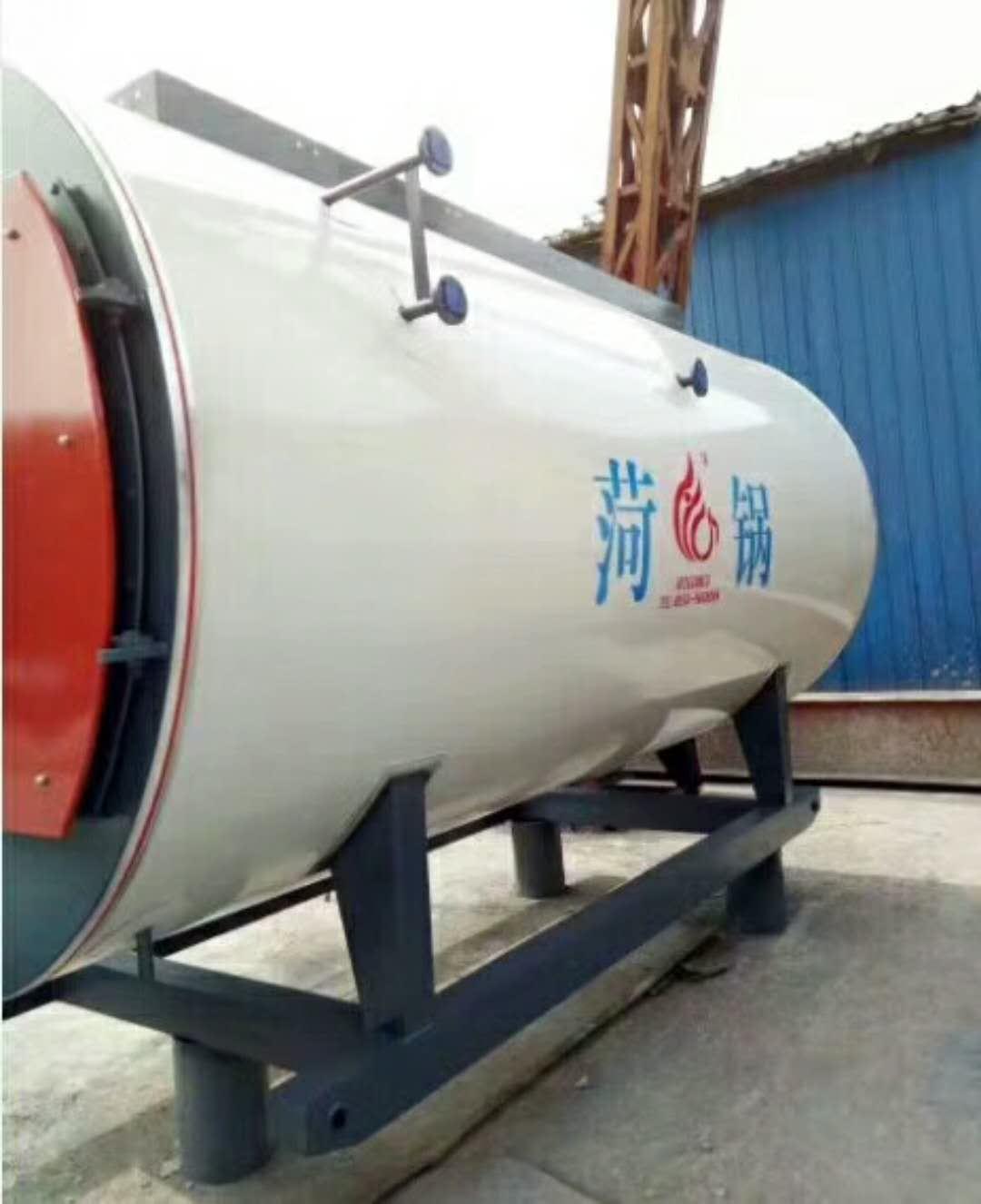
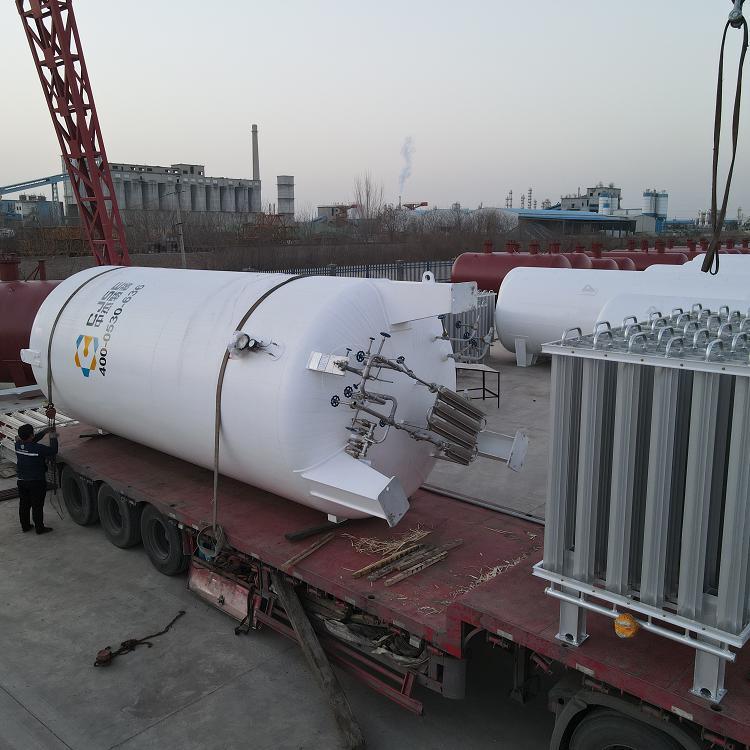


















Shandong Zhongjie Special Equipment (formerly Heze Boiler Factory Co., Ltd.) holds an A-grade boiler manufacturing license, an A2-grade pressure vessel manufacturing license, an A2-grade pressure vessel design license, a B-grade boiler installation license, and GB2/Class, GC2/Class pressure pipeline installation licenses, as well as a qualification for electromechanical equipment installation contracting. It is a member of the China Boiler and Water Treatment Association, the China Chemical Equipment Association, and the Council Member of the Shandong Equipment Manufacturing Association. The company has also passed certifications for the ISO9001 Quality Management System, ISO14001 Environmental Management System, OHSAS18001 Occupational Health and Safety Management System, and the American ASME/U2 certification.
Daily inspections of liquid nitrogen tanks should include the following aspects:
Level Inspection: Regularly check the liquid nitrogen tank's level to ensure it remains within the normal range. This can be done using level gauges or level scales, among other equipment.
Pressure Check: Inspect the tank's pressure to ensure it is within the safe range. Pressure gauges or pressure sensors can be used for the inspection.
Insulation Layer Inspection: Verify that the insulation layer of the tank is intact, without any damage or detachment. The integrity of the insulation layer is crucial for reducing heat transfer and the evaporation of liquid nitrogen.
Leakage Inspection: Check for signs of liquid nitrogen leakage around the tank, such as vapor mist, frost, or ice formation. If leakage is detected, take immediate measures to repair it.
Valve and Pipeline Inspection: Verify that the valves and pipelines of the storage tank are functioning properly without any gas leaks or blockages. Ensure the tightness and unobstructed flow of the valves and pipelines.
Safety Equipment Inspection: Check the storage tank's safety equipment, such as pressure relief valves, temperature sensors, and level alarms, to ensure they are functioning properly.
Tank exterior cleaning: Regularly clean the external surface of the tank to remove dust, dirt, and debris. Maintain the tank's appearance for easy inspection and maintenance.
Tank Records and Documentation: Timely record the inspection results and maintenance records of the tanks, including liquid levels, pressure, insulation status, and leakage conditions. These records aid in monitoring the tank's operational status and identifying issues promptly.
Above are the daily inspection items for liquid nitrogen tanks. Regularly conducting these checks ensures the safe and efficient operation of the tanks. At the same time, follow relevant safety regulations and operational guidelines to ensure the safety of personnel and equipment.
The filling process for liquid nitrogen tanks typically includes the following steps:
Preparation: Ensure that the storage tank and filling equipment are in good condition with no damage or leaks. Check that the insulation layer of the tank is intact and undamaged.
Safety Inspection: Check the tank and its surrounding environment for safety. Ensure there are no flammable materials or other hazardous items in the vicinity of the tank.
Connect equipment: Link the filling equipment to the storage tank. Ensure the connection is secure and leak-proof.
Prepare Liquid Nitrogen: Prepare liquid nitrogen supply ensuring the quality and purity meet the requirements.
Open Valve: Follow the operation instructions of the filling equipment to gradually open the corresponding valves, allowing liquid nitrogen to flow from the supply source into the storage tank.
Regulate Flow: Adjust the flow control valve of the filling equipment as needed to control the inflow speed of liquid nitrogen. Ensure the flow rate is moderate, avoiding too fast or too slow.
Monitor Liquid Level: Real-time monitoring of the liquid nitrogen level in the storage tank through a liquid level gauge or other level monitoring devices. Ensure the level is maintained within a safe range.
Cease Filling: Close the valve of the filling equipment once the liquid nitrogen has filled the tank or reached the desired level, halting the inflow of liquid nitrogen.
Disconnect: Disconnect the filling equipment from the tank, ensuring there are no leaks at the connection point.
Safety Inspection: Conduct a recheck of the tank and its surrounding environment to ensure there are no leaks or other safety hazards.
Please note that the process described is for general reference only, and the actual filling process may vary depending on the specific type of tank and filling equipment. When performing filling operations for liquid nitrogen tanks, please adhere to the relevant operational specifications and safety requirements, and ensure that operators are properly trained and skilled in safety measures.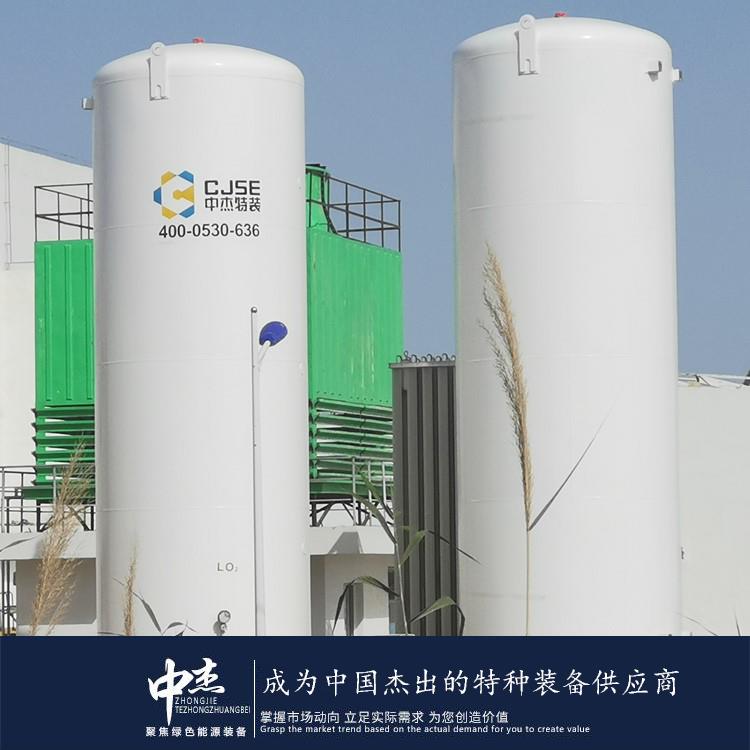
The low-temperature storage tank boasts several advantages:
Storage: Low-temperature storage tanks can keep liquid low-temperature substances (such as liquid nitrogen, liquid oxygen, etc.) at low temperatures, maintaining their liquid state. Compared to gas storage, liquid storage can significantly increase storage density and save storage space.
Long-Term Storage: Low-temperature storage tanks are designed for long-term storage of低温 materials, extending their service life. By controlling the temperature within the tank and the performance of the insulation, the evaporation and oxidation of liquid materials can be slowed down, maintaining their stability and purity.
Safety: Low-temperature storage tanks have excellent safety performance. The tanks are made of special materials and designed with a structure that can withstand low temperatures and high pressure environments. Additionally, the tanks are equipped with safety devices such as pressure relief valves and liquid level alarms to ensure safe operation and use.
Broad Applications: Low-temperature storage tanks are widely used in various fields. They can be used for storing liquid oxygen and providing oxygen supply; in industrial applications, they are used for storing liquefied natural gas (LNG) and other process gases like liquid nitrogen; in scientific research, they are utilized for storing low-temperature experimental samples.
Environmental Protection and Energy Saving: Low-temperature storage tanks can effectively store and utilize low-temperature materials, reducing energy waste and environmental pollution. During the storage and transportation of liquid materials, energy loss is minimized, which can improve energy utilization efficiency.
In summary, low-temperature storage tanks offer advantages such as storage, long-term storage, safety, multi-field applications, and environmental protection and energy saving. This makes them a crucial equipment for storing and supplying low-temperature materials, playing a significant role in various fields.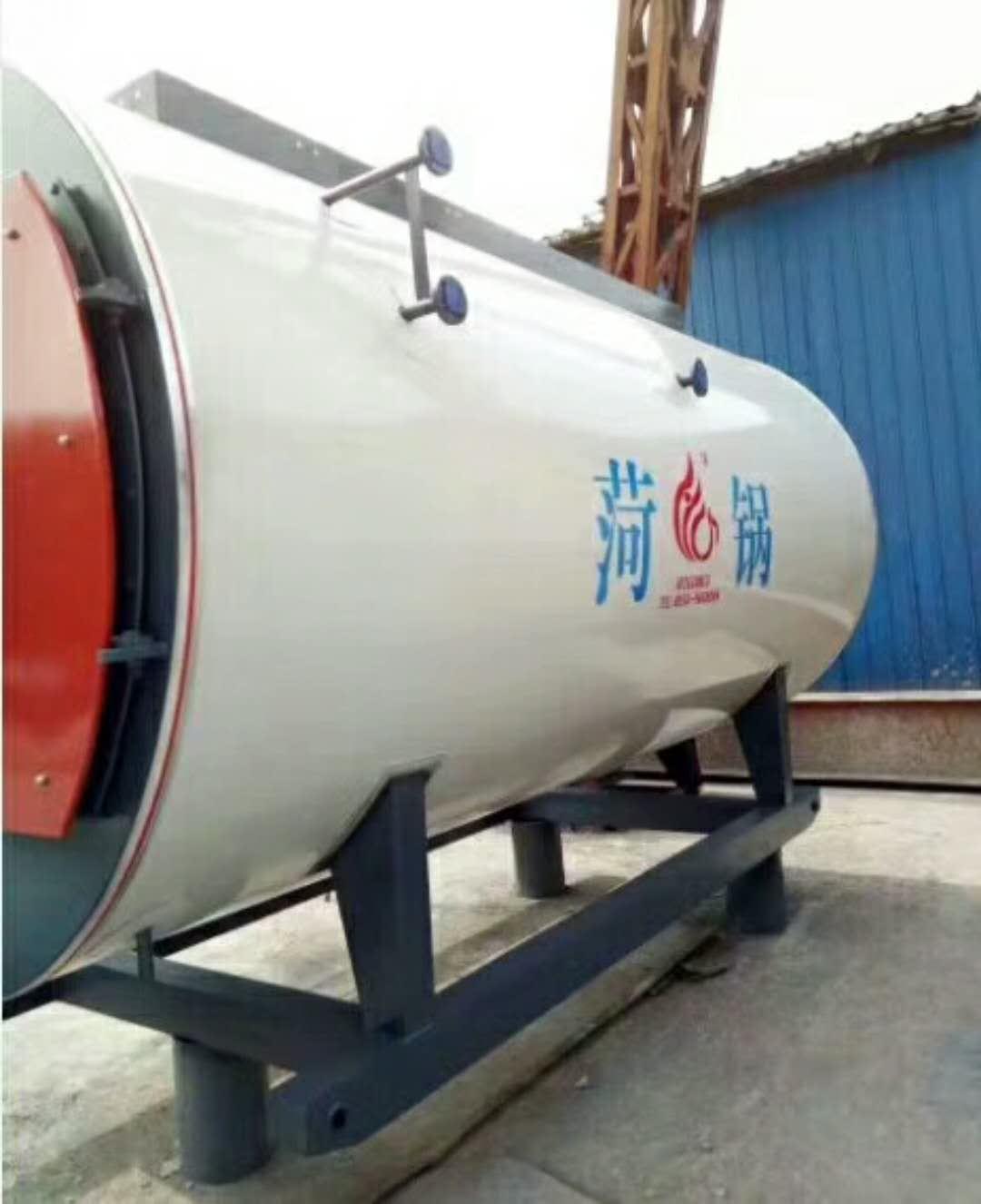
The use and operation of the liquid oxygen storage tank system require attention to the following points:
Safe Operation: When operating the liquid oxygen storage tank system, it is mandatory to follow relevant safety operation procedures and standards to ensure the safety of the operators.
Tank Selection: Choose liquid oxygen tanks that comply with regulations and standards, ensuring their quality and safety performance.
Tank Installation: Tanks should be installed on a solid foundation to ensure stability. Additionally, the area around the tank should be well-ventilated and kept away from flammable materials and heat sources.
Sealability Inspection: Regularly check the sealing performance of the storage tank system to ensure there are no leakage issues at valve and pipeline connections.
Pressure Control: Storage tank systems should be equipped with pressure gauges and safety valves, with regular inspections and maintenance to ensure pressure remains within safe limits.
Fire Prevention Measures: Liquid oxygen contains a high oxygen concentration and is highly flammable. Install firewalls around the storage tank system, prohibit smoking and open flames, and ensure safety.
Static protection: During the operation of the liquid oxygen system, static electricity may cause sparks, increasing the risk of fire. Measures such as using static-conductive materials and anti-static equipment are taken to reduce the accumulation and release of static electricity.
Regular inspections and maintenance: Conduct regular checks on the tank system and related equipment, including valves, pipes, pressure gauges, etc. Ensure that the equipment is in good condition without any damage, and promptly repair or replace any damaged parts.
Waste Gas Treatment: During the operation of the liquid oxygen system, waste gas is produced, and appropriate waste gas treatment measures must be taken to minimize environmental impact.
Above are the precautions to be taken when using the liquid oxygen storage tank system, ensuring safe operation and the normal functioning of the system. During operation, strictly follow the relevant operational procedures and safety requirements to avoid accidents.
ZJ Special Equipment adheres to the grand vision of "realizing employees' dreams, creating customer value, and striving for the prosperity and strength of our motherland," focusing solely on the development of green energy equipment. We dedicate products and services of high cost-performance to society!
WeChat Official Account

Scan to follow Official Account



















