


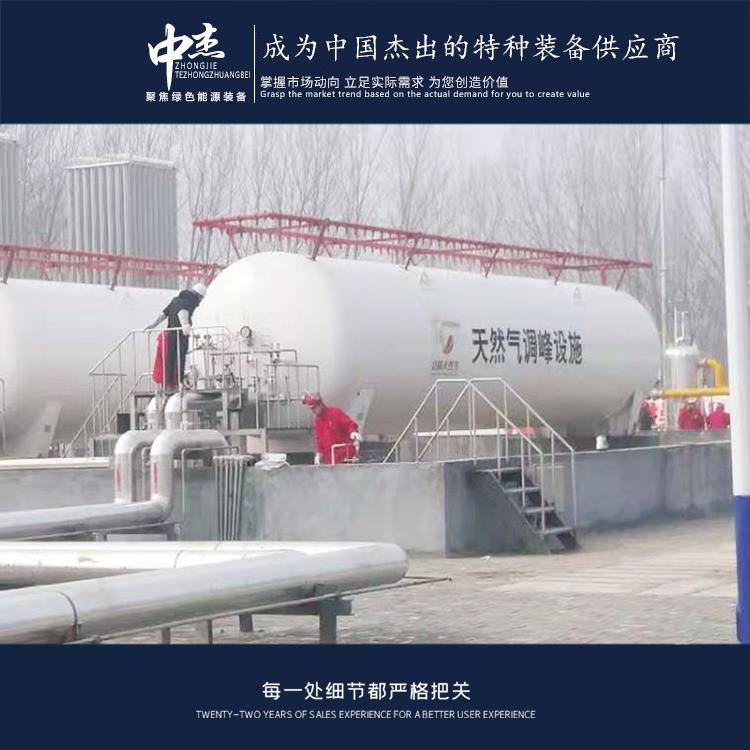

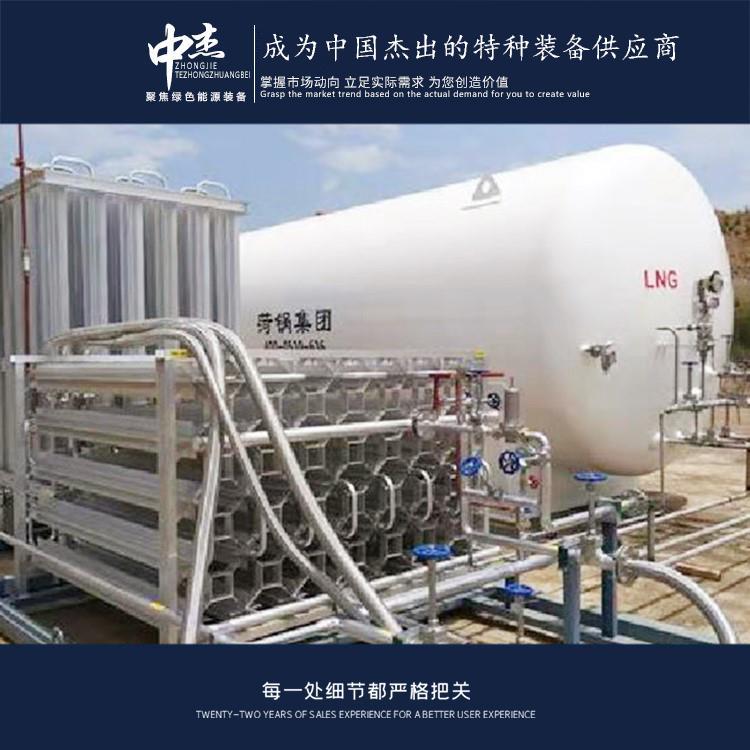
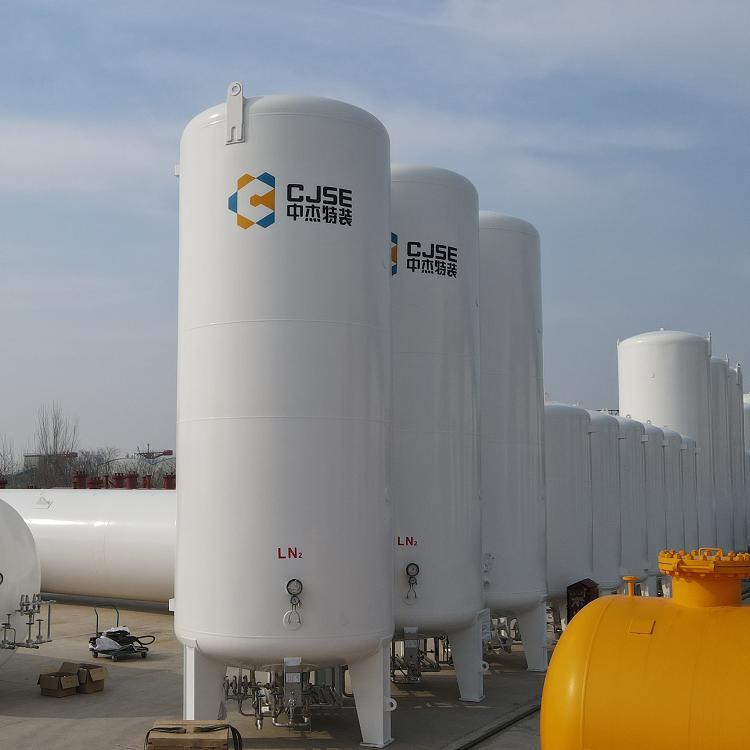


















Shandong Zhongjie Special Equipment (formerly Heze Boiler Factory Co., Ltd.) holds an A-grade boiler manufacturing license, an A2-grade pressure vessel manufacturing license, an A2-grade pressure vessel design license, a B-grade boiler installation license, and GB2/Class, GC2/Class pressure pipeline installation licenses, as well as a mechanical and electrical equipment installation contracting qualification. It is a member of the China Boiler and Water Treatment Association, the China Chemical Equipment Association, and the理事 member of the Shandong Equipment Manufacturing Association. The company has also passed the ISO9001 Quality Management System, ISO14001 Environmental Management System, OHSAS18001 Occupational Health and Safety Management System certifications, and the American ASME/U2 certification.
Material control for low-temperature liquid storage tanks is a crucial aspect for ensuring safety and reliability. Here are some common material control measures:
Material Selection: Choose materials suitable for low-temperature environments, such as low-temperature alloy steel, stainless steel, etc. These materials offer excellent low-temperature resistance and crack resistance, maintaining strength and toughness under low-temperature conditions.
Material Quality Control: Ensure the selected materials meet relevant standards and specifications. Conduct chemical composition analysis, mechanical property tests, and impact tests on materials to ensure their performance meets design requirements.
Welding Material Selection: Choose welding materials suitable for low-temperature environments, such as low-temperature welding rods or welding wires. The welding materials should match the tank material, featuring good welding properties and crack resistance.
Welding Process Control: Monitor welding process parameters such as current, voltage, and speed to ensure the quality and reliability of焊接 joints. Methods with low heat input, such as pulse welding and laser welding, can reduce the temperature gradient and residual stress in the welding heat-affected zone.
Corrosion Prevention Measures: Apply anti-corrosion treatments to both the internal and external metal surfaces of the storage tank to extend its service life. Options include anti-corrosion coatings and paints to protect the tank's metal structure from corrosion damage.
Material Performance Monitoring: Regularly monitor the performance of storage tank materials, such as mechanical property tests,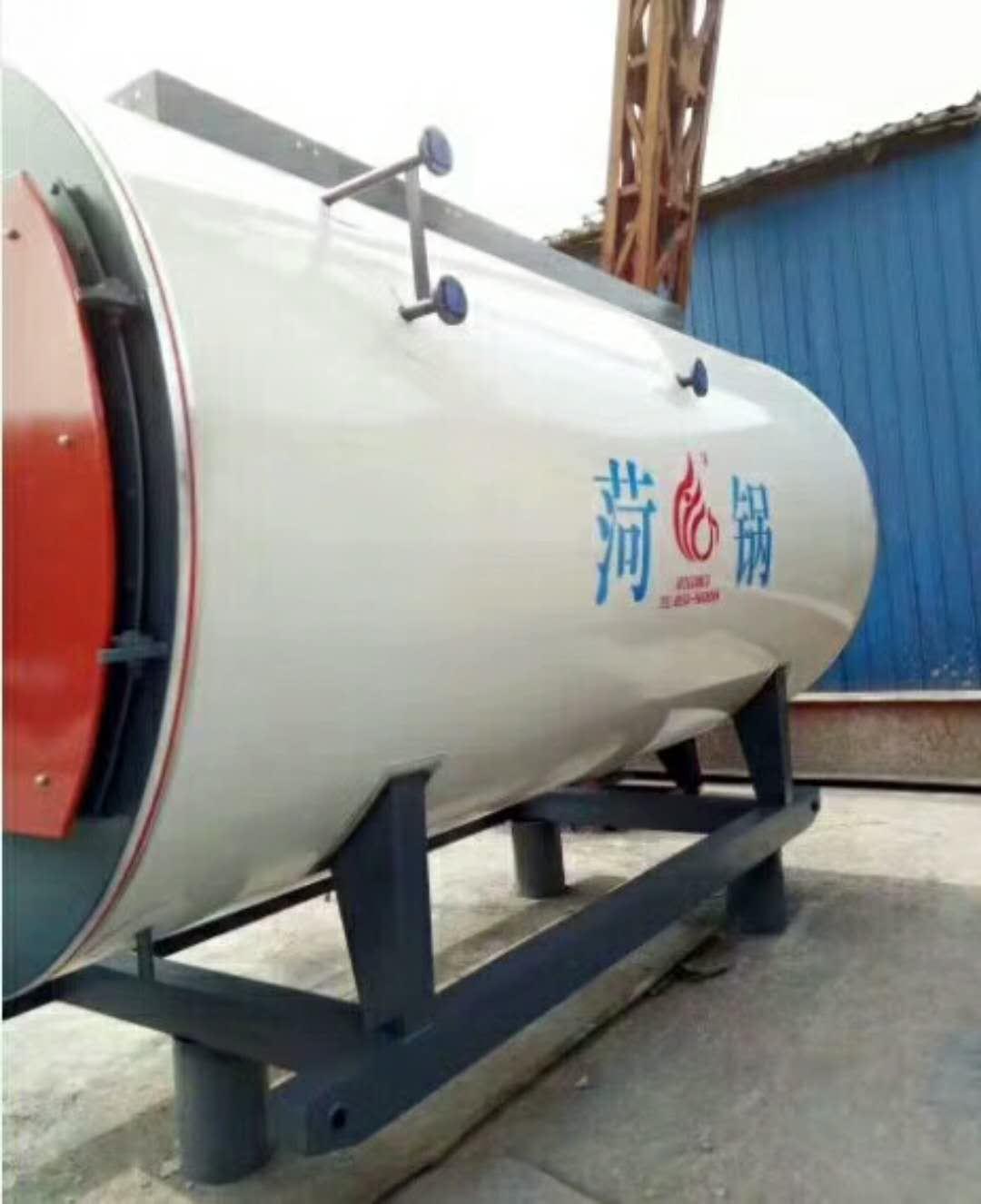
Liquid Argon Storage Tanks are specialized equipment designed for storing liquid argon, featuring the following parameters, functions, and characteristics:
Parameters:
Storage Capacity: The capacity of liquid argon storage tanks can be customized to meet requirements, typically available in various sizes such as 500L, 1000L, 2000L, and so on.
Working Pressure: The working pressure of liquid argon tanks is typically at atmospheric pressure or slightly above atmospheric pressure.
Storage Temperature: The storage temperature for liquid argon tanks is typically -196 degrees Celsius, which is the boiling point of argon, maintaining its liquid state.
Function:
Liquid Argon Storage: Liquid Argon Tanks are primarily used for storing liquid argon, maintaining its liquid state at low temperatures for supply and use.
Insulation: The liquid argon storage tank utilizes advanced insulation materials and structural design to minimize heat conduction and retention, maintaining the low temperature state of liquid argon.
Safety Control: The liquid argon storage tank is equipped with safety devices such as pressure relief valves and level alarms, ensuring safe operation and use.
Features:
High Purity Supply: Liquid Argon tanks offer high purity liquid argon supply to meet the needs of applications such as cryogenic storage, gas shielding welding, semiconductor manufacturing, etc.
Long-term Storage: Liquid argon tanks can store liquid argon for long periods, extending their service life. By controlling the temperature inside the tank and the performance of the insulation layer, the evaporation and oxidation of liquid argon can be slowed down.
Broad Applications: Liquid argon storage tanks are widely used in various fields such as industry and scientific research, including freezing and semiconductor manufacturing.
Environmental Protection & Energy Saving: Liquid Argon Storage Tanks enable efficient storage and utilization of liquid argon, reducing energy waste and environmental pollution.
In summary, liquid argon storage tanks are designed for storing liquid argon, maintaining thermal insulation, and safety.
The filling of a low-temperature liquid nitrogen tank refers to the process of transferring liquid nitrogen from an external supply source into the tank. Below is an explanation of the filling process for low-temperature liquid nitrogen tanks:
Preparation: Before filling the liquid nitrogen tank, thorough preparation is required. This includes inspecting the tank's condition and safety, ensuring the interior is clean, free of impurities, and contaminants. Additionally, check the quality of the liquid nitrogen from the supply source and the safety of the supply pipeline.
Connect supply source: Attach the liquid nitrogen supply source to the supply opening of the storage tank. Ensure the connection is securely fastened to prevent leaks.
Control Liquid Level: During the bottling process, it is necessary to control the liquid nitrogen level to avoid overfilling or overflow. A liquid level gauge or a liquid level control system can be used to monitor and control the level.
Slow Injection: The injection of liquid nitrogen should be done slowly to prevent rapid vaporization and increased pressure. Appropriate valves and flow control devices can be used to regulate the injection rate.
Monitor Pressure: During the canning process, it is necessary to monitor the tank's pressure to ensure it remains within a safe range. Pressure gauges or pressure sensors and other equipment can be used for monitoring.
Canning Complete: Stop injecting liquid nitrogen when the liquid level reaches the predetermined filling quantity or the tank's capacity limit. Disconnect from the supply source and ensure the sealing integrity of the filling port.
Safe Operation: Throughout the entire bottling process, relevant safety regulations and operation guidelines must be followed. Liquid nitrogen is highly flammable and at low temperatures, operators should wear appropriate personal protective equipment and ensure the operating environment is free from any ignition sources.
When bottling liquid nitrogen, attention must be paid to its low-temperature characteristics and safety. Ensure safe operation and control during the bottling process to guarantee the safe operation of the storage tank and the effective storage of liquid nitrogen.
When using a 50-cubic-liter liquid oxygen storage tank, the following safety concerns should be noted:
Tank Pressure Control: Ensure the liquid oxygen pressure within the tank is consistently within the safe range. Monitor and control the tank's pressure to avoid risks from excessive or insufficient pressure.
Leakage and Fire Prevention: Regularly inspect the tank and associated pipelines for seal integrity to prevent liquid oxygen leakage. Liquid oxygen is highly flammable, and fire prevention measures must be implemented to ensure there are no ignition sources around the tank.
Explosion Prevention Measures: Oxygen inside the liquid oxygen tank may cause an explosion upon contact with flammable materials. Ensure there are no flammable items around the tank and implement explosion prevention measures, such as explosion-proof electrical equipment and static grounding.
Safety valves and exhaust systems: Tanks should be equipped with safety valves and exhaust systems to prevent overpressure conditions. Ensure the proper functioning of the safety valves and the unobstructed flow of the exhaust system.
Routine Maintenance and Inspection: Regularly maintain and inspect the storage tanks, including cleaning, coating protection, and anti-corrosion treatment. Ensure the structural integrity and safety of the tanks.
Safe Operation and Training: Operators must undergo relevant safety training, familiarize themselves with the safety operating procedures for liquid oxygen storage tanks, and understand emergency response measures. Adhere to the correct operational steps to ensure safe operation.
Environmental Monitoring: Regularly monitor environmental parameters such as oxygen concentration and temperature around storage tanks to ensure safety.
Emergency Preparedness: Develop an emergency response plan including measures for leaks, fires, and explosions. Equip with appropriate emergency equipment and fire fighting facilities to handle unforeseen incidents.
Above are some safety issues to be aware of when using a 50-cubic-liter liquid oxygen tank. To ensure safety, it is recommended to follow relevant safety regulations and operational guidelines, and seek assistance and guidance from professionals when necessary.
Zhongjie Special Equipment upholds the grand vision of "realizing employees' dreams, creating value for customers, and striving for the prosperity and strength of our motherland," and is dedicated to the development of the green energy equipment industry. We offer society high-quality products and services at competitive prices!
WeChat Official Account

Scan to follow Official Account



















