



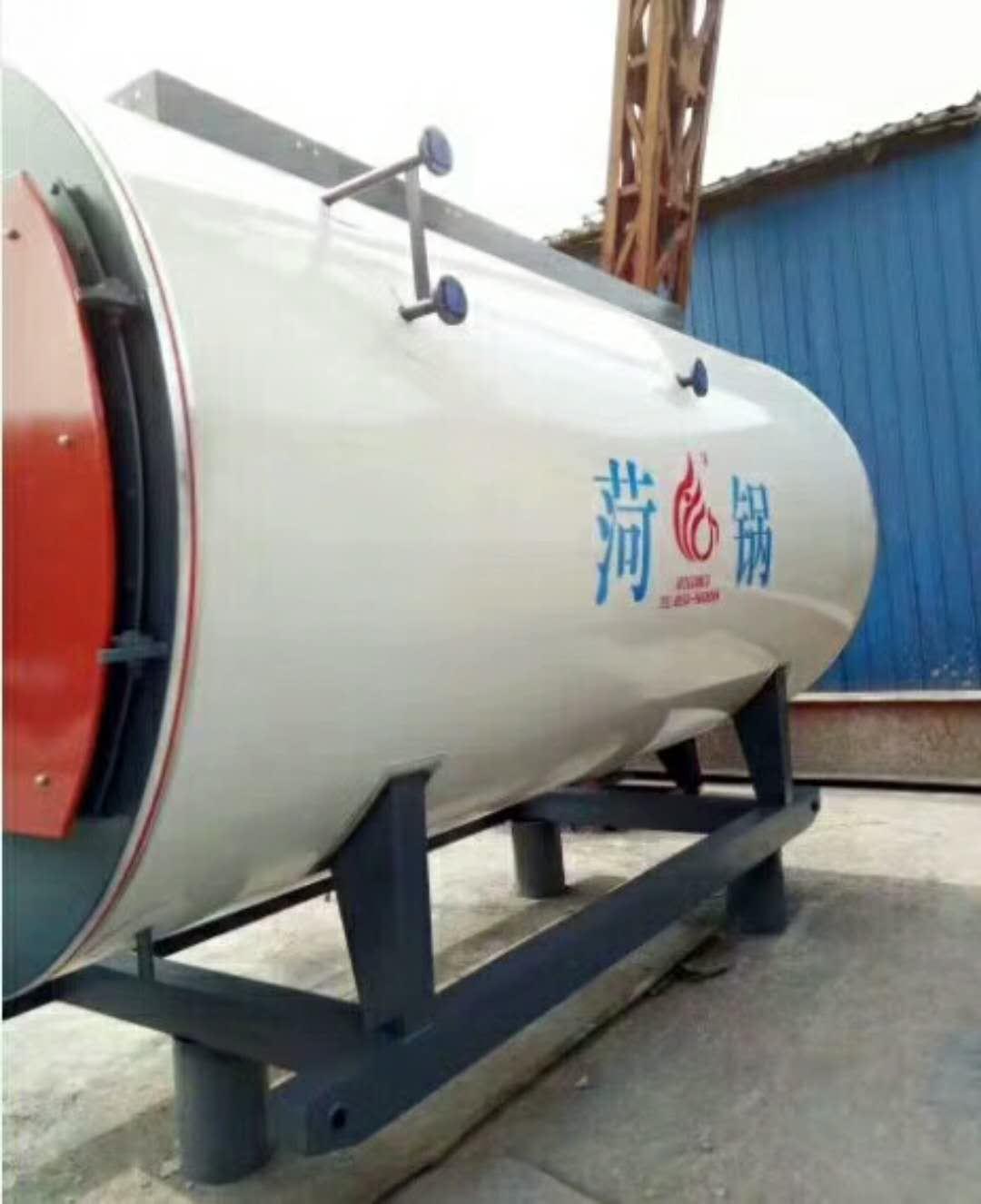


















Shandong Zhongjie Special Equipment specializes in: fuel (gas) boilers, organic heat carrier boilers, biomass boilers, waste heat boilers, and other boiler products; vacuum insulation deep-freeze pressure vessels such as LNG tanks, oxygen/nitrogen/argon tanks, CO2 tanks; pressure vessel products including denitrification engineering equipment, heat storage and energy storage equipment, and complete chemical equipment; central air conditioning and HVAC equipment such as ground (water) source heat pumps, air source units, water-cooled screw units, and air-cooled modular units. Planned products include large-scale energy centers, LNG transport vehicles, LNG tank containers, and other green energy equipment.
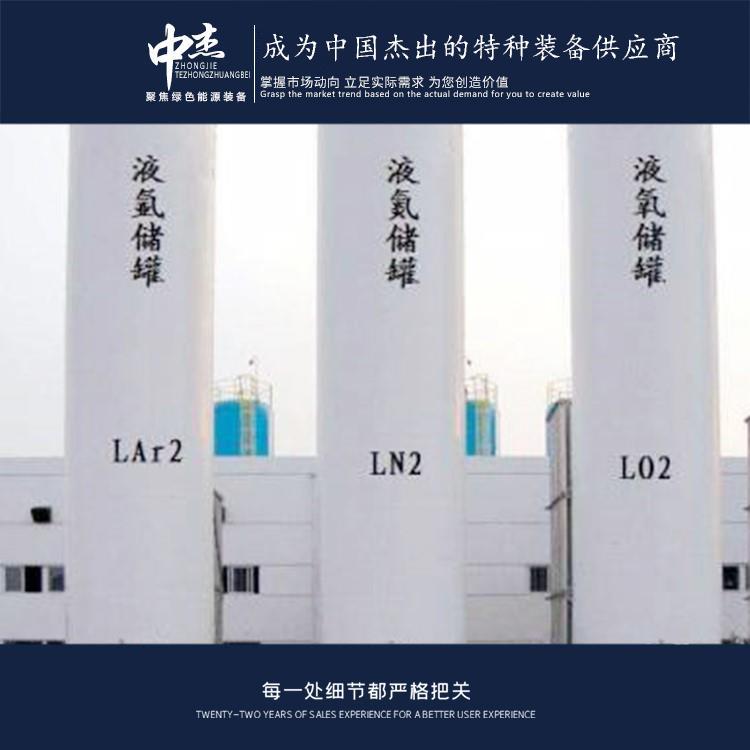
Zhongjie Special Equipment is a company specializing in the manufacturing of low-temperature liquid storage tanks. They offer tanks in various specifications and capacities, including liquid nitrogen, liquid oxygen, and liquid argon storage tanks.
The Zhongjie low-temperature liquid storage tank is constructed with high-quality materials and advanced manufacturing techniques, ensuring the tank's strength and sealing integrity. The internal design features special insulation materials and structure, effectively reducing liquid evaporation losses.
The Zhongjie special-purpose low-temperature liquid storage tanks feature the following characteristics:
High safety: Tanks are made of materials with excellent pressure resistance and sealing properties, capable of safely storing low-temperature liquids.
Low evaporation loss: Insulation materials and structural design used inside the tank effectively reduce liquid evaporation loss, enhancing the tank's economic efficiency.
Multiple specification and capacity options: Zhongjie provides a variety of specifications and capacities for low-temperature liquid storage tanks to meet different customer needs.
Customized Design: Jietze can offer tailored design and manufacturing services based on specific customer requirements to accommodate various application scenarios.
Batch manufacturing process: With state-of-the-art manufacturing equipment and a skilled technical team, Zhongjie Special Equipment can ensure the quality and performance of the storage tanks.
In summary, ZJET's低温 liquid storage tanks for special equipment are characterized by high safety, low evaporation loss, and a wide range of specifications, making them suitable for storage and transportation needs of low-temperature liquids.
Proper maintenance and precautions are crucial for liquid nitrogen tanks. Here are some key points:
Maintenance:
Regular Inspections: Conduct regular inspections of the liquid nitrogen tank's exterior, valves, pipes, and other components to ensure they are intact and undamaged. Pay special attention to check for leaks, corrosion, or any other forms of damage.
Clean Storage Tanks: Regularly clean liquid nitrogen tanks to remove internal dirt and sediments. Use appropriate cleaning agents and tools, and follow the cleaning procedures and safety operation protocols.
Liquid Nitrogen Refill: Refill liquid nitrogen regularly as needed. Ensure the storage tank maintains an adequate supply to meet usage requirements.
Maintain Pressure: Regularly inspect the liquid nitrogen tank's pressure to ensure it stays within the safe range. Conduct pressure tests and adjustments as necessary.
Corrosion Protection: Based on the material and operating environment of the storage tank, appropriate corrosion protection measures are taken to extend the service life of the tank. For instance, applying anti-corrosion coatings, conducting regular corrosion protection treatments, etc.
Cautionary Notes:
Safe Operation: Strict adherence to safety operating procedures and standards is mandatory when using liquid nitrogen tanks. Operators should be trained, familiar with the properties and safety requirements of liquid nitrogen, and knowledgeable about the tank equipment and operational procedures.
Safety Precautions: When using liquid nitrogen tanks, necessary protective measures must be taken, such as wearing protective gloves and suits. Avoid direct contact with liquid nitrogen to prevent frostbite.
Leak Control: Conduct regular inspections of liquid nitrogen tanks for leaks and equip with leak detectors and alarm systems. In the event of a leak, immediate action should be taken to contain it and initiate repairs.
Ventilation Requirements: Ensure adequate ventilation in enclosed spaces where liquid nitrogen storage tanks are in use.
The reason for occasional venting of liquid oxygen tanks is primarily to maintain the safe pressure range within the tank and prevent excessive pressure buildup. The following are several scenarios in which liquid oxygen tanks may be vented occasionally:
Pressure Control: During the operation of the liquid oxygen tank, due to the evaporation of liquid oxygen and temperature changes, the pressure inside the tank will vary. To maintain a safe pressure range within the tank, regular venting is required to control the tank's pressure within the safe limits.
Prevent Overpressure Accumulation: During oxygen filling or usage, external factors or operational errors may cause the pressure inside the liquid oxygen tank to exceed safe levels. To prevent overpressure accumulation, timely venting is required to alleviate the pressure within the tank.
Prevent Gas Accumulation: There may be some gas impurities in the liquid oxygen storage tank, such as air and water vapor. These gases will condense into liquids or solids at the low temperature of liquid oxygen, potentially blocking pipes or affecting the normal operation of the tank. Regularly releasing gas can expel these impurities, keeping the tank clean and unobstructed.
It is essential that the release of liquid oxygen be conducted by trained personnel, strictly adhering to the relevant operational procedures and safety measures. During the release process, precautions must be taken to prevent leaks and contact with liquid oxygen, ensuring the safety and reliability of the operation.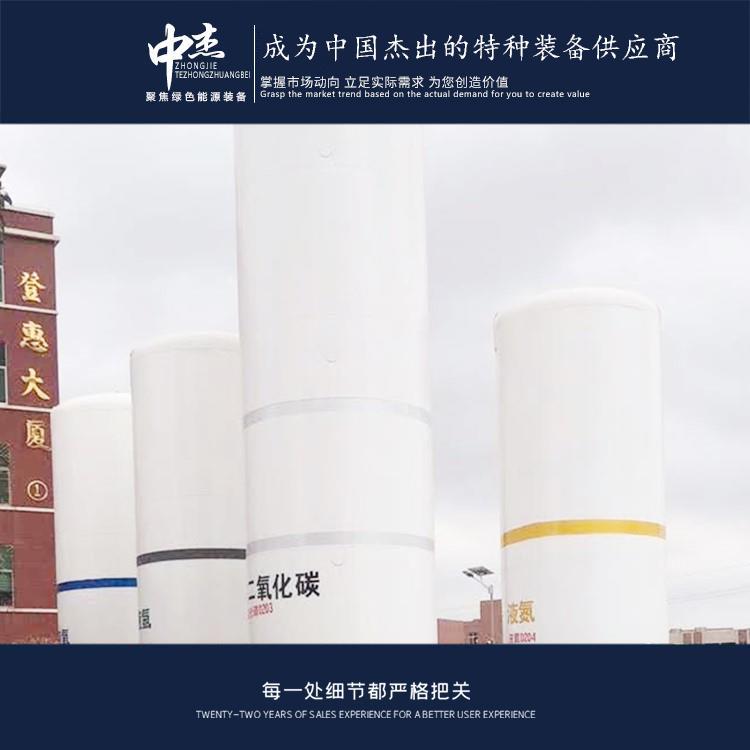
Liquid nitrogen storage tanks feature the following characteristics during construction:
Low-Temperature Construction: The construction of liquid nitrogen tanks must be carried out in low-temperature conditions, as the boiling point of liquid nitrogen is low, approximately -196 degrees Celsius. Construction personnel must take appropriate protective measures, such as wearing thermal protective clothing and gloves, to protect themselves from low-temperature injuries.
Welding Technology: A significant amount of welding is required during the manufacturing process of liquid nitrogen tanks, including the connections of the tank walls, bottom plates, top plates, and weld seams. Welding technology is crucial for the quality and safety of the tank, necessitating the use of appropriate welding methods and materials to ensure the strength and sealing integrity of the welds.
Insulation Layer Construction: Liquid nitrogen storage tanks must have excellent insulation properties to reduce heat conduction and retain low temperatures. The construction of the insulation layer requires materials such as polyester foam and glass wool, ensuring the thickness and quality of the insulation.
Proper installation steps for a liquid nitrogen tank are as follows:
Site Preparation: Select a suitable site for tank installation, ensuring the area is level, sturdy, and capable of supporting adequate loads. The site should be kept away from flammable, explosive materials, and other hazards.
Basic Construction: Construction of the foundation based on the tank's dimensions and weight, including excavation of the foundation pit and pouring concrete foundation. The design and construction of the foundation should comply with relevant standards and regulations.
Tank Installation: Transport the tank to the site and install it vertically. Appropriate lifting equipment and safety measures must be used during installation to ensure the stability and safety of the tank.
Pipe connections: Connect the tank to the relevant pipeline system as required, including intake pipes, exhaust pipes, and liquid supply pipes, etc. Sealing and testing must be performed during the connection process to ensure the safety and integrity of the pipes.
Zhejiang Zhetong Special Equipment adheres to the grand vision of "realizing employees' dreams, creating value for customers, and striving for the prosperity and strength of our motherland," and is dedicated to the development of green energy equipment. We commit to society with high-quality products and services at competitive prices!
WeChat Official Account

Scan to follow Official Account



















