



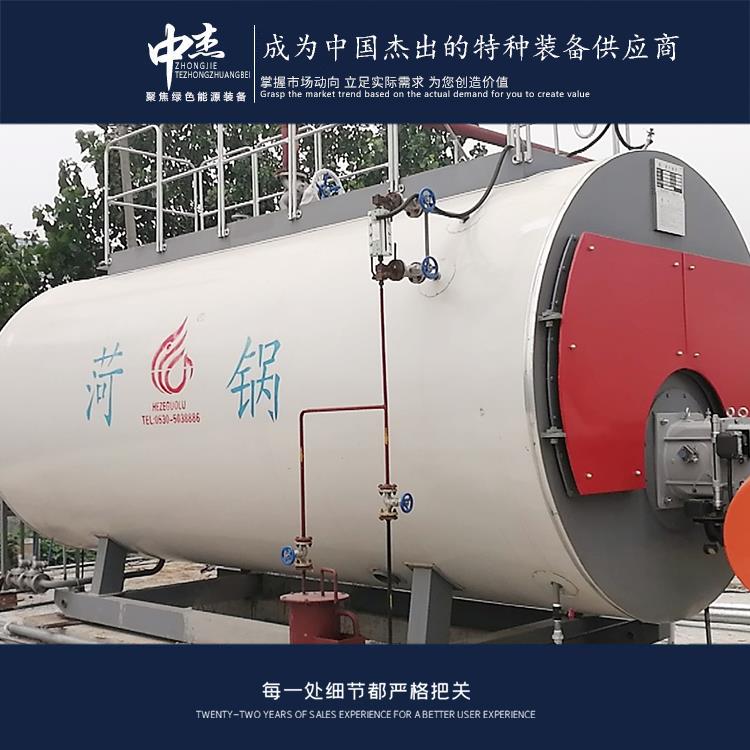
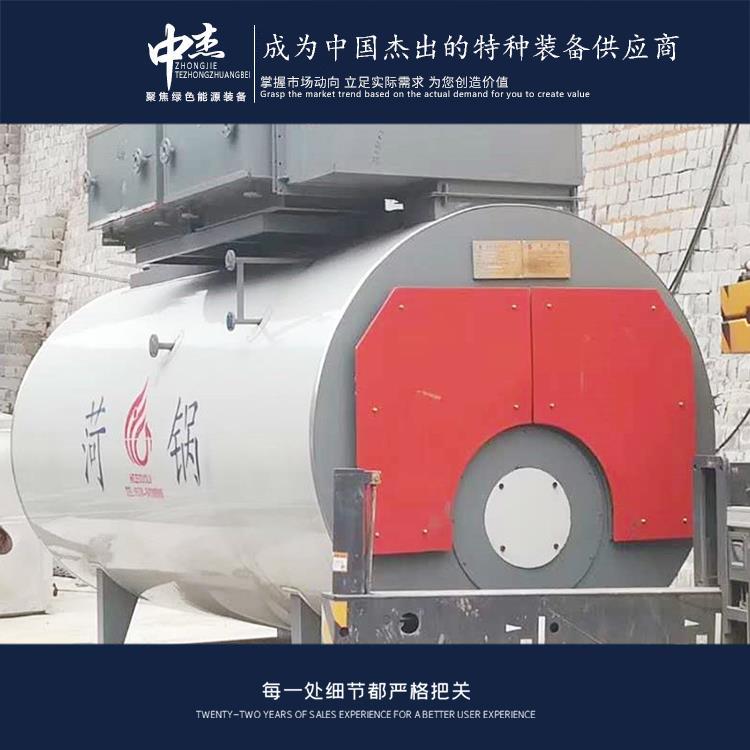


















Shandong Zhongjie Special Equipment's main products include: fuel (gas) boilers, organic heat carrier boilers, biomass boilers, waste heat boilers, and other boiler products; vacuum insulation cryogenic pressure vessels such as LNG tanks, oxygen/nitrogen/argon tanks, and CO2 tanks; pressure vessel products such as denitrification engineering equipment, heat storage and energy storage equipment, and complete chemical equipment; central air conditioning and HVAC equipment like ground (water) source heat pumps, air source units, water-cooled screw units, and air-cooled modular units. Planned products include large-scale energy centers, LNG transport vehicles, LNG tank containers, and other green energy equipment.
Operation issues that may arise in the fuel system of a thermal oil furnace include:
- Inadequate fuel quality: The use of low-quality or contaminated fuel can cause problems in the fuel system. For instance, the presence of impurities, moisture, or excessive amounts can lead to clogging of fuel pumps, nozzles, and burners, affecting fuel supply and combustion efficiency.
- Failure to regularly clean or replace the fuel filter: The fuel filter's purpose is to filter out impurities and particles from the fuel to prevent them from entering the fuel system. If the fuel filter is not cleaned or replaced regularly, it can become clogged, affecting fuel flow and supply.
- Improper adjustment of the fuel pump: Proper adjustment of the fuel pump is crucial for maintaining stable fuel supply volume and pressure. Incorrect adjustment can lead to either over-supply or under-supply of fuel, resulting in incomplete combustion or insufficient fuel supply, affecting the furnace's temperature and thermal efficiency.
- Clogging or wear of the fuel nozzle: The fuel nozzle is a critical component that atomizes and injects fuel into the furnace chamber. If the nozzle is clogged or worn, it can cause uneven or incorrect fuel injection, affecting combustion efficiency and heat output.
- Insufficient fuel preheating: Fuel must be preheated before entering the burner to enhance combustion efficiency. If preheating is insufficient, fuel viscosity increases, affecting fuel flow and injection performance.
- Fuel system oil leakage: The sealing integrity of the fuel system is essential for stable fuel supply. Oil leakage in the fuel system can lead to instability in fuel supply.
To extend the service life of a steam boiler, the following measures can be taken:
- Regular Maintenance: Conduct regular maintenance on the boiler, including cleaning burners, flues, and heat exchangers, inspecting and replacing worn parts, to ensure normal operation and efficiency.
- Water Quality Control: Maintain good water quality in the boiler to prevent scale and corrosion from damaging the boiler. Regularly test water quality and implement appropriate water treatment measures based on test results, such as descaling and replenishing missing chemicals.
- Control the Combustion Process: Properly control the combustion process to ensure the normal operation and efficiency of the burner. Regularly check the burner's operational status, adjust combustion parameters, and avoid overheating or underheating issues.
- Regular Cleaning of Flues and Heat Exchangers: Regularly clean flues and heat exchangers to remove accumulated dust and dirt, maintain heat exchange efficiency, and prevent overheating and energy loss.
- Regular Inspection of Safety Devices: Regularly inspect the boiler's safety devices, including safety valves, pressure switches, and water level controllers, to ensure proper operation and ensure safe boiler operation.
- Record Keeping and Monitoring: Record boiler operating parameters, maintenance records, and fault situations, and regularly monitor and analyze them to identify and address issues promptly.
- Train Operators: Ensure operators have sufficient knowledge of boiler operation and maintenance, operate and maintain the boiler correctly, and avoid damage caused by operational errors and improper maintenance.
- Regular Overhauls: Based on the boiler's usage and the manufacturer's recommendations, regularly conduct major overhauls and inspections, replace worn-out parts, and extend the boiler's service life.
These measures can help extend the service life of steam boilers, but please note that for safety and effectiveness, maintenance and overhauls should be performed by qualified personnel.
Before ignition, the preparation of the steam boiler involves the following steps:
1. Clean the boiler: First, clean the internal and external dirt and impurities from the boiler. Remove ash, sediment, and dirt to ensure combustion and heat exchange efficiency.
2. Check fuel supply: Inspect the fuel supply system to ensure a smooth fuel supply. Check the fuel storage, transmission pipelines, and filters, clear blockages, and replace damaged parts.
3. Inspect the burner: Check the operational status and cleanliness of the burner. Clean the burner's nozzle and flame detector to ensure normal burner operation.
4. Check the gas system: If it's a gas boiler, inspect the gas supply system. Check the gas pipelines, valves, and pressure regulators to ensure safe and stable gas supply.
5. Check water level and pressure: Inspect the boiler's water level and pressure. Ensure the water level is within the normal range, and pressure is stable and meets requirements. Add water and adjust pressure if necessary.
6. Check safety devices: Inspect the boiler's safety devices, such as safety valves, pressure switches, and water level controllers. Ensure these devices operate normally to ensure the safe operation of the boiler.
7. Prepare ignition tools: Prepare the tools and equipment needed for ignition, such as a matchstick, igniter, etc. Ensure these tools function normally and are safe.
8. During the preparation work, follow relevant operational procedures and safety requirements to ensure safety and effectiveness. If unsure about the preparation process, consult experts or the boiler manufacturer for advice.
Properly utilizing fuel-gas boilers can enhance energy efficiency and reduce consumption. Here are some suggestions:
1. Select the right boiler model: Choose a suitable fuel-gas boiler model based on actual needs, considering factors like heat load, fuel type, and combustion efficiency.
2. Regular inspection and maintenance: Conduct regular checks and maintenance to ensure the boiler operates smoothly. This includes cleaning burners, inspecting the combustion system, adjusting parameters, and promptly repairing or replacing damaged parts.
3. Control combustion: Manage the combustion process to ensure it's thorough, stable, and efficient. Adjust parameters like air flow and fuel supply to improve combustion efficiency and reduce waste.
4. Heat recovery: Utilize waste heat recovery systems to capture and reuse the excess heat from flue gases for heating water or other processes, boosting energy efficiency.
5. Control operating parameters: Adjust boiler operating parameters like water level, pressure, and temperature based on actual needs and conditions to avoid extremes that could harm efficiency and safety.
6. Regularly clean heat exchangers: Clean the boiler's heat exchangers regularly to remove dirt and deposits, maintaining their thermal conductivity and reducing energy loss.
7. Energy management: Establish an energy management system, monitor and analyze consumption, and create reasonable energy use plans and conservation measures. Scientific management can increase energy efficiency and reduce consumption.
These are common methods and suggestions, but specific application should be determined based on actual conditions and boiler characteristics. Also, adhere to relevant laws, regulations, and safety procedures to ensure safe operation of fuel-gas boilers.
Zhongjie Special Equipment upholds the grand vision of "realizing employees' dreams, creating value for customers, and striving for the prosperity and strength of our motherland," and is dedicated to the development of the green energy equipment industry. We offer products and services with high cost-performance to contribute to society!
WeChat Official Account

Scan to follow Official Account



















