


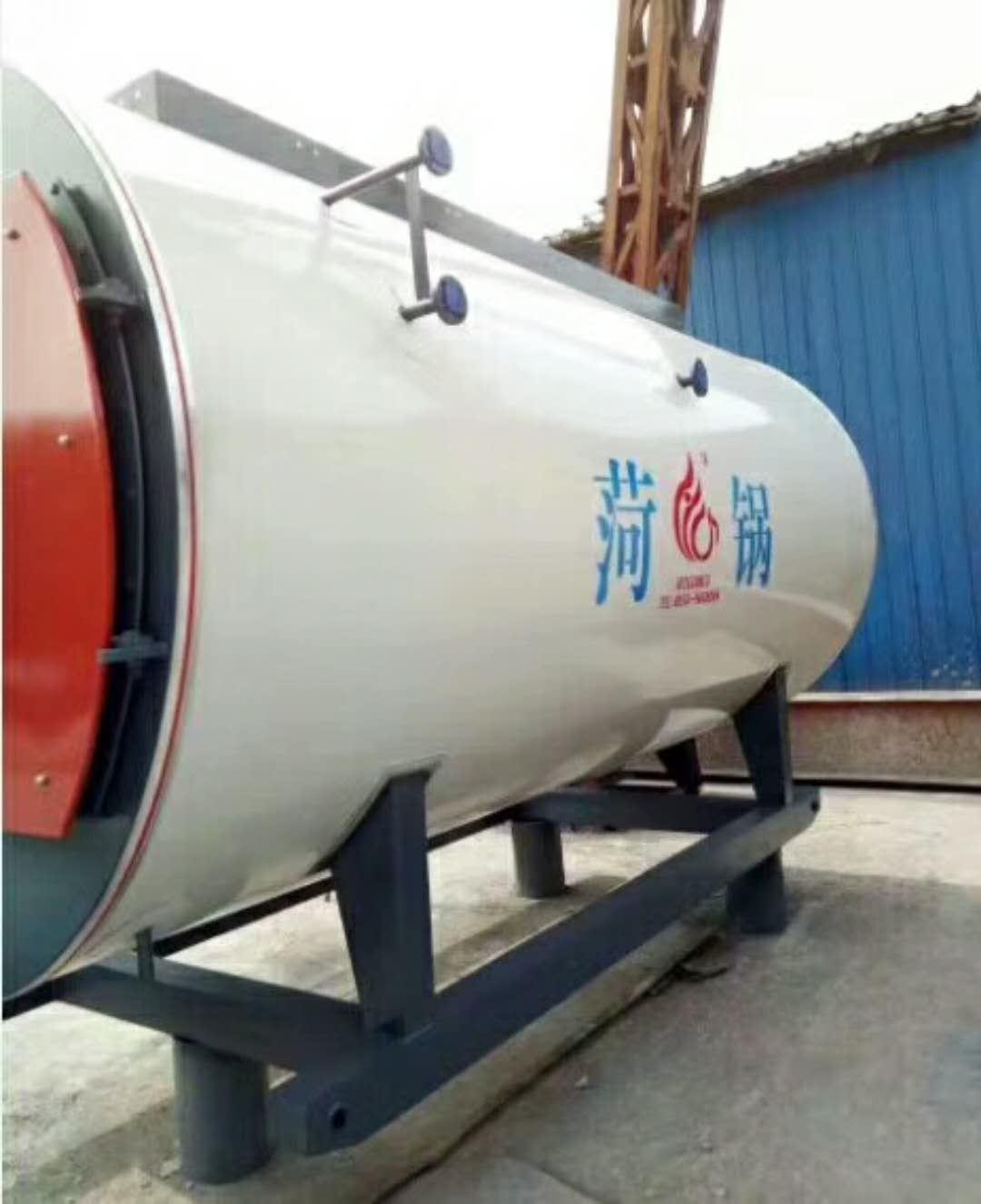

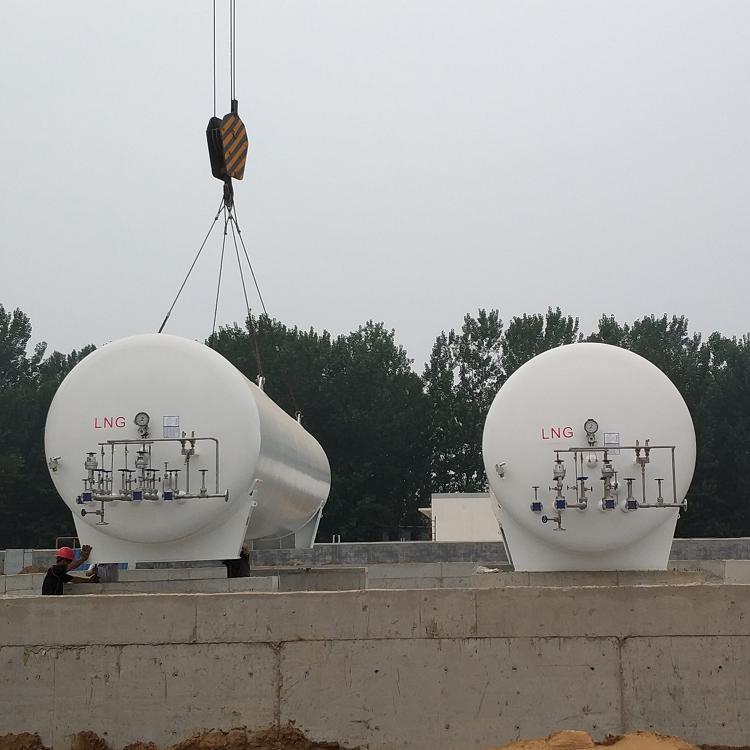


















Shandong Zhongjie Special Equipment Co., Ltd. specializes in the following products: fuel (gas) boilers, organic heat carrier boilers, biomass boilers, waste heat recovery boilers, and other boiler products; vacuum insulated deep-freeze pressure vessels such as LNG storage tanks, oxygen/nitrogen/argon storage tanks, CO2 storage tanks, etc.; pressure vessel products including denitrification engineering equipment, heat storage and energy storage equipment, and complete chemical equipment; as well as central air conditioning and HVAC equipment such as ground (water) source heat pumps, air source units, water-cooled screw units, and air-cooled modular units. Planned products include large-scale energy centers, LNG transport vehicles, LNG tank containers, and other green energy equipment.
The testing and maintenance operations for liquid oxygen storage tanks encompass the following aspects:
Visual Inspection: Conduct regular visual inspections of the liquid oxygen storage tank, checking for issues such as corrosion, wear, and leakage on the tank surface to ensure the tank's appearance remains intact.
Pressure Testing: Regularly conduct pressure tests on liquid oxygen tanks to assess their pressure resistance. The tests should be carried out in accordance with relevant standards and regulations to ensure the tanks can withstand the designed working pressure.
Leak Detection: Regularly conduct leak detection on liquid oxygen tanks, including using leak detection equipment to inspect the tanks to ensure their sealing performance is good and there are no leak issues.
Cleaning and Coating Protection: Regularly clean and coat the liquid oxygen tank to prevent corrosion and oxidation. Use appropriate cleaning agents during cleaning and avoid substances that react with liquid oxygen. Coating protection can be achieved with anti-corrosion coatings or protective coatings.
Routine Maintenance: Regular maintenance of liquid oxygen storage tanks includes inspections and replacements of seals, valves, safety devices, etc., to ensure proper operation and safety reliability.
Safety Training and Operating Procedures: Conduct safety training for personnel using liquid oxygen tanks to ensure they are familiar with the safe operating procedures and precautions, thereby avoiding operational errors and accidents.
Documentation and Record Management: Establish test and maintenance records for liquid oxygen storage tanks, including test results, maintenance logs, and inspection records, for traceability and management purposes.
It is important to note that the testing and maintenance of liquid oxygen tanks should be conducted by trained personnel, adhering to relevant safety operating procedures and standards. Additionally, a specific testing and maintenance plan should be established based on the tank's condition and usage requirements, and executed according to the plan.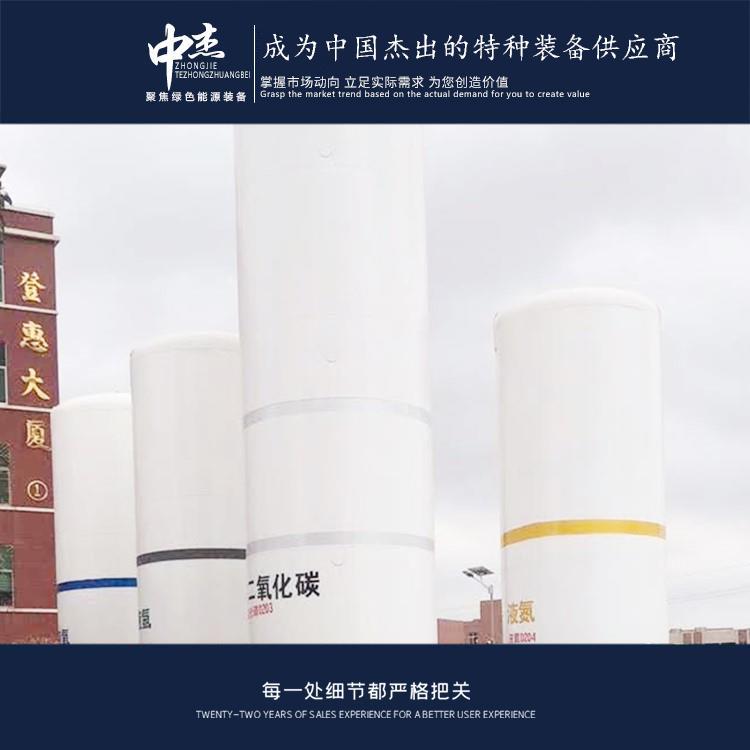
The filling process for liquid nitrogen tanks typically includes the following steps:
Preparation: Ensure the tank and filling equipment are in good condition, free from damage or leaks. Check that the tank's insulation layer is intact and undamaged.
Safety Inspection: Check the tank and its surrounding environment for safety. Ensure there are no flammable materials or other hazardous items in the vicinity of the tank.
Connect equipment: Link the filling equipment to the storage tank. Ensure the connection is securely fastened and leak-free.
Prepare Liquid Nitrogen: Prepare liquid nitrogen supply, ensuring the quality and purity meet the requirements.
Turn on valves: Follow the operation instructions for the filling equipment and gradually open the corresponding valves to allow liquid nitrogen to flow from the supply source into the storage tank.
Regulate Flow: Adjust the flow control valve of the filling equipment as needed to control the inflow speed of liquid nitrogen. Ensure a moderate flow rate, avoiding too fast or too slow.
Level Monitoring: Real-time monitoring of liquid nitrogen level within the storage tank through a level gauge or other level monitoring devices. Ensure the level is maintained within a safe range.
Discontinue Filling: Close the valve of the filling equipment when liquid nitrogen is filled to the tank or reaches the desired level, halting the addition of liquid nitrogen.
Disconnect: Disconnect the filling equipment from the storage tank, ensuring there are no leaks at the connection point.
Safety Inspection: Conduct a secondary check of the tank and its surrounding environment to ensure there are no leaks or other safety hazards.
Please note that the following is for general reference only; the actual filling process may vary depending on the specific type of storage tank and filling equipment. When performing the filling operation for liquid nitrogen tanks, please adhere to the relevant operational specifications and safety requirements, and ensure that the operators are properly trained and skilled in safety matters.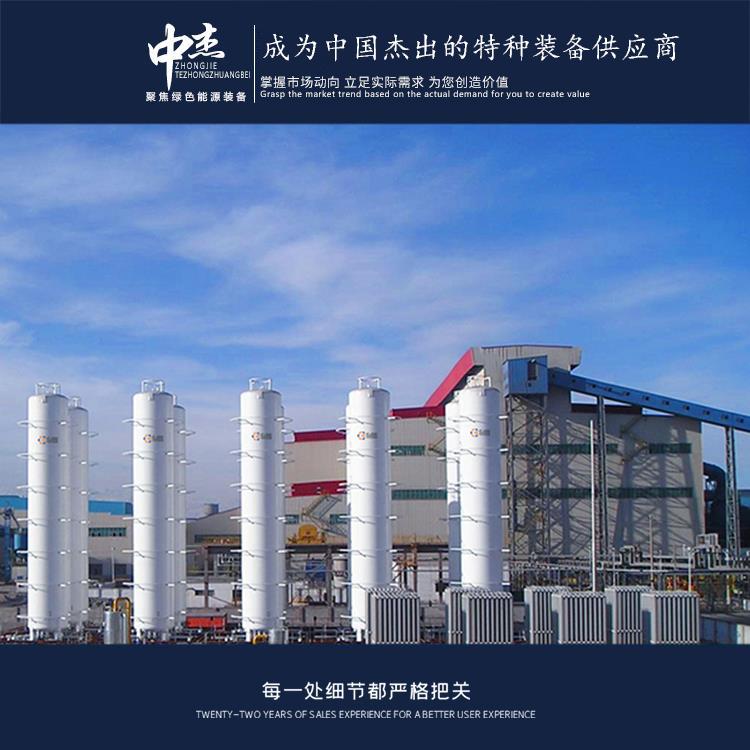
One of the common drawbacks of pressure vessels during use is corrosion. Corrosion refers to the reaction between the metal surface and chemical substances in the environment, leading to damage to the metal surface and thinning of the material. The following are common corrosion drawbacks of pressure vessels:
Pitting Corrosion: Pitting corrosion refers to the formation of localized pits or holes on the surface of a metal. This type of corrosion usually occurs due to corrosive substances present in the local environment, such as acids and salts.
Bacterial Corrosion: Bacterial corrosion is a phenomenon caused by microorganisms. These organisms can form biofilms inside pressure vessels and produce acidic substances, leading to corrosion on the metal surface.
Punch Corrosion: Punch corrosion refers to the phenomenon of penetrating corrosion on the surface of metal. This type of corrosion usually occurs due to damage or defects in the protective layer on the metal surface, allowing corrosive substances to come into direct contact with the metal.
Stress Corrosion Cracking: Stress corrosion cracking occurs when a metal surface is subjected to both stress and a corrosive environment, leading to the formation and propagation of cracks. This type of corrosion is commonly found in pressure vessels operating under high stress and corrosive conditions.
Corrosion can lead to material thinning and reduced strength in pressure vessels, even causing severe consequences like leaks or ruptures. Therefore, the following measures should be taken to address the corrosion issue of pressure vessels:
Regularly inspect and evaluate the corrosion condition of pressure vessels, including methods such as visual inspections and non-destructive testing.
Implement corrosion prevention measures such as coating protection, cathodic protection, and selecting appropriate materials to minimize the occurrence and progression of corrosion.
Regularly clean and maintain pressure vessels to remove dirt and impurities that may cause corrosion.
Adhere to relevant safety standards and operational guidelines to ensure the smooth and safe operation of pressure vessels.
For severely corroded pressure vessels, repair or replacement may be necessary to ensure their safety and reliability.
The daily inspection content for liquid nitrogen tanks primarily includes the following aspects:
Visual Inspection: Check for any obvious damage, deformation, or corrosion on the storage tank's exterior, including the tank walls, valves, pipelines, and joints.
Sealability Inspection: Verify the tank's sealing performance, including checking for leaks at valve and pipeline joints, and ensuring the tank's exhaust and safety valves are functioning properly.
Pressure Check: Verify that the tank's pressure gauge is functioning correctly and that the pressure is within the normal range to ensure the tank operates normally.
Level Check: Monitor the liquid nitrogen tank's level to ensure it remains within the normal range, preventing issues caused by excessive or insufficient levels.
Insulation Layer Inspection: Check for any damage or detachment in the insulation layer of the tank to ensure proper insulation and reduce evaporation losses of liquid nitrogen.
Leakage Inspection: Check for signs of liquid nitrogen leakage around the storage tank, including frost, ice, or liquid nitrogen stains on the ground.
Safety Equipment Inspection: Verify that the storage tank's safety equipment, such as leak detectors, alarm systems, and safety valves, are functioning properly to ensure the tank's safety.
Cleaning Inspection: Regularly clean the interior of the tank to remove accumulated impurities and dirt, maintaining the tank's cleanliness and hygiene.
Above are the key contents for the daily inspection of liquid nitrogen tanks. The specific inspection items should be adjusted and supplemented according to the tank's model, usage, and relevant regulations. During the inspection process, strict adherence to the operational procedures and safety operation requirements is essential to ensure the safe operation of the tank.
Shandong Zhongjie Special Equipment, welcome customers to our factory for business talks.
WeChat Official Account

Scan to follow Official Account



















