


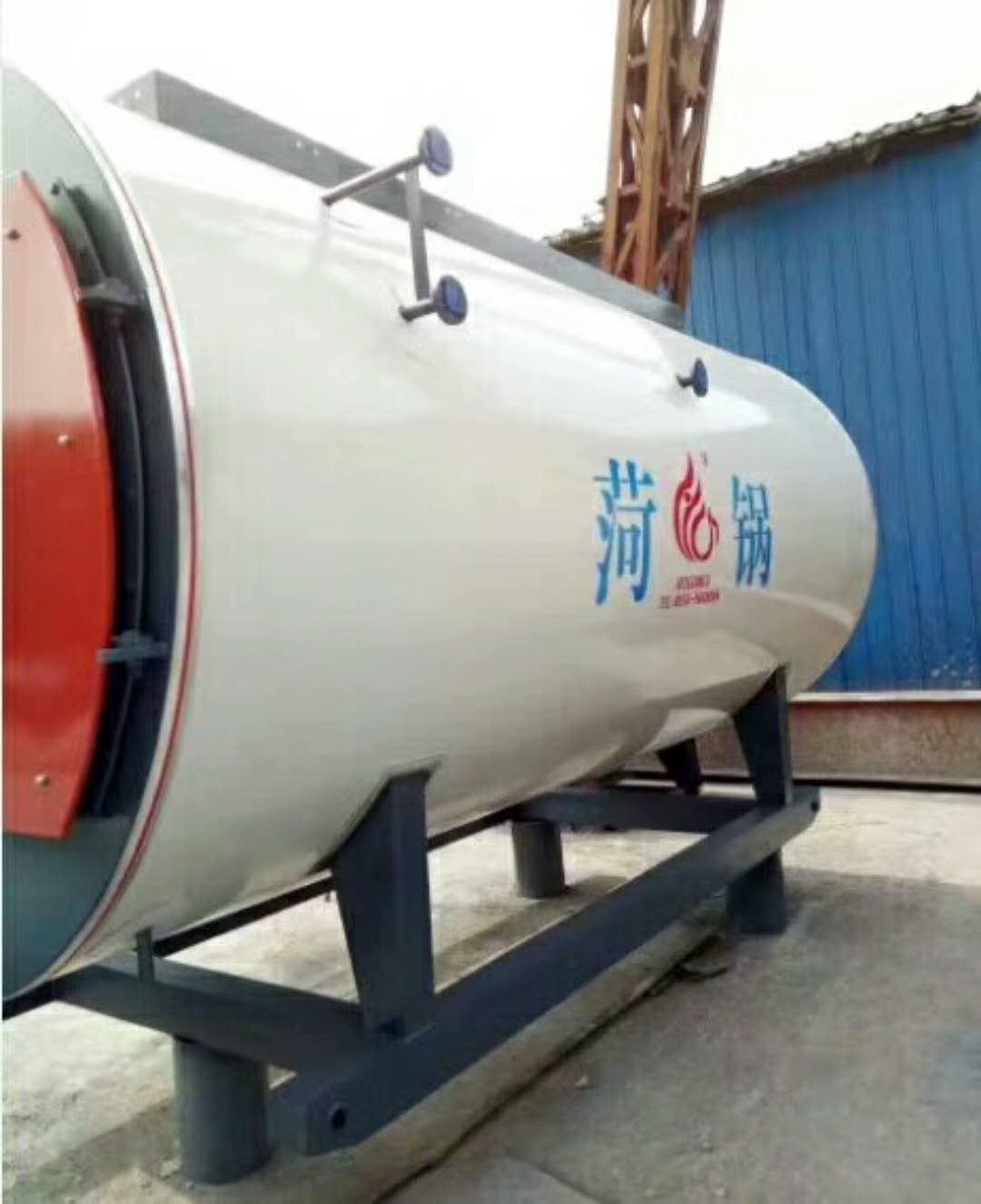

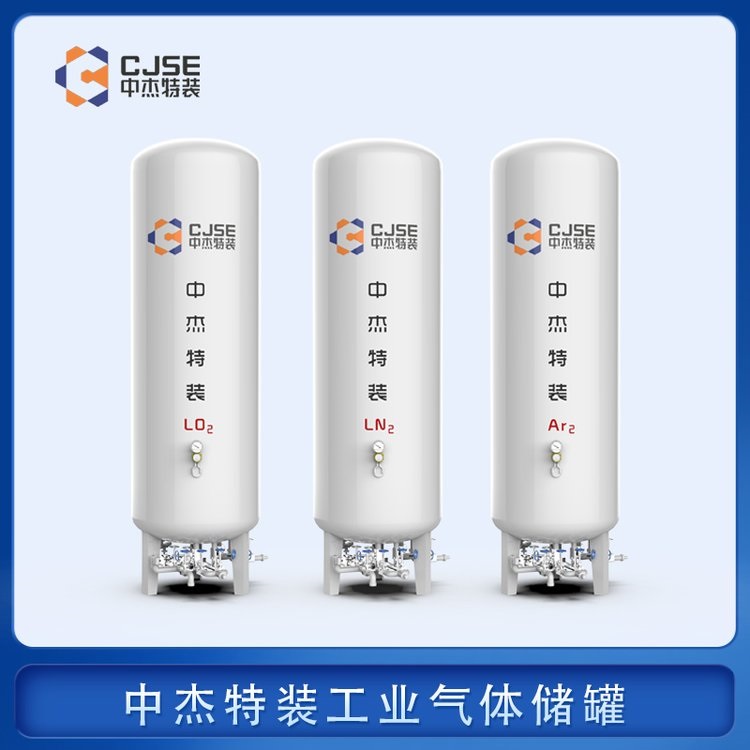
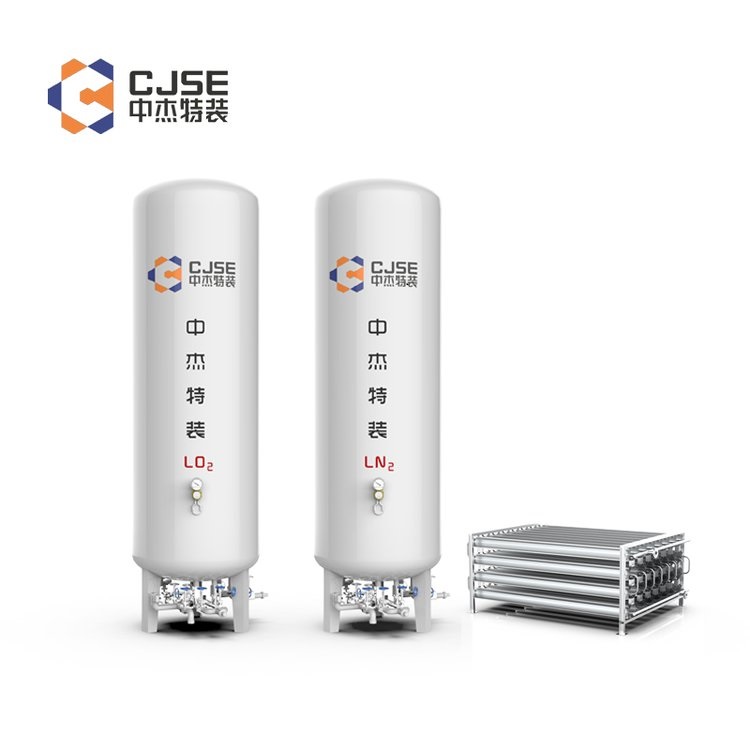


















Shandong Zhongjie Special Equipment Co., Ltd. (formerly Heze Boiler Factory Co., Ltd.) was established in 2001, located at No. 2218 Jinnan Road, Development Zone, Heze City. With a registered capital of 50 million yuan and total assets of 500 million yuan, the company has 7 business centers: boilers, deep-freezing containers, pressure vessels, central air conditioning, engineering installation, international trade, and Internet of Things. It operates three factory sites at Jinnan Road, East Changjiang Road, and Bohai Road, covering a total area of 200,000 square meters, with the main workshop spanning 83,000 square meters. Currently, it employs 710 staff, including 247 engineers and technicians and 82 intermediate-level technicians. In December 2016, it was recognized as a "High-Tech Enterprise" by the Science and Technology Department. In June 2021, it was named a "Specialized and New Enterprise in Shandong Province" by the Ministry of Industry and Information Technology. In June 2022, it was identified as a "Gazelle Enterprise in Shandong Province," and in August 2022, it was recognized as a "Specialized and New Small Giant Enterprise" by the Ministry of Industry and Information Technology.
The oxygen filling process for liquid oxygen tanks must adhere to specific operational procedures and safety measures. Below are the steps for filling liquid oxygen tanks:
Preparation: Ensure the tanks and oxygenation equipment are in good working condition, check the tank's sealing and the normal operation of the safety valve.
Connect equipment: Attach the oxygenation equipment to the storage tank, ensuring a secure and sealed connection.
Prepare liquid oxygen: Transfer the liquid oxygen from the storage container to the oxygen storage tank of the filling equipment. During the transfer, be cautious to prevent any leakage or contact with the liquid oxygen.
Oxygen Filling Operation: Open the valve of the oxygen filling equipment and fill liquid oxygen from the oxygen storage tank into the storage tank. During the filling process, control the oxygen filling rate and pressure to avoid excessive pressure and temperature increase in the storage tank.
Monitoring and Control: During the aeration process, the tank's pressure and temperature must be monitored to ensure they remain within safe limits. In case of any anomalies, aeration should be halted immediately and appropriate actions taken.
Oxygen Filling Completed: Close the valve of the oxygen filling equipment and cease the filling operation once the storage tank reaches the required oxygen level or pressure.
Safety Handling: After oxygenation is complete, safety handling is required, including closing relevant valves and emptying the remaining liquid oxygen from the oxygenation equipment.
Note that liquid oxygen is highly oxidizing and flammable. The oxygen-filling process must strictly adhere to relevant safety operating procedures and standards. Operators should receive training and strictly follow the operational procedures and safety measures to ensure the safety and reliability of the oxygen-filling process.
Routine maintenance is one of the crucial methods to ensure the safety of low-temperature storage tanks. Here are some common maintenance measures:
Regular Inspections: Conduct regular inspections of low-temperature storage tanks, including checks of the exterior, internal structure, and corrosion-resistant coatings. Look for cracks, corrosion, wear, and other issues, and identify and repair potential safety hazards in a timely manner.
Cleaning and De-icing: Regularly clean the external surface and internal structure of the low-temperature storage tank to remove accumulated dirt and ice layers. The buildup of ice can lead to structural damage and corrosion; cleaning and de-icing can extend the lifespan of the tank.
Level Monitoring: Regularly monitor the liquid level of low-temperature storage tanks to ensure it remains within a safe range. Excessive or insufficient levels can lead to overpressure or over-vacuum in the tanks, increasing safety risks.
Leak Detection: Install a leak detection system to regularly check for leaks in low-temperature storage tanks. Leaks can lead to the release and evaporation of liquids or gases, increasing safety risks.
Corrosion Protection Measures: Implement appropriate corrosion protection measures, such as coating protection and corrosion-resistant coatings, to safeguard the metallic structure of low-temperature storage tanks from corrosion damage.
Emergency Fault Handling: Establish an emergency fault handling system to promptly address and repair issues with low-temperature storage tanks, preventing accidents from occurring or escalating.
Training and Development of Personnel: Train and develop operators and maintenance staff to ensure they possess the relevant knowledge and skills to properly operate and maintain low-temperature storage tanks.
Note that maintenance should be tailored to the specific type of tank and operating conditions, adhering to relevant local laws, regulations, and standards. During maintenance, it is recommended to consult with engineers or guidance from relevant institutions to ensure the tank's safety and reliability.
Standard parameters for liquid oxygen storage tanks typically include the following:
Capacity: The capacity of liquid oxygen storage tanks is typically expressed in liters or cubic meters, with common capacity ranges varying from a few liters to several thousand liters.
Working Pressure: The working pressure of liquid oxygen tanks is typically expressed in megapascals (MPa) or bars (bar), with a common working pressure range varying from 0.2 MPa to 2.5 MPa.
Design Temperature: The design temperature for liquid oxygen tanks is typically expressed in degrees Celsius, with common design temperature ranges varying from -196°C to -150°C.
Material: The main material for liquid oxygen storage tanks is usually stainless steel, which offers excellent corrosion resistance and low-temperature performance.
Insulation Layer: Liquid oxygen tanks are typically equipped with an insulation layer to reduce the evaporation loss of liquid oxygen. The materials for the insulation layer are usually multi-layer composite materials or foam glass.
Safety valve: Liquid oxygen storage tanks must be equipped with a safety valve to control internal tank pressure and prevent the tank from bursting due to excessive pressure.
Leak detectors: Liquid oxygen tanks are typically equipped with leak detectors to promptly detect and alarm any leaks in liquid oxygen.
Appearance Design: The appearance design of liquid oxygen storage tanks generally complies with relevant standards and regulations, including exterior color, labeling, and safety warning signs.
Note that the specific parameters of liquid oxygen tanks may vary depending on different manufacturers and application requirements; the above are merely general standard parameters. In actual use, select the appropriate liquid oxygen tank based on the specific situation.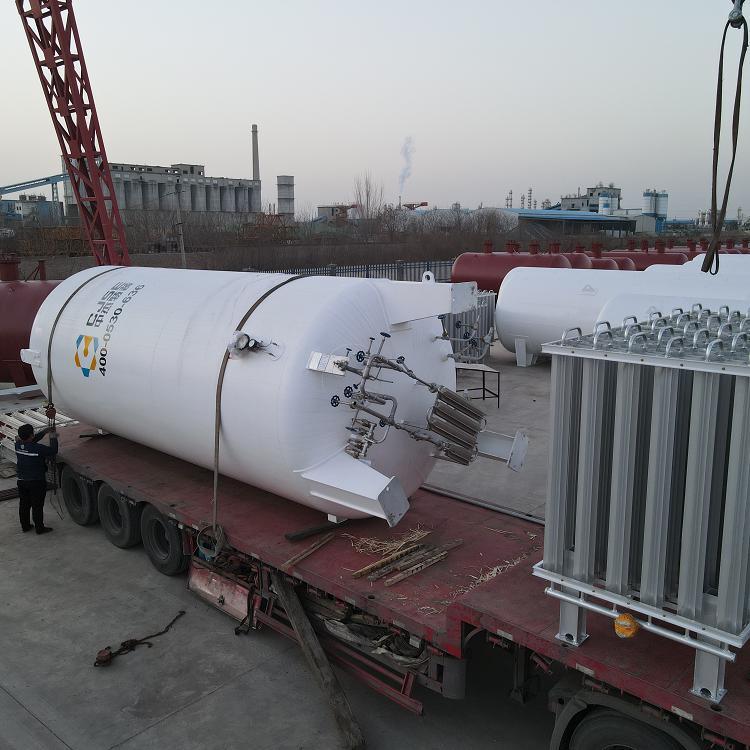
Liquid nitrogen tanks are devices used for storing liquid nitrogen and are widely used in the following fields: Frozen Food and Refrigerated Logistics: Liquid nitrogen tanks are used in the frozen food and refrigerated logistics industry to freeze or refrigerate food and other perishable items, extending their shelf life and maintaining freshness. The low temperature of liquid nitrogen can quickly freeze food, preventing bacterial growth and spoilage. Scientific Research and Laboratories: Liquid nitrogen tanks are used in scientific research and laboratories to provide liquid nitrogen as a coolant and freezing medium. The low temperature of liquid nitrogen can be used for cooling laboratory equipment, material research, superconducting electronics, and low-temperature physics. Metal Processing and Welding: Liquid nitrogen tanks are used in metal processing and welding to cool and control the temperature of metals. Liquid nitrogen can rapidly cool metals, improve their hardness and strength, and reduce deformation and stress. Gas Storage and Supply: Liquid nitrogen tanks are also used for storing and supplying nitrogen gas. Liquid nitrogen can be converted into gaseous nitrogen through evaporation and is used in applications such as gas shielded welding, gas fire suppression systems, gas analysis, and laboratory gas supply. In summary, liquid nitrogen tanks are widely used in the fields of frozen food, laboratory research, metal processing, and gas supply, providing storage and supply functions for liquid nitrogen at application sites.
Zhongjie Special Equipment upholds the grand vision of "realizing employees' dreams, creating value for customers, and striving for the prosperity and strength of our motherland," and is dedicated to the development of the green energy equipment industry. We offer society products and services with high cost-performance!
WeChat Official Account

Scan to follow Official Account



















