



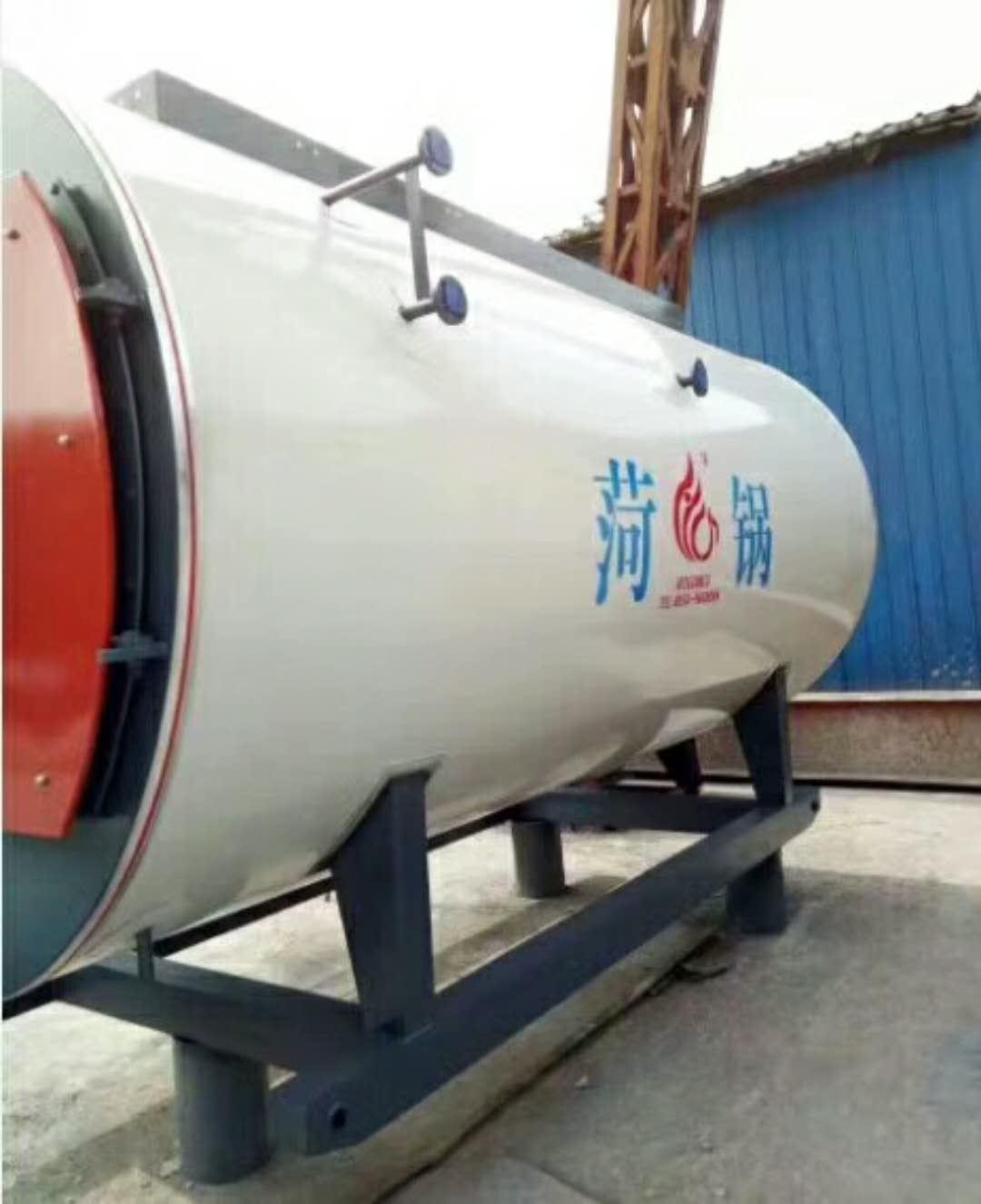


















Shandong Zhongjie Special Equipment specializes in products such as fuel (gas) boilers, organic heat carrier boilers, biomass boilers, waste heat recovery boilers, and other boiler products; vacuum insulated cryogenic pressure vessels like LNG tanks, oxygen/nitrogen/argon tanks, and CO2 tanks; pressure vessel products including denitrification engineering equipment, heat storage equipment, and complete chemical equipment sets; as well as central air conditioning and HVAC equipment such as ground (water) source heat pumps, air source units, water-cooled screw chillers, and air-cooled modular units. Planned products include large-scale energy centers, LNG transport vehicles, LNG tank containers, and other green energy equipment.
Dry ice is a frozen agent formed by directly converting carbon dioxide gas into a solid under high pressure. It has several applications:
1. Frozen Food and Pharmaceuticals: Dry ice is widely used in the transportation and storage of frozen food and pharmaceuticals. Its low temperature and rapid cooling speed effectively maintain the freshness and quality of food and medicines.
2. Special Effects and Stage Performances: Dry ice is extensively utilized in special effects and stage performances. When it comes into contact with environmental heat, it quickly turns into gas, producing a large amount of white smoke, creating a mysterious and dramatic atmosphere.
3. Cleaning and Disinfection: Dry ice can also be used for cleaning and disinfection. When in contact with surfaces, the low temperature and physical impact of the vaporization process can effectively remove dirt, bacteria, and viruses without leaving residues.
4. Laboratories and Scientific Research: Dry ice is also applied in laboratories and scientific research. It can be used to freeze samples, create low-temperature experimental environments, and produce cold traps and condensers.
It is important to note that safety should be observed when using dry ice, avoiding direct contact with skin and eyes, and not using it in confined spaces to prevent the accumulation of carbon dioxide, which can lead to oxygen deficiency.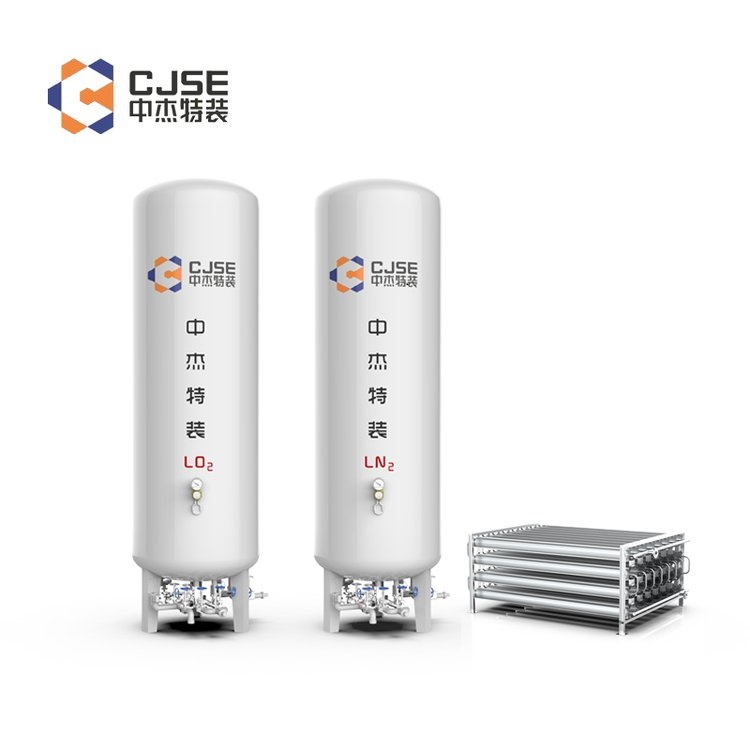
In the event of a carbon dioxide cylinder leak, the following immediate measures should be taken:
1. Ensure Personnel Safety: First, evacuate personnel from the leak area quickly and move them away from any potential dangers. Use appropriate personal protective equipment, such as respirators and protective suits, if necessary.
2. Cut Off Gas Supply: Quickly shut off the supply of carbon dioxide to stop further leakage. Close related valves or switches, or disconnect the cylinder.
3. Prevent Ignition Sources: Make sure there are no open flames or other potential heat sources that could cause a fire in the leak area. If there's a fire risk, take appropriate fire-fighting measures immediately.
4. Ventilation: Turn on ventilation equipment to increase air flow, which helps dilute and expel the leaked carbon dioxide gas. Ensure the ventilation equipment is operating properly and that the ventilation system does not introduce the gas to other areas.
5. Seal the Leak: If possible, attempt to seal the leak point with suitable materials or methods to reduce or stop the leakage. This may require assistance from personnel.
6. Notify Relevant Departments: Promptly inform the relevant emergency, environmental protection departments, or related agencies about the leak situation and follow their instructions.
Please note that handling a carbon dioxide cylinder leak is a hazardous task and should only be performed by trained and experienced personnel. Always adhere to the relevant safety operating procedures and guidelines during the process.
Zhongjie Special Equipment is a company specializing in the manufacturing of low-temperature liquid storage tanks. They offer design, manufacturing, and installation services for low-temperature liquid CO2 storage tanks. Below is an overview of the low-temperature liquid CO2 storage tanks produced by Zhongjie Special Equipment: Tank Type: The low-temperature liquid CO2 storage tanks made by Zhongjie are typically vertical or horizontal in design, chosen based on customer needs and site conditions. Material: The tanks are primarily made of low-temperature steel, offering excellent corrosion and low-temperature resistance. Insulation Layer: The tanks are internally insulated to reduce heat transfer and liquid evaporation. The insulation layer usually features a multi-layer structure, including thermal insulation material and an outer protective layer. Safety Valve and Pressure Relief Devices: The tanks are equipped with safety valves and pressure relief devices to control internal tank pressure and prevent overpressure and explosions. Liquid Level Indicator: The tanks are fitted with liquid level indicators to monitor the liquid level inside, ensuring controlled and managed liquid storage. Safety Measures: Zhongjie's low-temperature liquid CO2 storage tanks comply with relevant safety regulations and standards and implement various safety measures, such as fire and explosion prevention measures, leak detection, and alarm systems. Customized Design: Zhongjie Special Equipment can provide customized design and manufacturing services based on customer requirements and application scenarios to meet the specific needs of different customers.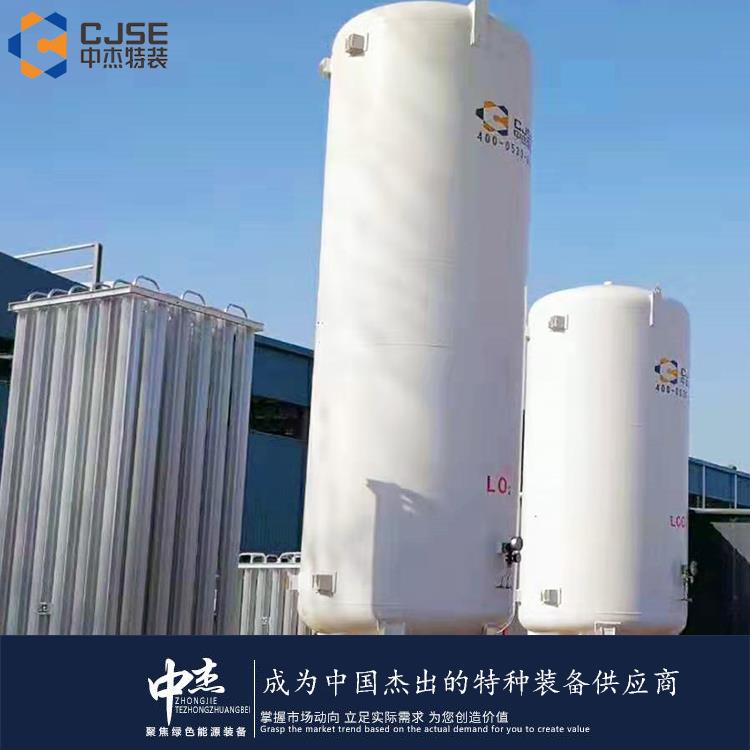
Urea synthesis from carbon dioxide is a crucial chemical reaction with several applications:
- Urea Production: Urea is a vital nitrogen fertilizer and chemical, widely used in both agricultural and industrial sectors. The synthesis of urea from carbon dioxide is one of the commonly used methods for producing urea. In this process, carbon dioxide reacts under high temperature and pressure to produce urea. This approach leverages carbon dioxide resources, reducing dependence on fossil fuels used in traditional urea production methods.
- Urea Fuel: Urea can serve as a urea fuel for internal combustion engines and combustion equipment. By heating and decomposing urea, it releases energy, which then reacts with oxygen in the air to produce combustion heat. This combustion process yields only water vapor and nitrogen as byproducts, minimizing environmental pollution.
- Chemical Synthesis: Urea is an essential raw material for the synthesis of many chemicals. The synthesis of urea from carbon dioxide provides a sustainable supply of urea for the chemical industry, used to produce other chemicals such as plastics, resins, paints, and more.
- Energy Storage: Urea can also act as an energy storage medium. By converting carbon dioxide into urea, energy can be stored in the form of chemical bonds. When energy is needed, urea can be decomposed to release energy, which then reacts with oxygen in the air to produce combustion heat, releasing the stored energy.
The development of urea synthesis from carbon dioxide aims to reduce dependence on fossil fuels used in traditional urea production methods, lower greenhouse gas emissions, and promote sustainable agriculture and chemical industry development. However, this technology is still in continuous development and research, requiring further technological breakthroughs and practical verification for large-scale application.
Our company attaches great importance to technological innovation and R&D design. We have one municipal-level enterprise technology center in Heze City, with testing facilities for non-destructive testing, physical and chemical testing, welding testing, hydrostatic testing, etc. We are equipped with over 600 various instruments and equipment, including CNC machine tools, X-ray flaw detectors, digital ultrasonic flaw detectors, mechanical property testing machines, chemical analyzers, spectrometers, tensile testing machines, plasma welding machines, and more. The key products and technologies we have developed, such as temperature and pressure vessel welding, biomass boiler emission reduction, and waste heat utilization, have successively been selected for multiple Shandong Provincial Department of Industry and Information Technology science and technology innovation projects, Shandong Provincial key projects, and Heze City innovation and excellence projects. We have accumulated a total of 27 authorized utility models, 16 authorized inventions, participated in drafting 2 standards, 2 industry standards, and registered 15 trademarks. The technical team of our company, in collaboration with Professor Yajiang Li of Shandong University, has developed deep cryogenic container processing technology using the international plasma arc + filler wire tungsten inert gas arc welding (PAW-GTAW) technology. After being appraised as a provincial-level scientific and technological achievement, our technology level has reached an international standard in the field of deep cryogenic container manufacturing. Choose Zhongjie Special Equipment, and let's create brilliance together!
WeChat Official Account

Scan to follow Official Account



















