


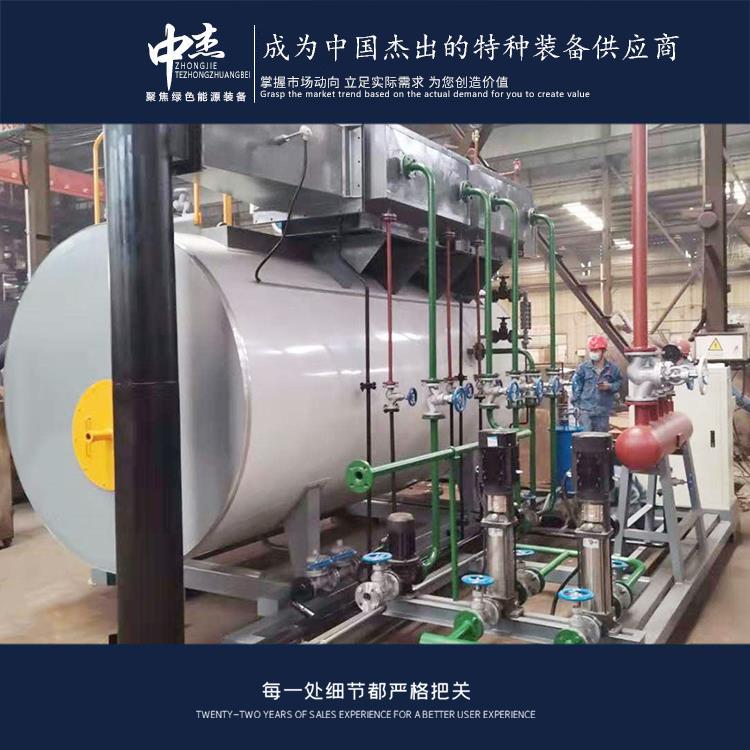

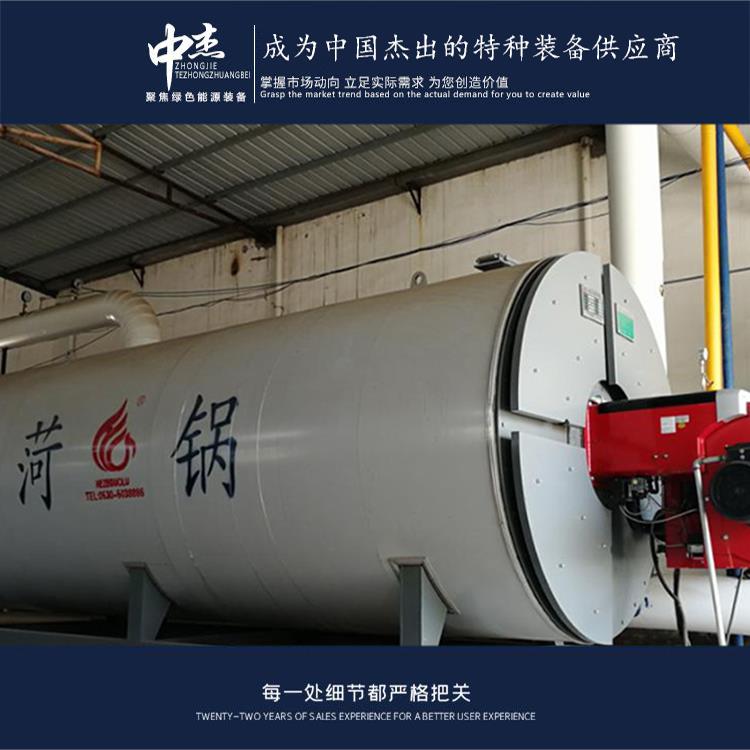
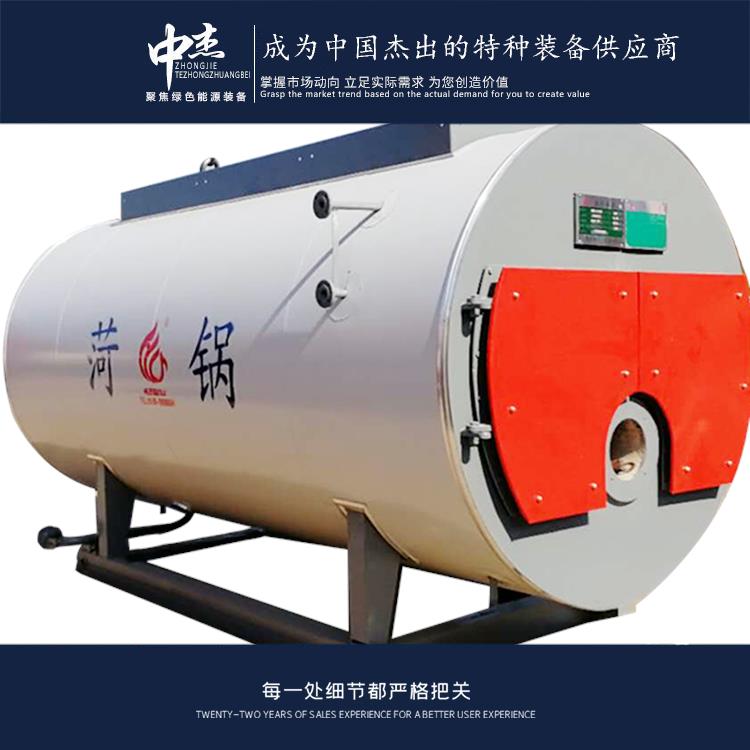


















Shandong Zhongjie Special Equipment's main products include: fuel (gas) boilers, organic heat carrier boilers, biomass boilers, waste heat boilers, and other boiler products; vacuum insulation deep-freeze pressure vessels such as LNG storage tanks, oxygen-nitrogen-argon storage tanks, CO2 storage tanks; pressure vessel products like denitrification engineering equipment, heat storage and energy storage equipment, complete chemical equipment sets; central air conditioning and HVAC equipment such as ground (water) source heat pumps, air source units, water-cooled screw units, and air-cooled modular units. Planned products include large-scale energy centers, LNG transport vehicles, LNG tank containers, and other green energy equipment.
When selecting a steam boiler, several key factors should be taken into account:
- Steam Demand: First, determine the steam requirements of the factory or project, including steam pressure, flow rate, and quality. Choose the appropriate boiler model and specification based on actual needs to ensure it meets process and production requirements.
- Boiler Type: There are various types of steam boilers, such as fire-tube boilers, water-tube boilers, and gas boilers. Select the suitable boiler type based on the factory's actual conditions and needs. Also, consider the fuel type, such as coal, gas, or biomass, and choose a fuel type that complies with the factory's energy supply and environmental protection requirements.
- Boiler Efficiency: Boiler efficiency directly impacts energy utilization and operating costs. Understand the boiler's thermal and combustion efficiency, and choose a steam boiler with high efficiency to reduce energy consumption and operating costs.
- Quality and Reputation: Choose a supplier with a good reputation to ensure the quality and reliability of the steam boiler. Refer to customer reviews, industry certifications, and third-party evaluations to understand the supplier's reputation and product quality.
- Technical Support and After-Sales Service: Select a supplier that can provide comprehensive technical support and after-sales service. Ensure the supplier can offer installation guidance, training, maintenance, and troubleshooting support to ensure the normal operation and maintenance of the steam boiler.
- Cost and Budget: Finally, select a steam boiler that fits within your budget and economic considerations. Consider the purchase cost, operating cost, and maintenance cost, and choose a steam boiler with a high cost-performance ratio.
It's important to note that the above factors are just some of the key considerations when purchasing a steam boiler. Specific choices should be determined based on the actual conditions and needs of the factory. It is recommended to communicate and compare with multiple suppliers to gather more information and advice for an informed decision.
Yes, durable thermal oil boilers typically have a longer lifespan. Here are some reasons:
- Material Quality: Thermal oil boilers are manufactured using high-quality materials such as heat-resistant and corrosion-resistant steel and alloy materials. These materials can withstand high temperatures and pressure, offering good durability and corrosion resistance, thereby extending the boiler's lifespan.
- Design and Manufacturing Process: Long-lasting thermal oil boilers often employ sophisticated design and manufacturing techniques. Rational structural design and precise manufacturing can minimize stress concentration and thermal stress, enhancing the boiler's stability and durability.
- Regular Maintenance and Care: Regular maintenance and care are crucial for extending the lifespan of thermal oil boilers. Regularly cleaning and inspecting the internal pipes, flues, and burners, and promptly replacing worn parts can reduce malfunctions and damage, extending the boiler's life.
- Proper Operation and Management: Correct operation and management are also key factors in ensuring the lifespan of thermal oil boilers. Operators should follow the operating manual and procedures, avoiding overloading and improper operations, to ensure safe and stable operation of the boiler.
- It should be noted that even durable thermal oil boilers require regular inspections and maintenance to ensure proper functioning and extend their lifespan. Additionally, the boiler's lifespan is also affected by factors such as the operating environment, load conditions, and operating methods. Therefore, rational use and maintenance are essential for ensuring the longevity of thermal oil boilers.
When operating a gas boiler, there are three important points to note:
1. Safe Operation: A gas boiler is a thermal energy device, and safety must be a priority. First, ensure that the operator has the relevant skills and knowledge, understanding the boiler's working principle and operation procedures. Second, strictly prohibit storing flammable materials around the boiler and maintain good ventilation. Additionally, regularly inspect and maintain the safety valve, pressure gauge, and other safety devices to ensure they function properly.
2. Proper Gas Supply Adjustment: The combustion of a gas boiler requires an appropriate amount of gas supply. During operation, adjust the gas supply according to actual needs to ensure stable combustion. At the same time, regularly check the sealing of the gas pipeline and valves to prevent gas leaks.
3. Regular Maintenance and Cleaning: Regular maintenance and cleaning of a gas boiler are crucial for maintaining proper operation and extending its lifespan. Regularly inspect all parts of the boiler, clean the burner, flue, and heat exchanger to remove accumulated dust and dirt, ensuring efficient heat transfer and combustion. Moreover, regularly replace filters and clean water treatment equipment to ensure clean water quality and prevent scale and corrosion.
It should be noted that the above three points are just basic operational guidelines, and specific operational and maintenance requirements may vary depending on the model and specifications of the gas boiler. Therefore, it is advisable to refer to the boiler's operation manual or consult with experts before operating a gas boiler to ensure correct and safe operation.
Clean and environmentally friendly gas boilers offer several advantages:
- Low emissions: The exhaust emissions from gas combustion are relatively low, with fewer pollutants such as nitrogen oxides and particulates. Compared to coal-fired or oil-fired boilers, gas boilers have lower emissions and cause less environmental pollution.
- High thermal efficiency: Gas combustion has a high thermal efficiency, allowing for the full utilization of fuel energy and reducing energy waste. Compared to other traditional fuels like coal and oil, gas combustion is more efficient, providing more heat energy.
- Clean combustion: Gas combustion does not produce ash or soot, reducing the accumulation of carbon and dirt inside the boiler and in the flue. This reduces the cleaning and maintenance work of the boiler, extending its lifespan.
- Combustion stability: The combustion performance of gas is stable, with no significant flame fluctuations or explosion risks during combustion. This makes gas boilers safer and more reliable in operation.
- Fast start and stop: Compared to other fuels, gas boilers have faster and more flexible start-up and shutdown processes. This makes them suitable for scenarios requiring frequent start and stop, such as seasonal heating and hot water needs.
- Renewable energy integration: As a clean fuel, gas can be combined with renewable energy sources, such as solar hot water systems and biomass fuel. This integration can further improve energy utilization efficiency and environmental friendliness.
ZJ Special Equipment adheres to the great vision of "realizing employees' dreams, creating customer value, and striving for the prosperity and strength of our motherland," and is dedicated to the development of the green energy equipment industry. We offer products and services with high cost-performance to contribute to society!
WeChat Official Account

Scan to follow Official Account



















