


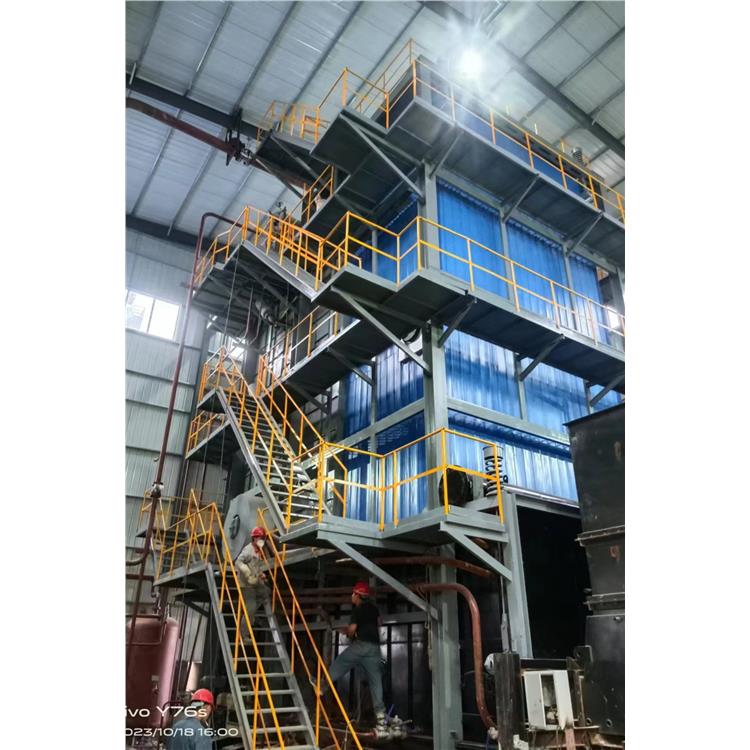

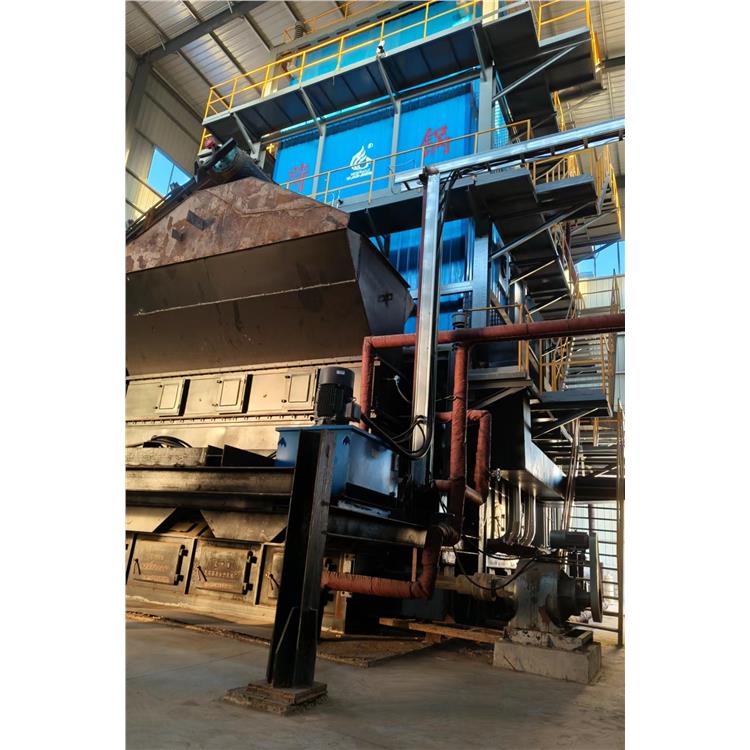
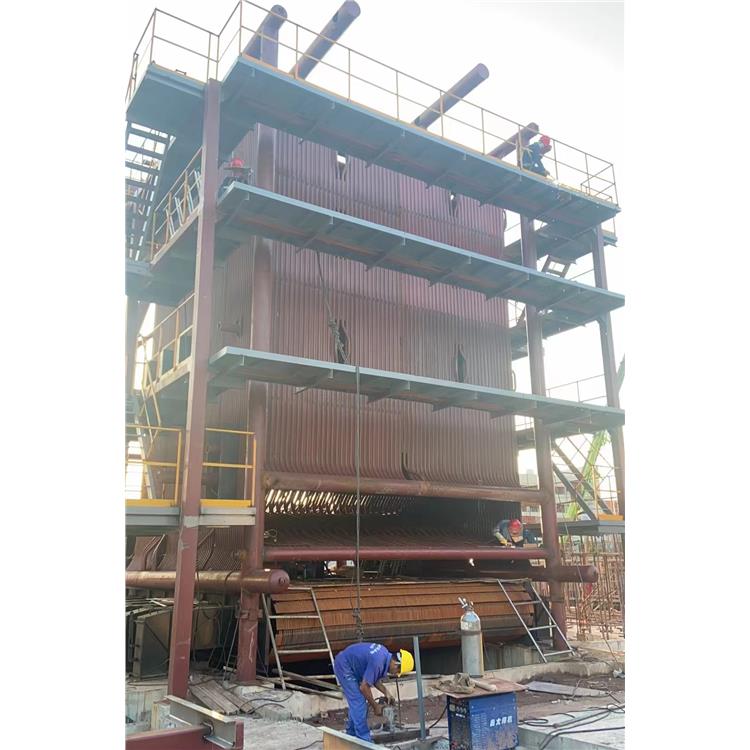


















Shandong Zhongjie Special Equipment (formerly Heze Boiler Factory Co., Ltd.) holds an A-grade boiler manufacturing license and an A2-grade pressure vessel manufacturing license, along with A2-grade pressure vessel design license, B-grade boiler installation, and GB2, GC2 pressure pipeline installation licenses, as well as qualifications for equipment and machinery installation contracts. It is a member of the China Boiler and Water Treatment Association, the China Chemical Equipment Association, and a council member of the Shandong Equipment Manufacturing Association. The company has also passed certifications for the ISO9001 Quality Management System, ISO14001 Environmental Management System, OHSAS18001 Occupational Health and Safety Management System, and the American ASME/U2 certification.
Possible reasons for incomplete combustion of fuel in biomass boilers may include the following aspects:
Inappropriate combustion conditions: If the combustion temperature is too low, oxygen supply is insufficient, or the combustion time is not sufficient during the combustion process, incomplete fuel combustion may occur. This could be due to improper burner settings, an unreasonable ventilation system, or inaccurate adjustment of combustion parameters, among other reasons.
Fuel Quality Issues: The quality of fuel can also affect combustion efficiency. If the fuel contains an excessive amount of water, impurities, or ash, it can impact the calorific value and combustion properties during the combustion process, leading to incomplete combustion.
Inadequate combustion chamber design: The design of the combustion chamber significantly affects combustion efficiency. If the structure of the combustion chamber is不合理, lacks sufficient combustion space, or has uneven airflow distribution within, it can lead to incomplete fuel combustion.
Combustion System Failure: A malfunction in the combustion system can also lead to incomplete fuel combustion. For instance, issues such as a clogged nozzle in the burner, a faulty ignition system, or abnormal operation of the combustion fan can all affect the combustion efficiency.
Lack of maintenance and cleaning: Regular maintenance and cleaning of biomass boilers are crucial for maintaining combustion efficiency. If there's ash accumulation, scale formation, or blockages inside the boiler, it can affect the normal combustion of fuel, leading to incomplete combustion.
To address issues with incomplete fuel combustion, the following measures can be taken: adjust combustion parameters to ensure appropriate combustion temperature, oxygen supply, and duration; select the correct amount of fuel and ensure that its storage and handling meet requirements; regularly maintain and clean the boiler to keep the combustion system operating smoothly. Additionally, depending on the specific situation, it may be necessary to consult with boiler maintenance personnel or manufacturers for more detailed and accurate solutions.
The reasons for energy-saving in biomass steam boilers mainly include the following points:
Energy Costs: Energy-saving measures can reduce the energy consumption of biomass steam boilers, lower energy costs, and enhance economic benefits.
Environmental Protection: Energy conservation can reduce carbon emissions and other pollutants from biomass steam boilers, minimizing environmental impact and protecting the ecological environment.
Sustainable Development: Energy conservation extends the lifespan of biomass resources, promotes sustainable development, and reduces reliance on natural resources.
To achieve energy-saving in biomass steam boilers, the following measures can be taken:
Boiler Design Optimization: Improve thermal energy utilization efficiency and reduce energy waste by optimizing the structural design and combustion system of the boiler.
Optimized Combustion Control: Utilizes advanced combustion control technology to regulate the combustion process, reducing fuel consumption and emissions.
Heat Recovery Utilization: Employ heat recovery technology to reclaim thermal energy from flue gas in boilers, enhancing energy utilization efficiency.
Water Treatment Optimization: Utilize appropriate water treatment technology to prevent scale and corrosion issues, enhancing the boiler's thermal conductivity efficiency.
Regular Maintenance: Regular maintenance of biomass steam boilers ensures optimal equipment condition, reducing energy loss and the occurrence of malfunctions.
System Operation Optimization: By implementing reasonable operation management and control strategies, optimize the operating parameters of biomass steam boilers to enhance system efficiency and stability.
Training and Awareness Enhancement: Strengthen employee training and awareness, boost energy management and conservation awareness, and promote the implementation and continuous improvement of energy-saving measures.
By integrating these measures, energy conservation in biomass steam boilers can be effectively achieved, reducing energy consumption and environmental impact while enhancing the economic efficiency and sustainability of the equipment.
To reduce NOx emissions from biomass boilers, the following measures can be taken:
Combustion Control Optimization: By optimizing the combustion process, control the combustion temperature and oxygen supply to reduce NOx emissions. Adjust the burner's structure and parameters to ensure a more thorough and even combustion process, minimizing the formation of localized high-temperature areas.
Combustion Chamber Design Enhancement: Improved combustion chamber design for biomass boilers, increasing mixing and residence time for better fuel and air mixture, thereby reducing NOx emissions.
SNCR Technology: Selective Non-Catalytic Reduction (SNCR) technology involves adding a reductant, such as urea, during the combustion process to react with NOx and convert it into nitrogen and water. This technique can effectively reduce NOx emissions, but requires system design and adjustments based on specific conditions.
SCR Technology: Selective Catalytic Reduction (SCR) technology is a NOx control method that involves adding a catalyst to flue gas, such as, to react with NOx and convert it into nitrogen and water. SCR technology can achieve high NOx removal efficiency, but it requires a significant investment and operating cost.
Flue Gas Recirculation (FGR): Flue Gas Recirculation technology recycles a portion of the flue gas back into the combustion process, reducing combustion temperatures and minimizing NOx formation. This technique can control NOx levels by adjusting the recirculation ratio.
Regular maintenance and cleaning: Regular maintenance of biomass boilers
Biomass boilers typically require auxiliary equipment to ensure their proper operation and utilization of biomass fuel. The following are some common auxiliary equipment:
Feeding System: Used to deliver biomass fuel to the combustion chamber of a boiler. The feeding system typically includes conveyors, screw conveyors, and vibratory feeders, among other equipment, which can be selected based on the fuel characteristics and boiler requirements.
Combustion System: Used for burning biomass fuel. The combustion system includes a combustion chamber, burners, fans, and other equipment, designed to achieve thorough mixing of fuel and air and control the combustion process.
Flue Gas Purification Equipment: Used for treating flue gases produced by combustion, reducing emissions of particulate matter and gas pollutants. Common flue gas purification equipment includes dust collectors, desulfurization units, denitrification units, etc., which can be selected based on emission standards and environmental protection requirements.
Heat Exchangers: Devices used to transfer the thermal energy produced by combustion to water or other working substances, achieving the recovery and utilization of thermal energy. Heat exchangers typically include water tube heat exchangers, flue gas waste heat boilers, etc., which can improve energy utilization efficiency.
Control System: Monitors and controls operational parameters of biomass boilers, including temperature, pressure, and fuel supply. The control system enables automatic adjustment and protection functions to ensure safe and optimal boiler operation.
Equipment: Includes water supply systems, waste discharge systems, pressure vessels, fuel storage equipment, etc. These devices are used to provide water for boilers, treat wastewater, store fuel, and ensure the normal operation of the boiler.
Above are some common auxiliary equipment for biomass boiler systems. The specific configuration and selection can be determined based on actual requirements and project specifications.
Our company attaches great importance to technological innovation and R&D design. We have one municipal-level enterprise technology center in Heze City, equipped with testing facilities for non-destructive testing, physical and chemical testing, welding testing, hydrostatic testing, etc. We have over 600 types of equipment, including CNC machine tools, X-ray flaw detectors, digital ultrasonic flaw detectors, mechanical property testing machines, chemical analyzers, spectrometers, tensile testing machines, plasma welding machines, and more. The key products we have developed, such as temperature and pressure vessel welding, biomass boiler emission reduction, and waste heat utilization, have successively been selected for multiple Shandong Provincial Department of Industry and Information Technology science and technology innovation projects, Shandong Provincial key projects, and Heze City innovation and excellence projects. We have cumulatively obtained 27 authorized utility model patents, 16 authorized invention patents, participated in drafting 2 standards, 2 industry standards, and registered 15 trademarks. Our technical team, in collaboration with Professor Yajiang Li of Shandong University, has developed deep cryogenic container processing technology using the international plasma arc + filler wire tungsten inert gas arc welding (PAW-GTAW) technology. After provincial-level scientific and technological achievement evaluation, the technology level has reached international standards in the field of deep cryogenic container manufacturing. Choose Zhongjie Special Equipment, and let's create brilliance together!
WeChat Official Account

Scan to follow Official Account



















