


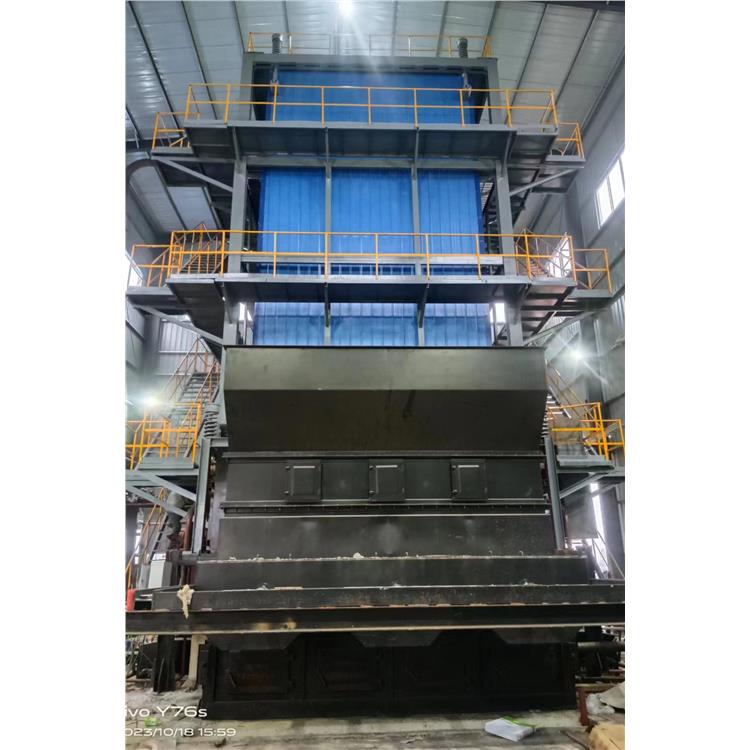

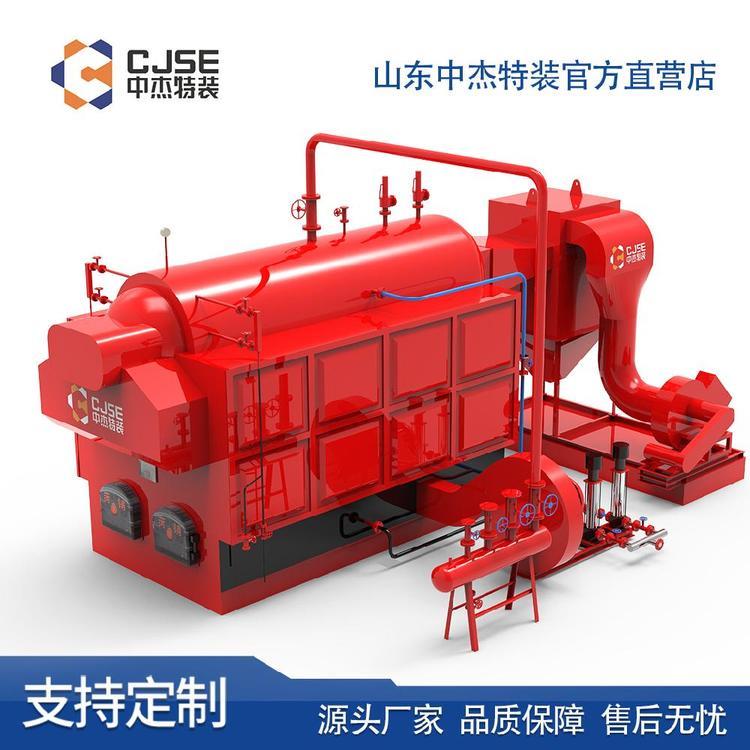
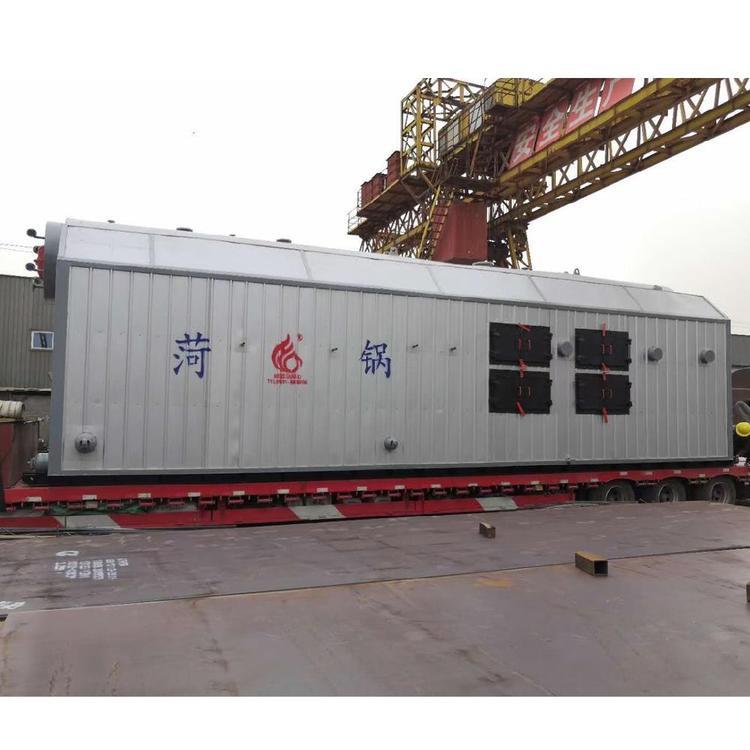


















Shandong Zhongjie Special Equipment (formerly Heze Boiler Factory Co., Ltd.) holds an A-grade boiler manufacturing license, an A2-grade pressure vessel manufacturing license, an A2-grade pressure vessel design license, a B-grade boiler installation license, and GB2/Class and GC2/Class pressure pipeline installation licenses, as well as a qualification for the installation and contracting of electromechanical equipment. It is a member of the China Boiler and Water Treatment Association, the China Chemical Equipment Association, and a director unit of the Shandong Equipment Manufacturing Association. The company has also passed certifications for the ISO9001 Quality Management System, ISO14001 Environmental Management System, OHSAS18001 Occupational Health and Safety Management System, and the American ASME/U2 certification.
Biomass boilers feature the following characteristics:
Renewable Energy: Fuel for biomass boilers comes from organic matter such as plants, animals, and microorganisms, making it a renewable energy source. Compared to traditional fossil fuels, biomass fuel has lower carbon emissions and a reduced environmental impact.
Diverse Fuel Sources: Biomass fuel sources are widespread, encompassing wood, straw, waste crops, food scraps, and municipal solid waste, among others. This diversity in fuel sources allows biomass boilers to be flexible and adaptable, utilizing waste and by-products from plants and animals.
Environmental friendliness: The carbon dioxide produced during biomass combustion can be absorbed by plants, forming a cycle that reduces air pollution. Additionally, the emissions and ash produced during the combustion process of biomass boilers are relatively low, resulting in minimal environmental impact.
Energy Security: Biomass, as a local renewable energy source, can reduce dependence on imported energy and enhance energy security. In areas with scarce resources, the use of biomass boilers can provide a reliable energy supply.
Economic Efficiency: Biomass fuel is relatively cost-effective and can reduce energy costs. Moreover, the technology and equipment for biomass boilers are continuously evolving and maturing, making them more economically competitive.
In summary, biomass boilers boast features such as renewable energy, diverse fuel sources, environmental friendliness, energy security, and cost-effectiveness, making them a crucial component in the sustainable energy sector.
Control methods for biomass boiler combustion systems can include the following aspects:
Fuel Supply Control: Regulate the supply quantity and speed of biomass fuel to ensure stable fuel supply. This can be achieved by adjusting the speed or on/off of the feeder.
Air Supply Control: Regulates the amount of air supplied during the combustion process to ensure complete fuel combustion. Can be achieved by adjusting the speed or on/off of the fan.
Combustion Temperature Control: Monitors the temperature within the combustion chamber and adjusts it according to the set values. The combustion temperature can be controlled by adjusting the air supply or fuel supply to the combustion chamber.
Combustion Process Monitoring: Monitor parameters during the combustion process, such as combustion temperature and pressure inside the combustion chamber, to real-time monitor the combustion status and adjust accordingly based on the monitoring results.
Oxygen Content Control: By monitoring the oxygen level within the combustion chamber and adjusting it according to set values, full combustion of the fuel is ensured. This can be achieved by installing an oxygen sensor and regulating the air supply.
Ash cleaning system control: Controls the operation of ash cleaning equipment, promptly burning off the ash in the combustion chamber to ensure combustion efficiency and the normal operation of the system.
Above are some common control methods for biomass boiler combustion systems, with specific control strategies and methods varying according to different boiler models and system designs.
During the operation of biomass hot water boilers, the following aspects should be noted:
Fuel Quality: Select biomass fuel in specified quantities to ensure the moisture content and particle size meet the boiler's requirements. Low-quality fuel may lead to incomplete combustion and blockages.
Combustion Effect: Pay attention to the monitoring and adjustment of combustion effects to ensure stability and completeness in the combustion process. Adjust combustion parameters such as combustion temperature and duration according to the boiler's operating status and fuel characteristics.
Clean Combustion System: Regularly clean the combustion system, including the combustion chamber, burners, and burner nozzles. Remove soot, deposits, and dirt to maintain the system's unobstructed flow, and prevent issues such as incomplete combustion and unstable flames.
Water Treatment: Pay attention to the water treatment of the boiler, including water hardness, alkalinity, and impurities in the water. Take appropriate water treatment measures based on the water quality to prevent scale and corrosion, and protect the boiler's heat exchangers and pipes.
Regular Maintenance: Perform regular maintenance on biomass hot water boilers, including cleaning, lubricating, and securing. Check that all parts and connections are functioning properly, ensuring they are in good working condition.
Safe Operation: Adhere to the boiler operation procedures and safety guidelines to ensure safe boiler operation. Monitor and control parameters such as pressure and temperature, and promptly address any abnormal situations.
In summary, pay attention to fuel quality, combustion efficiency, combustion system cleanliness, water treatment, regular maintenance, and safety.
Biomass boiler pellet fuel is a common form of biomass fuel, also known as biomass pellets or wood pellets. It is a small granular fuel made by processing biomass raw materials (such as wood chips, straw, wheat straw, fruit shells, etc.) through processes like crushing, drying, and pressing.
Biomass boiler pellet fuel features the following characteristics:
High Energy Density: Biomass pellets have a high energy density, allowing for more energy to be stored in a relatively smaller volume, making transportation and storage convenient.
Easy to Burn: Biomass pellet fuel has regular shape and uniform size, ensuring a stable combustion process, easy control of combustion parameters, and improved combustion efficiency.
Low humidity and low ash content: The biomass pellet fuel is dried and processed, resulting in low humidity and relatively low ash content. This reduces water evaporation and ash residue during combustion, improving combustion efficiency and reducing pollutant emissions.
Renewable and Eco-friendly: Biomass pellet fuel is a renewable energy source that can be recycled through regenerative processes. The carbon dioxide emitted during combustion can be absorbed by biomass, creating a cycle with minimal environmental impact.
Wide combustion adaptability: Biomass pellet fuel is suitable for biomass boilers and has strong combustion adaptability. Different types and specifications of pellet fuel can be chosen according to actual conditions to meet the needs of various boilers.
Biomass pellet fuel is widely used in biomass boilers, serving as a clean and renewable energy source, which is significant for reducing carbon emissions and protecting the environment.
Chongjie Special Equipment upholds the great vision of "Realizing employee dreams, creating customer value, and striving for the prosperity and strength of our motherland," and is dedicated to the development of the green energy equipment industry. We commit to society with high-value products and services!
WeChat Official Account

Scan to follow Official Account



















