


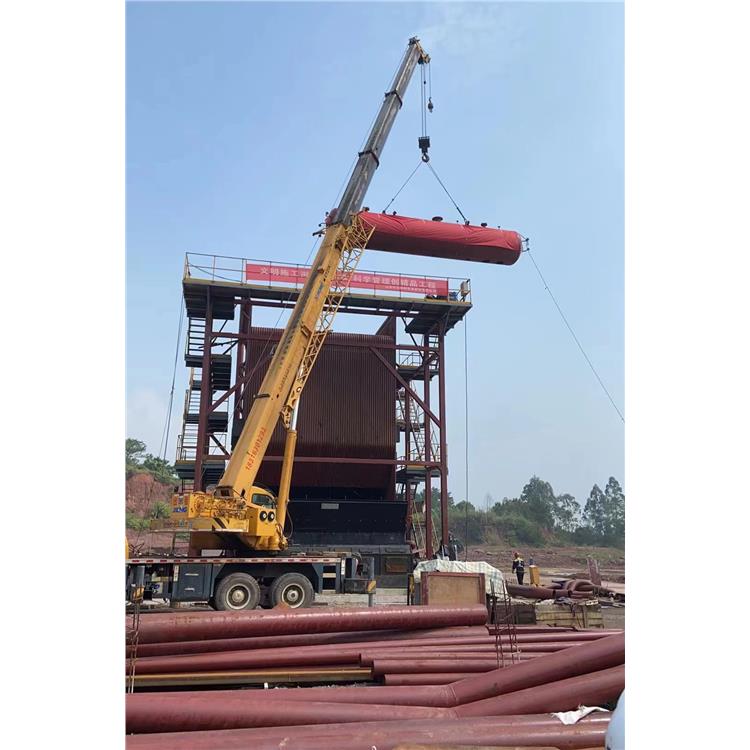

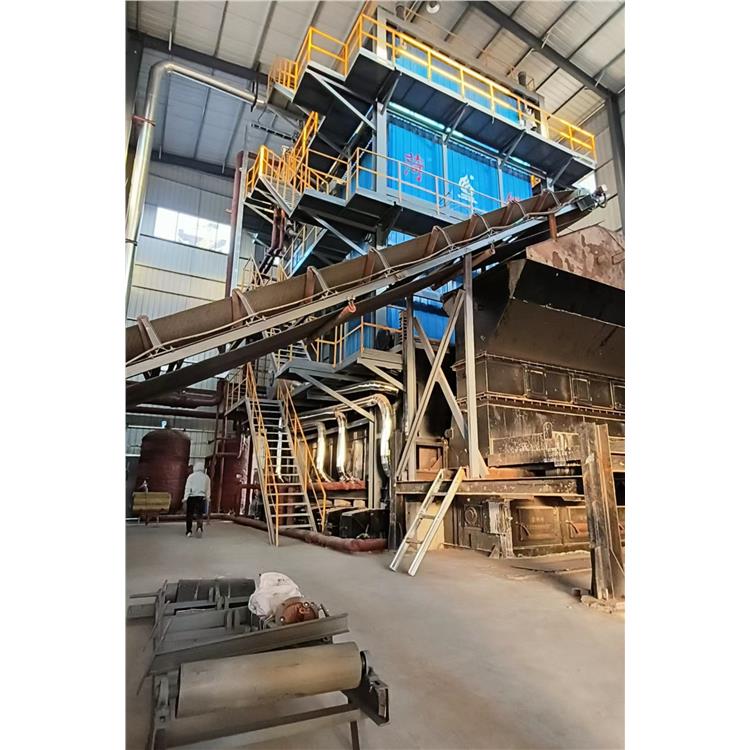


















Shandong Zhongjie Special Equipment Co., Ltd. specializes in the following products: fuel (gas) boilers, organic heat carrier boilers, biomass boilers, waste heat recovery boilers, and other boiler products; vacuum insulation cryogenic pressure vessels such as LNG tanks, oxygen/nitrogen/argon tanks, and CO2 tanks; pressure vessel products including denitrification engineering equipment, heat storage and energy storage equipment, and complete chemical equipment; central air conditioning and HVAC equipment such as ground (water) source heat pumps, air source units, water-cooled screw units, and air-cooled modular units. Planned products include large-scale energy centers, LNG transport vehicles, LNG tank containers, and other green energy equipment.
For the air调节 door of biomass hot water boilers, its performance can be improved through the following aspects of structural improvement:
Material Selection: The construction of the wind control door should be made from materials that can withstand high temperatures and corrosion, such as stainless steel or heat-resistant alloys. This ensures the long-term stable operation of the wind control door under high-temperature and corrosive conditions.
Structural Design: The design of the air gate structure should be rational, including the arrangement and connection methods of components such as the door panels, bearings, and transmission devices. The door panels should have good sealing performance, capable of effectively controlling the flow of combustion air. The transmission device should be flexible and reliable, easy to operate and adjust.
Airflow Regulation: The design of the air control door should enable airflow regulation. An adjustable door blade angle or opening design can be employed, adjusting the air flow to the combustion by changing the position or angle of the door blade. Additionally, consider installing an airflow regulation device, such as an airflow meter or pressure sensor, for real-time monitoring and adjustment of the combustion air flow.
Temperature Control: For biomass hot water boilers, consider installing a temperature sensor near the air control door to monitor the combustion chamber temperature in real-time. By connecting it to the air control door control system, the opening of the air control door can be automatically adjusted according to temperature changes to maintain a stable temperature inside the combustion chamber.
Safety Protection: The design of the air control door should incorporate safety measures, such as over-load protection devices or limit switches, to prevent excessive opening or closing of the air control door, which could lead to unstable combustion or other safety issues.
Through the above structural improvements, the performance and reliability of the biomass hot water boiler's air adjustment door can be enhanced, achieving better combustion air regulation and improving the boiler's thermal efficiency and stability.
Before considering the use of biomass boilers, the following preliminary analyses should be conducted:
Fuel Supply: Biomass boilers require biomass fuel such as wood chips and straw. Before selecting a biomass boiler, it is essential to ensure a stable fuel supply channel, including procurement, storage, and transportation of the fuel.
Fuel Costs: The cost of biomass fuel may be affected by factors such as season, location, and crop yields. Before selecting a biomass boiler, it is necessary to evaluate the fuel costs to ensure its economic viability.
Boiler Requirements: Evaluate the required thermal output and heating area based on actual needs. This will help determine the appropriate scale and model of biomass boiler needed.
Technical Requirements: The installation and operation of biomass boilers require certain technical specifications. Before selecting a biomass boiler, it's necessary to assess your technical capabilities and resources to ensure they meet the requirements for installation, adjustment, and maintenance.
Environmental Requirements: Biomass boilers have lower carbon emissions and environmental impact compared to traditional coal-fired boilers. However, local environmental regulations and emission standards must be considered to ensure compliance with the requirements for biomass boiler use.
Economic Benefits: Besides fuel costs, the economic benefits of biomass boilers must also be considered comprehensively. This includes factors such as the purchase cost of the boiler, operation and maintenance costs, and energy-saving benefits.
In summary, it is feasible to assess the suitability and viability of biomass boilers, thereby enabling informed decision-making.
When operating biomass boilers, the following safety precautions should be noted:
Familiarize with the Operation Manual: Prior to operating the biomass boiler, carefully read and familiarize yourself with the operation manual. Understand the boiler's structure, operating principle, steps, and safety precautions.
Regular inspections and maintenance: Conduct regular checks on all parts and equipment of the boiler to ensure proper operation and safety performance. Promptly clean ash and slag, inspect the sealing of pipes and valves, and keep the boiler clean and unobstructed.
Regulate Fuel Supply: Control the rate and amount of fuel supply to prevent over or under-fueling, ensuring optimal combustion and reducing safety risks.
Maintain optimal combustion temperature: Keep the combustion temperature appropriate, avoiding both too low and too high temperatures. Too low temperatures can lead to carbon coking, while too high temperatures may cause incomplete combustion and safety hazards.
Regularly clean and maintain the combustion chamber: Regularly clean the ash and carbon deposits inside the combustion chamber to maintain the boiler's cleanliness and prevent issues like coking and blockages.
Safety valves and pressure gauges: Ensure the proper operation and accuracy of safety valves and pressure gauges; promptly repair or replace any damaged safety valves and pressure gauges.
Prevent overheating and overpressure: Monitor the boiler's temperature and pressure to avoid overheating and overpressure situations, and take timely measures for adjustment and handling.
Prevent Gas Leaks: Regularly inspect the seals of gas pipes and valves to ensure no gas leaks occur, and avoid the risks of fire and explosion.
Pre-shutdown Procedures: Prior to shutdown, first turn off the fuel and air supplies, then wait for the boiler to cool down before conducting maintenance and cleaning.
Training and Operating Procedures: Ensure operators have received relevant training, are familiar with operating procedures and emergency response measures, and can properly handle emergencies.
Above are some safety precautions to be aware of when operating biomass boilers. To ensure the safe operation of the boiler, it is recommended to follow relevant operational procedures and safety standards, and to conduct regular inspections and maintenance.
Biomass boilers can achieve energy conservation and emission reduction in the following ways:
Combustion Technology: The biomass boiler utilizes combustion technologies such as fluidized bed combustion and pellet combustion, which enhance combustion efficiency, ensuring more complete fuel utilization, and reduce energy waste.
Heat Recovery Utilization: Biomass boilers generate a large amount of heat energy during the combustion process, which can be recovered and utilized through a flue gas waste heat recovery system. For instance, by using a flue gas waste heat boiler or a flue gas heat exchanger, the heat energy in the flue gas is converted into hot water, steam, or other forms of heat energy, thereby enhancing energy utilization efficiency.
Control combustion parameters: Biomass boilers can achieve optimal combustion effects by controlling parameters such as combustion temperature and oxygen supply. Reasonable combustion parameters can enhance combustion efficiency and reduce fuel consumption and emissions.
Fuel Quality Control: Selecting biomass fuels in bulk with high dryness and low ash content can enhance combustion efficiency and reduce the generation of ash and pollutants.
Regular maintenance and cleaning: Regularly maintain and clean biomass boilers to remove ash and carbon buildup from the combustion chamber and flue, ensuring normal operation and combustion of the boiler.
Our Control System: Utilizes an automatic control system that can monitor and adjust the operational status of biomass boilers in real-time, ensuring stable combustion processes.
By implementing these measures, biomass boilers can achieve energy conservation and emission reduction, improve energy utilization efficiency, reduce carbon dioxide emissions and the generation of pollutants, and be more environmentally friendly.
Our company places great emphasis on technological innovation and R&D, boasting 1 municipal-level enterprise technology center in Heze City. We have established testing facilities for non-destructive testing, physical and chemical testing, welding testing, hydrostatic testing, etc. Equipped with over 600 pieces of various equipment such as CNC machine tools, X-ray flaw detectors, digital ultrasonic flaw detectors, mechanical property testing machines, chemical analyzers, spectrometers, tensile testing machines, and plasma welding machines, our R&D of key products such as thermal pressure vessel welding, biomass boiler emission reduction, and waste heat utilization has been selected for multiple Shandong Provincial Department of Industry and Information Technology science and technology innovation projects, Shandong Provincial key projects, and Heze City innovation and excellence projects. We have cumulatively obtained 27 authorized utility models, 16 authorized inventions, participated in drafting 2 standards, 2 industry standards, and registered 15 trademarks. Our technical team, in collaboration with Professor Yajiang Li of Shandong University, has developed deep cryogenic container processing technology using the internationally recognized plasma arc + filler wire tungsten inert gas arc welding (PAW-GTAW) technique. The provincial-level scientific and technological achievement appraisal has determined that our technology level in deep cryogenic container manufacturing has reached international standards. Choose Zhongjie Special Equipment, let's create brilliance together!
WeChat Official Account

Scan to follow Official Account



















