


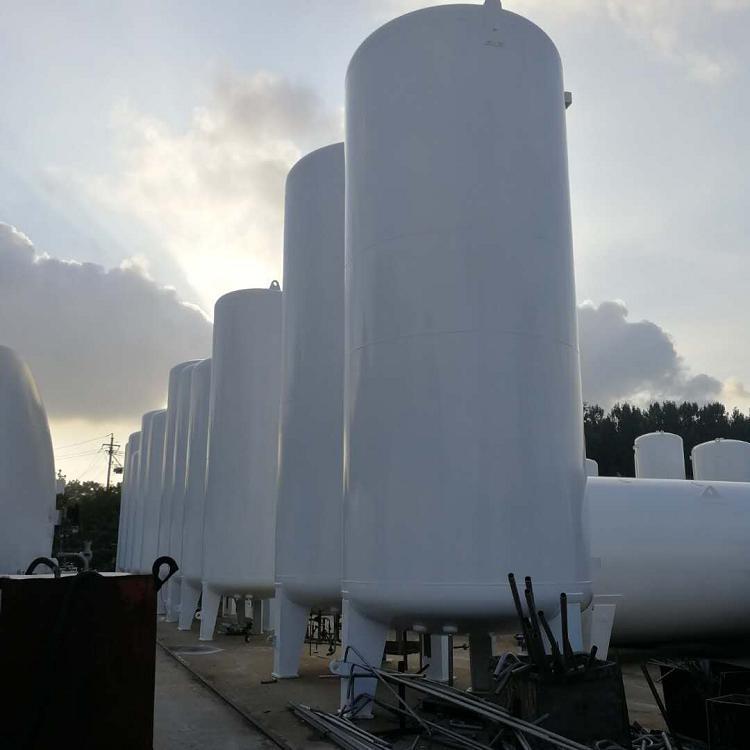

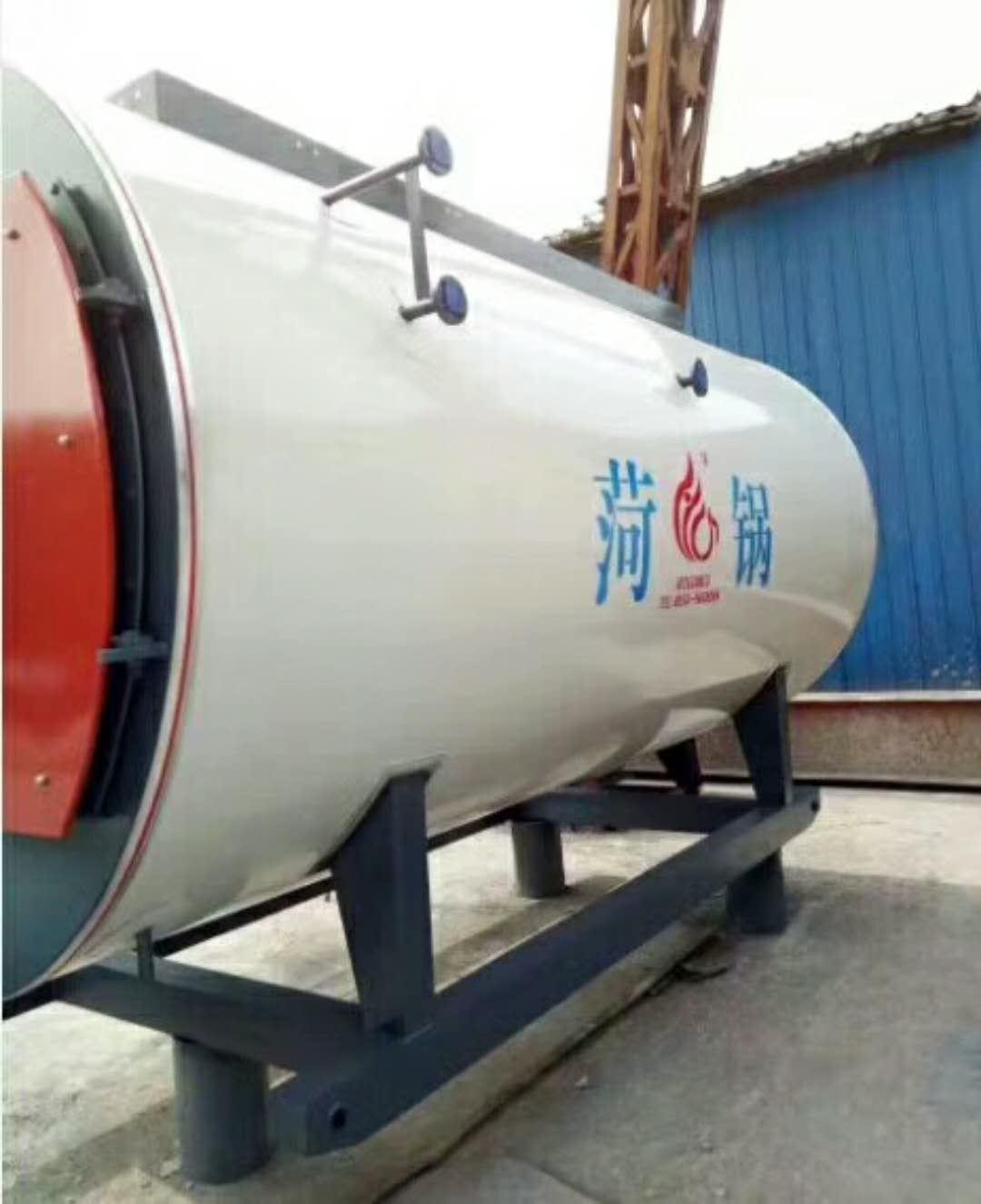
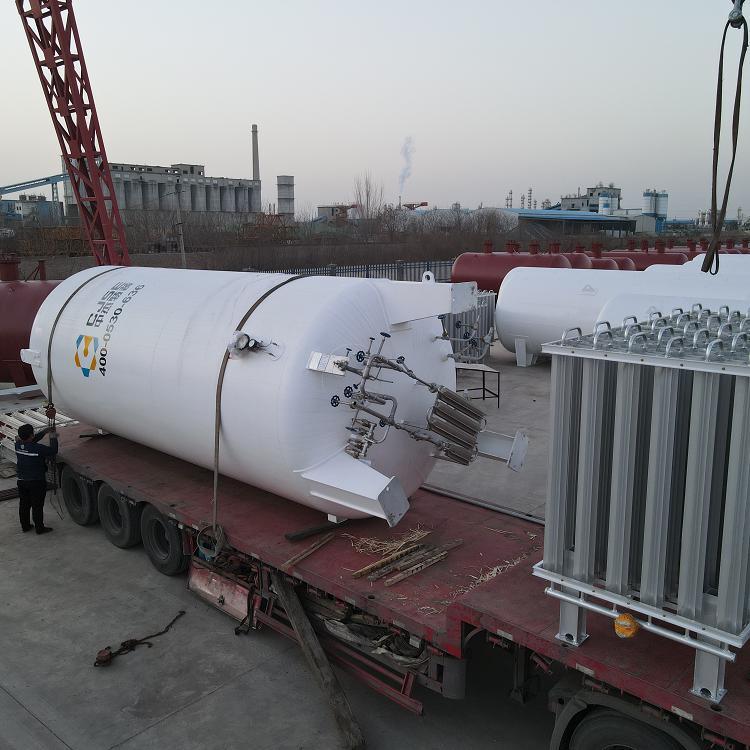


















Shandong Zhongjie Special Equipment (formerly Heze Boiler Factory Co., Ltd.) was established in 2001, located at No. 2218 Jinnan Road, Economic and Technological Development Zone, Heze City. With a registered capital of 50 million yuan and total assets of 500 million yuan, the company has 7 business centers: boilers, deep-freezing vessels, pressure vessels, central air conditioning, engineering installation, international trade, and Internet of Things. It has three factory sites on Jinnan Road, East Changjiang Road, and Bohai Road, covering a total of 200,000 square meters. The main workshop spans 83,000 square meters. It currently employs 710 people, including 247 engineering and technical staff and 82 intermediate-level technicians. In December 2016, it was recognized as a "High-tech Enterprise" by the Science and Technology Department. In June 2021, it was identified as a "Specialized and New Enterprise in Shandong Province" by the Ministry of Industry and Information Technology. In June 2022, it was recognized as a "Gazelle Enterprise in Shandong Province" and in August 2022, it was identified as a "Specialized and New Small Giant Enterprise" by the Ministry of Industry and Information Technology.
When selecting liquid oxygen storage tanks with medical oxygen concentrators, consider the following factors:
Requirement: First, determine the oxygen demand of the institution or individual. Select the appropriate oxygen concentrator model and specification based on the required oxygen flow rate and pressure.
Safety and Reliability: Ensure the selected oxygen concentrator offers high safety and reliability. Choose products that comply with relevant standards and regulations, featuring safety functions such as overpressure protection, leakage protection, and overload protection.
Operational ease: Select an oxygen concentrator with simple, user-friendly operation. Consider the methods of adjusting oxygen flow and concentration, as well as the clarity and readability of the operational interface.
Quality and Reputation: Choose an oxygen concentrator with excellent quality and reliability. Refer to customer reviews, word-of-mouth, and institutional recommendations when selecting a product.
Maintenance and After-Sales Service: Understand the maintenance requirements and after-sales support for the oxygenator. Ensure timely access to repairs and technical assistance to ensure the normal operation and maintenance of the oxygenator.
Cost-Effective: Considering the price, performance, and features of the oxygenator, choose a product with a good cost-performance ratio. Select the appropriate oxygenator based on actual needs and budget.
Be mindful that when selecting a liquid oxygen tank with a medical oxygen concentrator, adhere to the relevant equipment procurement regulations and standards. It's advisable to consult with equipment suppliers or relevant institutions to ensure the oxygen concentrator meets your needs and safety requirements.
The temperature difference between the internal and external environment of a low-temperature liquid storage tank depends on various factors, including the tank's design, insulation performance, the temperature of the liquid, and the ambient temperature. Generally speaking, the internal temperature of a low-temperature liquid storage tank will be significantly lower than the ambient temperature.
Low-temperature liquid storage tanks are commonly used for storing cryogenic liquids such as liquid nitrogen, liquid oxygen, and liquid argon. These liquids have very low boiling points, usually below -100 degrees Celsius. To maintain the low temperature of the liquids, the tank must have excellent insulation properties to minimize heat transfer and evaporation loss.
Low-temperature liquid storage tanks typically offer lower temperature variations. Generally, the internal temperature of the tank can be maintained around the boiling point of the liquid, usually several dozen degrees cooler than the ambient external temperature. The specific temperature difference depends on the tank's design, insulation performance, and the properties of the liquid.
Note that the temperature differences in low-temperature liquid storage tanks may change over time. As time passes, the insulation material's performance may be affected by wear or aging, leading to increased temperature differences. Therefore, regular inspection and maintenance of the tank's insulation layer are crucial to ensure its effective and stable insulating performance.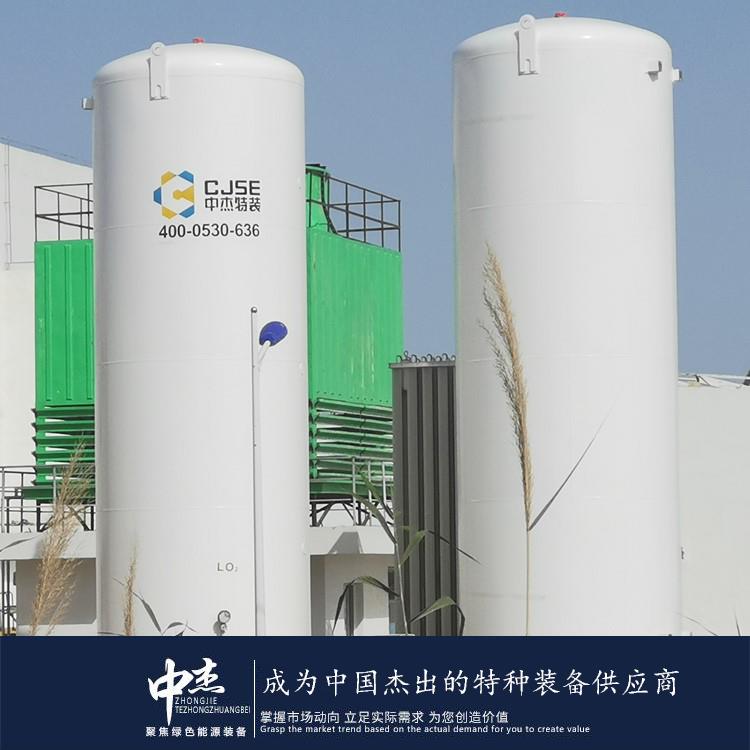
The reasons for the peak popularity of low-temperature liquid storage tanks in recent years are as follows:
Rising Demand: With the development of industries such as manufacturing and scientific research, the demand for cryogenic liquids is continually increasing. Cryogenic liquid storage tanks can effectively store and supply liquid oxygen, liquid nitrogen, and other cryogenic liquids, meeting the needs of various fields.
Technological Advancements: In recent years, the manufacturing and material technologies for low-temperature liquid storage tanks have continuously improved and innovated. The application of new insulating materials, advanced refrigeration systems, and safety control devices has enhanced the performance and safety of the tanks, making them more reliable and secure.
Environmental Awareness Enhancement: Low-temperature liquid storage tanks enable effective storage and utilization of low-temperature liquids, reducing energy waste and environmental pollution. Amidst the rise in environmental awareness, low-temperature liquid storage tanks, as an environmentally friendly and energy-saving device, have gained more attention and application.
Emerging Application Areas: There is an increasing demand for low-temperature liquid storage tanks in emerging application areas. For instance, the application of liquid nitrogen in frozen food, biomedicine, and semiconductor manufacturing is becoming more widespread, driving the development of low-temperature liquid storage tanks.
Policy Support: The government has provided support and encouragement for the development of low-temperature liquid storage tanks. Through policy guidance and financial support, the industry has been promoted and expanded.
In summary, the reasons for the peak popularity of low-temperature liquid storage tanks in recent years mainly include increasing demand, technological advancements, heightened environmental awareness, the development of new application areas, and policy support. These factors have collectively driven the rapid growth of the low-temperature liquid storage tank industry.
The cooling process and precautions for liquid argon cylinders are as follows:
Cooling Process Analysis:
Clean the Cylinder: Prior to cooling the liquid argon cylinder, ensure the interior is clean and free of impurities and contaminants. Use an appropriate cleaning agent for washing and rinse thoroughly.
Drainage and Exhaust: Empty the gas inside the tank and expel it through the exhaust system to reduce the gas content within the tank.
Add Liquid Nitrogen: Inject liquid nitrogen into the tank, which will rapidly cool the air and walls inside the tank due to its low temperature, thereby reducing the tank's temperature.
Wait for cooling: Liquid nitrogen will gradually lower the temperature inside the container through the process of heat conduction, until it reaches the required low temperature.
Cautionary Notes:
Safety Protection: During the cooling process of the liquid argon cylinder, necessary safety precautions must be taken. Liquid argon has low temperatures and high flammability, so operators should wear protective suits, gloves, and other personal protective equipment to ensure safe operation.
Fire Prevention Measures: Liquid argon is highly flammable; therefore, during the cooling process of the liquid argon tank, it is essential to ensure there are no ignition sources in the surrounding environment and to have appropriate fire extinguishing equipment on hand.
Temperature Control: During the cooling process of the liquid argon tank, it is necessary to control the tank's temperature to avoid overcooling or insufficient cooling. Temperature sensors and a temperature control system can be used to monitor and regulate the tank's temperature.
Insulation and Heat Retention: Liquid argon tanks are typically designed with double or multi-layer structures, filled with insulating material in the middle to minimize heat transfer and evaporation of liquid argon. Ensure the integrity and good insulation of the insulation layer.
Our company attaches great importance to technological innovation and R&D design. We possess 1 municipal-level enterprise technology center in Heze City, equipped with non-destructive testing, physical and chemical testing, welding testing, hydrostatic testing, and other testing facilities. We have over 600 types of equipment, including CNC machine tools, X-ray flaw detectors, digital ultrasonic flaw detectors, mechanical property testing machines, chemical analyzers, spectrometers, tensile testing machines, plasma welding machines, and more. The key products we have developed, such as temperature and pressure vessel welding, biomass boiler emission reduction, and waste heat utilization, have successively been selected for multiple Shandong Provincial Department of Industry and Information Technology science and technology innovation projects, Shandong Provincial key projects, and Heze City innovation and excellence projects. We have accumulated 27 authorized utility models, 16 authorized inventions, participated in drafting 2 standards, 2 industry standards, and registered 15 trademarks. Our technical team, in collaboration with Professor Yajiang Li of Shandong University, has jointly developed deep cryogenic container processing technology, utilizing the international plasma arc + filler wire tungsten inert gas arc welding (PAW-GTAW) technology. After provincial-level scientific and technological achievement evaluation, the technology level has reached international standards in the field of deep cryogenic container manufacturing. Choose Zhongjie Special Equipment, and let's create brilliance together!
WeChat Official Account

Scan to follow Official Account



















