


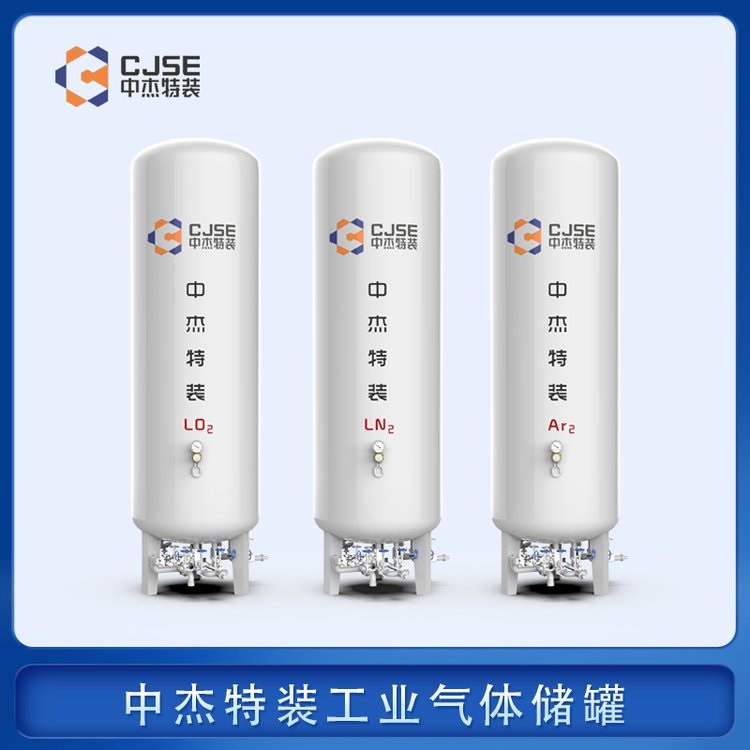

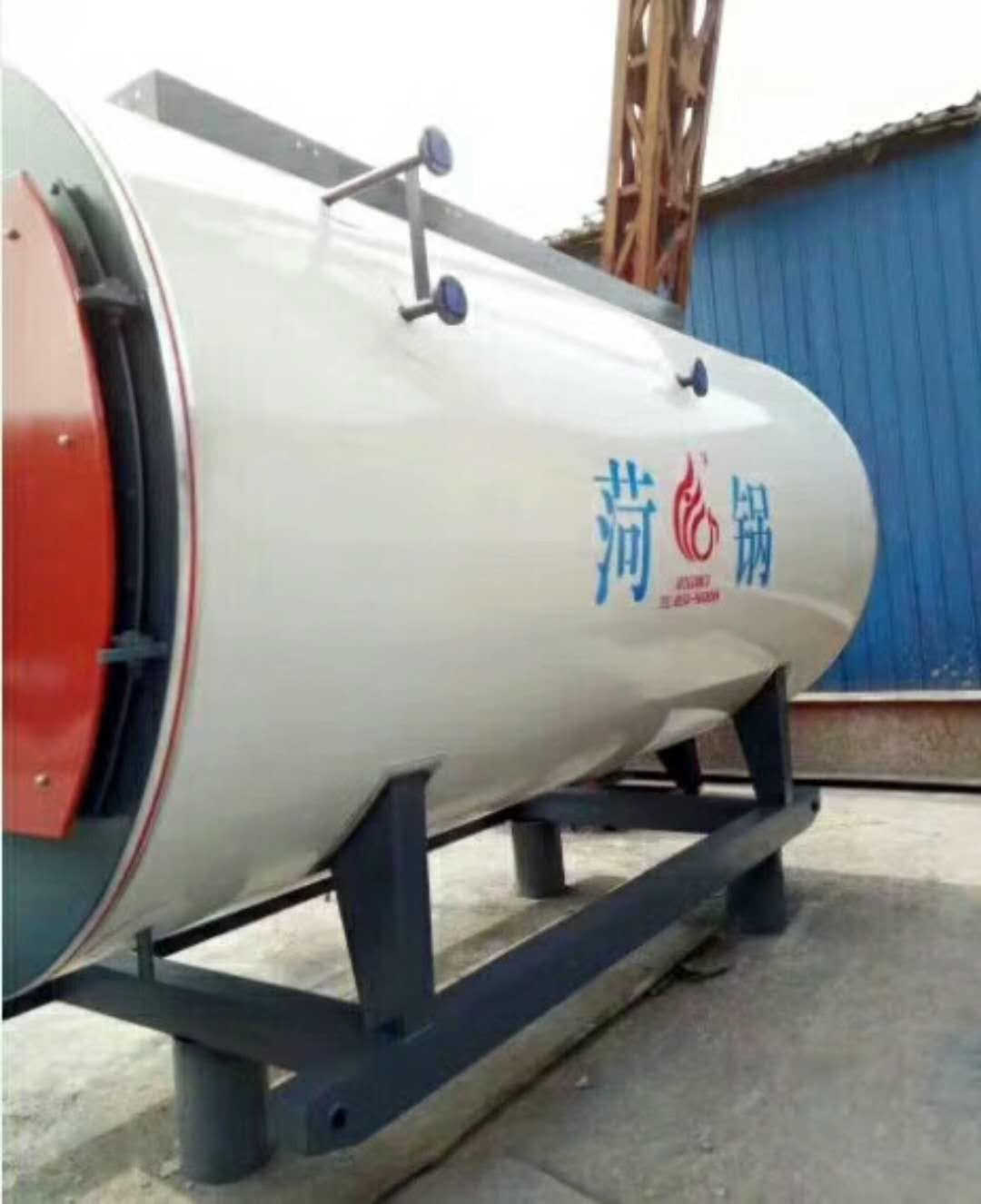
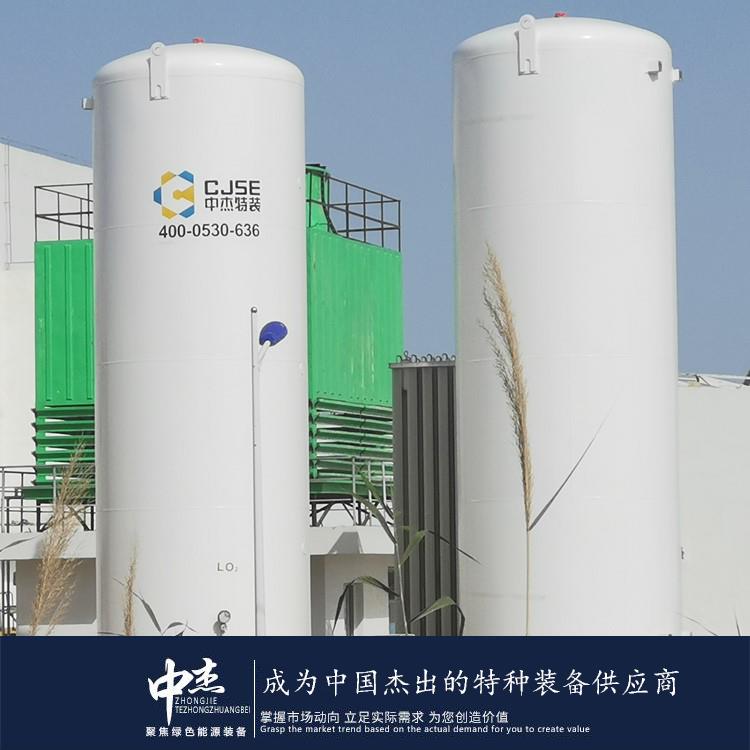


















Shandong Zhongjie Special Equipment (formerly Heze Boiler Factory Co., Ltd.) was established in 2001, located at No. 2218 Jinnan Road, Economic and Technological Development Zone, Heze City. With a registered capital of 50 million yuan and total assets of 500 million yuan, the company operates seven major business centers: boilers, deep-freezing containers, pressure vessels, central air conditioning, engineering installation, international trade, and Internet of Things. It has three factory sites on Jinnan Road, East Changjiang Road, and Bohai Road, covering a total area of 200,000 square meters, with the main workshop spanning 83,000 square meters. The company currently employs 710 people, including 247 engineers and technicians and 82 intermediate-level technical personnel. In December 2016, it was recognized as a "High-tech Enterprise" by the Science and Technology Department. In June 2021, it was identified as a "Specialized and New Enterprise in Shandong Province" by the Industrial and Information Technology Department. In June 2022, it was recognized as a "Gazelle Enterprise in Shandong Province" and in August 2022, it was identified as a "Specialized and New Small Giant Enterprise" by the Ministry of Industry and Information Technology.
The normal pressure range for liquid oxygen tanks typically falls between 2-5 bar. This range refers to the internal oxygen pressure within the tank, which is necessary to maintain the liquid state of the oxygen. The design and manufacturing of liquid oxygen tanks should comply with relevant standards and specifications to ensure the tank can safely withstand this pressure range under normal operating conditions. It is important to note that the pressure of the liquid oxygen tank can be affected by various factors, such as the temperature of the liquid oxygen, the tank's design, and materials. In actual use, the normal pressure range of the tank should be determined based on the specific tank design and usage requirements, and operations and maintenance should adhere to relevant regulations and standards. Additionally, liquid oxygen tanks should be equipped with pressure control devices, such as pressure valves or pressure relief devices, to ensure the internal pressure remains within a safe range. These devices can automatically release gas when pressure exceeds the set value, ensuring the safety of the tank. Regular inspection and maintenance of these pressure control devices should be conducted when using liquid oxygen tanks to ensure they are functioning properly.
The use of low-temperature liquid storage tanks requires attention to the following matters:
Safe Operation: Operators must undergo training to understand the procedures and safety precautions for handling the tank. Adhere to proper operational steps to ensure safe operation.
Protective Gear: Operators must wear appropriate protective gear, such as thermal suits, gloves, etc., to safeguard themselves from the harm of low-temperature liquids.
Leak Protection: Regularly inspect the tank and associated pipelines for seal integrity to prevent leakage of low-temperature liquids. Keep the area around the tank clean to avoid debris obstructing leak detection and handling.
Fire Protection: Low-temperature liquids are highly flammable and fire prevention measures must be taken. Keep the area around storage tanks free of ignition sources, prohibit smoking and open flames. Equip with appropriate fire extinguishing equipment to mitigate fire risks.
Pressure Control: Regularly inspect and maintain the pressure control system of the storage tank to ensure the pressure inside remains within a safe range. Safety valves and pressure sensors, among other equipment, should operate normally, and abnormal pressure situations should be detected and addressed promptly.
Insulation Protection: Low-temperature liquid storage tanks should be equipped with an effective insulation layer to reduce heat transfer and liquid evaporation. The selection and installation of the insulation layer should comply with relevant standards and requirements.
Regular inspections and maintenance: Conduct regular checks of the tank's exterior and interior conditions, including checking for leaks, corrosion, wear, or other damage. Pay special attention to inspecting the tank's interfaces, valves, and pipelines, ensuring they are functioning properly.
Emergency Preparedness: Establish an emergency response plan, including measures for leaks, fires, and other unexpected incidents. Operators must be familiar with the emergency response plan and be equipped with appropriate emergency equipment and fire fighting tools.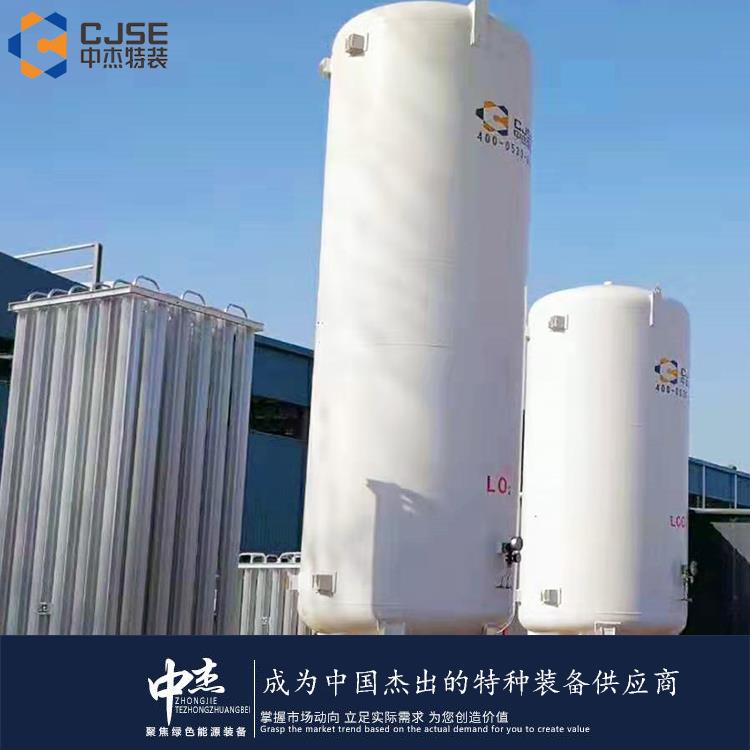
The reasons for the peak popularity of low-temperature liquid storage tanks in recent years are as follows:
Rising Demand: With the development of industries, scientific research, and other fields, there is a growing demand for low-temperature liquids. Low-temperature liquid storage tanks can effectively store and supply liquid oxygen, liquid nitrogen, liquid gases, and other low-temperature liquids, meeting the needs of various sectors.
Technological Advancements: In recent years, there have been continuous improvements and innovations in the manufacturing technology and materials for low-temperature liquid storage tanks. The application of new insulating materials, advanced refrigeration systems, and safety control devices has enhanced the performance and safety of the tanks, making them more reliable and secure.
Environmental Awareness Enhancement: Low-temperature liquid storage tanks enable effective storage and utilization of low-temperature liquids, reducing energy waste and environmental pollution. Against the backdrop of enhanced environmental awareness, low-temperature liquid storage tanks, as environmentally friendly and energy-saving equipment, have gained more attention and application.
Emerging Application Fields: The demand for low-temperature liquid storage tanks is increasing in emerging application fields. For instance, the application of liquid nitrogen in frozen food, biomedicine, and semiconductor manufacturing is becoming more widespread, driving the development of low-temperature liquid storage tanks.
Policy Support: The government has supported and encouraged the development of low-temperature liquid storage tanks. Through policy guidance and financial support, the industry has been promoted and grown stronger.
In summary, the reasons for the peak of low-temperature liquid storage tanks in recent years mainly include increasing demand, technological advancements, enhanced environmental awareness, the development of new application areas, and policy support. These factors have collectively driven the rapid development of the low-temperature liquid storage tank industry.
The liquid oxygen tank possesses the following characteristics:
High Purity: The liquid oxygen storage tank contains high purity liquid oxygen, typically achieving a purity of over 99.5%. This makes the liquid oxygen tank essential for applications requiring high purity oxygen, such as medical, aerospace, and research fields.
Low Temperature: As the boiling point of liquid oxygen is -183°C, liquid oxygen storage tanks must have excellent insulation properties to maintain the low temperature state of the liquid oxygen. Tanks are typically designed with double or multi-layer structures, filled with insulating material in between to reduce heat transfer and evaporation of the liquid oxygen.
High Pressure: Liquid oxygen tanks typically need to withstand high pressure to maintain their liquid state. The design and material selection of the tank must consider the pressure requirements of liquid oxygen to ensure the tank's safety and reliability.
Flammability: Liquid oxygen is highly flammable and supports combustion. Therefore, during the design and use of liquid oxygen storage tanks, fire prevention measures must be implemented to ensure there are no ignition sources nearby, and appropriate fire extinguishing equipment is provided.
High Density: Liquid oxygen has a higher density, allowing liquid oxygen tanks to store more oxygen compared to gas oxygen. This gives liquid oxygen tanks an advantage in applications requiring large oxygen supplies, such as in the field.
Corrosivity: Liquid oxygen possesses some degree of corrosiveness.
Our company places great emphasis on technological innovation and R&D, boasting one municipal-level enterprise technology center in Heze City. We have established testing facilities for non-destructive testing, physical and chemical testing, welding testing, hydrostatic testing, and more. We are equipped with over 600 various instruments and equipment, including CNC machine tools, X-ray flaw detectors, digital ultrasonic flaw detectors, mechanical property testing machines, chemical analyzers, spectrometers, tensile testing machines, plasma welding machines, and more. The key products we have developed, such as welding for temperature and pressure vessels, biomass boiler emissions reduction, and waste heat utilization, have successively been included in multiple Shandong Province Industrial and Information Technology Department scientific and technological innovation projects, key projects in Shandong Province, and Heze City innovation and excellence projects. We have cumulatively obtained 27 authorized utility model patents, 16 authorized invention patents, participated in drafting 2 standards, 2 industry standards, and registered 15 trademarks. The technical team of our company, in collaboration with Professor Yajiang Li from Shandong University, has developed deep cryogenic container processing technology using the internationally recognized plasma arc + filler wire tungsten inert gas arc welding (PAW-GTAW) technology. After provincial-level scientific and technological achievement appraisal, the technology level has reached international standards in the field of deep cryogenic container manufacturing. Choose Zhongjie Special Equipment, and let's create brilliance together!
WeChat Official Account

Scan to follow Official Account



















