


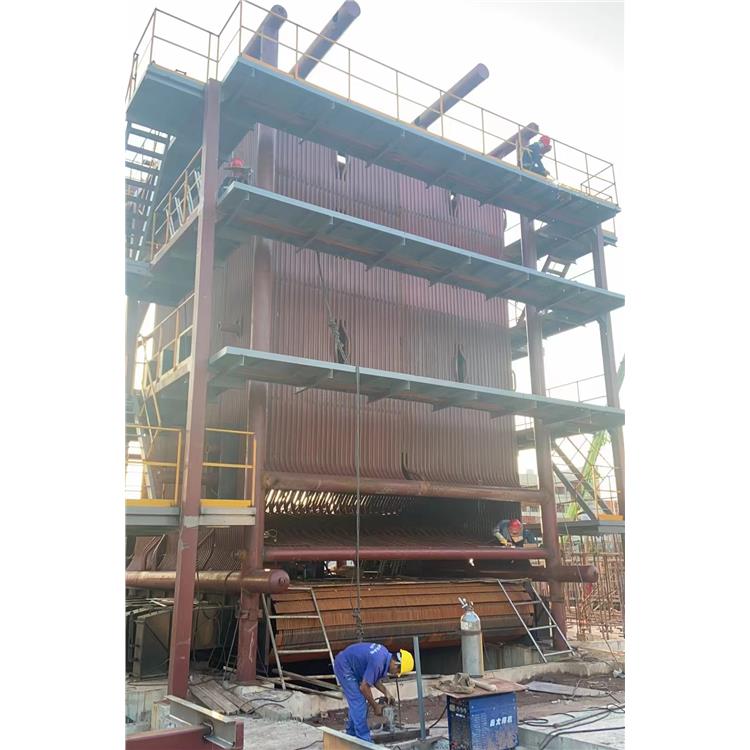

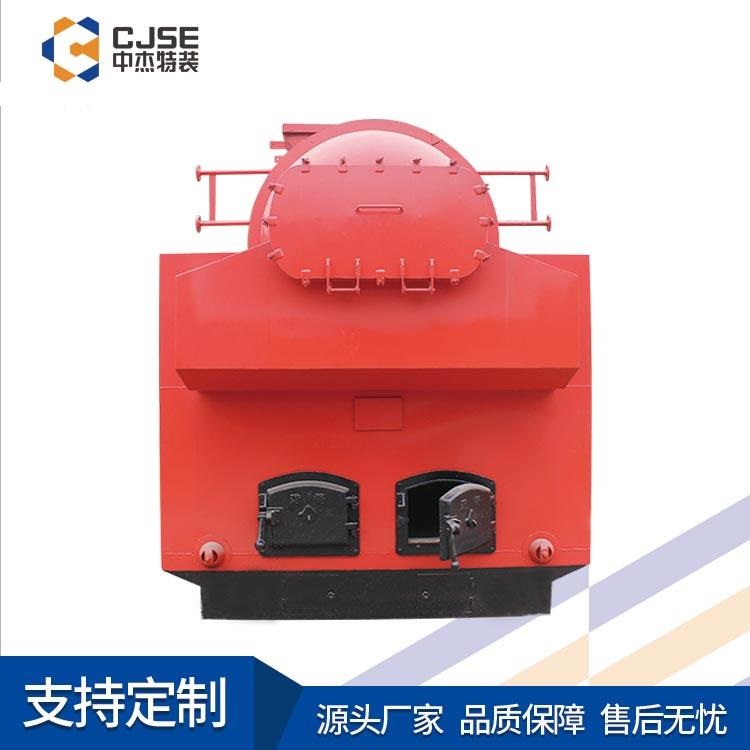
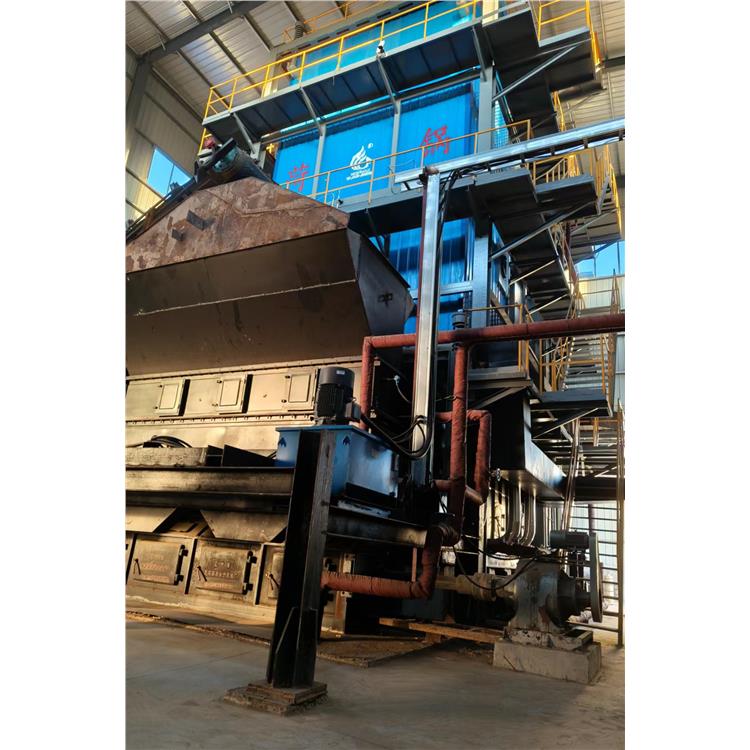


















Shandong Zhongjie Special Equipment (formerly Heze Boiler Factory Co., Ltd.) was established in 2001, located at No. 2218 Jinnan Road, Development Zone, Heze City, with a registered capital of 50 million yuan and total assets of 500 million yuan. The company has 7 business centers: boilers, deep-freezing containers, pressure vessels, central air conditioning, engineering installation, international trade, and Internet of Things. It has three factory sites on Jinnan Road, East Changjiang Road, and Bohai Road, covering a total of 200,000 square meters, with the main workshop spanning 83,000 square meters. It currently employs 710 people, including 247 engineers and technicians, and 82 intermediate-level technical personnel. In December 2016, it was recognized as a "High-Tech Enterprise" by the Science and Technology Department. In June 2021, it was identified as a "Specialized and New Enterprise in Shandong Province" by the Department of Industry and Information Technology. In June 2022, it was recognized as a "Gazelle Enterprise in Shandong Province" and in August 2022, it was identified as a "Specialized and New Small Giant Enterprise" by the Ministry of Industry and Information Technology.
Biomass boiler pellets are a common form of biomass fuel, also known as biomass pellets or wood pellets. They are small granular fuels produced by processing biomass raw materials (such as wood chips, straw, wheat straw, fruit shells, etc.) through processes like crushing, drying, and compression.
Biomass boiler pellet fuel features the following characteristics:
High Energy Density: Biomass pellet fuel boasts a high energy density, allowing for more energy to be stored in a relatively smaller volume, making it convenient for transportation and storage.
Easy to Burn: Biomass pellet fuel has regular shape and uniform size, ensuring a stable combustion process, easy control of combustion parameters, and improved combustion efficiency.
Low humidity and low ash content: The biomass pellet fuel has been dried and processed, resulting in low humidity and relatively low ash content. This reduces water evaporation and ash production during combustion, benefiting the improvement of combustion efficiency and the reduction of pollutant emissions.
Renewable and Eco-Friendly: Biomass pellets are a renewable energy source, capable of being recycled through the regeneration process. The carbon dioxide released during combustion can be absorbed by the biomass for regeneration, forming a cycle with minimal environmental impact.
Wide燃烧 adaptability: Biomass pellet fuel is suitable for biomass boilers and has strong combustion adaptability. Different types and specifications of pellet fuels can be chosen according to actual conditions to meet the needs of various boilers.
Biomass pellets are widely used in biomass boilers, representing a clean and renewable energy source that is crucial for reducing carbon emissions and protecting the environment.
Control methods for biomass boiler combustion systems can include the following aspects:
Fuel Supply Control: Regulate the supply quantity and speed of biomass fuel to ensure a stable fuel supply. This can be achieved by adjusting the feed rate sensor's speed or switching it on/off.
Air Supply Control: Adjusts the amount of air supplied during the combustion process to ensure complete fuel combustion. This can be achieved by regulating the fan's speed or switching it on/off.
Combustion Temperature Control: Monitors and adjusts the temperature within the combustion chamber based on set values. The combustion temperature can be controlled by adjusting the air supply or fuel supply to the combustion chamber.
Combustion Process Monitoring: Monitors parameters during the combustion process, such as combustion temperature and pressure inside the combustion chamber, to real-time monitor the combustion status and adjust accordingly based on the monitoring results.
Oxygen Content Control: By monitoring the oxygen level within the combustion chamber and adjusting it according to set values, full combustion of the fuel is ensured. This can be achieved by installing an oxygen sensor and adjusting the air supply.
Dust Removal System Control: Manages the operation of dust removal equipment, promptly burning off ash in the combustion chamber to ensure combustion efficiency and the normal operation of the system.
Above are some common control methods for biomass boiler combustion systems. Specific control strategies and methods may vary depending on different boiler models and system designs.
Biomass boiler combustion has the following energy-saving characteristics compared to traditional fuel boilers:
Combustion: The combustion technology and design of biomass boilers enable the combustion of biomass fuel. Compared to traditional fuel boilers, biomass boilers have higher combustion efficiency, allowing for more energy from the fuel to be utilized, thereby reducing energy waste.
Heat Recovery Utilization: Biomass boilers are equipped with a heat recovery system that can utilize the excess heat generated by combustion for the heating system, enhancing energy efficiency. In traditional fuel boilers, the heat from flue gas is often wasted, but biomass boilers can recover and utilize the heat energy from flue gas, reducing energy waste.
Renewable Energy Utilization: Biomass boilers utilize renewable biomass fuels such as wood chips, straw, and discarded crops, reducing reliance on finite fossil fuel resources. Compared to traditional fuel boilers, biomass boilers have a more sustainable fuel source and can achieve sustainable energy use.
Reduced Carbon Emissions: The combustion of biomass fuel produces lower carbon emissions compared to traditional fuel boilers, resulting in reduced carbon emissions from biomass boilers. The use of biomass boilers can decrease greenhouse gas emissions, making them more environmentally friendly.
Waste Utilization: Biomass boilers can use agricultural by-products such as crop straw, wood waste, etc. as fuel, effectively utilizing waste resources and reducing resource waste. Compared to traditional fuel boilers, biomass boilers have a more diverse fuel source and can achieve effective utilization of waste.
Biomass boilers promote environmental protection in the following aspects:
Renewable Energy Utilization: Biomass boilers use biomass fuels such as wood chips, straw, wheat straw, fruit shells, etc., which are renewable resources. Compared to fossil fuels, biomass fuels emit less carbon dioxide during combustion, resulting in a smaller impact on climate change.
Reducing greenhouse gas emissions: The carbon dioxide produced during the combustion process of biomass boilers can be reabsorbed through the regeneration process of biomass, forming a cycle. This can reduce greenhouse gas emissions and have a cumulative effect on slowing down climate change.
Low Pollution Emissions: The combustion process of biomass boilers produces flue gases with relatively low levels of pollutants. Through reasonable combustion adjustment and auxiliary pollution control equipment such as dust collectors and nitrogen oxide control devices, emissions of pollutants like particulates and nitrogen oxides in the flue gases can be further reduced.
Recycled Waste Utilization: Biomass boilers can use waste and by-products as fuel, such as crop straw, wood processing waste, etc. This facilitates the recycling of waste, reducing the problems of waste storage and disposal.
Energy Efficiency Enhancement: The combustion process of biomass boilers can be optimized through technologies such as heat recovery and waste heat utilization, thereby improving energy utilization efficiency. This aids in reducing energy consumption and diminishing reliance on conventional energy sources.
Overall, biomass boilers, as a renewable energy utilization technology, offer advantages such as low carbon and pollution emissions, as well as waste recycling, which positively promote environmental protection and sustainable development.
Shandong Zhongjie Special Equipment, welcome customers to visit our factory for business discussions.
WeChat Official Account

Scan to follow Official Account



















