


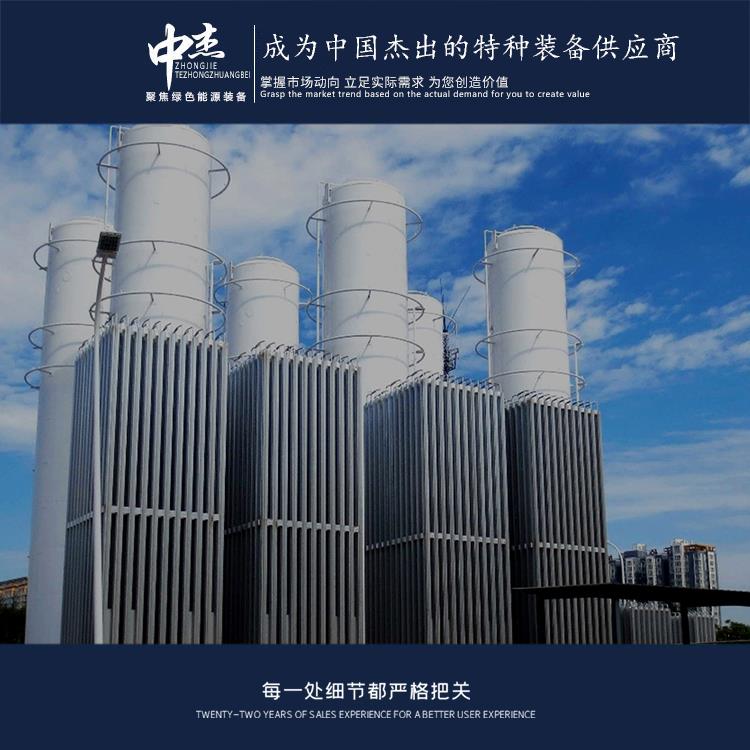

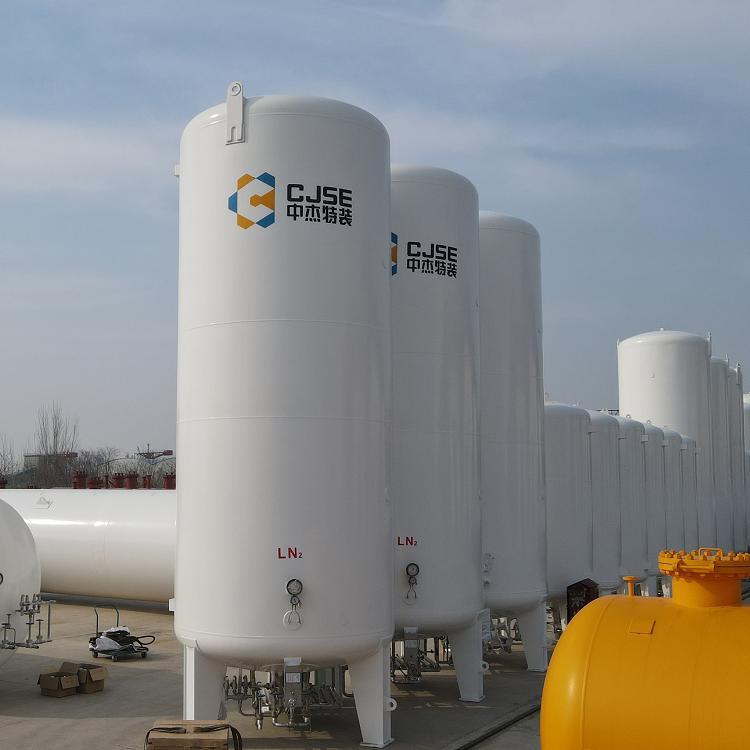
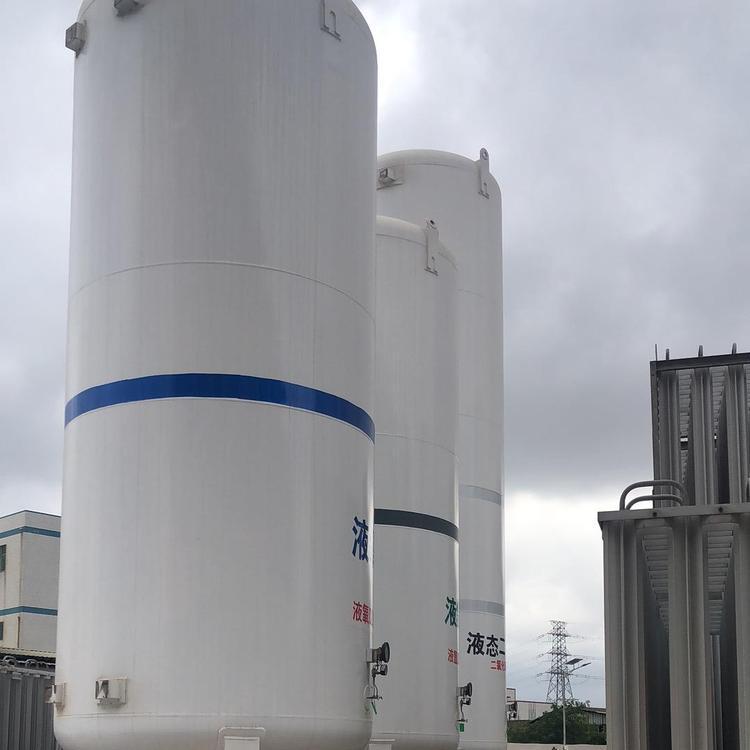


















Shandong Zhongjie Special Equipment's main products include: fuel (gas) boilers, organic heat carrier boilers, biomass boilers, waste heat recovery boilers, and other boiler products; vacuum insulated cryogenic pressure vessels such as LNG storage tanks, oxygen/nitrogen/argon storage tanks, and CO2 storage tanks; pressure vessel products like denitrification engineering equipment, heat storage and energy storage equipment, and complete chemical equipment sets; central air conditioning and ventilation equipment such as ground (water) source heat pumps, air source units, water-cooled screw units, and air-cooled modular units. Planned products include large-scale energy centers, LNG transport vehicles, LNG tank containers, and other green energy equipment.
The reason for occasional venting of liquid oxygen tanks is primarily to maintain the safe pressure range within the tank and prevent excessive pressure buildup. Here are several scenarios where liquid oxygen tanks may vent occasionally:
Pressure Control: During the operation of the liquid oxygen storage tank, due to the evaporation of liquid oxygen and temperature changes, the pressure inside the tank will fluctuate. To maintain a safe pressure range within the tank, regular venting is required to control the tank's pressure within the safe limits.
Prevent Overpressure Accumulation: During the oxygen filling or usage process, the liquid oxygen tank may experience excessive pressure due to external factors or operational errors, which can exceed the safe pressure limit. To prevent overpressure accumulation, timely venting is required to alleviate the pressure within the tank.
Prevent Gas Accumulation: Liquid oxygen tanks may contain some gas impurities, such as air and water vapor. At the low temperatures of liquid oxygen, these gases can condense into liquids or solids, blocking pipelines or affecting the normal operation of the tank. Regularly releasing gas can expel these impurities, maintaining cleanliness and unobstructed flow within the tank.
It is crucial that the discharge operation of liquid oxygen be conducted by authorized personnel, strictly adhering to the relevant operational procedures and safety measures. During the discharge process, attention must be given to prevent leaks of liquid oxygen and contact with it, ensuring the safety and reliability of the operation.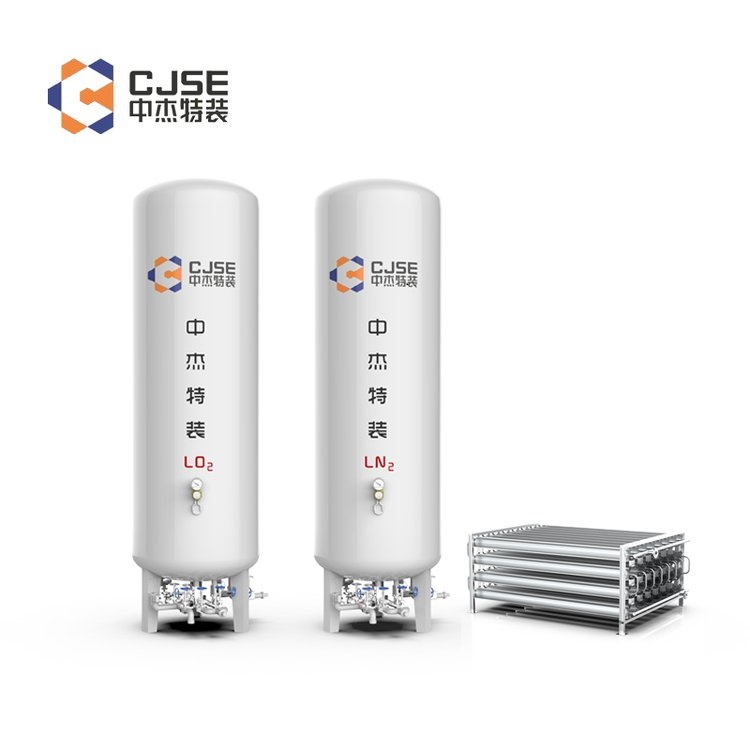
Proper maintenance and precautions are crucial for liquid nitrogen tanks. Here are some key points:
Maintenance:
Regular Inspections: Regularly inspect the appearance, valves, pipelines, and other components of the liquid nitrogen tank to ensure they are in perfect condition. Pay special attention to check for any leaks, corrosion, or other damage.
Clean Storage Tanks: Regularly clean liquid nitrogen storage tanks to remove internal dirt and sediments. Use appropriate cleaning agents and tools, and follow the cleaning procedures and safety operational guidelines.
Liquid Nitrogen Refill: Refill liquid nitrogen regularly as needed. Ensure that there is an adequate supply of liquid nitrogen in the storage tank to meet usage requirements.
Maintain Pressure: Regularly inspect the liquid nitrogen tank's pressure to ensure it remains within the safe range. Conduct pressure tests and adjustments as necessary.
Corrosion Prevention: Based on the material and operating environment of the storage tank, appropriate corrosion prevention measures are taken to extend the service life of the tank. For instance, applying corrosion-resistant coatings and conducting regular corrosion prevention treatments.
Cautionary Notes:
Safe Operation: When using liquid nitrogen tanks, strict adherence to safety operating procedures and standards is mandatory. Operators must be trained, familiar with the properties of liquid nitrogen and safety operation requirements, and acquainted with the tank equipment and operational procedures.
Protection Measures: When using liquid nitrogen tanks, it is essential to take necessary protective measures, such as wearing protective gloves and suits. Avoid direct contact with liquid nitrogen to prevent frostbite.
Leak Control: Regularly inspect the liquid nitrogen storage tank for leaks and equip with leak detectors and alarm systems. In case of a leak, immediate measures should be taken to control the leak and carry out repairs.
Ventilation Requirements: In enclosed spaces where liquid nitrogen storage tanks are in use, it must be ensured that there is adequate ventilation.
When storing liquid nitrogen in low-temperature storage tanks, be mindful of the following points:
Protective Gear: When operating low-temperature storage tanks, it is mandatory to wear appropriate protective gear, including gloves, protective clothing, and non-slip shoes. This gear safeguards the skin from the low temperatures of liquid nitrogen and other hazards.
Avoid direct contact: Liquid nitrogen is extremely cold and can cause frostbite. Hence, it is essential to avoid direct contact with liquid nitrogen, particularly with the skin. Use tools or equipment for handling, and prevent hands from coming into direct contact with liquid nitrogen.
Ventilation Requirements: In the operational area of low-temperature storage tanks, adequate ventilation must be maintained to expel gases produced by the evaporation of liquid nitrogen. Ensure air circulation to avoid excessive oxygen concentration, reducing the risk of fire and explosion.
Prevent Leaks: Regularly inspect low-temperature storage tanks for leaks and equip with leak detectors and alarm systems. In the event of a leak, take immediate action to control and repair it. Avoid leaks of liquid nitrogen causing harm to personnel and the environment.
Fire Prevention Measures: Liquid nitrogen has a low boiling and freezing point, which is prone to causing fires. Measures such as setting up fire barriers around low-temperature storage tanks and using fire-retardant coatings are taken to prevent fires from occurring and spreading.
Electrostatic Protection: Electrostatic buildup in low-temperature storage tanks may cause sparks, increasing the risk of fire. Measures should be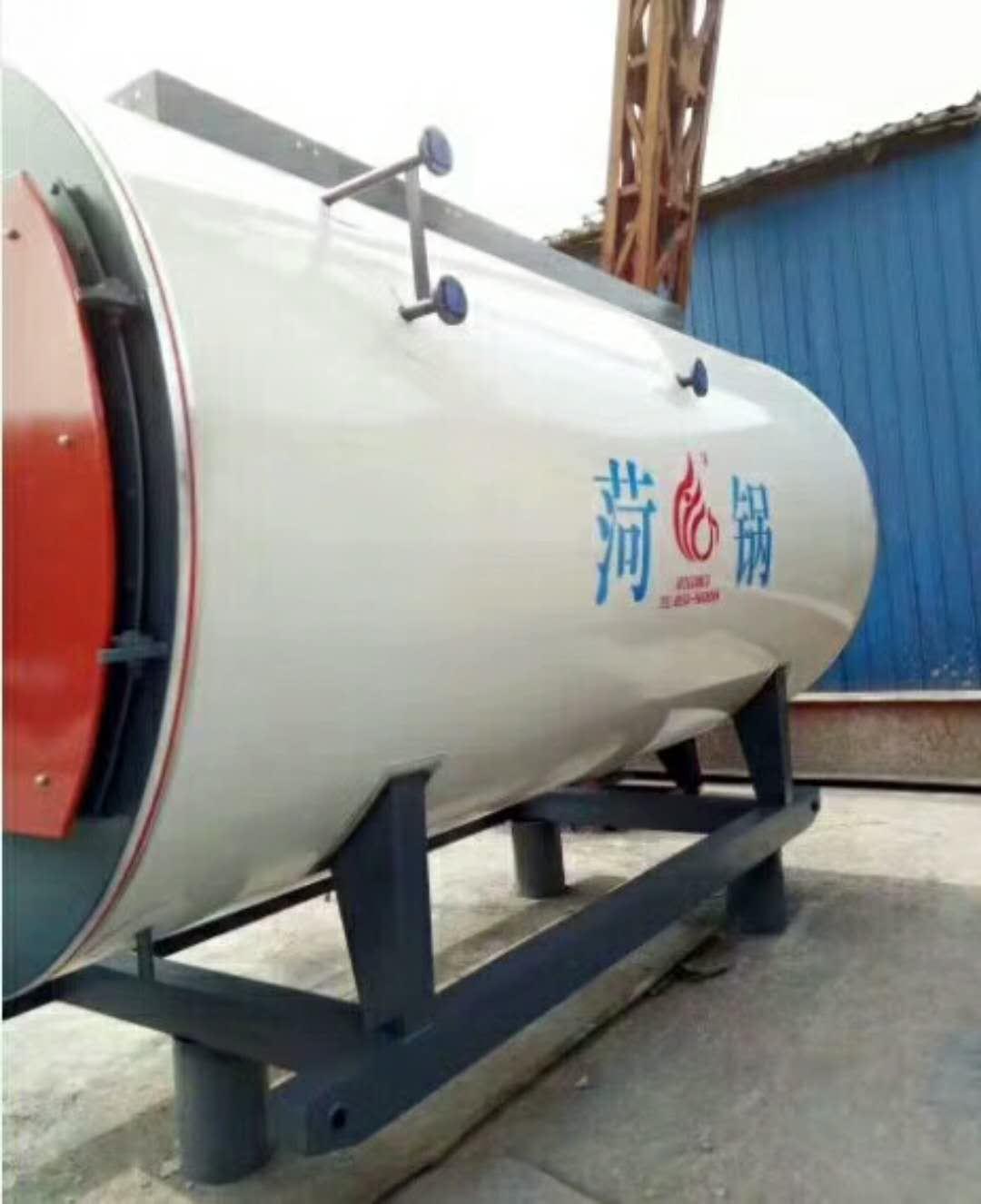
Liquid Oxygen Storage Tanks are equipment used for storing liquid oxygen. Liquid oxygen is the liquid form obtained by cooling oxygen below its boiling point and is commonly used in various fields such as medical, industrial production, and equipment. These tanks are typically made of high-strength materials like stainless steel to ensure they can withstand the low temperatures and high pressures of liquid oxygen. The interior often features insulation to minimize evaporation and maintain the low temperature of the liquid oxygen. The design and manufacturing of liquid oxygen storage tanks must consider safety and reliability to prevent leaks and explosions. Strict operational procedures and safety standards must be followed when using these tanks to ensure the safety of personnel and equipment. The development and manufacturing of liquid oxygen storage tanks are handled by engineers and technical teams, involving knowledge and technology from fields such as materials science, mechanical engineering, and chemical engineering. Different manufacturers may use different design and manufacturing methods to meet the diverse needs and application scenarios of users.
Our company places great importance on technological innovation and R&D design. We have one municipal-level enterprise technology center in Heze City, equipped with testing facilities for non-destructive testing, physical and chemical testing, welding testing, hydrostatic testing, etc. We have over 600 various instruments and equipment, including CNC machine tools, X-ray flaw detectors, digital ultrasonic flaw detectors, mechanical property testing machines, chemical analyzers, spectrometers, tensile testing machines, plasma welding machines, and more. The key products we have developed, such as welding technology for temperature and pressure vessels, emissions reduction for biomass boilers, and waste heat recovery, have successively been selected for multiple Shandong Provincial Department of Industry and Information Technology science and technology projects, Shandong Provincial key projects, and Heze City innovative and excellent projects. We have accumulated 27 authorized utility models, 16 authorized inventions, participated in drafting 2 standards, 2 industry standards, and registered 15 trademarks. Our technical team, in collaboration with Professor Yajiang Li from Shandong University, has developed deep cryogenic container processing technology using the international plasma arc + filler wire tungsten inert gas arc welding (PAW-GTAW) technology. This technology has been appraised as reaching international standards in the field of deep cryogenic container manufacturing at the provincial level. Choose Zhongjie Special Equipment, and let's create brilliance together!
WeChat Official Account

Scan to follow Official Account



















