


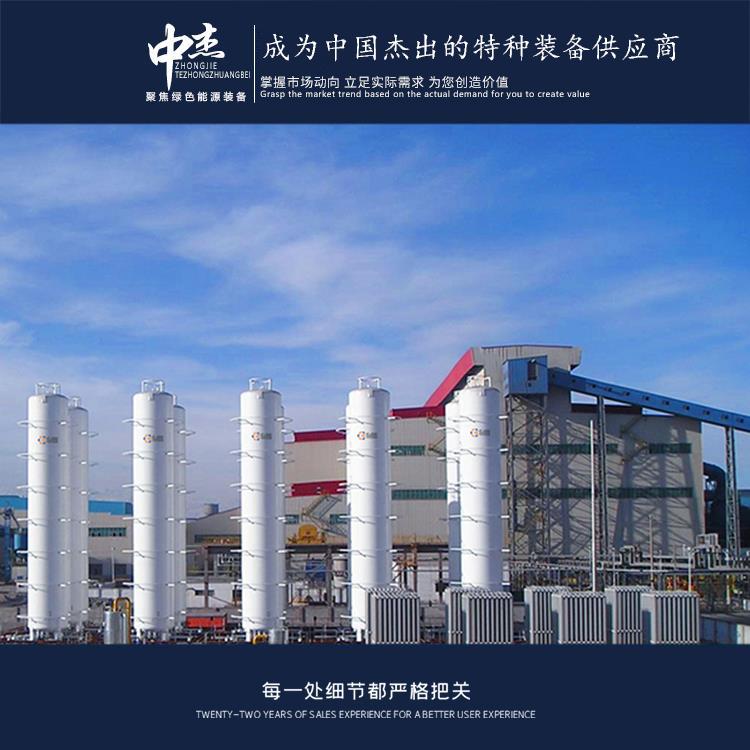

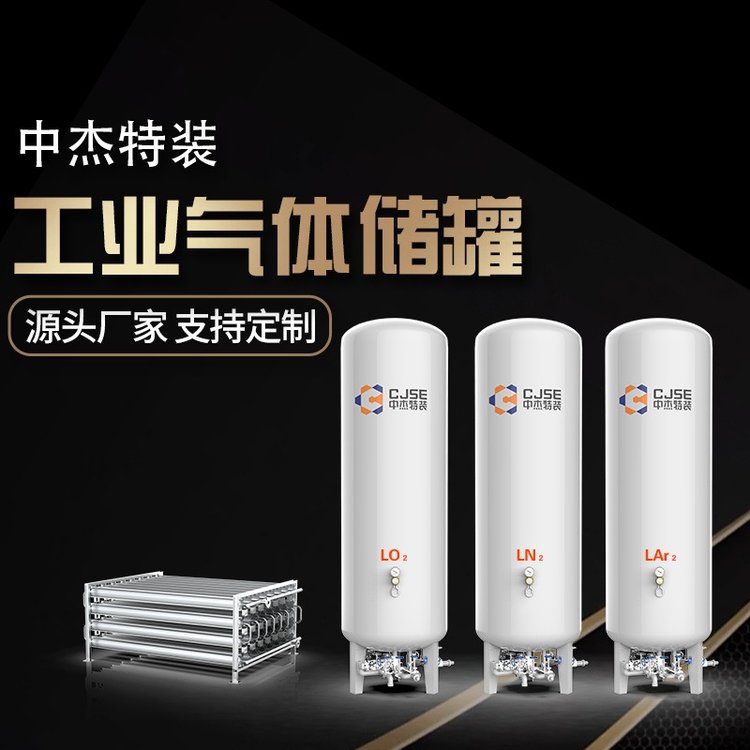
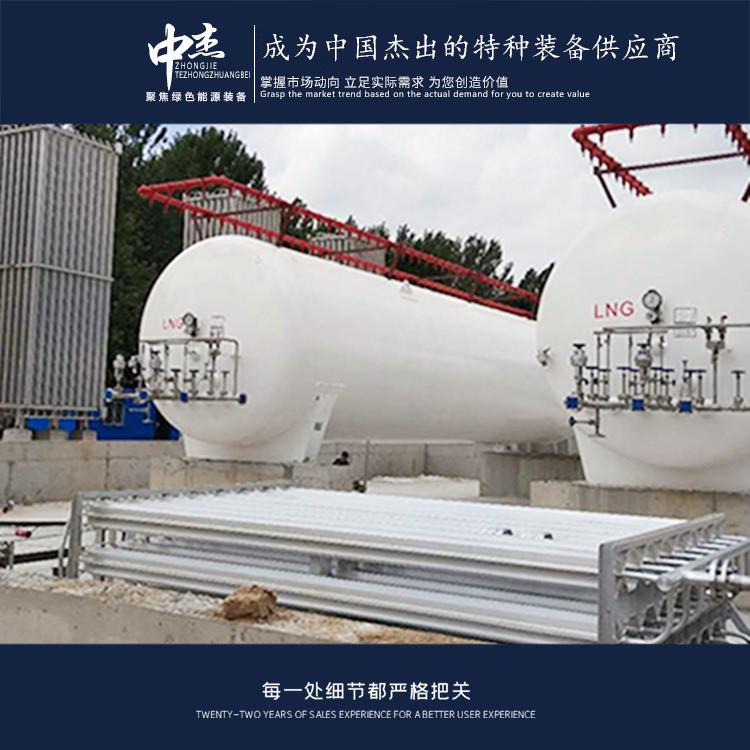


















Shandong Zhongjie Special Equipment (formerly Heze Boiler Factory Co., Ltd.) holds an A-grade boiler manufacturing license, A2-grade pressure vessel manufacturing license, A2-grade pressure vessel design license, B-grade boiler installation, and GB2/Class, GC2/Class pressure pipeline installation licenses, as well as mechanical and electrical equipment installation contracting qualifications. It is a member of the China Boiler and Water Treatment Association, the China Chemical Equipment Association, and the理事 unit of the Shandong Equipment Manufacturing Association. The company has also passed certifications for the ISO9001 Quality Management System, ISO14001 Environmental Management System, OHSAS18001 Occupational Health and Safety Management System, and the American ASME/U2 certification.
During the welding process of low-temperature liquid storage tanks, controlling the occurrence of welding cracks is crucial. The following are some methods and measures for controlling welding cracks:
Appropriate Welding Process: Select the appropriate welding process and parameters to reduce welding heat input and thermal stress. Methods with low heat input, such as pulse welding and laser welding, can lower the temperature gradient and residual stress in the焊接 heat-affected zone.
Preheat and Post-heat Treatment: Perform an appropriate preheat before welding to enhance material toughness and reduce thermal stress. Conduct a suitable post-heat treatment, such as annealing or stress-relief heat treatment, after welding to minimize residual stress and improve the toughness of the weld.
Select appropriate welding materials: Choose welding materials with good toughness and crack resistance to minimize the occurrence of welding cracks. Select suitable welding materials, such as low-alloy steel, stainless steel, etc., based on the storage tank's usage conditions and requirements.
Control Welding Process: Regulate parameters and operations during welding to minimize the risk of welding cracks. Pay attention to factors such as welding speed, current, voltage, and welding sequence to avoid overheating or rapid welding, thereby reducing the accumulation of thermal stress and residual stress.
Inspection and Evaluation: Conduct non-destructive tests on welds after welding, such as ultrasonic testing, X-ray testing, etc., to assess welding quality and the presence of cracks. Detect and repair welding cracks promptly to ensure the integrity and safety of the焊接 joints.
It's important to note that controlling welding cracks is a complex process that requires considering various factors, such as materials, welding techniques, and operations. When welding low-temperature liquid storage tanks, it's advisable to consult with a welding engineer or relevant institutions for guidance to ensure welding quality and the safety of the tank.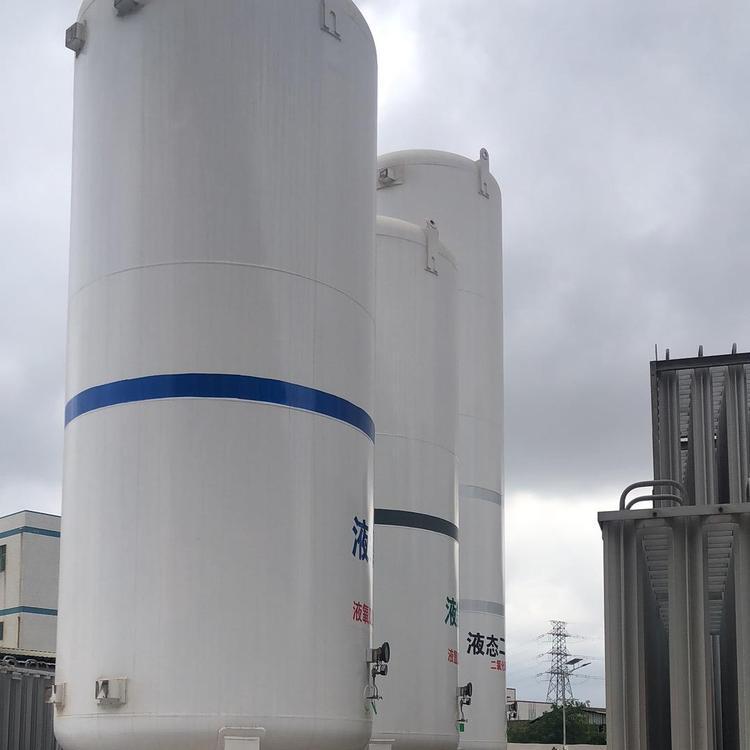
Routine inspections and maintenance of liquid oxygen storage tanks are crucial for ensuring their safe operation. The following are general steps for the daily inspection and maintenance of liquid oxygen storage tanks:
Appearance Inspection: Regularly inspect the tank's exterior, including the shell, welds, valves, and fittings. Pay attention to any abnormal conditions such as cracks, corrosion, or deformation.
Leak Detection: Utilize suitable leak detection equipment to inspect tanks and connections for leaks. Leak detection methods such as gas detectors or liquid oxygen sensors can be employed.
Pressure Testing: Regularly conduct pressure tests to inspect the tank's sealing and pressure resistance. Perform pressure tests according to relevant standards and regulations, and record the test results.
Valve and fitting inspection: Check that the tank's valves and fittings are operating properly and for any signs of loosening or damage. Ensure the valves open and close smoothly and reliably.
Insulation Layer Inspection: Verify that the tank's insulation is intact and free of damage or detachment. Repair or replace any damaged insulation materials to ensure effective insulation.
Cleaning and Drainage: Regularly clean the interior of the tank to remove accumulated impurities and dirt. Regularly drain to prevent contaminants and sediments in liquid oxygen from damaging the tank.
Safety Equipment Inspection: Check the safety equipment around the storage tank, such as fire separation areas and alarm systems, to ensure they are functioning properly.
Record and Document Management: Record the results of each inspection and maintenance, including the inspection date, content, identified issues, and corrective measures. Establish comprehensive management records and documents for tracking and managing the tank's operational status.
Note that inspections and maintenance of liquid oxygen tanks should be conducted by trained personnel and in accordance with relevant specifications and standards. Ensure safety during maintenance and operation, and consult experts for accurate guidance.
To extend the service life of liquid argon storage tanks, the following measures can be taken:
Regular inspections and maintenance: Conduct regular visual inspections of liquid argon tanks, check valves and fittings, and perform leak detection and pressure tests. Promptly identify and repair any potential issues to ensure the normal operation of the tank.
Maintain Insulation: The insulation layer is crucial for the thermal preservation of liquid argon tanks. Regularly inspect the integrity and insulation performance of the insulation layer, repair or replace damaged insulation materials to ensure the tank's insulation effectiveness.
Regulate Liquid Argon Temperature: Maintain the temperature of liquid argon within an appropriate range to prevent damage to the storage tank from excessive or low temperatures. Implement suitable cooling or heating measures to ensure stable liquid argon temperature.
Corrosion Protection: The outer shell and internal structure of the liquid argon tank should be protected against corrosion and oxidation. Regular inspections and maintenance of the protective coating are required to ensure its integrity.
Avoid excessive pressure and overfilling: Prevent the internal pressure of the tank from being too high or too low, as well as overfilling with liquid argon. Excessive pressure and overfilling can lead to structural rupture or damage to the tank.
Regular Cleaning and Drainage: Perform regular internal tank cleaning to remove accumulated impurities and dirt. Regularly drain to prevent contaminants and sediments in liquid argon from damaging the tank.
Safe Operation and Training: Ensure operators are knowledgeable and skilled in the safe handling of liquid argon tanks. Strengthen safety training to enhance operator awareness and emergency response capabilities.
Manage records and documents: Establish comprehensive management records and documents, including the usage of storage tanks, inspection logs, maintenance records, etc. Regularly review and update the management records to ensure the safety management and maintenance of the storage tanks.
These measures can help extend the service life of liquid argon storage tanks, but specific operations and management should be tailored to the type and application of the tank. When performing maintenance and operation, follow relevant regulations and standards, and consult with experts to ensure safety and effectiveness.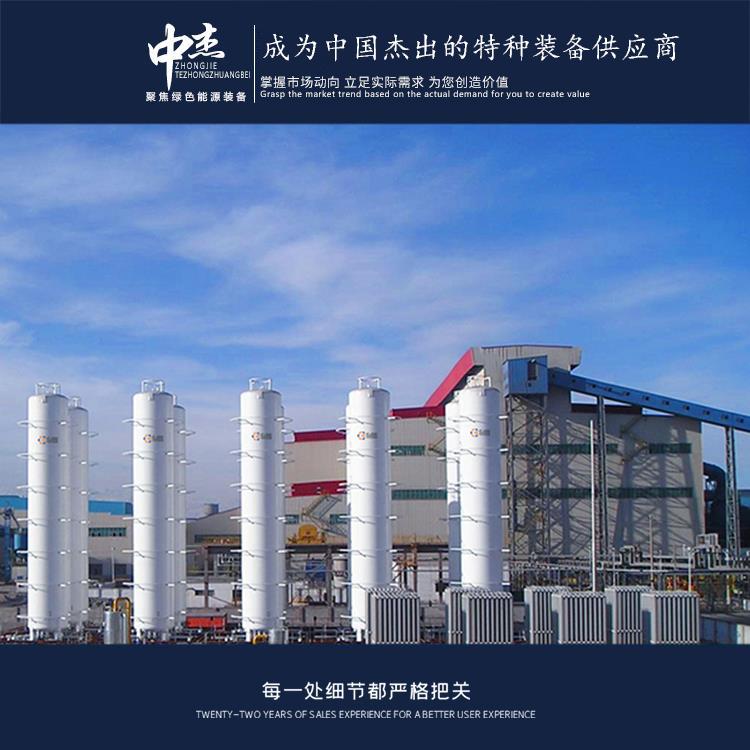
Daily inspection contents for liquid nitrogen tanks mainly include the following aspects:
Appearance Inspection: Check for any obvious damage, deformation, or corrosion on the tank's exterior, including the tank wall, valves, pipes, and joints.
Sealability Inspection: Verify the tank's sealing performance, including checking for leaks at valve and pipe connections, and ensuring the tank's exhaust valve and safety valve are functioning properly.
Pressure Check: Verify that the tank's pressure gauge is functioning properly and that the pressure is within the normal range to ensure the tank operates normally.
Level Check: Monitor the liquid nitrogen tank's level to ensure it remains within the normal range, preventing issues caused by overfilling or underfilling.
Insulation Layer Inspection: Check for any damage or detachment in the storage tank's insulation layer to ensure proper insulation and reduce evaporation losses of liquid nitrogen.
Leakage Inspection: Check for signs of liquid nitrogen leakage around the tank, including frost, ice, or liquid nitrogen stains on the ground.
Safety Equipment Inspection: Verify that the storage tank's safety equipment, such as leak detectors, alarm systems, and safety valves, are functioning properly to ensure the tank's safety.
Cleaning Inspection: Regularly clean the interior of tanks to remove accumulated impurities and dirt, maintaining cleanliness and sanitation.
The above lists the key daily inspections for liquid nitrogen tanks. The specific inspection items should be adjusted and supplemented based on the tank's model, usage, and relevant regulations. During the inspection process, strict adherence to operational procedures and safety standards is required to ensure the safe operation of the tank.
Shandong Zhongjie Special Equipment, welcome clients for factory discussions and cooperation.
WeChat Official Account

Scan to follow Official Account



















