


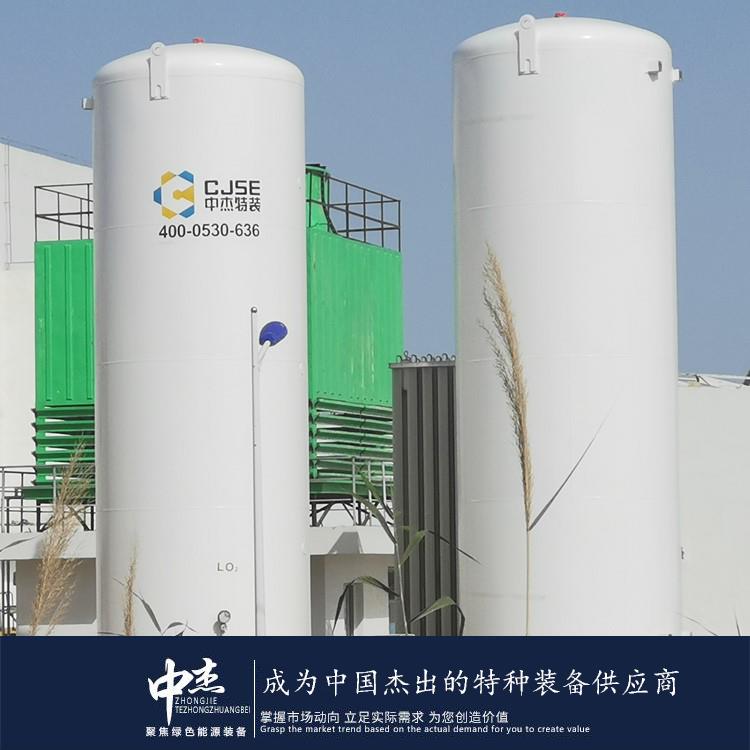

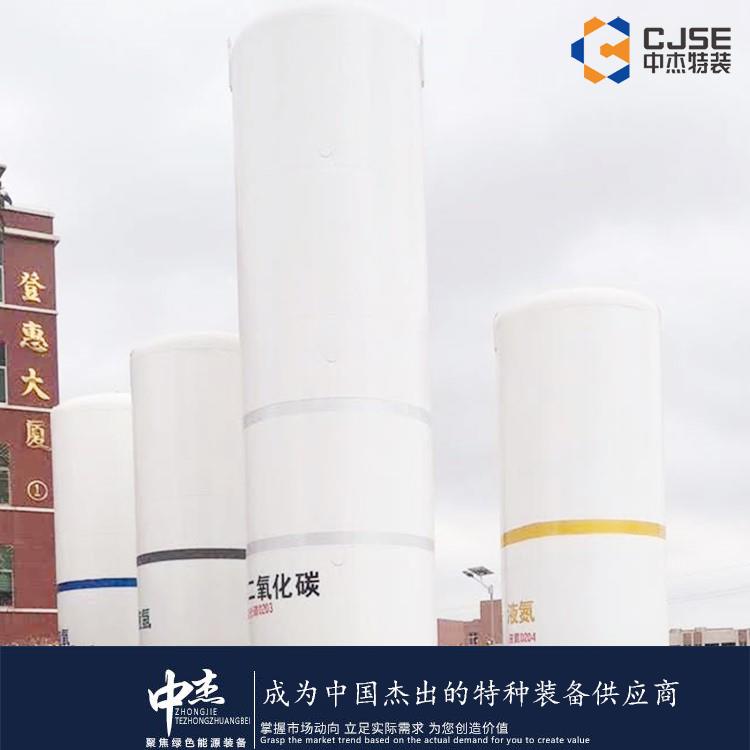
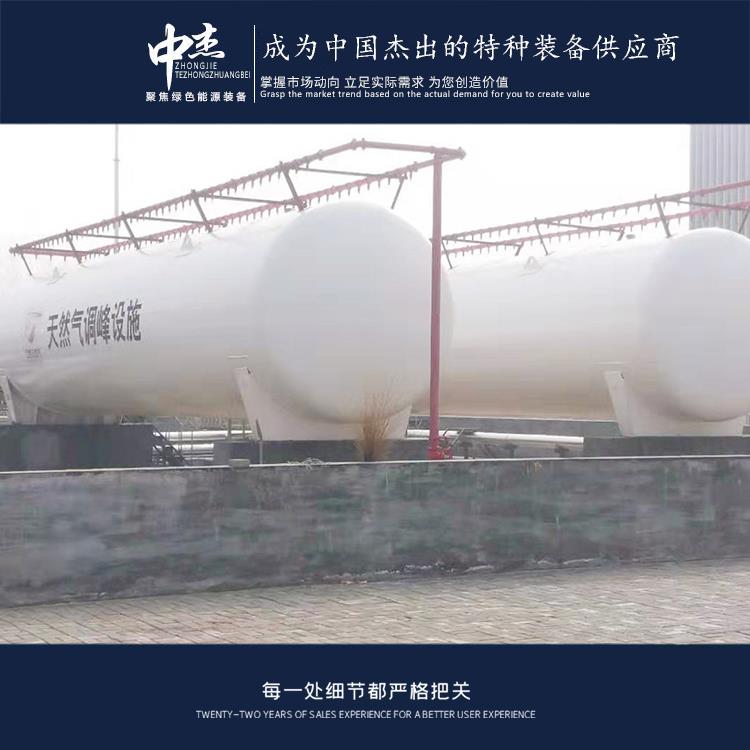


















Shandong Zhongjie Special Equipment's main products include: fuel (gas) boilers, organic heat carrier boilers, biomass boilers, waste heat recovery boilers, and other boiler products; vacuum insulation cryogenic pressure vessels such as LNG tanks, oxygen/nitrogen/argon tanks, and CO2 tanks; pressure vessel products like denitrification engineering equipment, heat storage and energy storage equipment, and complete chemical equipment; central air conditioning and HVAC equipment such as ground (water) source heat pumps, air source units, water-cooled screw units, and air-cooled modular units. Planned products include large-scale energy centers, LNG transport vehicles, LNG tank containers, and other green energy equipment.
The reasons for not leaving a carbon dioxide tank empty for long periods are mainly as follows:
1. Safety Risks: Carbon dioxide is a high-pressure gas and remains in a liquid state only when maintained at a certain pressure inside the tank. If carbon dioxide is released into the atmosphere over a long period, the tank's pressure may drop, potentially causing structural failure or explosion, posing safety risks.
2. Resource Wastage: Carbon dioxide is a valuable resource with extensive applications in industry and other fields. Leaving the carbon dioxide tank empty for long periods is wasteful and goes against the principles of sustainable development.
3. Environmental Impact: Carbon dioxide is a greenhouse gas, and long-term emptying of the tank increases atmospheric carbon dioxide concentration, exacerbating climate change and environmental issues.
Therefore, to ensure safety, conserve resources, and protect the environment, carbon dioxide tanks should be used and managed according to specified procedures and requirements, avoiding long-term emptying. When carbon dioxide inside the tank is no longer needed, appropriate disposal methods should be adopted, such as recycling, reuse, or safe emissions.
The key features of carbon dioxide storage tanks mainly include the following aspects: High storage density: Carbon dioxide storage tanks can compress carbon dioxide gas into a liquid state, significantly increasing storage density. Compared to storing in its gaseous state, liquid carbon dioxide can store more CO2 in relatively smaller tanks, saving space and costs. Stable storage and supply: Carbon dioxide storage tanks ensure stable storage and supply of the gas. Through tank design and control systems, accurate measurement and supply of CO2 can be achieved, meeting various industrial and application needs. Environmental friendly and renewable: Carbon dioxide is an environmentally friendly gas, and its increase in the atmosphere contributes to warming and climate change. By storing and utilizing CO2, its emissions to the atmosphere can be reduced, promoting environmental protection and sustainable development. Safe and reliable: During design and manufacturing, carbon dioxide storage tanks typically use high-strength materials (such as carbon steel or stainless steel) with good pressure resistance and safety. The tanks are usually equipped with safety valves, pressure gauges, level indicators, and other accessories to ensure safe operation. Additionally, carbon dioxide is a non-flammable, non-explosive gas, making it relatively safe. Wide range of applications: Carbon dioxide storage tanks are widely used in multiple fields, including the food and beverage industry, manufacturing, fire suppression, and gas supply. CO2 can be used as a food preservative, beverage carbonation agent, gas, and fire extinguisher, with a broad range of uses and market demand. In summary, the definitive features of carbon dioxide storage tanks encompass high storage density, stable storage and supply, environmental friendliness and renewability, safety and reliability, and a wide range of applications. This makes carbon dioxide storage tanks a vital asset.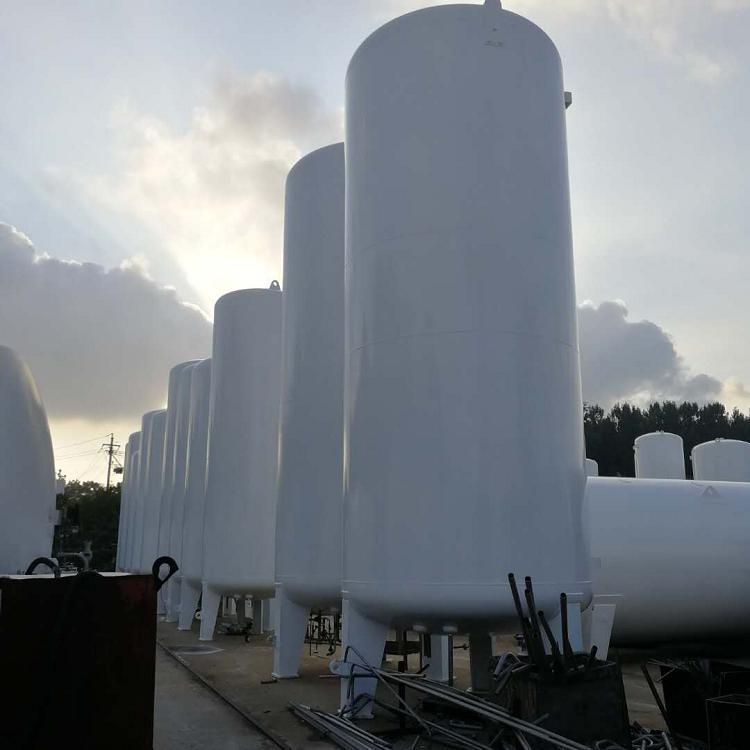
The installation of a safety valve on a CO2 storage tank is a crucial measure to ensure the tank can safely release pressure in case of overpressure. The following are general installation steps:
1. Selecting the Appropriate Safety Valve: Choose a suitable safety valve based on the tank's design pressure and flow requirements. Ensure the rated pressure and flow of the safety valve meet the tank's specifications.
2. Installation Location: Select a proper location for the safety valve, typically on the top or side of the tank. Ensure the safety valve can discharge pressure smoothly and is not obstructed by other equipment or structures.
3. Preparations: Clean the tank surface at the installation location to ensure there are no debris or dirt. Check the sealing integrity of the safety valve and connecting pipes, ensuring no damage or leaks.
4. Installing the Safety Valve: Connect the safety valve to the tank using appropriate fittings and sealing materials. Follow the installation instructions for the safety valve to ensure a secure and reliable connection to the tank.
5. Adjustment and Testing: Adjust and test the safety valve according to its specifications and requirements. Ensure the safety valve operates normally within the set pressure range and can release pressure promptly.
6. Identification and Documentation: Label the safety valve and tank with relevant information, such as the rated pressure and flow of the safety valve, installation date, etc. Record the installation process and test results for future reference and maintenance.
Please note that the installation of a CO2 storage tank safety valve must follow relevant safety operation procedures and standards. If you do not have the necessary knowledge and experience, it is recommended to consult personnel or manufacturers for installation.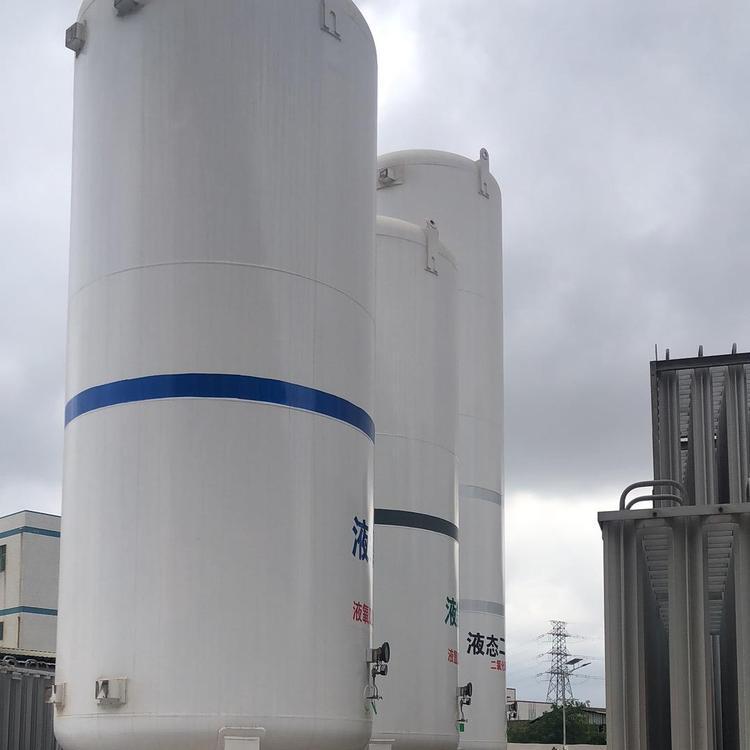
When storing CO2 storage tanks, the following requirements must be adhered to ensure safety and effectiveness:
Ventilation: Tanks should be stored in well-ventilated areas to avoid the accumulation of CO2 gas. Ensure there is sufficient air circulation around the tanks to prevent gas buildup and asphyxiation risks.
Fire and Explosion Prevention: Keep tanks away from fire sources, high-temperature areas, and flammable materials. Avoid open flame operations near tanks to prevent fire and explosion risks.
Sunlight Avoidance: Store tanks in locations shielded from direct sunlight to prevent overheating and pressure increase. Direct sunlight can raise tank temperatures, increasing the risk of leaks and explosions.
Mechanical Damage Prevention: Keep tanks away from machinery and heavy objects to avoid collisions and damage. Mechanical damage can lead to tank leaks or ruptures, causing safety incidents.
Labeling and Warning Signs: Clearly label tanks with information such as the type of gas stored and pressure. Set up warning signs around the tanks to remind personnel of their presence and related safety precautions.
Regular Inspections: Conduct regular inspections of the tank's exterior, valves, and connections to ensure they are intact. Take prompt corrective actions if any abnormalities are detected.
Storage Capacity Control: Control the storage capacity of tanks to prevent exceeding the rated capacity. Overfilling can cause excessive tank pressure, increasing safety risks.
Storage Records: Keep records of tank usage, including filling dates, quantities, and inspection records. Regularly inspect and maintain tanks, and retain relevant records.
Note that specific storage requirements may vary depending on tank types and applications. When storing CO2 tanks, operate according to relevant regulations and standards and consult with experts to ensure safety and effectiveness.
Zhong Jie Special Equipment upholds the great vision of "realizing the dreams of our employees, creating value for our customers, and striving for the prosperity and strength of our motherland," devoting ourselves wholeheartedly to the development of green energy equipment, and contributing high-value products and services to society!
WeChat Official Account

Scan to follow Official Account



















