


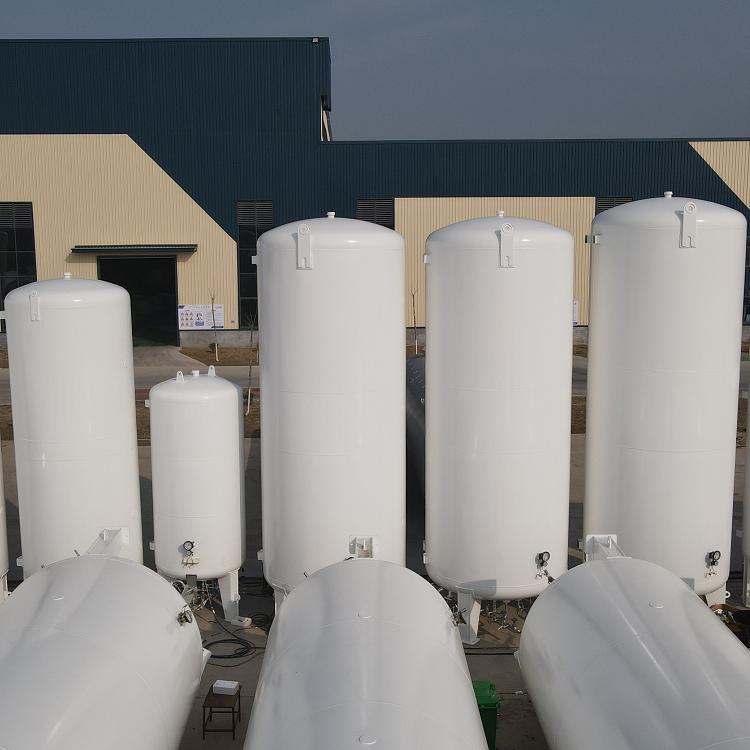

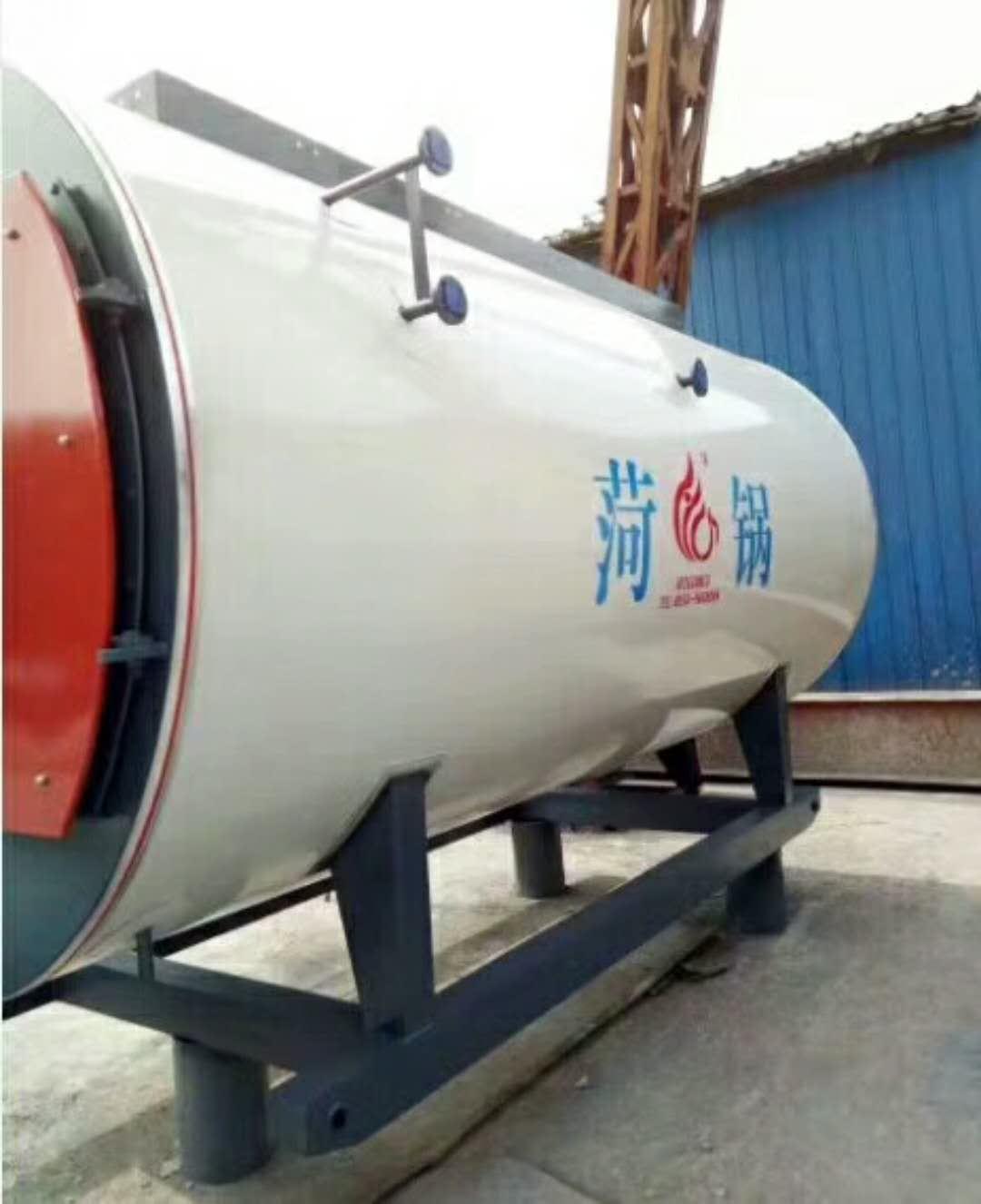


















Shandong Zhongjie Special Equipment (formerly Heze Boiler Factory Co., Ltd.) was established in 2001, located at No. 2218 Jinan Road, Economic and Technological Development Zone, Heze City. With a registered capital of 50 million yuan and total assets of 500 million yuan, the company has seven business centers: boilers, deep-freeze containers, pressure vessels, central air conditioning, engineering installation, international trade, and Internet of Things. It has three manufacturing sites on Jinan Road, East Yangtze Road, and Bohai Road, covering a total area of 200,000 square meters, with the main workshop spanning 83,000 square meters. It currently employs 710 staff, including 247 engineers and technicians, and 82 intermediate-level technicians. In December 2016, it was recognized as a "High-tech Enterprise" by the Science and Technology Department. In June 2021, it was named a "Specialized, Fine, and New Enterprise in Shandong" by the Ministry of Industry and Information Technology. In June 2022, it was identified as a "Gazelle Enterprise in Shandong" and in August 2022, it was recognized as a "Specialized, Fine, and New Small Giant Enterprise" by the Ministry of Industry and Information Technology.
Maintenance and upkeep are crucial for ensuring the safety of low-temperature storage tanks. Here are some common maintenance measures:
Regular Inspections: Conduct regular inspections of the low-temperature storage tanks, including checks of the exterior, internal structure, corrosion-resistant coatings, etc. Look for issues such as cracks, corrosion, and wear, and promptly identify and repair potential safety hazards.
Cleaning and Deicing: Regularly clean the exterior surface and internal structure of low-temperature storage tanks to remove accumulated dirt and ice layers. Ice buildup can lead to structural damage and corrosion; cleaning and deicing can extend the lifespan of the tank.
Level Monitoring: Regularly monitor the liquid level in low-temperature storage tanks to ensure it stays within the safe range. Excessive or insufficient levels can lead to overpressure or over-vacuum in the tank, increasing safety risks.
Leak Detection: Install a leak detection system to regularly check for leaks in low-temperature storage tanks. Leaks can cause liquid or gas leakage and evaporation, increasing safety risks.
Corrosion Protection Measures: Implement appropriate corrosion protection measures, such as coating protection and corrosion-resistant coatings, to safeguard the metal structure of low-temperature storage tanks from corrosion damage.
Emergency Fault Handling: Establish an emergency fault handling mechanism to promptly address and repair issues with low-temperature storage tanks, preventing accidents from occurring or escalating.
Training and Development: Train and develop operations and maintenance personnel to ensure they possess the relevant knowledge and skills for proper operation and maintenance of low-temperature storage tanks.
Note that maintenance should be tailored to the specific type of storage tank and operating conditions, adhering to relevant local laws, regulations, and standards. During maintenance, it's advisable to consult with engineers or guidance from relevant institutions to ensure the tank's safety and reliability.
In pressure vessel design, several common "thickness" parameters need to be considered:
Wall Thickness: Refers to the actual thickness of the pressure vessel wall, i.e., the thickness of the container wall. The selection of wall thickness must consider factors such as the design pressure of the container, the strength of the material, and its corrosion resistance, to ensure the strength and safety of the container.
Bend Allowance: The bend allowance refers to the additional thickness added to the wall thickness during the manufacturing process to ensure the strength and shape of the container's bending section. The calculation and selection of the bend allowance must consider factors such as the container's bending radius and the material's bendability.
Corrosion Allowance: The corrosion allowance refers to the additional thickness added to the wall to counteract the corrosive effects on either the inside or outside of the container. The selection of the corrosion allowance must consider the working environment of the container and the corrosive nature of the medium to ensure the container can withstand corrosion throughout its service life.
These "thickness" parameters play a critical role in pressure vessel design, affecting the container's strength, corrosion resistance, and safety. During the design process, it is necessary to select and calculate these thickness parameters reasonably, based on relevant standards and specifications, in conjunction with the container's usage conditions and requirements, to ensure that the design and manufacturing meet the standards.
Liquid nitrogen tanks are equipment used for storing liquid nitrogen and are widely used in the following fields: Frozen Food and Refrigerated Logistics: Liquid nitrogen tanks are used in the frozen food and refrigerated logistics industry to freeze or refrigerate food and other perishable items, extending their shelf life and maintaining freshness. The low temperature of liquid nitrogen can quickly freeze food, prevent bacterial growth, and prevent food spoilage. : Liquid nitrogen tanks are widely used in the field for cryopreservation of biological samples, cells, tissues, and more. The low temperature of liquid nitrogen can effectively protect the integrity and viability of biological materials, used in fields such as medical research, biomedical engineering, and transplantation. Laboratory Research: Liquid nitrogen tanks are used in scientific research and laboratories to provide liquid nitrogen as a coolant and freezing medium. The low temperature of liquid nitrogen can be used for cooling laboratory equipment, material research, superconducting electronics, and low-temperature physics. Metal Processing and Welding: Liquid nitrogen tanks are used in metal processing and welding for cooling and controlling the temperature of metals. Liquid nitrogen can rapidly cool metals, improve the hardness and strength of metals, and reduce deformation and stress. Gas Storage and Supply: Liquid nitrogen tanks are also used for storing and supplying nitrogen gas. Liquid nitrogen can be converted into gaseous nitrogen through evaporation and used in applications such as gas shielded welding, gas fire suppression systems, gas analysis, and laboratory gas supply. In summary, liquid nitrogen tanks are widely used in the fields of frozen food, laboratory research, metal processing, and gas supply, providing storage and supply functions for liquid nitrogen at application sites.
Determining the design pressure and calculation pressure for liquid oxygen tanks requires considering the following factors:
Design Pressure: Design pressure refers to the maximum pressure a tank can withstand under normal operating conditions. When determining the design pressure, factors such as the working pressure range of liquid oxygen, the material strength of the tank, and the safety factor must be considered. Generally, the design pressure should be slightly higher than the high working pressure of liquid oxygen to ensure the tank's safety and reliability within the normal operating range.
Calculation Pressure: The calculation pressure refers to the actual operating pressure of the tank under the design pressure. It is calculated based on factors such as the properties of liquid oxygen, the geometric shape of the tank, and material strength. The calculation pressure should consider the expansion coefficient of liquid oxygen, temperature changes, pressure fluctuations, and other factors to ensure the safety and stability of the tank under actual operating conditions.
To determine the design pressure and calculation pressure of liquid oxygen storage tanks, it is typically necessary to refer to relevant standards and specifications, such as Standard GB150 "Steel Pressure Vessels" and GB18442 "Technical Conditions for Storage Tanks of Liquid Oxygen, Liquid Nitrogen, and Liquid Argon." These standards and specifications provide detailed design and calculation methods to ensure the safety and reliability of the tanks.
In practical applications, the design pressure and calculated pressure of liquid oxygen storage tanks should be calculated and determined by pressure vessel designers. They will consider factors such as specific engineering requirements, tank dimensions, and materials, among others, to ensure that the tank's design and use comply with relevant safety standards and regulations.
Our company highly values technological innovation and research and development. We possess one city-level enterprise technology center in Heze City, equipped with testing facilities for non-destructive testing, physical and chemical testing, welding testing, hydrostatic testing, and more. We have over 600 pieces of various equipment including CNC machine tools, X-ray flaw detectors, digital ultrasonic flaw detectors, mechanical property testing machines, chemical analyzers, spectrometers, tensile testing machines, plasma welding machines, and more. Our developed technologies in welding of temperature-pressure vessels, biomass boiler emissions reduction, and waste heat utilization have successively been selected for multiple Shandong Province Industrial and Information Technology Department science and technology projects, key provincial projects, and Heze City innovative excellence projects. We have cumulatively obtained 27 authorized utility models, 16 authorized inventions, participated in drafting 2 standards, 2 industry standards, and registered 15 trademarks. Our technical team, in collaboration with Professor Yajiang Li from Shandong University, has developed deep cryogenic container processing technology using the international plasma arc + filler wire argon arc welding (PAW-GTAW) technology. This technology has been appraised as reaching international standards in the field of deep cryogenic container manufacturing at the provincial level. Choose Zhongjie Special Equipment, let's join hands to create brilliance!
WeChat Official Account

Scan to follow Official Account



















