


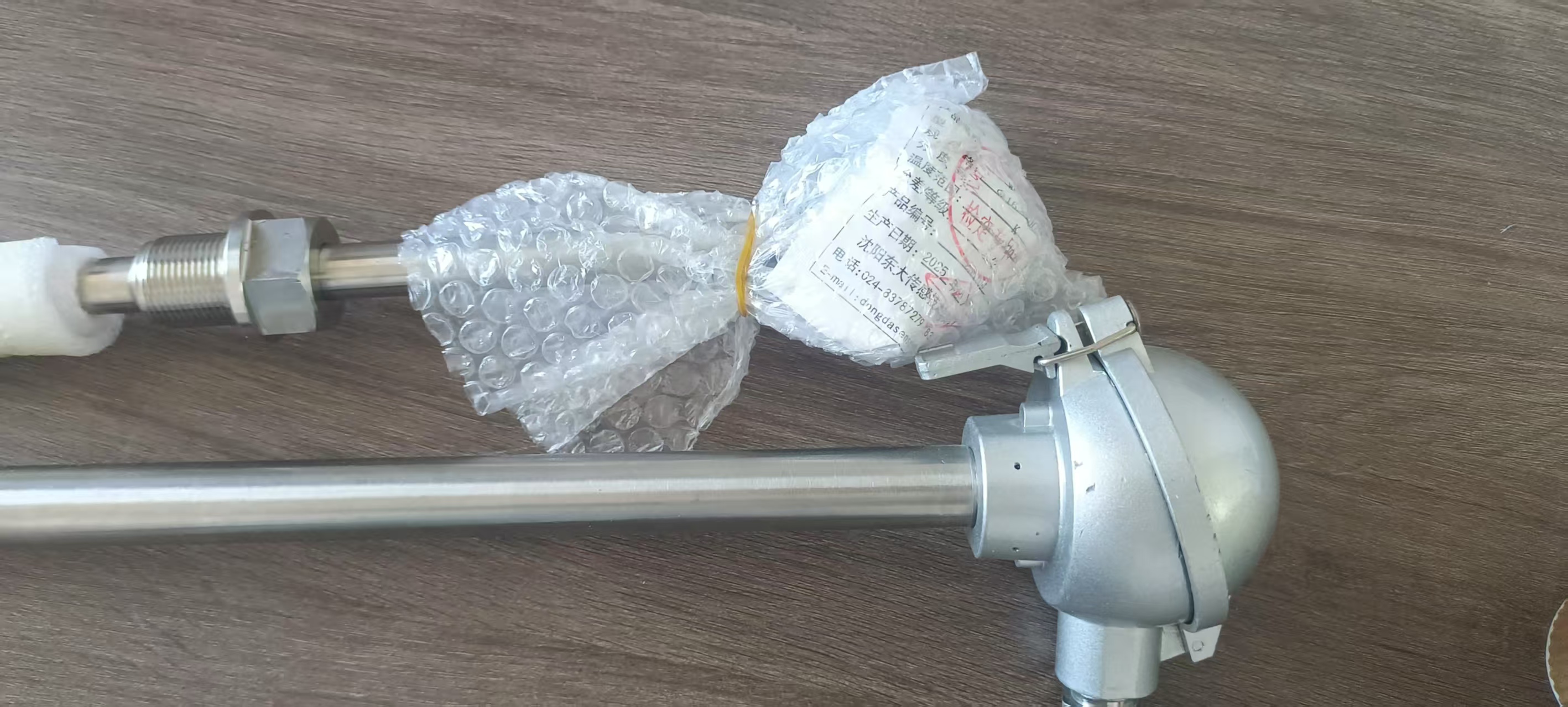
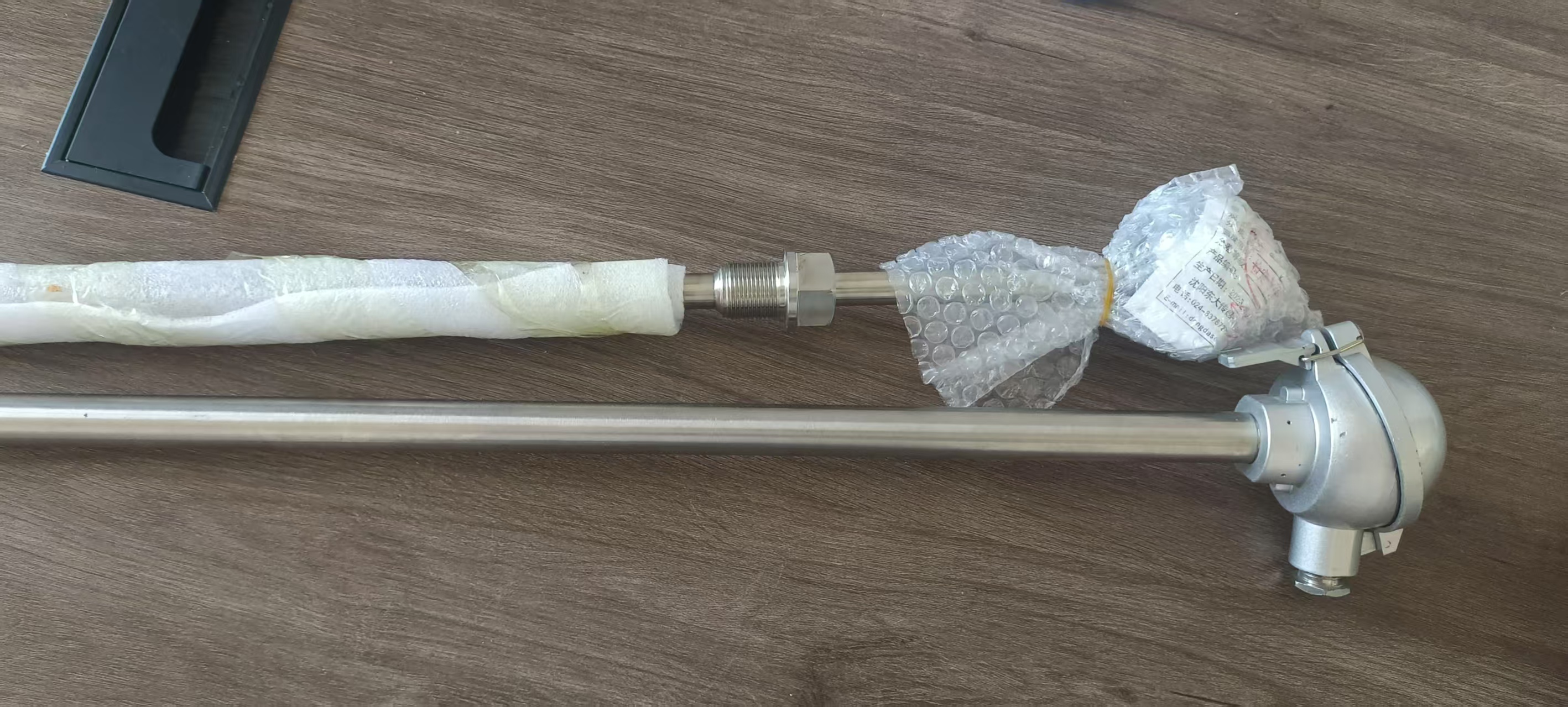











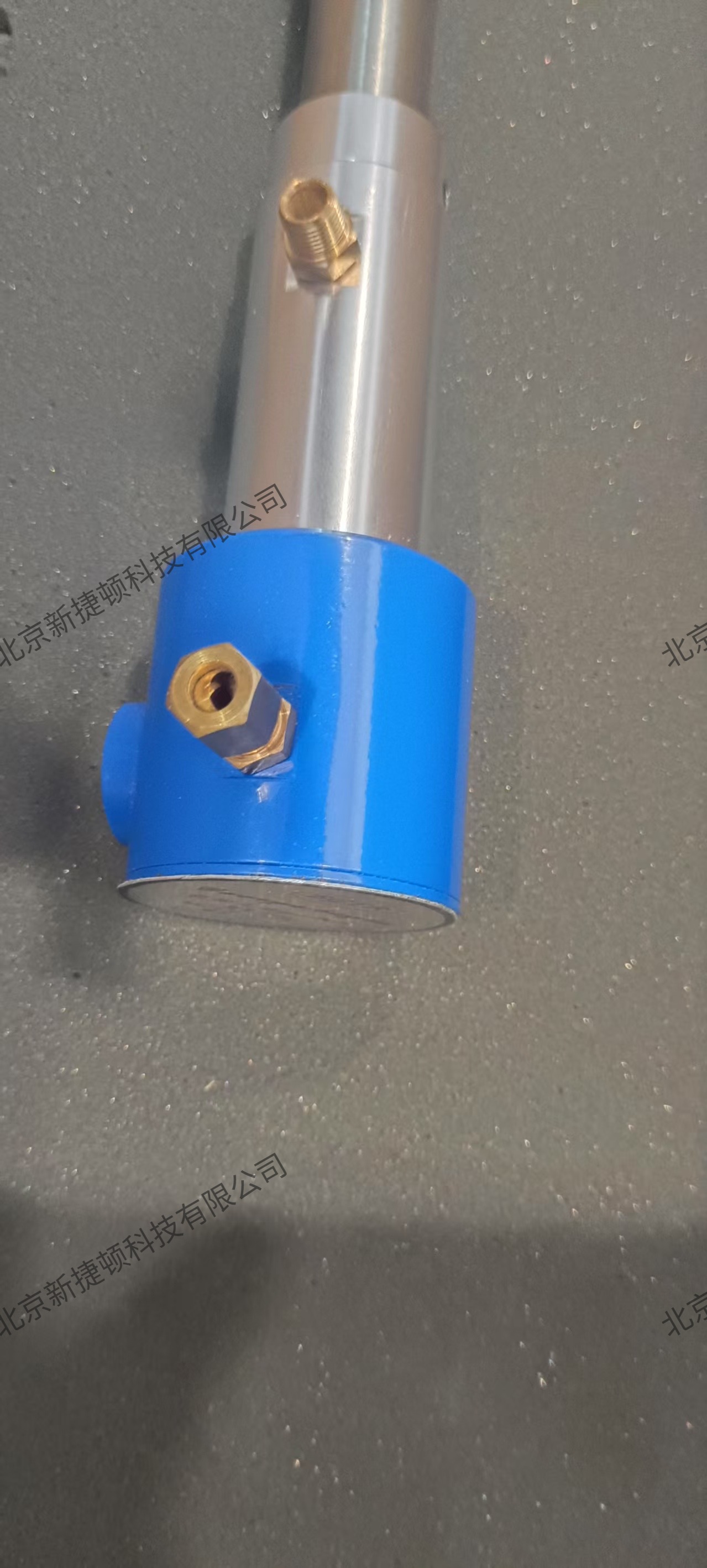
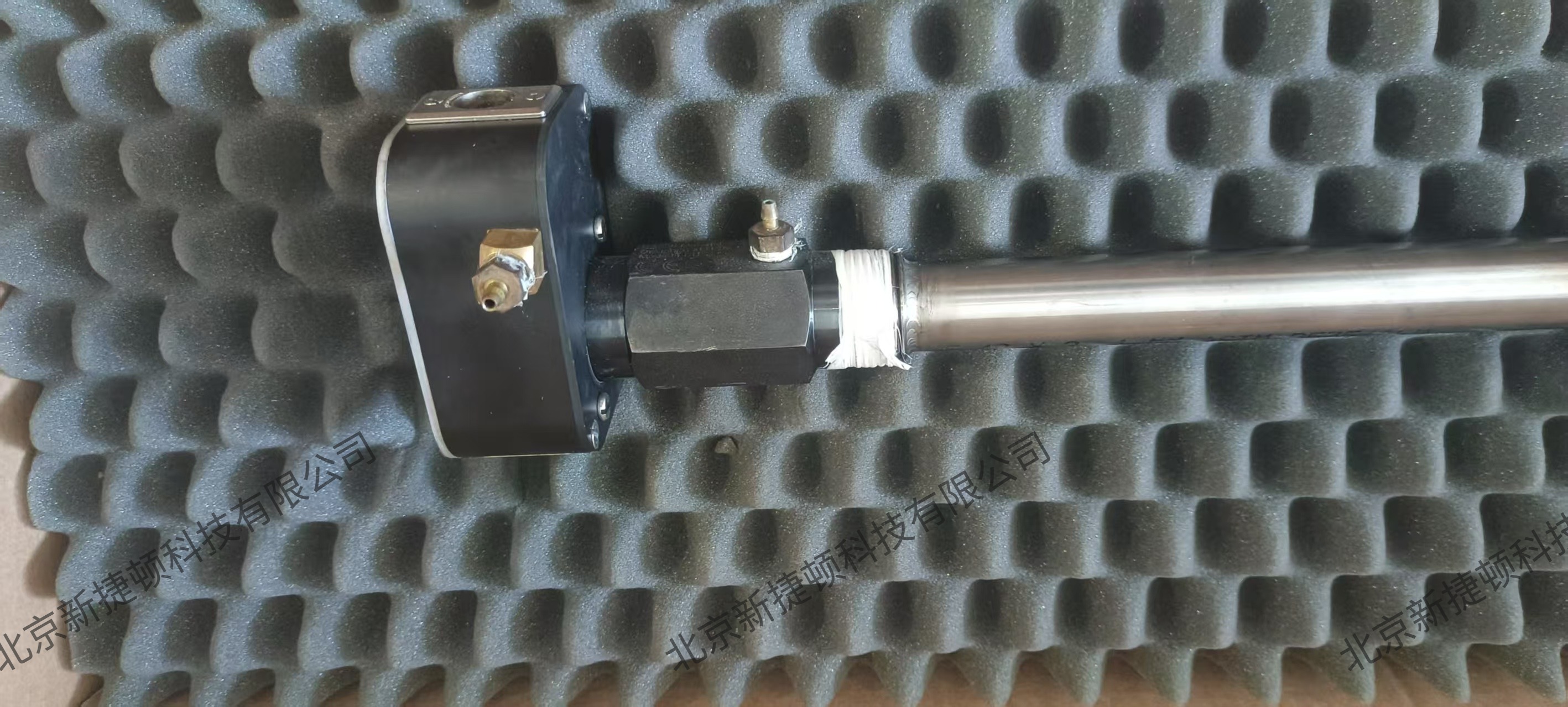
When two different conductors or semiconductors, A and B, form a loop and their ends are interconnected, an electromotive force (EMF) is generated in the loop as long as the temperatures at the two nodes are different. One end, with temperature T, is referred to as the working end or hot end, while the other end, with temperature T0, is called the free end (also known as the reference end) or cold end. The direction and magnitude of this EMF are related to the material of the conductors and the temperatures at the two junctions. This phenomenon is known as the "thermoelectric effect." The loop formed by the two conductors is called a "thermocouple," the two conductors are referred to as "thermoelectric elements," and the generated EMF is called the "thermoelectric EMF."
WeChat Official Account

Scan to follow Official Account




















