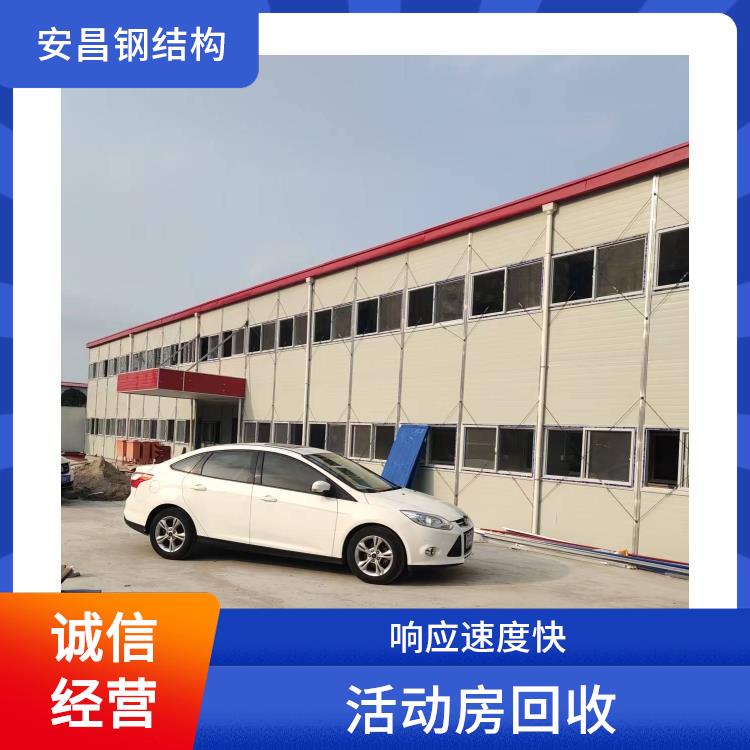

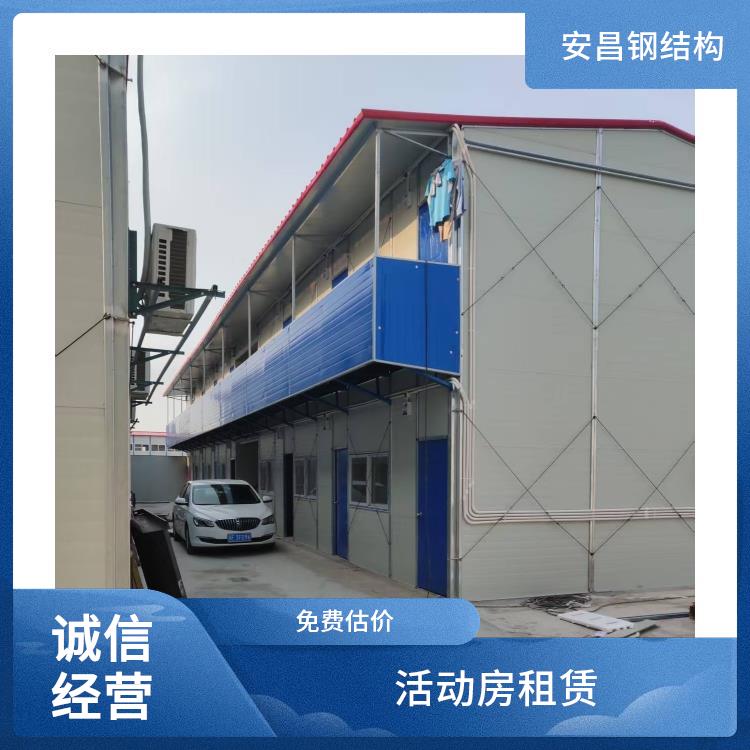
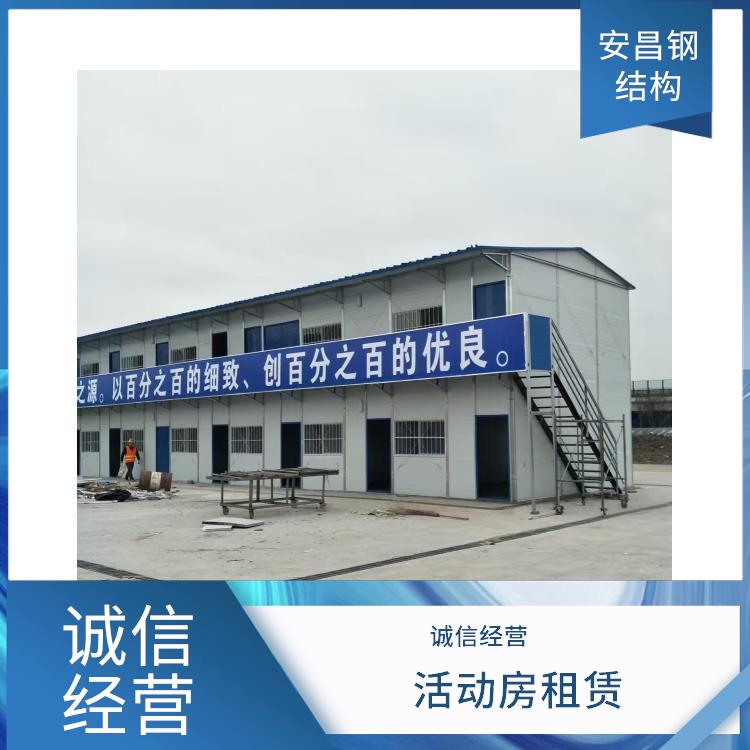







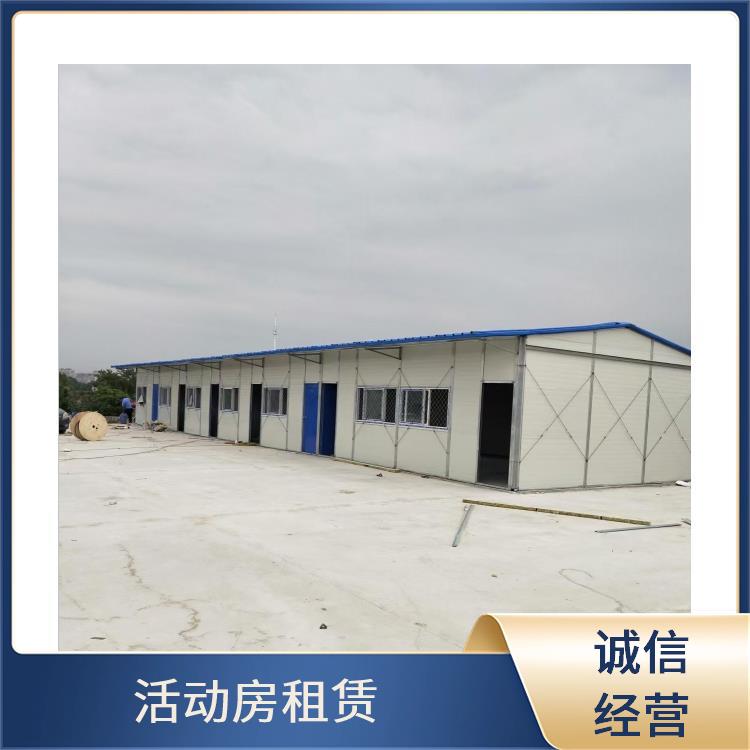
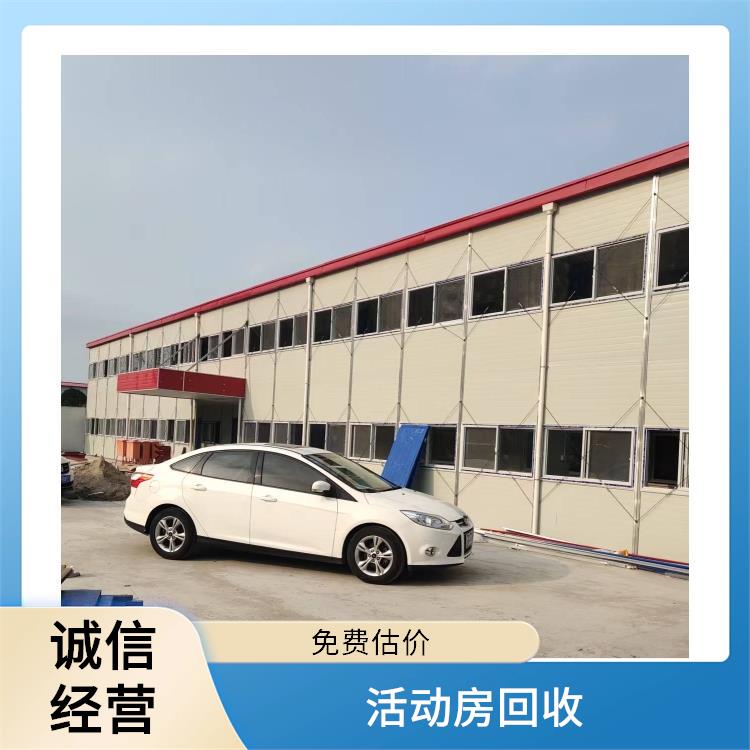
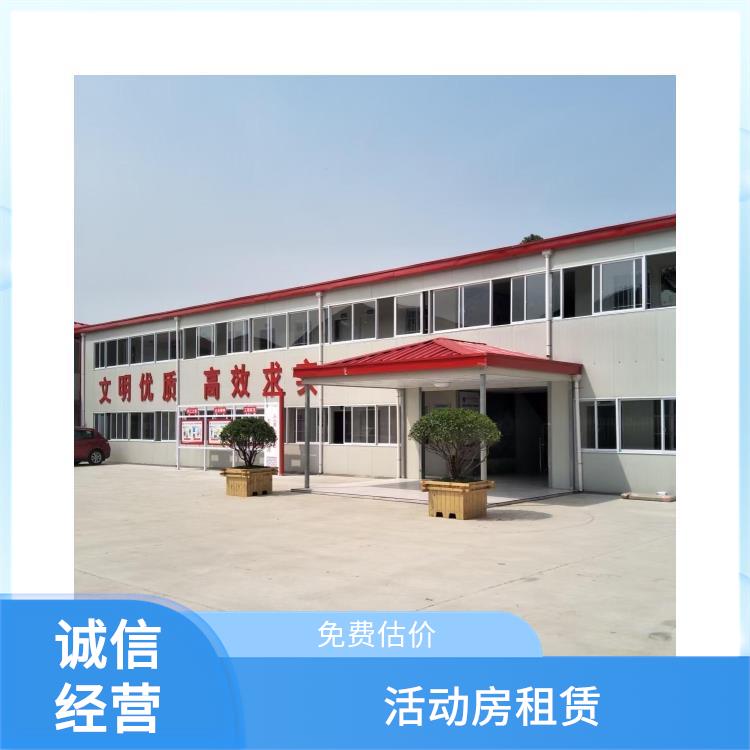
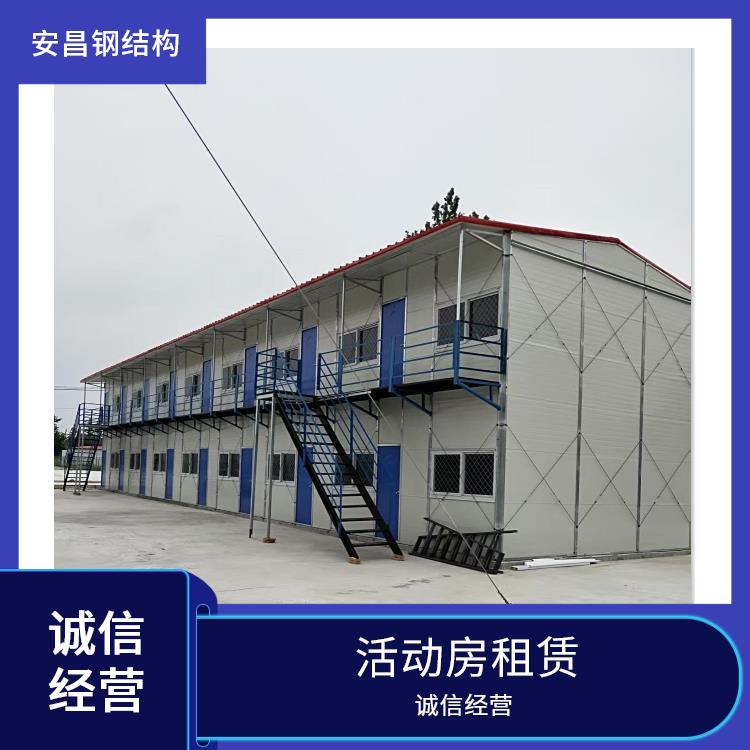
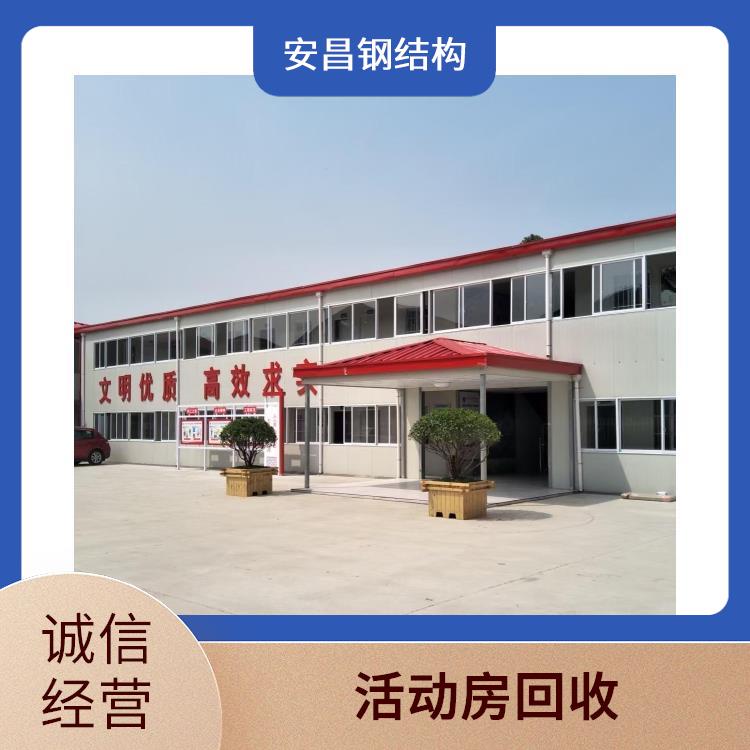
To promote the development of mobile home recycling, the government, enterprises, and all sectors of society should work together. The government can encourage and support the implementation of mobile home recycling through relevant policies and regulations. Enterprises can increase their R&D and investment efforts to drive innovation and application of mobile home recycling technology and equipment. All sectors of society can enhance environmental awareness and actively participate in and support mobile home recycling initiatives. Through joint efforts, mobile home recycling can become a常态化 practice, contributing to sustainable development.
Mobile cabin waterproofing primarily prevents flood, mudslide, landslides, and rain-induced electrical short circuits. The main protective measures lie in the selection, installation, and design of the mobile cabin.
Mobile homes are a new type of lightweight steel composite panel housing, which, with a reasonable combination of materials and steel structures, can achieve excellent safety performance. Specifically, they can withstand earthquakes over magnitude 7 and typhoons of up to 12 levels, a feat not easily achieved by conventional houses. Therefore, they are widely used in earthquake-stricken areas.
Standard sizes for mobile offices on construction sites include: 2.7m x 6m, 2.7m x 7.2m, 3.6m x 6m, 3.6m x 7.2m, and 3.6m x 8.4m. The exact dimensions are determined based on the specific site conditions and number of workers.
Mobile homes, though temporary structures, offer numerous advantages. Not only are they cost-effective to build, but they are also quick to assemble. More importantly, they are energy-efficient and eco-friendly, aligning with current energy-saving philosophies. In today's era, where energy conservation is a major concern, opting for more energy-efficient buildings is necessary. People also worry about the safety of living in such homes, but there's no need to, as these homes are safe, even in the event of earthquakes or typhoons.
In the past, prefabricated mobile homes often employed manual assembly methods, with workers manually controlling pressurizing equipment to achieve component bonding. This assembly method boasts the advantage of simplicity in operation, but it also has the drawback of low efficiency and difficulty in ensuring quality. Using this assembly technique primarily relies on the operator's experience to judge the pressure and the accuracy of insertion, making it hard to guarantee the safety of mobile home assembly.
WeChat Official Account

Scan to follow Official Account