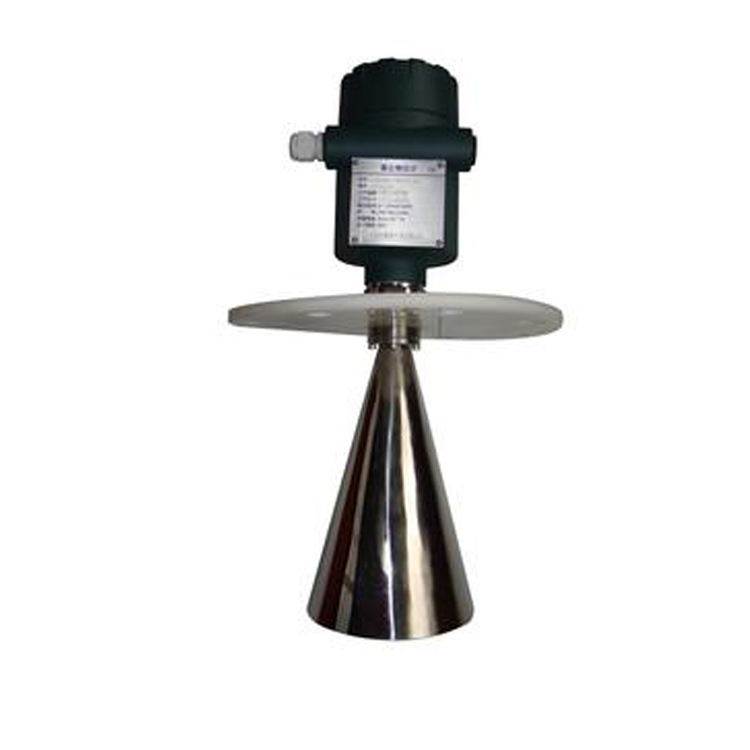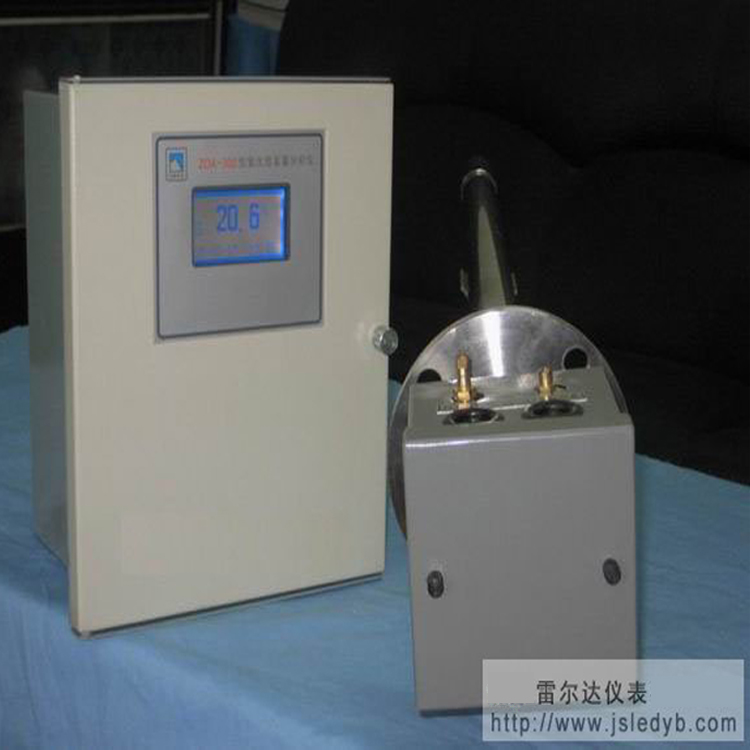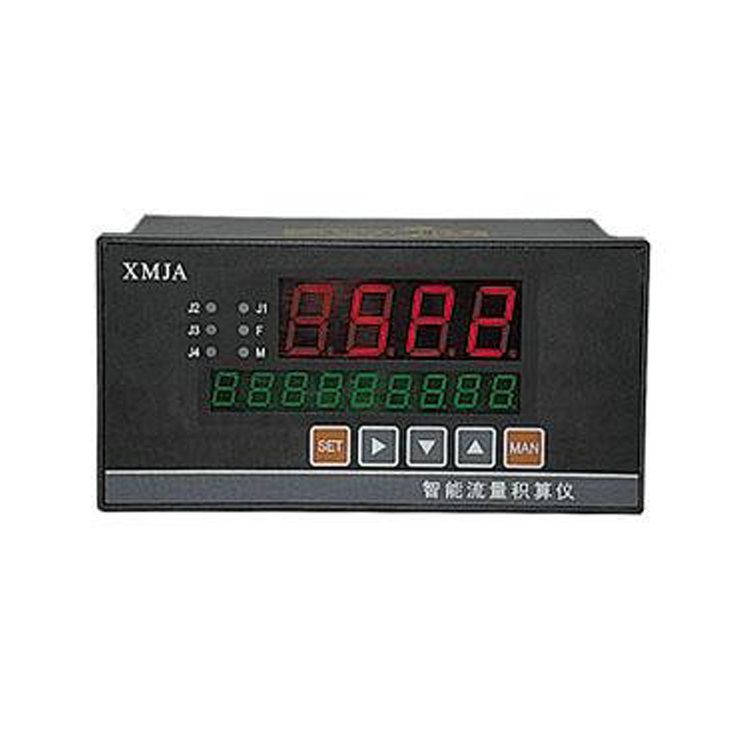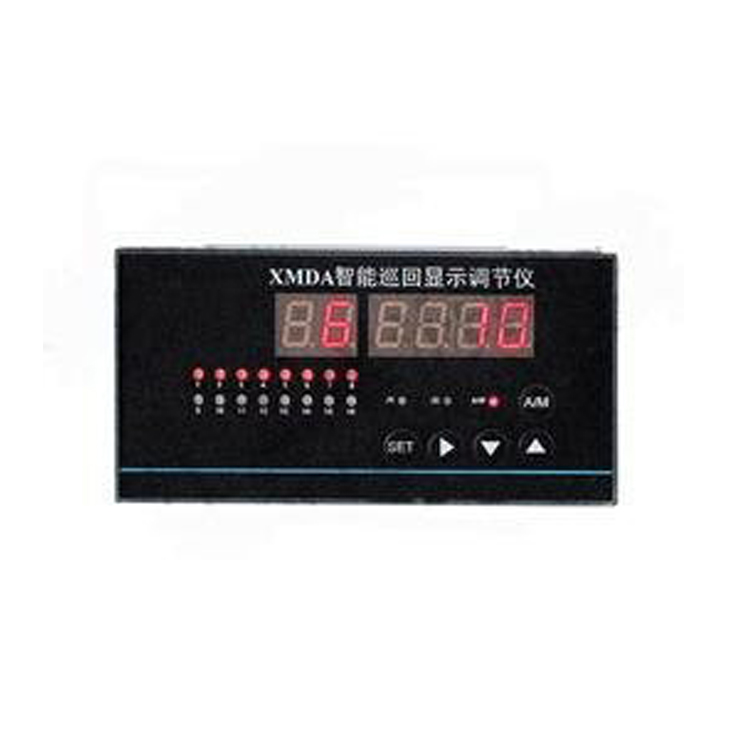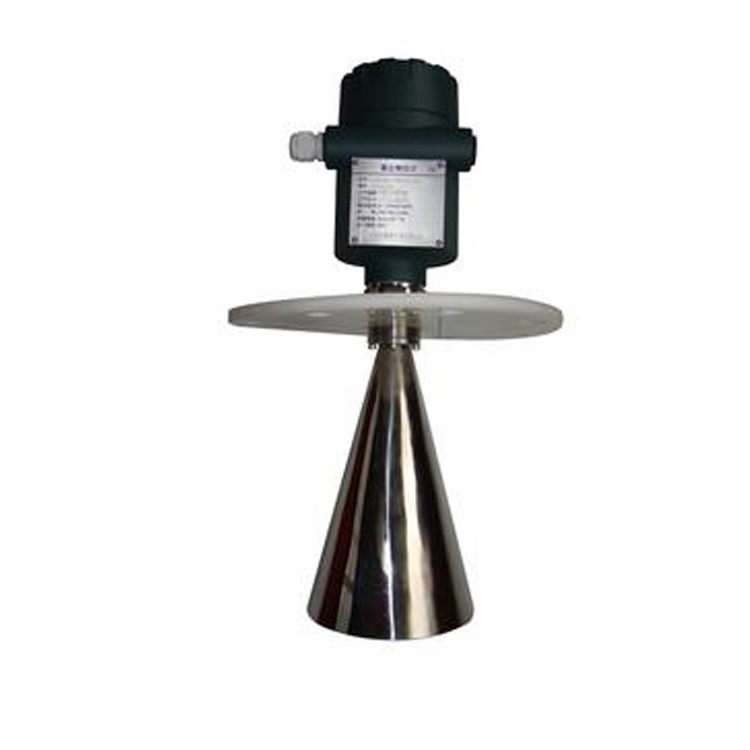

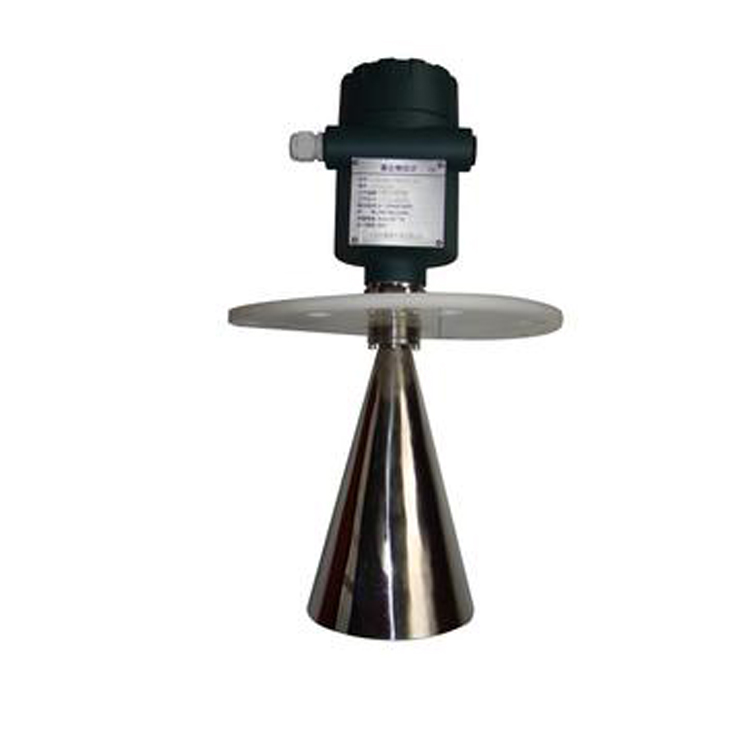


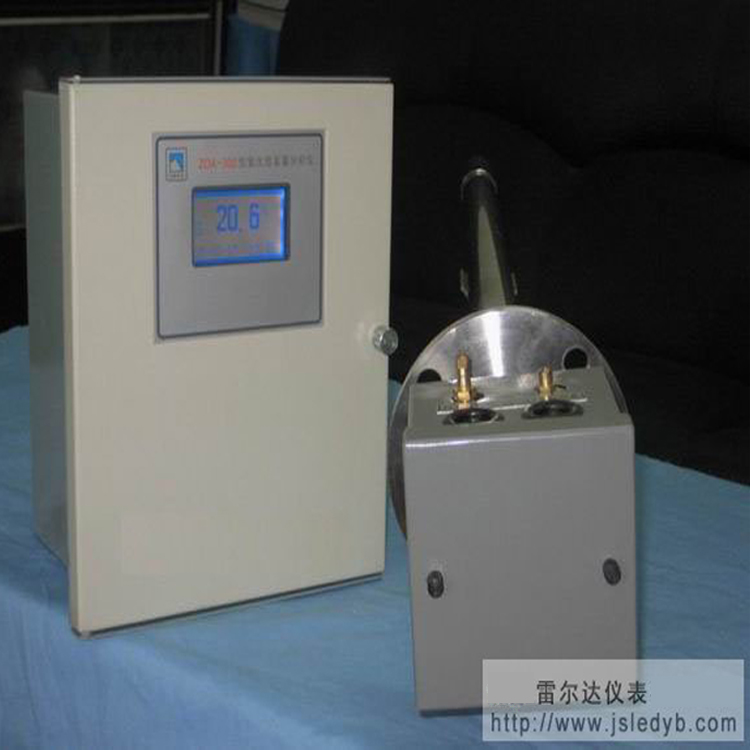
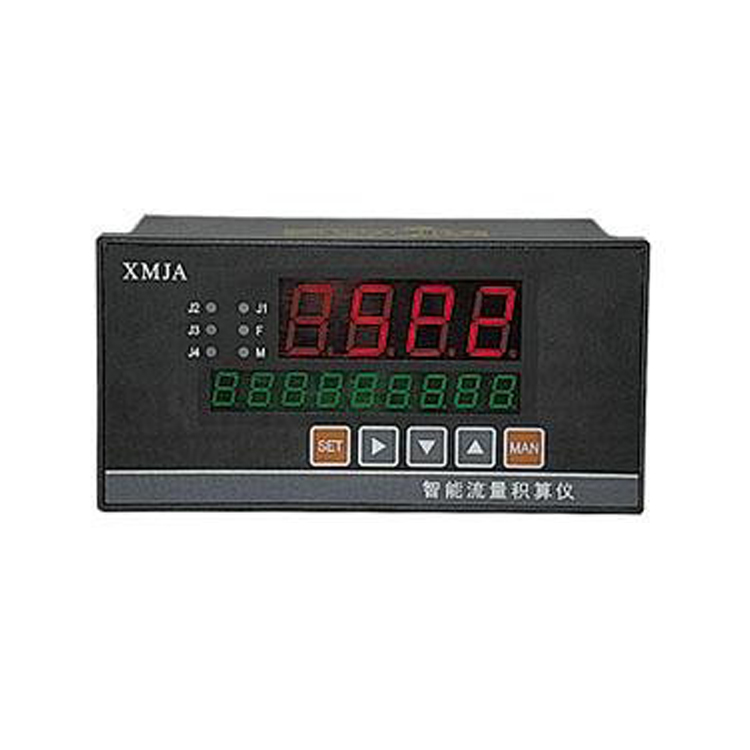
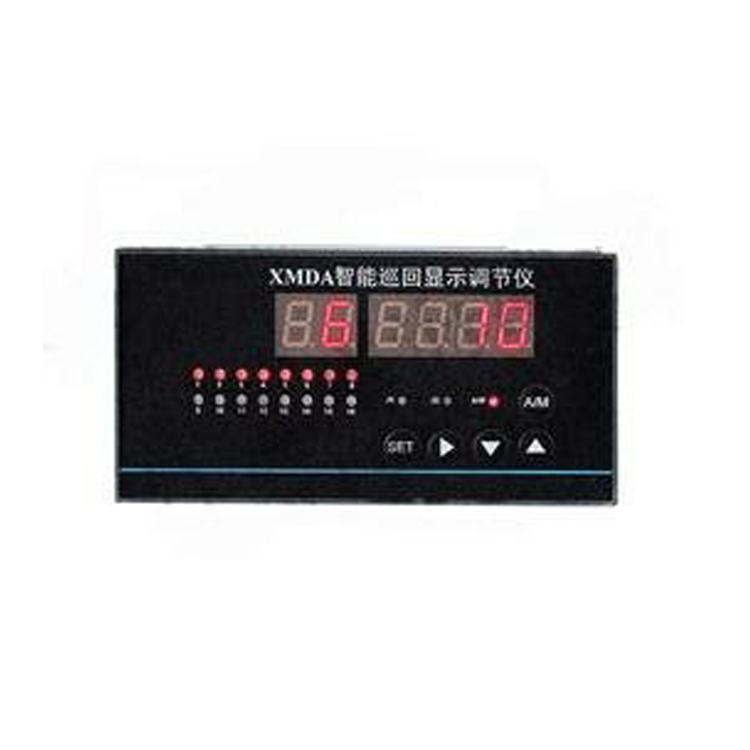
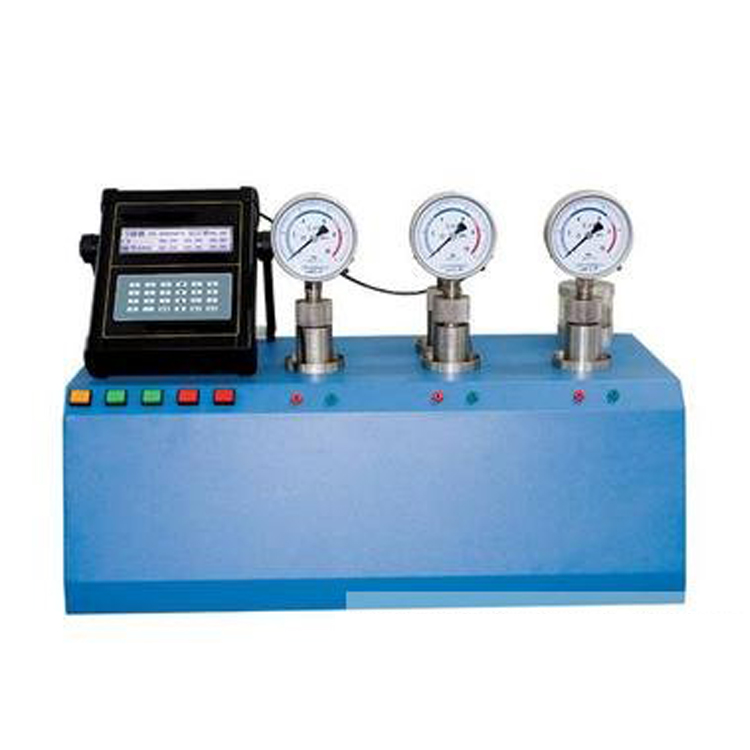
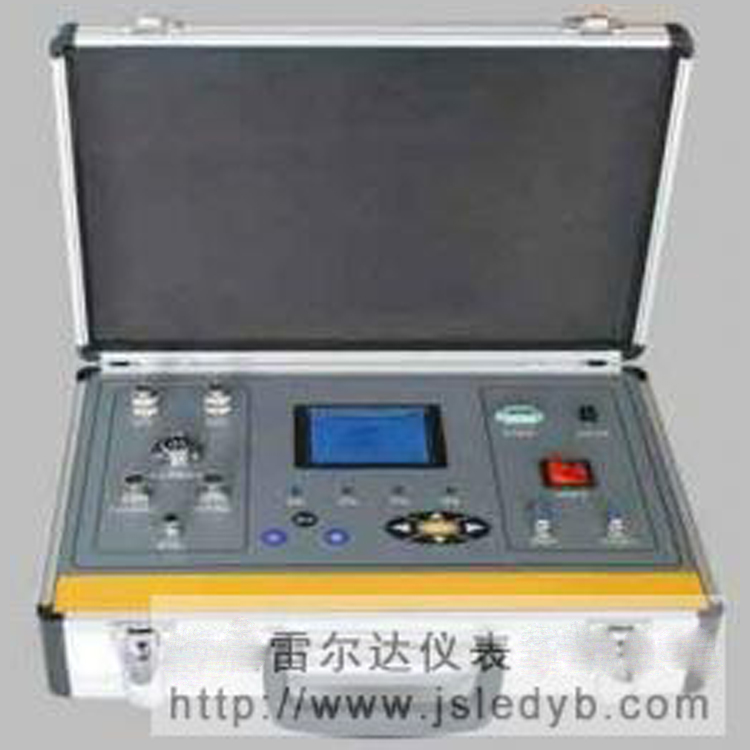





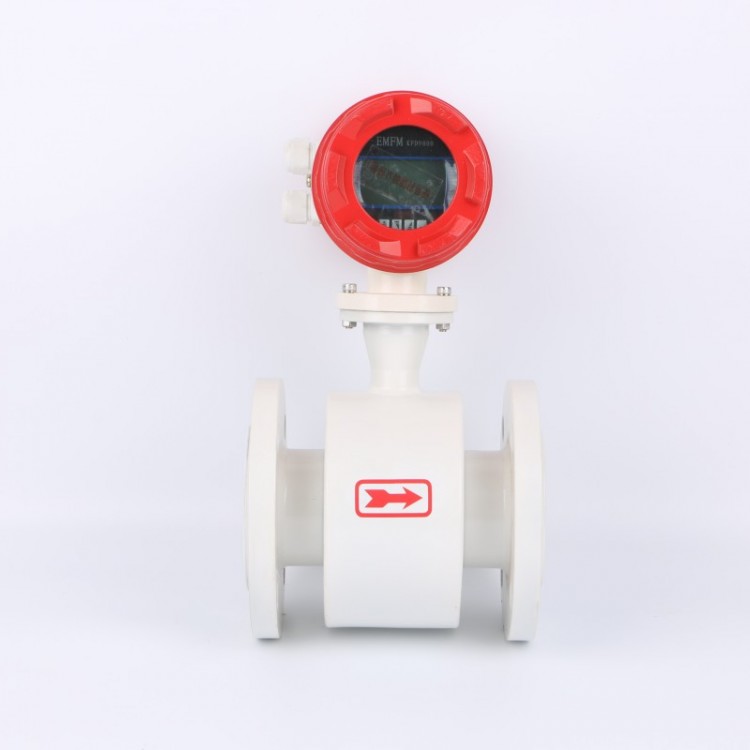
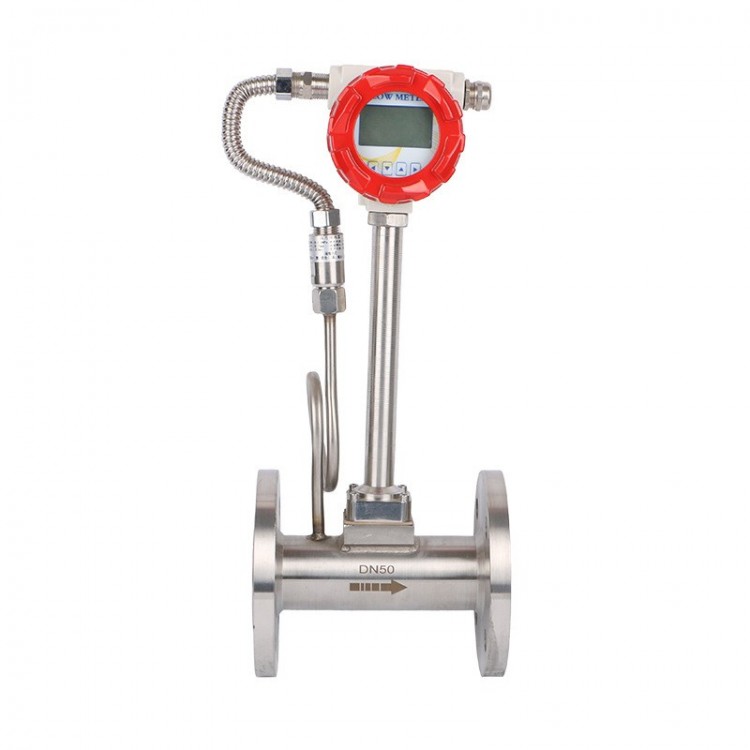
The LRDD57 high-frequency radar level gauge is primarily used for solids, storage containers, process containers, or environments prone to dust, crystallization, and condensation. Operating at a frequency of 26GHz, it can measure up to 70 meters. Due to its high emission frequency, shorter wavelength, narrow beam angle, small blind spot, and compact antenna size, it is easy to install on-site, highly resistant to interference, and provides excellent measurement results for powders and granular materials. It significantly expands the radar's measuring range and offers better adaptability for measuring small and special containers.
1. High-frequency radar level gauge measurement principle
The radar level gauge antenna emits extremely short pulses with low transmission power. These pulses propagate at the speed of light through space and, upon encountering the surface of the medium being measured, some of their energy is reflected back, where it is picked up by the same antenna. The time interval between the transmitted and received pulses is proportional to the distance from the antenna to the surface of the medium being measured.
2. LRDD57 High-Frequency Radar Level Gauge Applications:
Application: The best choice for bulk material level measurement, suitable for measuring in large range, high dust, high temperature, and dielectric constant media in industries such as cement, electricity, and steel, as well as in situations prone to crystallization and condensation.
For instance:
Crude Oil, Light Oil Storage Tanks
Coal, powdered coal stockpile
Volatile Liquid Storage Tank
Carbon black level
Slurry Storage Tank
Solid particles
Maximum Range: 70m
Measurement Accuracy: ±15mm
Process Temperature: (-40~80)°C / (-40~130)°C
(-40~250)°C (-40~400)°C
Process Pressure: (-0.1~4.0) MPa
Frequency: 26GHz
Signal Output: 4-20 mA/HART/Modbus
Power Supply: Two-wire system (DC 24V)
4-wire system (DC24V/AC220V)
On-site Display: Standard Equipment
Shell: Standard Fitting
Process Connection: Threaded/Facing (Optional)
Antenna Structure: (1) Parabolic Antenna
(2) Stainless steel horn with dust cover antenna, dust-proof attachment
(3) Swept Horn Antenna, Anti-Dew and Anti-Condensation
Antenna Material: (1) Stainless Steel 304 / 316L Parabolic Surface
(2) Stainless Steel 304 / 316L Buzzer with PTFE
LRDD57 High-Frequency Radar Level Gauge Electrical Connection
1. Supply Voltage
(4-20) mA / HART (Two-wire system) - Power supply and output current signal share a two-core cable. Specific voltage range for power supply is detailed in technical data. For intrinsically safe models, a safety barrier must be installed between the power supply and the instrument.
(4-20) mA / HART (4-wire system) - Power supply and current signal are each supplied via a separate two-core cable. Specific voltage range for power supply, please refer to technical data.
The standard radar level gauge current output can be grounded. The explosion-proof radar level gauge current output must be floating. The instrument and its terminal connections should be properly grounded, usually by connecting to the tank's grounding point. For plastic tanks, it should be connected to the adjacent ground.
2. General Installation Guidelines for Cable Connections
Power cables utilize standard two-core cables, with an outer diameter ranging from (5 to 9) mm to ensure the seal at the cable entry. If electromagnetic interference is present, it is recommended to use shielded cables.
(4-20) mA / HART (Two-wire system) - Power cable can use a standard two-core cable.
(4-20) mA / HART (4-wire) - Power cables should be used with cables that have a dedicated ground wire.
Cable shielding and wiring
Both ends of the shielded cable should be grounded. Inside the sensor, the shield must be directly connected to the internal grounding terminal, and the external grounding terminal on the housing must be connected to the earth.
If there is an earthing current, the shielded cable's shielding terminal on the side away from the instrument must be grounded through a ceramic capacitor (such as 1nF / 1500V) to act as a direct current isolation and bypass high-frequency interference signals.