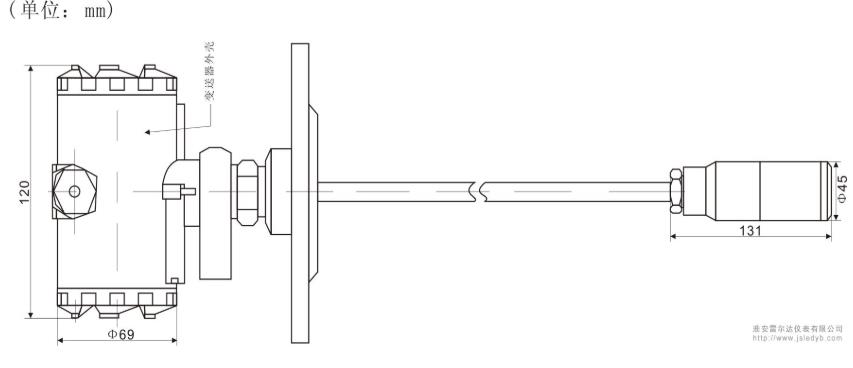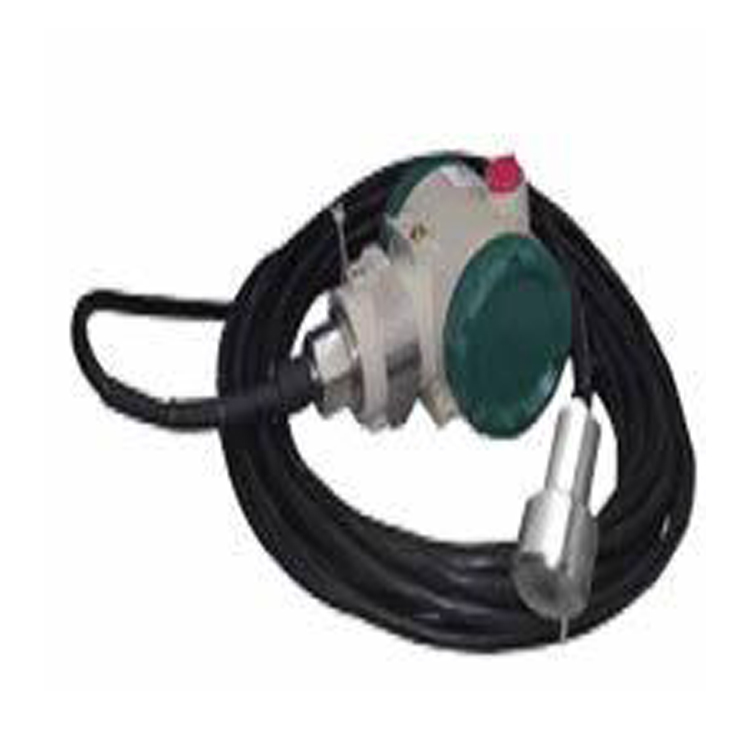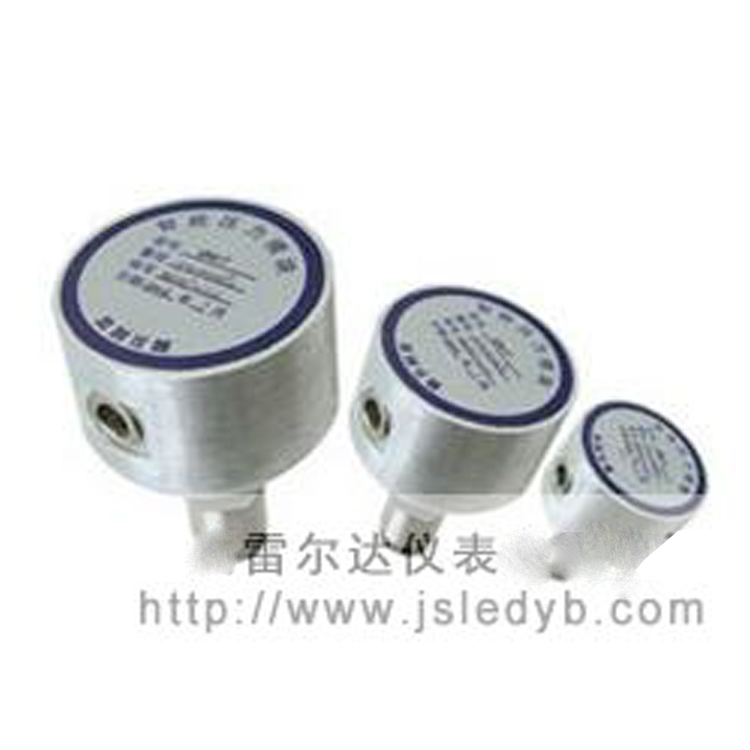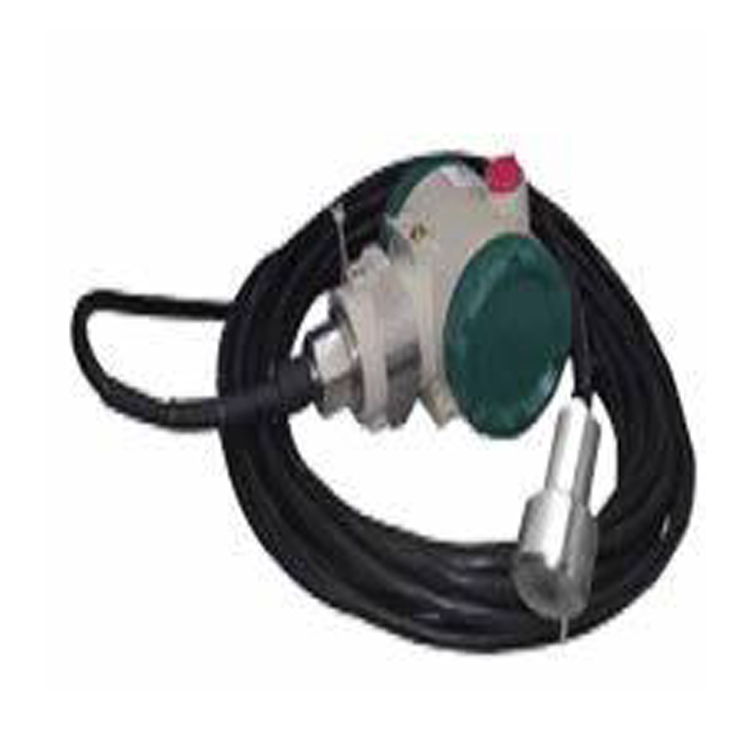

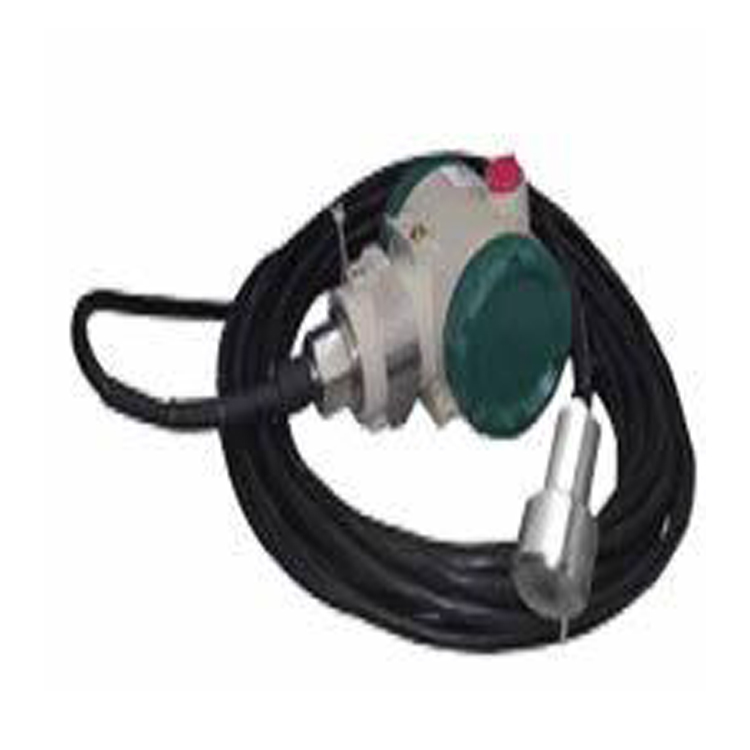







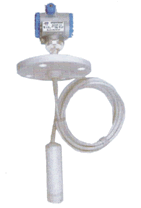
A high-precision and stable ceramic capacitive sensor with imported ceramic sheets is used in the anti-corrosive level transmitter. It features a reasonable and precise structural design, thick film technology temperature compensation, signal amplification, V/I conversion, and a waterproof cable with an air conduit. This design connects the sensor's back pressure chamber to the atmosphere, resulting in a fully solid-state product with a stable and reliable industrial standard 4-20mA or 0-10mA signal output.
This transmitter is widely used in oil refineries, chemical plants, glass factories, and wastewater treatment plants for measuring and controlling the static and dynamic liquid levels of oil wells, oil tanks, oil ponds, and various highly corrosive liquids.
Calibration for zero and full-scale outputs is performed during wiring.
Section II: Technical Performance
Range of Measurement | 0~1、2、5、10、30…500M |
Overload Pressure | 2x full scale |
Measurement Medium | Compatible with strong corrosive gases such as polytetrafluoroethylene |
Output Signal | 4-20mA, 0-10mA, two-wire system |
1-5VDC, 0-5VDC, Three-wire System | |
Supply Voltage | 12-36VDC (Calibrated at +24VDC) |
Accuracy | ±0.2%F.S ±0.3%F.S ±0.5%F.S |
Long-term stability | ≤±0.3% F.S./year |
Compensation Temperature | 0~+80℃ |
Medium Temperature | -30~+120℃ |
Response Time | ≤1ms |
Load Resistance | R=(U-12.5)/0.02-RDAmong them: U for power voltage, RDFor cable internal resistance |
Life | >1×10⁸Pressure Cycle (25°C) |
Film Material | AL2O3Ceramic |
Shell Material | PTFE (Polytetrafluoroethylene) |
Pressure Interface | Immersed, Split Type, Flanged Mounting |
Electrical Connector | Wiring Terminal |
Explosion-proof rating | ExiaIICT6 |
Protection Level | IP67 |
Section 3: Product Features
● Wide Measurement Range: 0~0.5~500MHz2O
Wide operating temperature range, excellent stability
Good corrosion resistance: Ceramic diaphragm, PTFE shell
Polytetrafluoroethylene (PTFE) gas transmission cable
● Lightning Protection Design
Anti-condensation technology
● Interference-resistant design
Section 4: Appearance and Structure