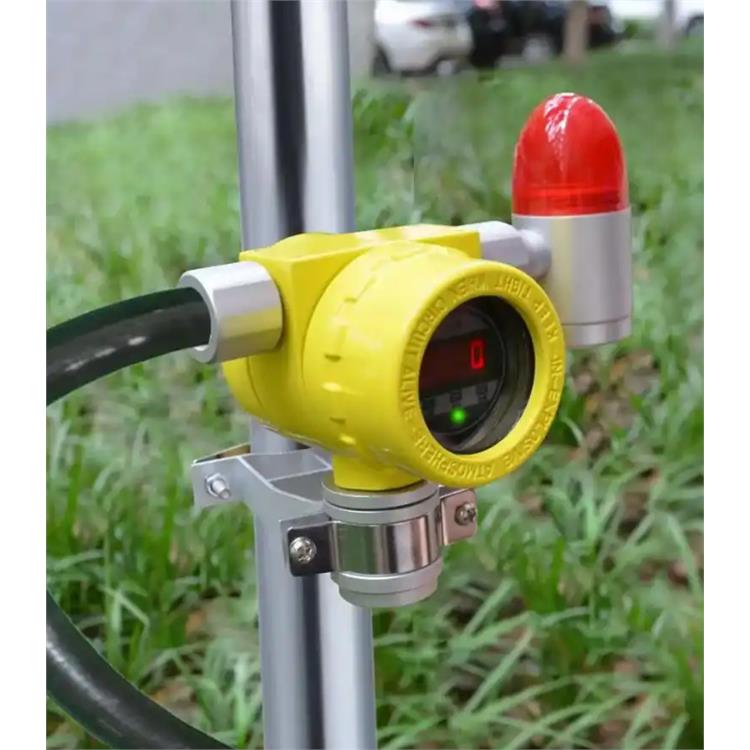

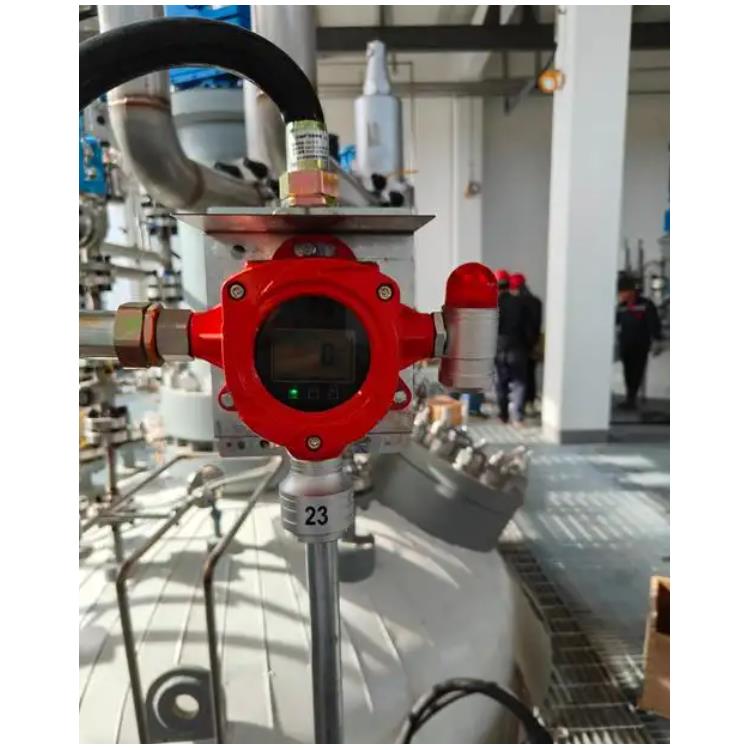
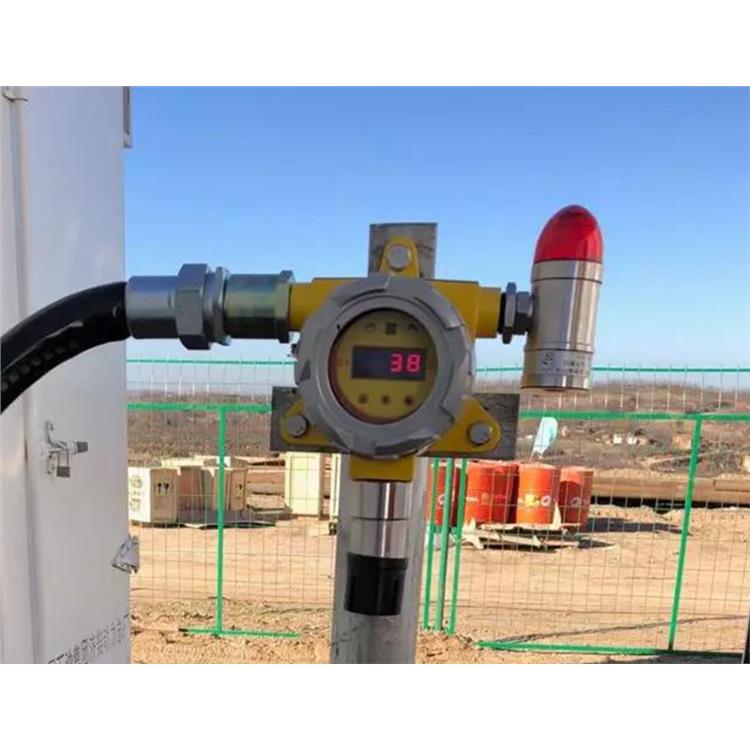



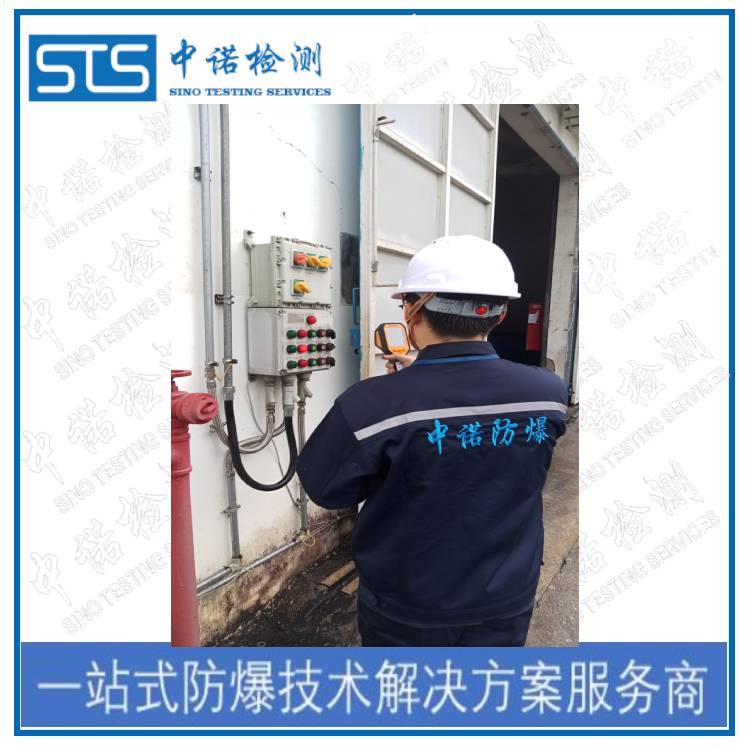








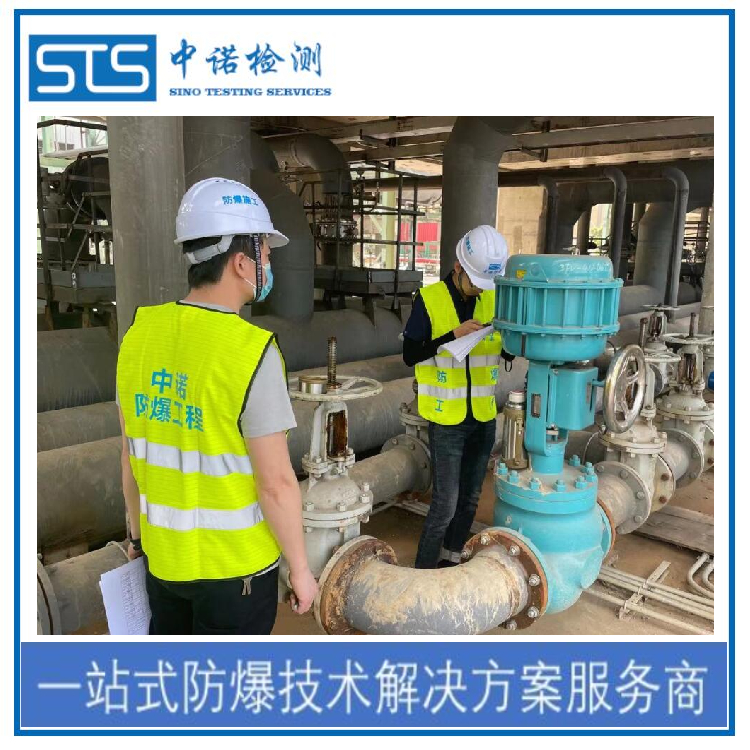
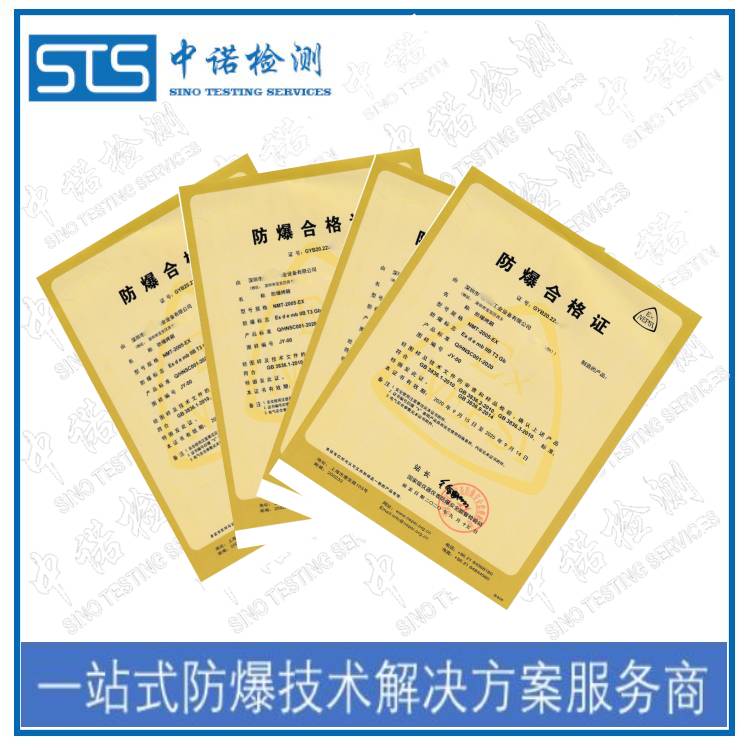
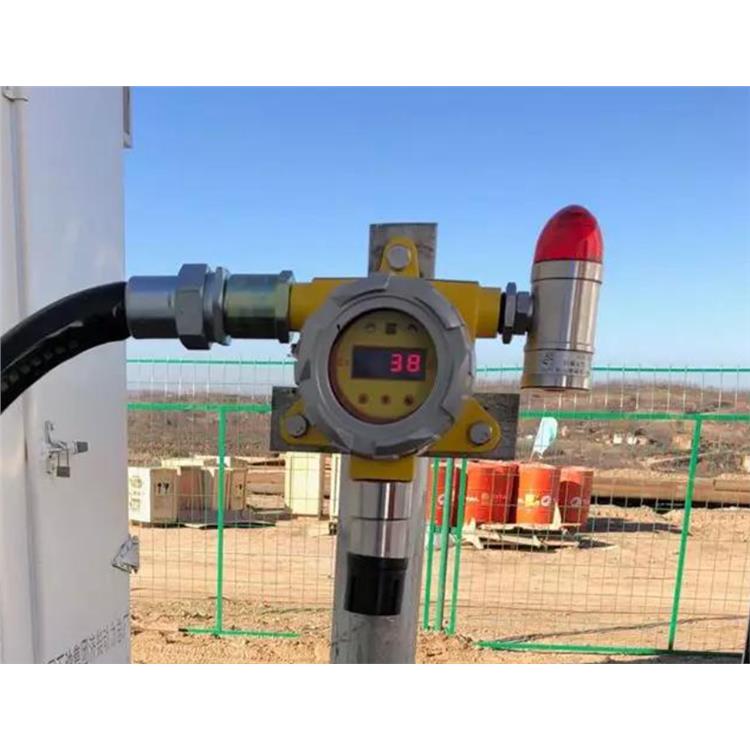

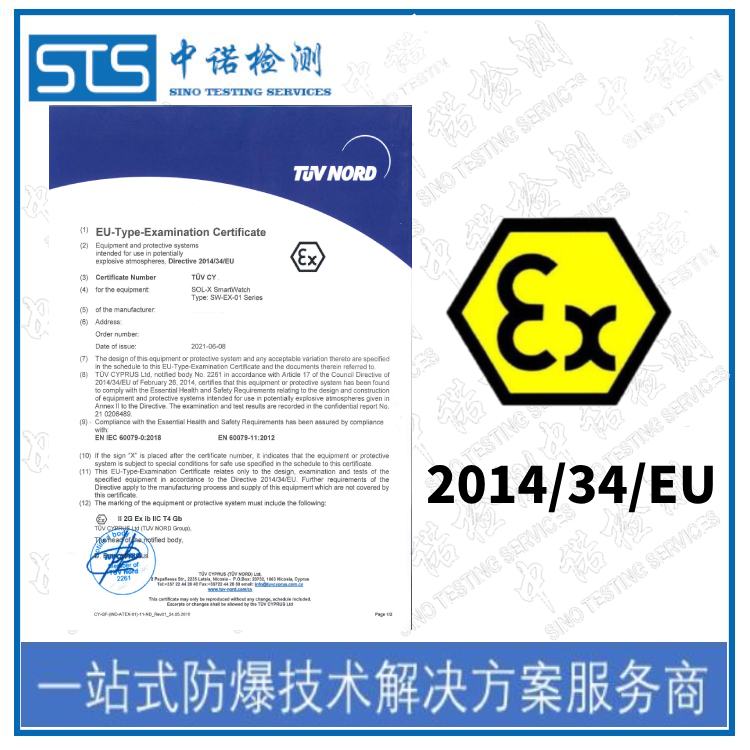
Shenzhen Zhongnuo Testing Technology Co., Ltd. specializes in the calibration, certification, and metrological services for equipment such as gas alarms, combustible gas detectors, and toxic and harmful gas detectors for various locations. We offer services nationwide, providing solutions for electrical safety and explosion-proof fire prevention issues, and contributing to safe production.
Regulatory and Methodical Content for Regular Flammable Gas Detector Alarms Inspection
Annual inspections are conducted on the sensors of commercial and industrial alarms, primarily checking for the accuracy, repeatability, drift, and response time of the alarms to ensure they meet standards. Additionally, the suitability of the alarm's installation location and any interference from other equipment are assessed.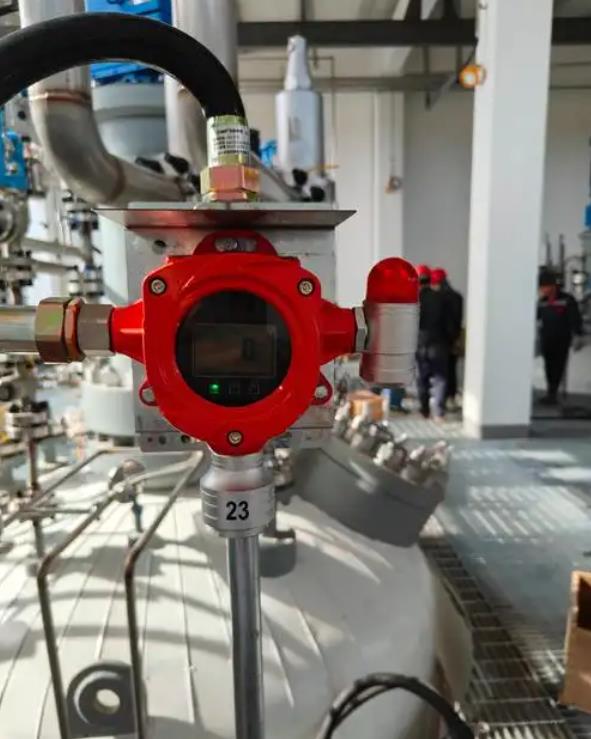
What are the contents included in the calibration report for flammable gas detectors?
The verification results should be reflected in the verification certificate or report, and the verification proof or report must include the following information.
① Calibration Certificate or Calibration Report
② Laboratory Name and Address
③ Calibration Location (if not calibrated in the laboratory)
④ Certificate or report (e.g., with serial number), indicating each page and the total number of pages;
5. Shipper's name and address
⑥ Describe and clearly identify the target school.
Calibration Date and Receipt Date
⑧ Technical specifications for calibration base, including name and code;
Description of the traceability and validity of the measurement standards used in this institution.
⑩ Description of Calibration Environment
11. Calibration Results and Measurement Uncertainty Statement
12. Signature, title or equivalent symbol, and issuance date of the certifier or report issuer for calibration certificates or reports;
13. Calibration results are only applicable to the calibration object.
14. No part of the certificate or report may be copied without written consent from the laboratory.
Re-review interval
Instrument recalibration is typically every 1 year, determined by the submitting unit based on actual usage. During the secondary calibration process, if there are doubts about the instrument's test data, or if the main components of the instrument are replaced, as well as after repairs, a recalibration is required.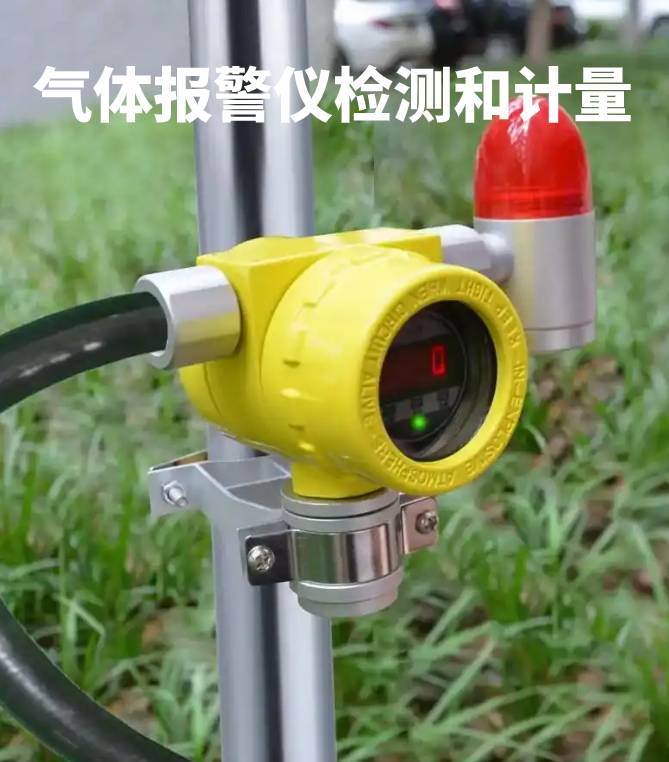
Key Technical Requirements for Regular Calibration of Combustible Gas Detectors (Shenzhen ZhongNuo Testing Technology Co., Ltd.)
1. Power-On Self-Check Function: The instrument should have an automatic self-check function upon startup, with a manual self-check function for alarm components as well.
2. Specify the effective detection distance: The effective detection distance of the non-contact gas alarm instrument shall not be less than 20 meters.
3. Alarm Value Setting: The standard specifies specific alarm value settings for different gases.
For example, the hypoxia alarm setting is 19.5%VOL, and the hyperoxia alarm setting is 23.5%VOL (refer to GB 8958—2006 "Operation Procedures for Hazardous Work of Hypoxia" and GB 30871—2022 "Special Operation Regulations for Chemical Hazardous Goods Enterprises").
The first-level flammable gas alarm setpoint is not greater than 25% LEL, and the second-level alarm setpoint is not greater than 50% LEL.
The first and second-level alarm settings for toxic and harmful gases are determined based on the OEL (Occupational Exposure Limit) or IDLH (Immediate Danger to Life and Health).
4. Error and Reproducibility: The standard specifies clear requirements for the instrument's indication error, drift, and reproducibility. For example, the indication error for flammable gases, toxic and harmful gases, and oxygen should not exceed 5% FS, 5% FS, and 2% FS respectively within the normal test range of the instrument's full scale.
5. Calibration and Interfaces: The instrument should be easy to calibrate, with set calibration procedures and corresponding interfaces to ensure the accuracy of its measurement results.
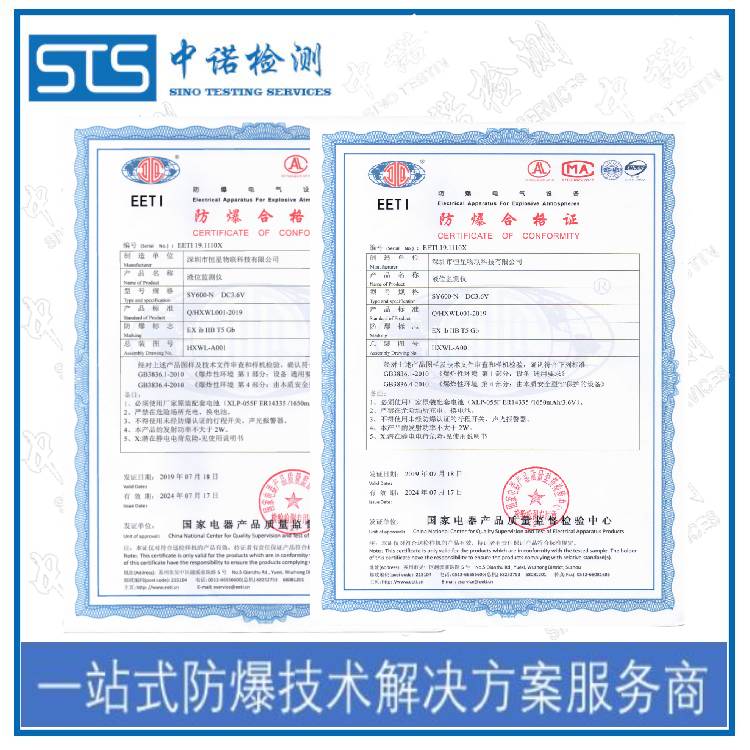
6. Explosion-proof Performance: Equipment for explosive environments must have explosion-proof performance in compliance with relevant regulations and obtain an explosion-proof certification.
7. Audio-Visual Alarm Devices: The audio-visual alarm devices of the alarm should meet visibility and sound pressure level requirements under specific conditions, ensuring effective alerting of staff during emergencies.
8. Output Control Function: Instruments with output control capabilities should be able to activate the output control function upon emitting an alarm signal, such as shutting off power or initiating a ventilation system, etc.
9. Power Requirements: Specific requirements are outlined for the supply voltage, continuous operating time, etc., for battery-powered and non-battery-powered instruments.
10. Other Performance Requirements: Including requirements for bearing, response time, full-scale indication error, high-speed airflow, long-term stability, insulation withstand voltage, temperature, constant humidity and heat, electromagnetic interference resistance, steam interference resistance, vibration and drop, and functionality.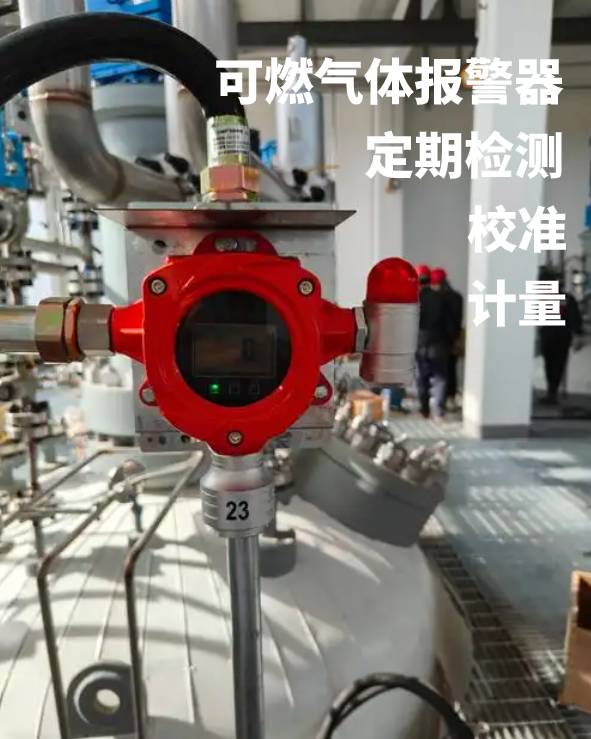
Measurement Equipment Control
Instrument control includes calibration, follow-up calibration, and in-service inspection.
Shenzhen Zhongnuo Inspection & Technology Co., Ltd. is a third-party institution specializing in electrical safety, electrical explosion-proofing, gas detectors, and toxic gas alarm instruments for regular calibration, measurement, and certification services. We are qualified to provide solutions for fire and explosion prevention issues for our clients.
WeChat Official Account

Scan to follow Official Account