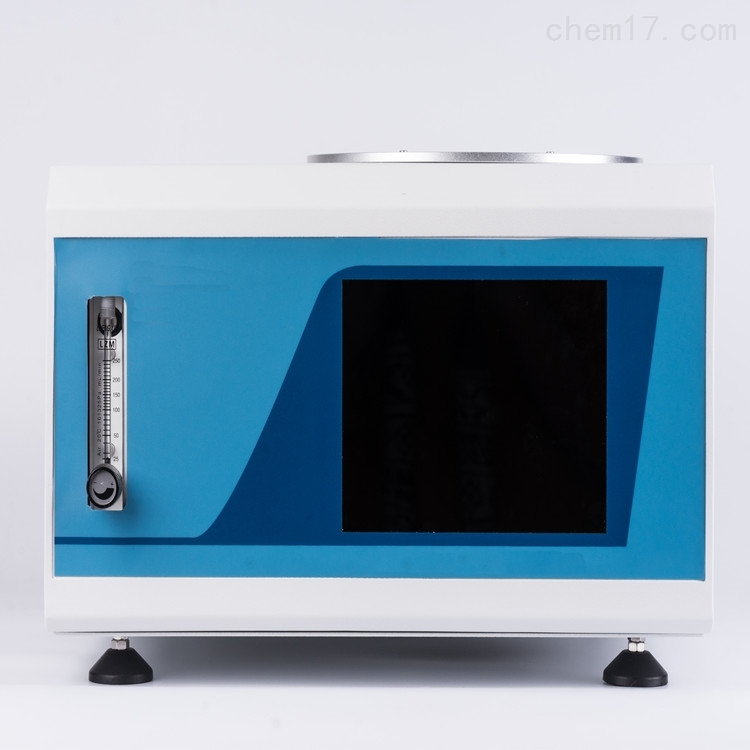

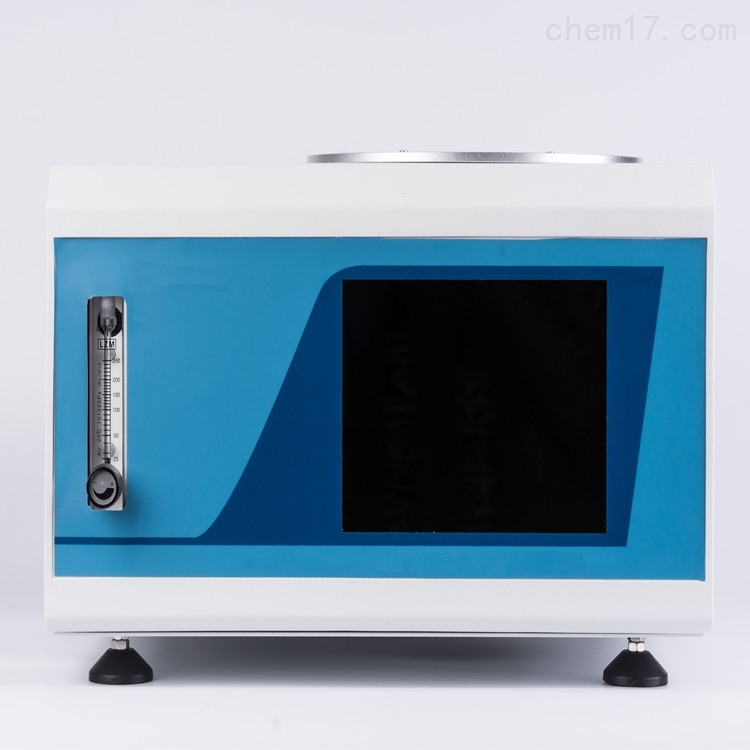

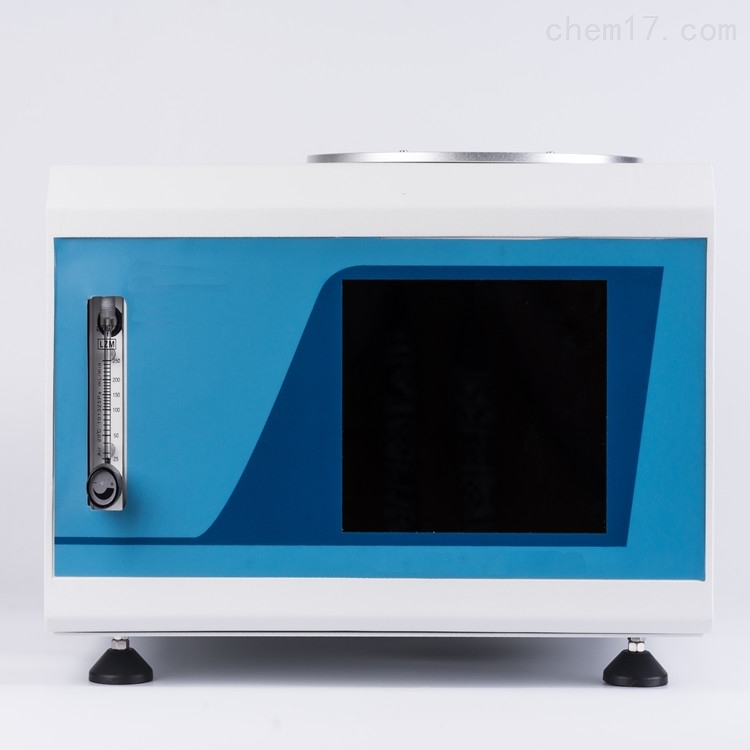







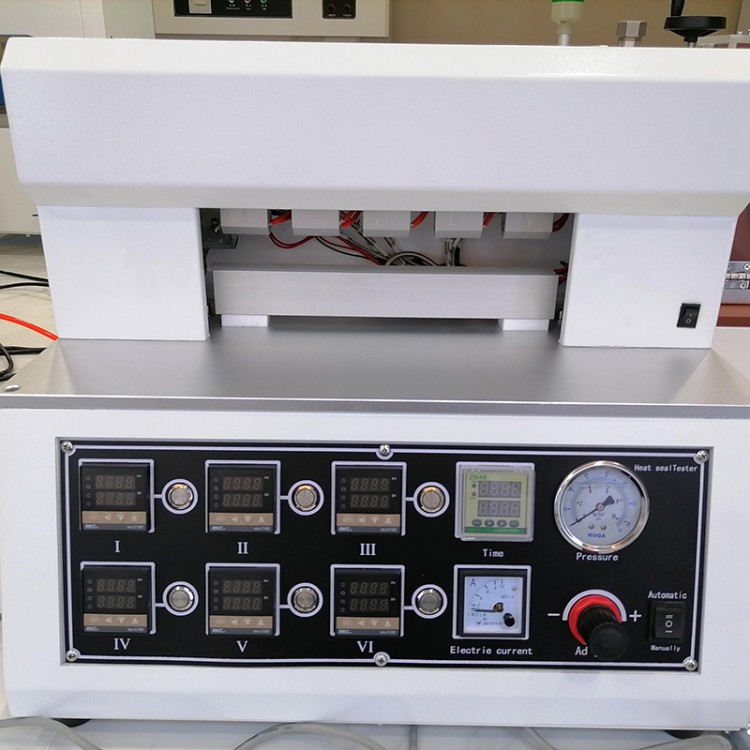
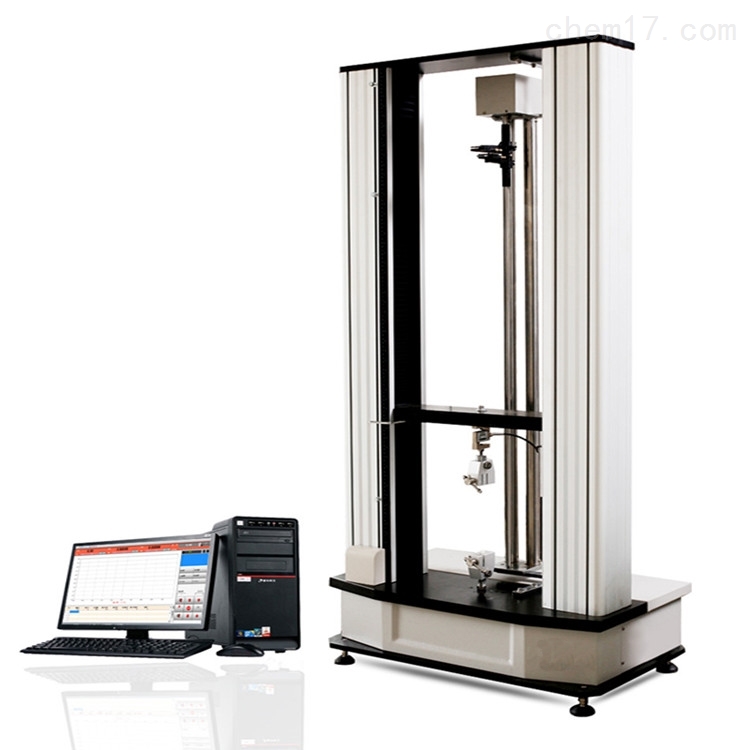
Instrument Model: LT-422 Differential Scanning Calorimeter
I. Product Introduction:
LT-422 Differential Scanning Calorimeter with Touch Screen Control is used for measuring the curing reaction temperature and thermal effect, phase transition temperature and its thermal effect, crystallization, melting temperature and its thermal effect of high polymer materials, glass transition temperature testing, phase transition testing, melting and enthalpy value testing, product stability, and oxidation induction period.
II. Standards Compliance:
GB/T 19466.2–2004/ISO 11357-2:1999, Part 2: Determination of Glass Transition Temperature
GB/T 19466.3–2004/ISO 11357-3:1999, Part 3: Determination of Melting and Crystallization Temperatures and Enthalpies
GB/T 19466.6-2009/ISO 11357-3:1999, Part 6: Determination of Oxidation Induction Time and Oxidation Induction Temperature
GB/T 17391-1998 Test Method for Heat Stability of Polyethylene Pipes and Fittings
Section 3: Technical Specifications:
Temperature Range: Room temperature ~ 500℃
2. Temperature Resolution: 0.01℃
3. Temperature Fluctuation: ±0.1℃
4. Temperature Repeatability: ±0.1℃
5. Heating Rate: 0.1~100℃/min
6.恒温 Duration: Suggested < 24h
7. Temperature Control: Heating, Constant Temperature (Fully Automatic Program Control)
8. Range: 0 ~ ±600 mW
Resolution: 0.01 mW
10. Sensitivity: 0.01 mW
11. Working Power: AC220V/50Hz or Customized
12. Atmosphere Control Gases: Nitrogen, Oxygen (Automatic Switching for Instruments)
13. Gas Flow Rate: 0-300 mL/min
14. Gas Pressure: 0.2 MPa
Display: 24-bit color, 8-inch LCD touch screen display
16. Data Interface: Standard USB Port
17. Parameter Standards: Equipped with standard substances (indium, tin, zinc), users can self-correct the temperature
IV. Technical Features:
Industrial-grade 8-inch touchscreen with rich display information.
2. USB communication interface, with high versatility and reliable communication without interruption, featuring an auto-recovery connection function.
3. The furnace body's sealing capability ensures excellent experimental conditions.
4. Automatically switches between two atmosphere flow paths, with rapid switching speed and short stabilization time. Additionally, includes an extra input for protective gas.