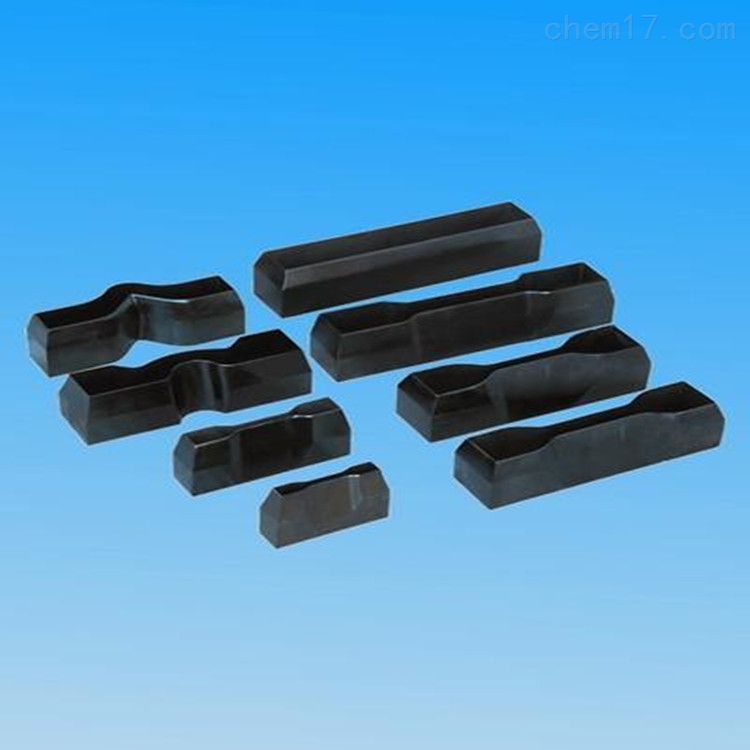

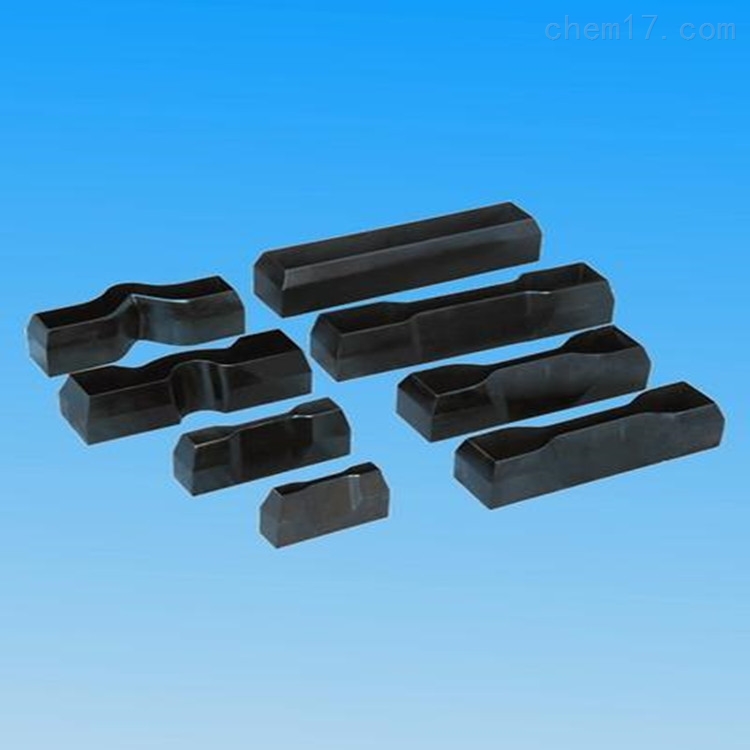

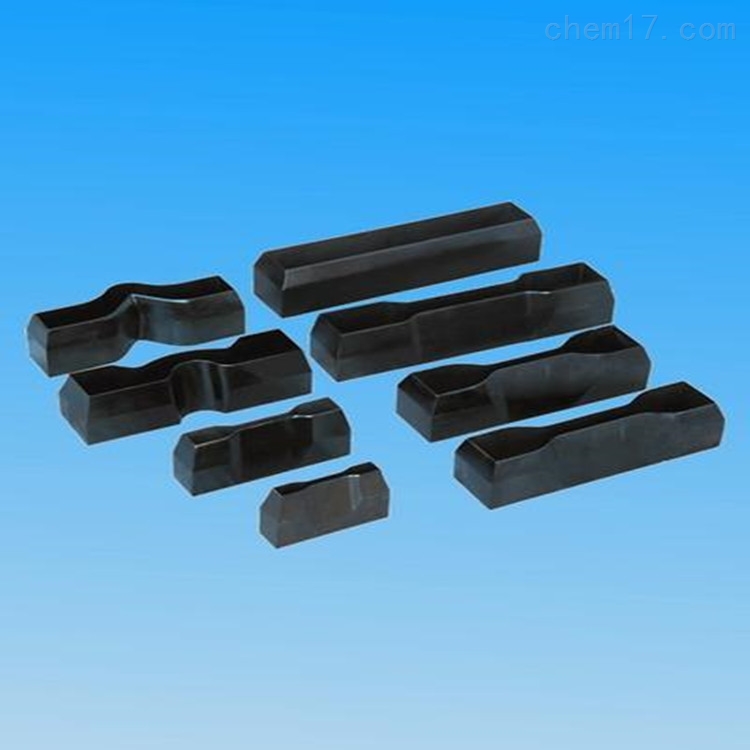







Dumbbell-shaped cutting knives are used as sample preparation tools before experiments on materials such as rubber, plastic, film, composite materials, waterproof membranes, and non-woven fabrics; they come in various specifications and models, covering multiple national and industry standards. Standard dumbbell-shaped cutting knives are available in stock, while custom-made options according to specific requirements or the specifications of American ASTM or ISO standards are also available upon request.
Dumbbell-shaped blade usage requirements:
There are clear standards for the type and dimensions of cutting blades used for preparing test specimens. The inner surface of the blade edge must be perpendicular, and the two blade edges must be parallel. Before each test, the dimensions, straightness, and angle of the blade should be checked to ensure they meet the standard requirements. Regular maintenance and inspection are necessary, paying attention to whether the blade edge is straight, the blade is sharp, if it has become dull, cracked, chipped, or curled. Any of these conditions can lead to defects in the cut specimen, such as width, flatness of the edges, and shape of the cross-section, which can cause deviation in test data. When cutting dumbbell-shaped specimens, the mat used should be a suitable covered tape or good cardboard that is neither too soft nor too hard. This ensures the sample is cut once and shaped properly. Too soft a mat can distort the sample, leading to a significant difference between the cross-section of the dumbbell-shaped specimen and a rectangle. Too hard a mat can damage the blade edge of the dumbbell-shaped cutter, causing dimensional deviation in the sample.